Samsung's AI Chip Output Stalled by Bonus Fury
A colossal bonus gap at Samsung has triggered internal revolt, halting critical AI chip production. Millions in payouts are on the line, and the tech world is watching.
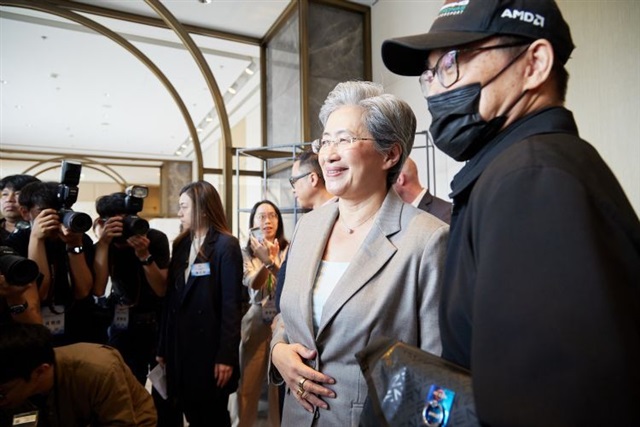

AMD's Lisa Su, a titan in the semiconductor world, just dropped a fresh concern into the already-fraught AI chip landscape. Forget just where to stuff the chips themselves; the real pinch point is emerging from the bits and bytes they need to chug.
Forget incremental tweaks. AI’s insatiable hunger for compute is forcing a wholesale re-architecture of server infrastructure, pushing the boundaries of what’s possible in the data center.
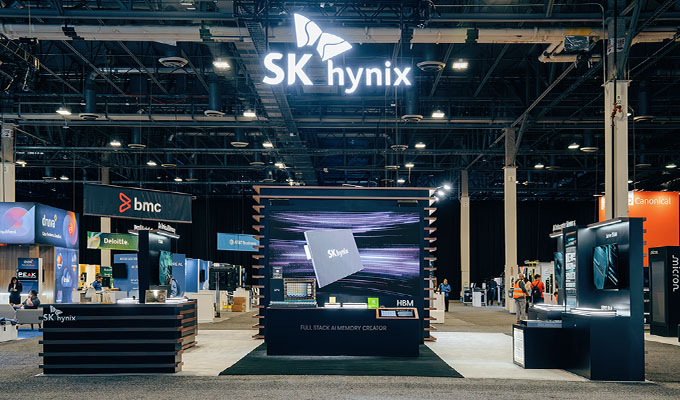
Forget the Las Vegas glitz; the real spectacle at Dell Technologies World 2026 was the quiet hum of future AI, powered by SK hynix's latest memory innovations.
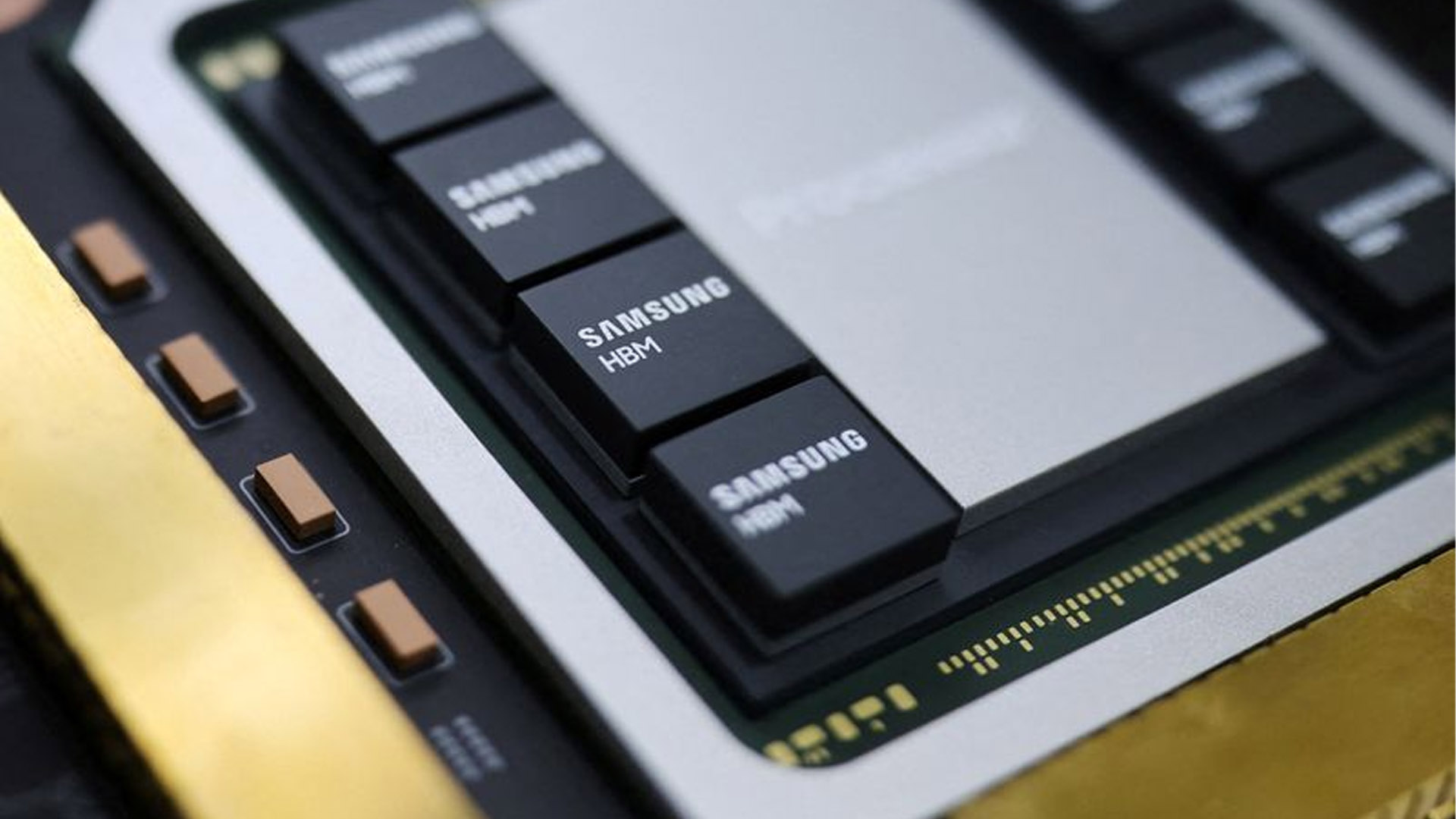
Forget server farms. Samsung might be bringing lightning-fast High-Bandwidth Memory (HBM) to your pocket. Get ready for a mobile AI revolution that could redefine what your phone can do.
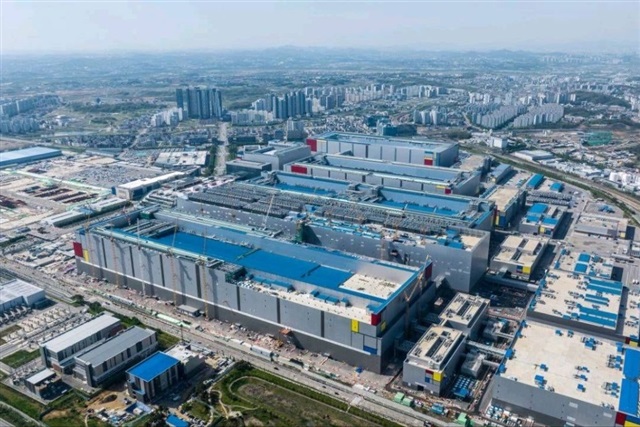
Samsung's throwing more concrete at Pyeongtaek, and frankly, it smells like desperation mixed with a dash of genuine demand. The question is, are we finally entering that fabled memory supercycle, or is this just more corporate theater?
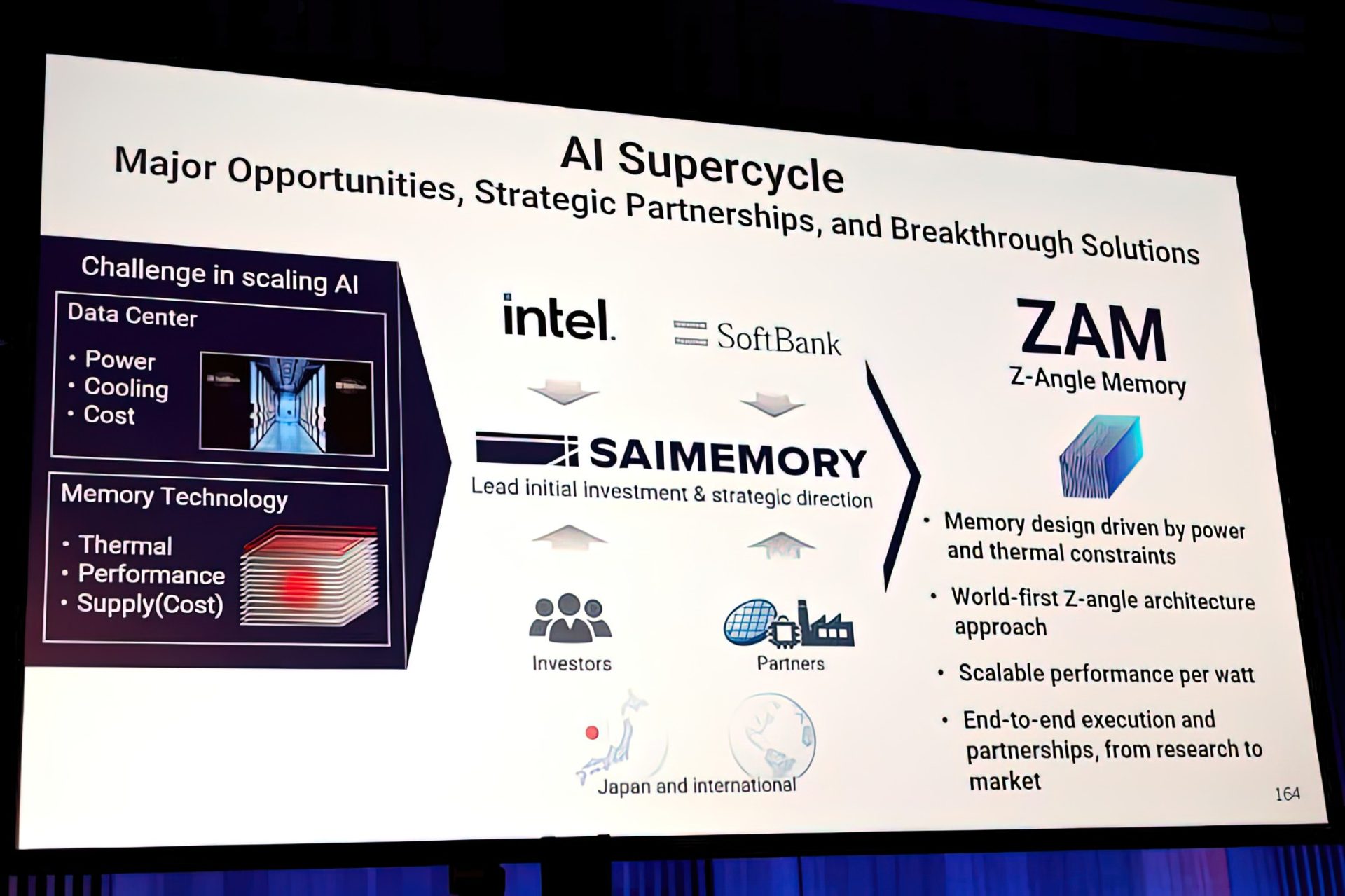
Intel's Z-Angle Memory (ZAM) is gearing up to challenge the dominance of High Bandwidth Memory (HBM) in the AI accelerator space. With promises of double the bandwidth and improved thermal characteristics, ZAM could reshape the high-performance computing landscape.
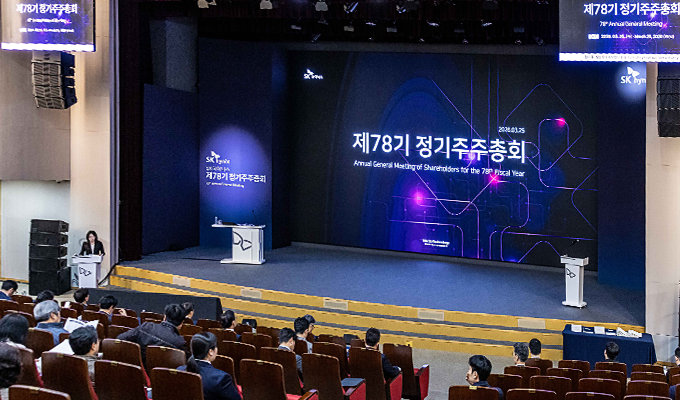
SK hynix just posted numbers that made semiconductor history, shattering revenue and operating profit records. The AI gold rush, it turns out, is a very good year for memory makers.
SK hynix says it's figured out how to cram more memory chips together. But don't expect your next laptop to suddenly run Crysis at 8K.
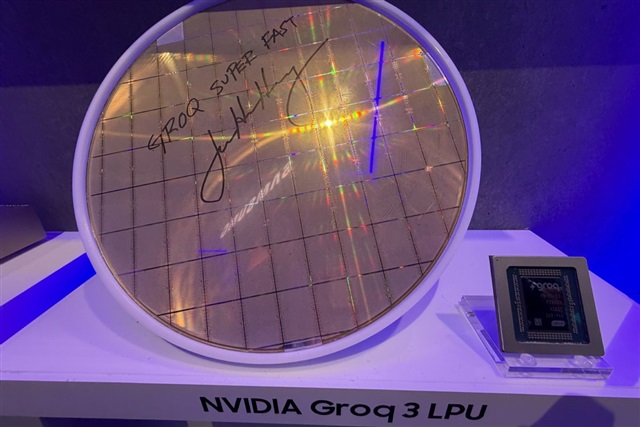
The AI chip game just got a whole lot messier. Nvidia's sudden grab for Groq signals a shift, and now the real jockeying for the next wave of chips — specifically, LPUs — is on.
SK hynix is basking in the glow of a 2026 IEEE Corporate Innovation Award, lauded for its vital role in expanding AI computing through High Bandwidth Memory (HBM). But does this accolade translate into sustained market dominance, or is it merely a well-timed PR victory lap?
Everyone figured memory makers would feast on AI hype. SK hynix didn't just eat—they devoured, posting record profits and plotting a full-stack takeover.