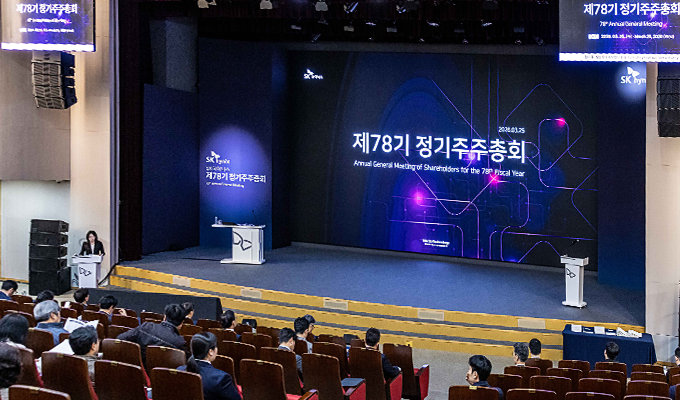
Picture this: the memory chip world, long a brutal boom-bust cycle, suddenly lit up by AI’s insatiable hunger for bandwidth. Analysts expected solid gains from HBM sales, sure—but SK hynix just dropped numbers that make Samsung and Micron look like they’re still warming up. At their 78th AGM on March 25, CEO Kwak Noh-Jung laid out a 2025 haul of 97.1 trillion won in revenue, up 1.5x year-over-year, with operating profit doubling to 47.2 trillion won. That’s not hype. That’s a structural shift.
And here’s the kicker—it’s the second straight year of records, fueled by HBM exploding to double revenue on their market stranglehold. But wait.
Why SK hynix’s HBM Lead Feels Like TSMC’s Node Race All Over Again
Back in the foundry game, TSMC pulled ahead by nailing process nodes when everyone else stumbled. SK hynix? They’re doing it with stacked memory architecture. HBM sales doubled because they supplied exactly what NVIDIA and AMD needed, right on time—world-leading shares in the AI accelerator guts.
Kwak nailed it:
“In an unprecedented market growth environment, SK hynix achieved record-breaking performance by timely supplying products to our customer’s needs, leveraging the company’s technological edge.”
High-value DRAM share ballooned too, hitting all-time revenue peaks. NAND? Restructured toward enterprise SSDs, posting its best year ever. It’s not luck. It’s architecture: mass-producing HBM4, rolling out 1cnm (that’s sixth-gen 10nm class), crafting 256GB DDR5 RDIMMs, and stacking a monstrous 321-layer QLC NAND. They’re not just riding AI—they’re engineering the stack beneath it.
Look, competitors like Samsung chased breadth; SK hynix went deep on performance-per-watt for AI workloads. That ‘how’ matters. Why? Because AI inference is exploding beyond training, demanding denser, faster memory everywhere—from edge to cloud.
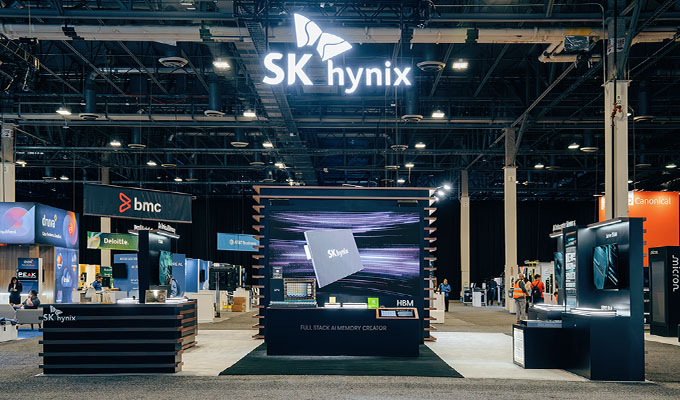
This changes everything. Memory wasn’t supposed to be the AI chokepoint hero. DRAM and NAND were sidekicks to GPUs. Now? SK hynix positions as the full-stack memory creator, preempting demands with PIM, CXL, and HBF. Bold.
How Does SK hynix Plan to Scale This Without Imploding?
2026 outlook: AI DRAM and NAND demand surges alongside HBM. Four pillars—full-stack AI memory, ops tweaks for max output, infrastructure buildout, ecosystem expansion.
They’re prepping HBM4E, custom cHBM, SOCAMM2, GDDR7, fat eSSDs. Next-gen? PIM (processing in memory—game for latency kills), CXL pooling, HBF flash. It’s a bet on vertical integration, AI-infused fabs for efficiency.
Production diversification hits hard: Yongin cluster, Cheongju, U.S. advanced packaging plant. Even a new U.S. AI company for ventures. Why the geo-spread? Supply chain jitters—everyone remembers COVID fabs grinding to halt. This hedges against tariffs, quakes, whatever.
But here’s my unique take, one you won’t find in the press release spin: this mirrors Intel’s 1980s DRAM dominance play, but smarter. Intel bled cash chasing everything; SK hynix focuses laser-like on AI verticals, sharing 14.3 trillion won back via dividends and buybacks while eyeing 100T net cash long-term. Balanced aggression. Prediction? By 2028, they’ll eclipse Samsung’s overall memory lead, turning HBM into a moat wider than TSMC’s 3nm.
Corporate PR loves ‘global top-tier’ pledges—Kwak’s no different:
“As a Full Stack AI Memory Creator, SK hynix will be a partner that works with our customers to understand their challenges and solve them in creative ways, and become a global top-tier company that contributes to sustainable societal progress.”
Skeptical? Fair. But numbers don’t fib. Shareholder approval was unanimous—financials passed, all agendas greenlit.
The real why: AI isn’t transient. Models balloon—GPT-5 rumors say terabytes needed. HBM4’s bandwidth? 2TB/s stacks. Competitors scramble; SK hynix mass-produces.
Short para. Boom.
Now, the shareholder angle. 14.3T returned already—dividends, treasury cancels. 2026? More, balanced with capex for that cash hoard. It’s not greedy; it’s signaling: we’re printing money, but investing too.
Wander a sec—remember 2018 NAND glut? Everyone overbuilt, prices tanked. SK hynix restructured early, pivoted to value. Lesson learned. This time, they’re capacity-constrained by demand, not vice versa.
Will SK hynix’s Full-Stack Push Crush Rivals?
Yes, if execution holds. Samsung’s catching on HBM3E, Micron too—but SK leads share. Architecture shift: from commoditized bits to AI-optimized hierarchies. Full-stack means they dictate interfaces, ecosystems.
U.S. plays? Packaging plant + AI firm screams ‘CHIPS Act bounty’—subsidies incoming, China-decoupled.
Critique the spin: ‘Differentiated value’ sounds fuzzy. But tie it to tech milestones—1c2nm process, tallest NAND—and it lands. They’re not promising utopia; they’re shipping.
Deep breath. The how: relentless customer sync—NVIDIA’s Blackwell? HBM3E from SK. Why it sticks: supply reliability in taut markets.
One para wonder: Ecosystem broadening seals it—partners for CXL, PIM adoption.
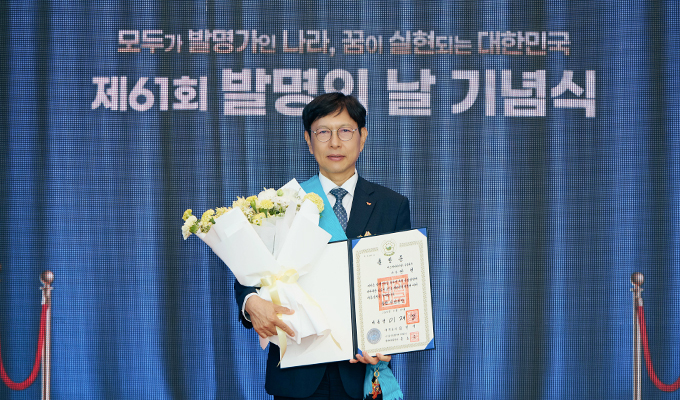
And the employees? Kwak thanked the ‘One Team’—code for no strikes, high morale in Korea’s chip wars.
🧬 Related Insights
- Read more: Sharp’s Poketomo: Edge AI That Remembers Without Spilling to the Cloud
- Read more: VSORA’s Memory Wall Breakthrough: Can This French Upstart Reshape AI Inference?
Frequently Asked Questions
What were SK hynix’s 2025 financial results?
97.1 trillion won revenue, 47.2 trillion won operating profit—1.5x and 2x YoY growth, driven by HBM and high-value DRAM/NAND.
SK hynix HBM market share 2025?
Overwhelming lead, with HBM revenue doubling YoY; they’re the go-to for AI accelerators.
SK hynix shareholder returns 2026?
Expanding dividends and buybacks, targeting 100T won net cash long-term while investing in AI memory expansion.