AI bonanza implodes.
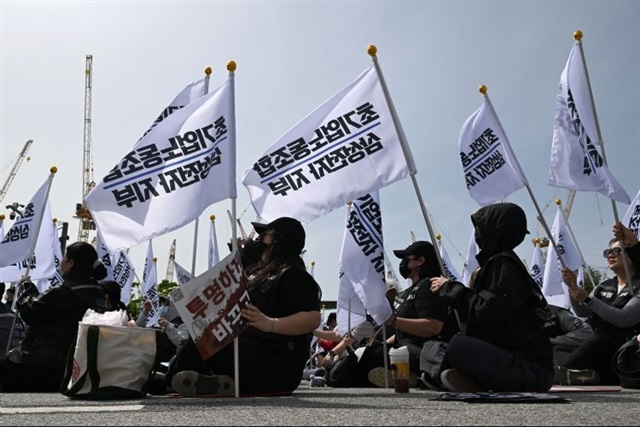
Forget sleek product launches and dazzling tech demos for a moment. Right now, deep within the humming server farms and sprawling fabrication plants of Samsung, a different kind of energy is surging – resentment. It’s a tidal wave, and it’s threatening to derail the very AI hardware that’s supposed to be powering our future. The news is stark: a massive payout disparity for memory workers versus their colleagues in other divisions has ignited a firestorm, causing production slowdowns and grinding crucial AI chip projects to a screeching halt.
This isn’t just a minor hiccup; it’s a fundamental platform shift moment in the making. Think of it like this: you’ve got one group of engineers building the engine of a rocket ship – the critical HBM (High-Bandwidth Memory) components that Nvidia needs for its next-generation AI accelerators. Then, you have another team meticulously designing the ship’s interior, making sure the seats are comfortable and the entertainment system works – the DX division handling smartphones and TVs. Now, imagine the rocket engineers getting a multi-million dollar bonus, and the interior designers getting pocket change. Utter chaos, right?
Why This Bonus Divide Matters So Much
That’s precisely the explosive situation brewing at Samsung. The tentative deal, meant to placate the memory division after a near-strike, doles out a staggering $400,000 (600 million won) to memory workers. Meanwhile, employees in the DX division – the folks making your phone, your TV, your fridge – are looking at a paltry $4,000 (6 million won). It’s like giving a Michelin star chef a bonus equal to a fast-food fry cook’s weekly wage. The anger is palpable, and it’s manifesting as what internal sources are calling “work negligence” across the foundry and TSP (Test & Package) divisions. These are the backbone operations for producing that vital AI memory.
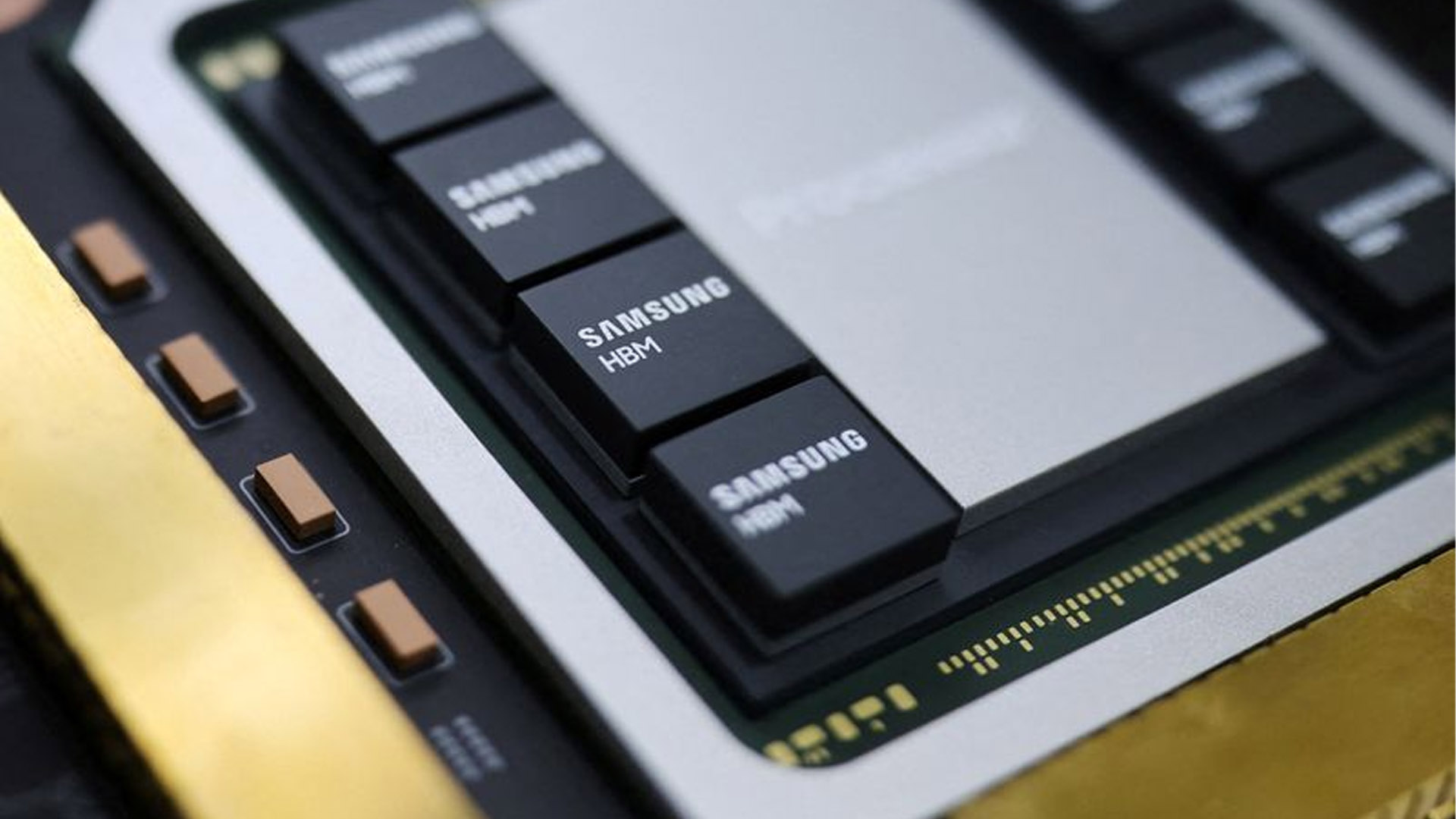
And the ramifications? They’re immense. Decision-making on major projects has reportedly frozen solid. This isn’t just about internal squabbles; it’s about the global AI supply chain. Samsung is a key player in the race to produce HBM for hyperscalers, and any delay in their packaging and testing operations directly constricts output for everyone. Nvidia, for instance, is waiting on this for its Rubin AI accelerators. If Samsung stumbles, the entire AI ecosystem feels the tremor.
“decision-making on major projects has come to a complete halt,”
This deepens inter-departmental resentment, creating a toxic environment where collaboration – the very lifeblood of innovation – becomes impossible. It’s a stark reminder that even the most advanced technological ambitions can be brought to their knees by basic human economics and a perceived lack of fairness.
Is Samsung’s AI Production Truly at Risk?
Absolutely. The warnings are clear: continued negligence isn’t just going to hurt Samsung’s bottom line; it could damage long-standing customer relationships and jeopardise delivery commitments. This is happening at a moment when Samsung’s semiconductor division is supposedly gearing up for a record year, with projections for massive operating profits. The irony is almost painful. The very success that should be celebrated is now fueling the internal conflict.
What’s truly fascinating, and perhaps a little alarming, is how quickly the power dynamics have shifted. The smaller union representing DX employees has filed a court injunction to block the chip-dominated union from handling collective bargaining. The membership of that larger union has exploded from 3,000 to nearly 13,000 since the deal was announced, highlighting the sheer weight of numbers in this dispute. And it’s not just employees; even shareholders are threatening legal action, arguing that profit-linked bonus structures require their approval under Korean law.
This isn’t just a story about money; it’s about how we value different contributions in a complex technological ecosystem. When one division is showered with riches while others receive crumbs, it sends a powerful message. It’s a message that fuels demotivation, breeds resentment, and, as we’re seeing at Samsung, can bring entire operations to their knees. The future of AI hinges on collaboration and innovation, but right now, that future seems to be on hold, tangled in the messy, all-too-human realities of corporate compensation.
What Happens Next?
Employees are now casting electronic ballots, with the outcome hinging on the tens of thousands of non-memory union members within the DS division. The internal message boards are reportedly alight with opposition, viewing the deal as a blatant favoritism towards the memory unit. Samsung’s semiconductor CEO, Jun Young-hyun, has urged a move past the conflict, but the dispute has gained significant momentum. It’s a tense moment for a company expecting record profits, a stark reminder that the human element remains the most unpredictable, and arguably the most critical, component in any technological revolution.
Samsung’s current predicament is a powerful case study in the delicate balance required to manage a massive, multi-faceted tech empire. The pursuit of AI dominance can’t afford to overlook the foundational principles of employee morale and equitable recognition. Fail to do so, and even the most advanced chips will falter, not from a lack of silicon, but from a deficit of human buy-in.
🧬 Related Insights
- Read more: US Quantum Push: Billions for Hardware, Utility Still Missing
- Read more: NVIDIA Car AI [Architecture Shift] Changes Your Ride
Frequently Asked Questions
What is Samsung’s memory division getting paid so much for? Employees in Samsung’s memory division are set to receive significant bonuses because the deal allocates 10.5% of the semiconductor division’s operating profit as stock-based bonuses, with an additional 1.5% in cash, rewarding their contribution to the company’s profit.
Will this production slowdown affect my ability to get AI chips? Yes, the internal conflict and production slowdowns at Samsung can directly impact the availability of high-bandwidth memory (HBM) chips, which are essential for next-generation AI accelerators, potentially delaying the rollout of new AI hardware.
Is Samsung’s packaging operation critical for AI chips? Absolutely. The Test & Package (TSP) division at Samsung handles the essential back-end operations for producing high-bandwidth memory (HBM). Any disruption here directly constrains HBM output, which is vital for companies like Nvidia building advanced AI chips.