Could the humble gigabyte of High Bandwidth Memory (HBM) be the unsung hero of our AI-obsessed future? That’s the implicit question hanging over SK hynix’s recent snagging of the 2026 IEEE Corporate Innovation Award. Forget the flashy GPUs for a moment; the real bottleneck, the unsung hero enabling those colossal AI models, has always been memory. And SK hynix, it appears, wants everyone to know they’re holding the keys to that kingdom.
The Memory Monarch?
The IEEE, a venerable institution in the tech world, doesn’t hand out awards for participation trophies. This Corporate Innovation Award, a prize that’s been around since 1986, specifically recognizes companies that have demonstrably pushed the needle for industry and society through technological advancement. For SK hynix, the recognition centers squarely on their High Bandwidth Memory (HBM) technology. The company proudly states its contribution stems from ensuring the “stable mass production of all High Bandwidth Memory (HBM) generations.” This isn’t just about making HBM; it’s about making it consistently, at scale, across multiple iterations—a feat of engineering and supply chain mastery that, frankly, few can replicate.
“By collaborating closely with our global customers and partners, we will stay ahead in creating the value the market demands and continue to be a premier company leading AI innovation.”
Look, the data here is stark. As AI models balloon in complexity, the demand for memory that can keep pace with high-performance processors is exploding. HBM, with its stacked DRAM architecture and wide interface, is designed precisely for this throughput-hungry workload. SK hynix has been on this HBM train early and loud, positioning itself not just as a supplier, but as a foundational enabler of the current AI computing expansion. They’ve managed to scale their operations to meet the ravenous appetite of Big Tech firms, a strategic move that clearly paid off.
Beyond the Hype: What’s Really Driving the Award?
This isn’t just about a shiny new award; it’s a signal. The timing, the recipient, the focus—it all points to a calculated push by SK hynix to cement its position as the indispensable player in the AI memory ecosystem. While NVIDIA often grabs the headlines for its AI chips, the performance of those chips is inextricably linked to the quality and availability of the memory they’re paired with. SK hynix’s ability to preemptively offer innovative HBM solutions and respond swiftly to customer needs has evidently put them in a strong, some might say dominant, position.
And let’s not discount the internal strategic vision. The article points to SK Group Chairman Chey Tae-won’s long-standing emphasis on long-term technological competitiveness. This isn’t a recent pivot; it’s a sustained bet on the future of AI infrastructure. Their strategic expansion of AI infrastructure partnerships with major US tech giants underscores this commitment. This award, then, is less a surprise and more the public acknowledgment of years of deliberate, high-stakes investment.
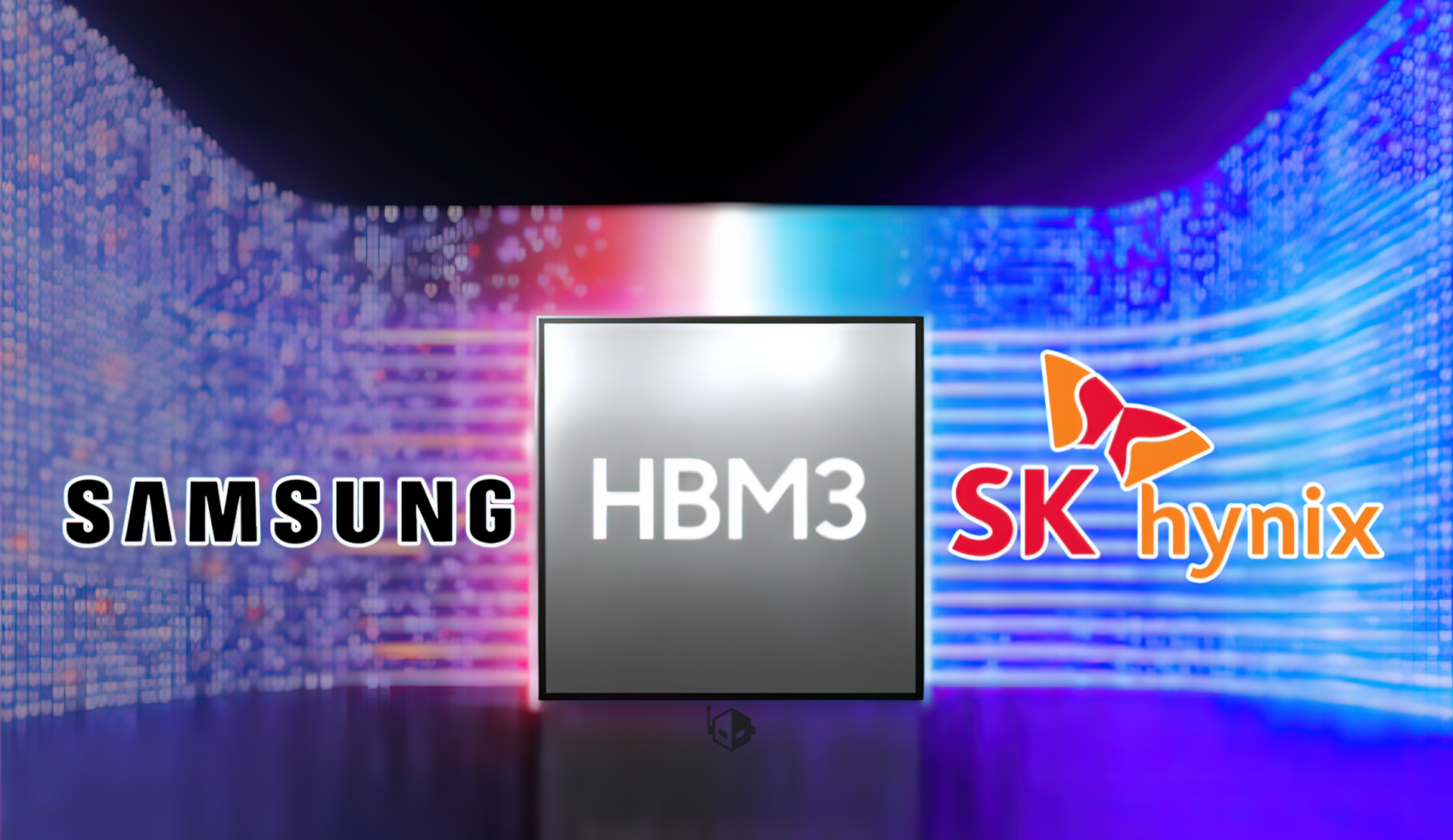
But here’s the thing: awards are nice, but market share is king. SK hynix is facing stiff competition, notably from Samsung, another memory giant also investing heavily in HBM. While SK hynix is currently enjoying a significant lead in the HBM3 and HBM3E segments—particularly with its AI-focused offerings—the landscape can shift rapidly. The critical question is whether SK hynix can maintain this lead, especially as newer, even more demanding AI architectures emerge. Will their current production capacity and technological edge be enough to stave off rivals who are undoubtedly pouring resources into catching up?
The Broader Implications for AI
This award isn’t just a win for SK hynix; it’s a validation of the entire HBM strategy for AI. It underscores that the future of AI computing isn’t just about the processing cores, but the entire system architecture. For developers and researchers, it means a continued — and hopefully stable — supply of high-performance memory crucial for training and deploying increasingly sophisticated AI models. It suggests that the infrastructure supporting AI’s exponential growth is maturing, albeit with a clear front-runner in a critical component.
But we should also be wary of placing all our eggs in one basket. Relying too heavily on a single supplier, even one as lauded as SK hynix, carries inherent risks. Geopolitical tensions, supply chain disruptions, or even a simple misstep in future product development could have significant ripple effects across the entire AI industry. This IEEE award is a moment of triumph, yes, but it should also serve as a catalyst for continued innovation and diversification within the high-bandwidth memory sector. The race is far from over.
🧬 Related Insights
- Read more: Vegas Lights, Private Clouds: VMware Explore 2026 Ignites the AI Infrastructure Revolution
- Read more: Cloudflare’s Wrangler CLI Rebuilt for AI Agents [Preview]
Frequently Asked Questions
What is SK hynix’s main product for AI? SK hynix’s primary product contributing to AI expansion is High Bandwidth Memory (HBM), particularly its HBM3 and HBM3E generations, designed for high-performance computing.
Will this award affect the price of AI hardware? While awards don’t directly set prices, they can signal market strength and confidence. If SK hynix’s HBM production remains stable and competitive, it can help maintain or moderate the cost of AI hardware components reliant on high-end memory.
How does HBM compare to traditional DRAM? HBM offers significantly higher bandwidth and lower power consumption compared to traditional DRAM by stacking memory dies and using a wider interface, making it ideal for data-intensive AI and high-performance computing tasks.