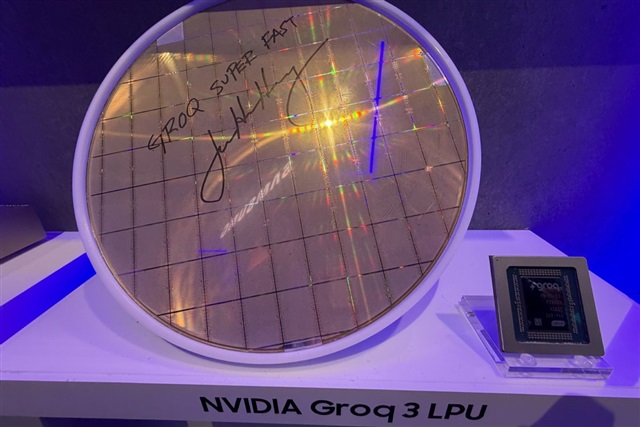
Look, we all expected the AI boom to keep chugging along, right? Training chips, inference chips, more powerful GPUs than you can shake a stick at. The narrative was set: bigger, faster, more data. But Nvidia, in its usual fashion, just threw a wrench in the works by snagging Groq. Suddenly, the focus isn’t just on brute force compute anymore; it’s about specialized processing units, specifically LPUs (Language Processing Units), and who’s going to supply the crucial High Bandwidth Memory for them.
This move by Nvidia, yanking Groq off the market and integrating its LPU tech, is classic Silicon Valley. Eliminate a competitor, gobble up their innovation, and position yourself to control the next stage of the AI evolution. For the rest of us watching, it’s a clear signal that the AI battleground is shifting from raw training power to the efficiency and specificity of inference and agent-centric computing. So, what does this mean for the chip manufacturing titans, Samsung and TSMC? It means they’re suddenly in a high-stakes bidding war, and the prize isn’t just a few billion dollars – it’s a piece of Nvidia’s future dominance.
For years, TSMC has been the undisputed king of foundry services, particularly when it comes to cutting-edge process nodes and supplying the biggest names like Apple and, yes, Nvidia. They’ve earned that reputation through sheer technical prowess and a seemingly endless capacity for innovation. Samsung, on the other hand, has been nipping at their heels, pouring massive resources into its own foundry business and trying to carve out its niche, particularly in the memory sector with its HBM offerings. They’ve been pushing hard on their V-NAND and HBM technology, seeing it as their ticket to the AI gravy train. Now, with Nvidia looking for exclusive suppliers for these new LPUs, the pressure is on.
The HBM Arms Race: Samsung’s Ace in the Hole?
Samsung’s been betting big on its High Bandwidth Memory. They’ve been touting their latest HBM3E advancements, boasting superior speeds and densities. The pitch is clear: give us your cutting-edge LPU designs, and we’ll give you the memory to power them like never before. It’s a compelling argument, especially if Nvidia wants to diversify its supply chain away from an over-reliance on TSMC for every single critical component. Plus, let’s be honest, Samsung has the scale and the experience in memory manufacturing that few can match. They know how to pump out the stuff in volume, which is exactly what you need when you’re talking about powering a new generation of AI hardware.
But here’s the cynical veteran’s take: PR departments at these companies spin gold into stories. Samsung’s been saying they have the “HBM use” for ages. Great. But use against whom? And for what? Nvidia plays the long game, and they’re not going to bet their entire LPU future on a single supplier, no matter how fancy their memory chips are. They’ll likely want options. And that’s where TSMC, even with its already massive Nvidia orders, comes in. TSMC isn’t just sitting on its hands; they’re innovating too. They’ve got their own advanced packaging technologies and are constantly pushing the envelope on process nodes. They’re not going to let Samsung waltz in and steal their biggest customer’s lunch without a fight.
Nvidia’s acquisition of Groq isn’t just about acquiring technology; it’s about controlling the narrative and the supply chain for the next generation of AI accelerators.
Why Does This Matter for Developers?
For the folks actually building AI models, this behind-the-scenes struggle between Samsung and TSMC is more than just corporate drama. It directly impacts the tools they’ll have access to. If Nvidia solidifies its LPU strategy with a particular memory partner — say, Samsung — it could mean that specific performance characteristics become the de facto standard. Developers will then optimize their models for that specific hardware. Conversely, if TSMC manages to hold onto its share of Nvidia’s LPU memory orders, or even gains more, it could mean a more fragmented landscape, with different LPU variants potentially optimized for different memory solutions.
This is where the buzzwords start flying. We’ll hear about “heterogeneous computing architectures” and “AI-optimized memory fabrics.” What it really means is that the hardware powering AI is getting incredibly complex, and the choices made by companies like Nvidia, Samsung, and TSMC will dictate the performance, cost, and even the types of AI applications that become feasible. And remember, someone has to pay for all this R&D and manufacturing. You guessed it: the customer. Or, more likely, us, when we use the AI-powered services those chips enable.
The TSMC Obstacle: Are They Really Pushed Back?
Nvidia’s move is indeed a strong signal, but TSMC is not a pushover. They have a deeply entrenched relationship with Nvidia, built on years of manufacturing its flagship GPUs and AI chips. Nvidia relies on TSMC’s leading-edge process nodes to deliver the raw computing power. While the Groq acquisition might signal Nvidia’s desire for specialized LPU solutions, it doesn’t mean they’ll abandon their most trusted foundry partner for the core components. TSMC is investing heavily in its own advanced packaging solutions, like CoWoS, which are critical for integrating complex chiplets, including memory. It’s entirely plausible that TSMC can offer a competitive LPU memory solution, possibly in partnership with memory giants like Micron or SK Hynix, or by leveraging its own internal capabilities.
Think of it this way: Nvidia wants options, but they also want reliability and performance. TSMC has a proven track record. Samsung has a strong memory game, but its foundry business, while growing, still has to prove it can consistently deliver at the absolute bleeding edge for Nvidia’s most critical components. The question isn’t just who can make the best HBM, but who can deliver it reliably, at scale, and at a price Nvidia finds acceptable for its new LPU strategy. And make no mistake, Nvidia plays hardball. They’ll pit these giants against each other to get the best deal. It’s a high-stakes chess match, and we’re just starting to see the opening moves.
The real winner, as always, is the one who controls the narrative and the pipeline. Nvidia is clearly trying to position itself as the architect of this LPU future. Samsung is trying to use its memory dominance to become indispensable. TSMC is fighting to maintain its position as the ultimate gatekeeper of advanced chip manufacturing. Who actually makes the most money here? Well, right now, it’s looking like Nvidia. They’re the ones dictating terms, acquiring innovation, and forcing the supply chain to bend to their will. Samsung and TSMC are the suppliers, the enablers. They’ll make a fortune if they win these orders, but they’re still playing by Nvidia’s rules.
🧬 Related Insights
- Read more: Google Splits TPUs: Training vs Inference [Cloud Next ‘26]
- Read more: Kubb Mini PCs: Color in a Silent World
Frequently Asked Questions
What does Nvidia’s Groq acquisition mean for AI chips? Nvidia acquired Groq to integrate its LPU (Language Processing Unit) technology, signaling a shift towards specialized AI processors for inference and agent-centric computing, beyond just training. This intensifies competition in the AI chip supply chain.
Will Samsung’s HBM replace TSMC for Nvidia’s LPU orders? It’s unlikely to be a complete replacement. Nvidia will likely seek multiple suppliers and options to manage risk and negotiate better terms. Samsung’s HBM is a strong contender, but TSMC’s deep relationship and advanced manufacturing capabilities remain significant factors.
Who is actually making money in this AI chip race? Currently, Nvidia appears to be in the strongest position, dictating terms and acquiring key technologies. Samsung and TSMC will profit significantly from supplying components and manufacturing, but they are largely responding to Nvidia’s strategic initiatives.