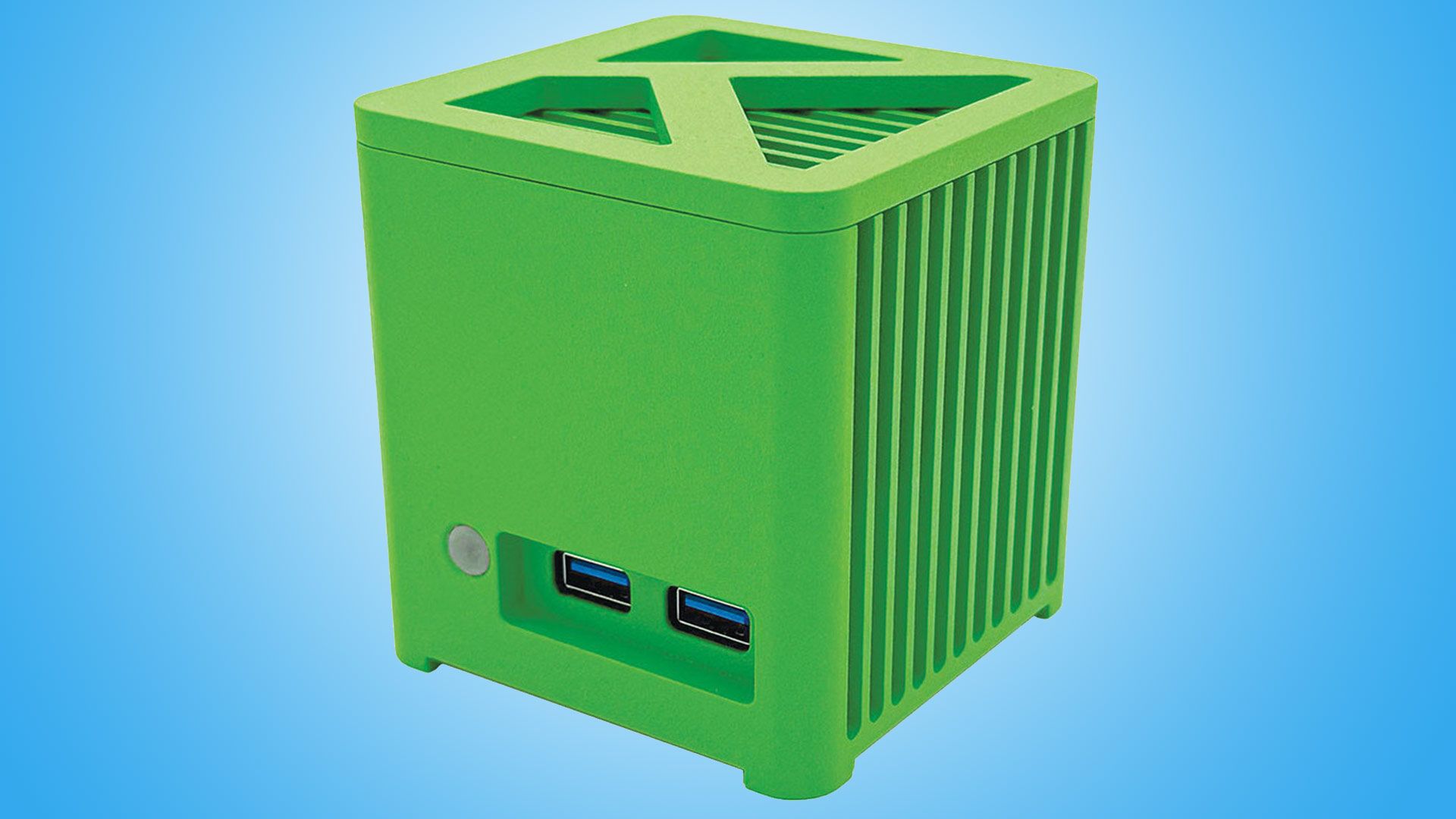
Kubb Mini PCs: Color in a Silent World
The silent PC market just got a lot louder – visually, at least. Kubb's new Mini PCs, powered by Intel's Twin Lake chips, arrive in a rainbow of hues, challenging the drab aesthetic of passive cooling.
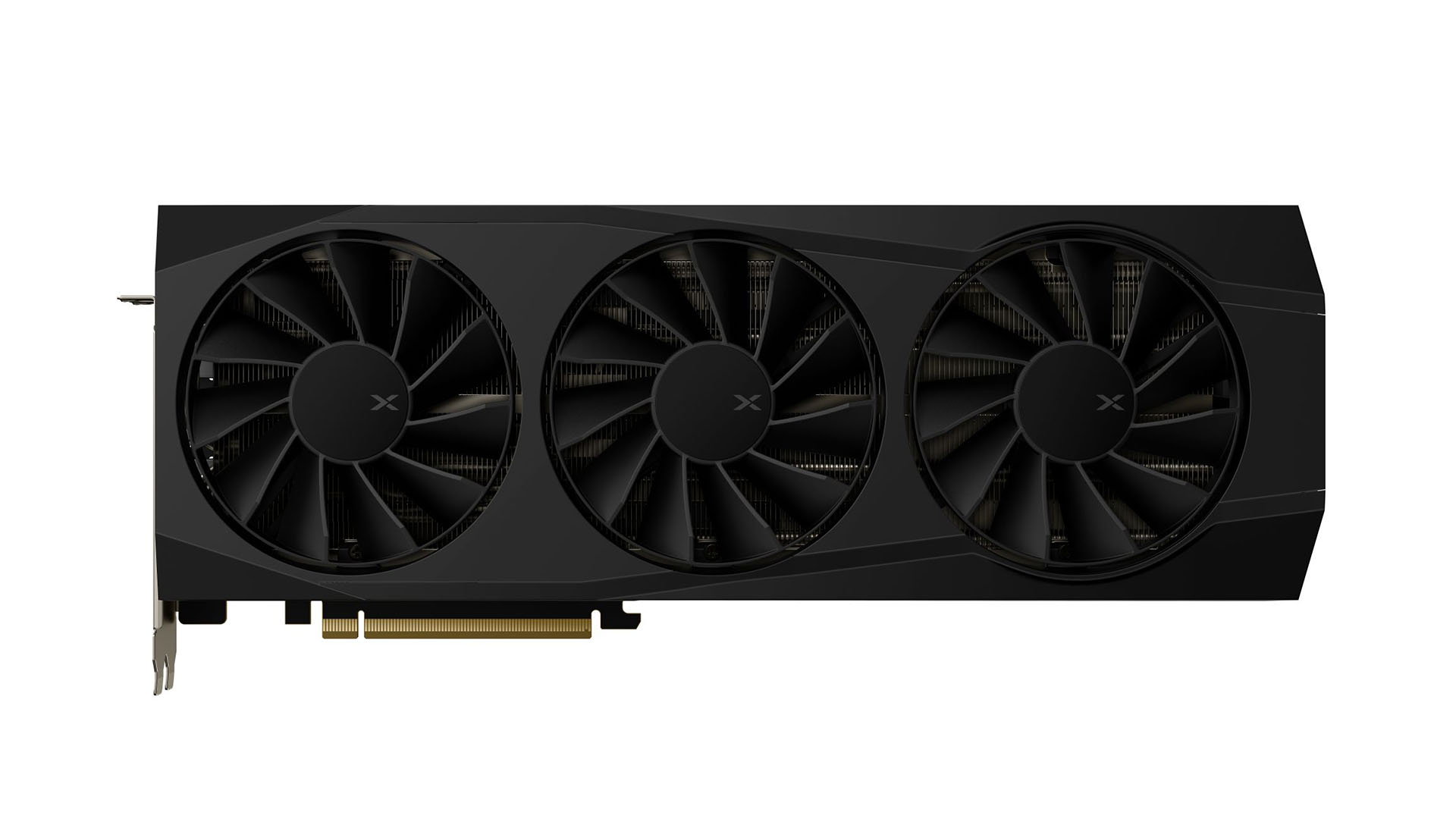
AMD's RX 9070 XT just got a $110 haircut on Amazon, landing at $720. But is this the GPU steal that buries NVIDIA's overpriced Ti models, or just temporary bait?
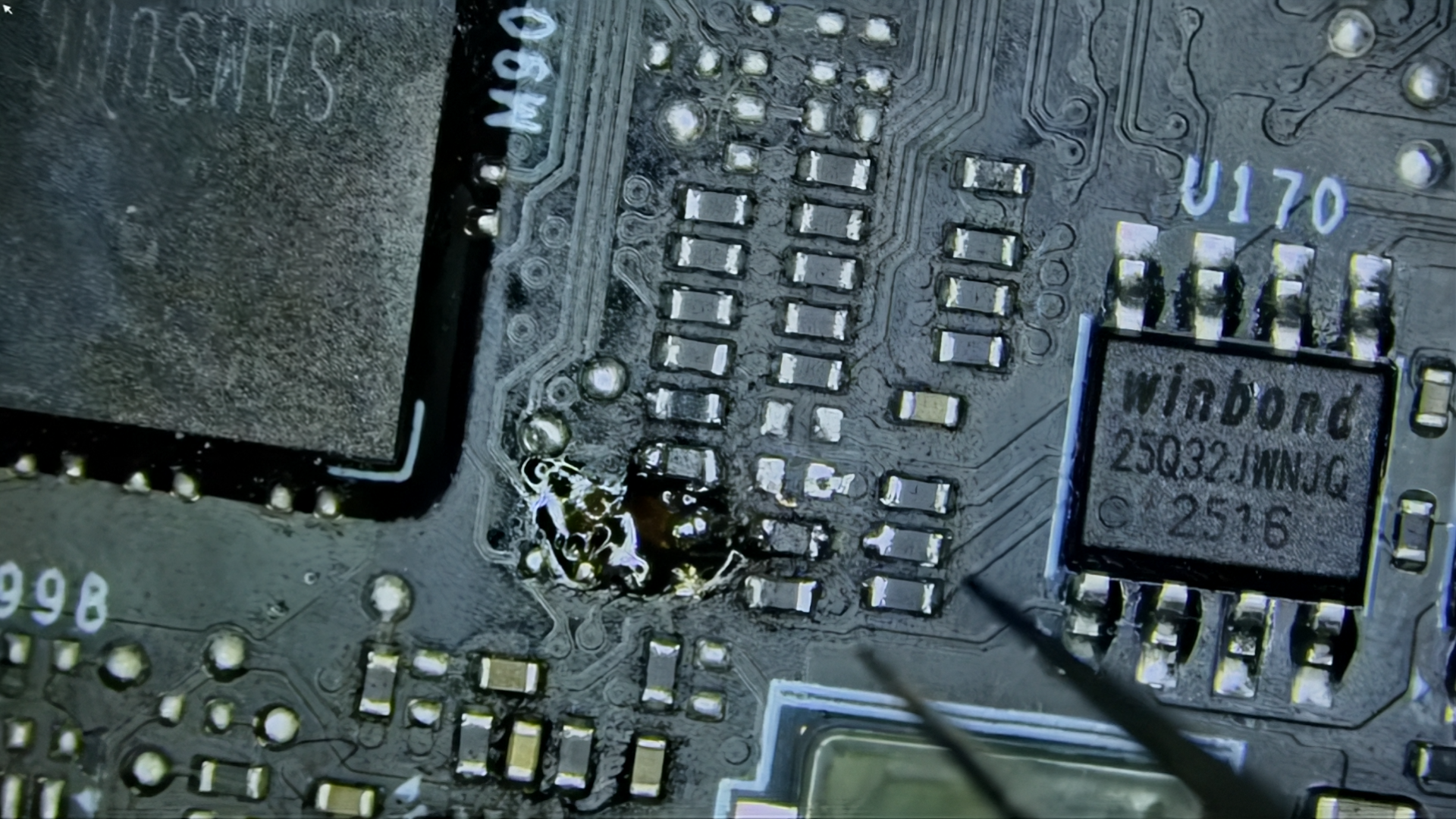
Picture this: your brand-new $5,000 GPU, fresh from CES hype, turned into a soldering scrap heap. One rookie's 'practice session' gone nuclear.
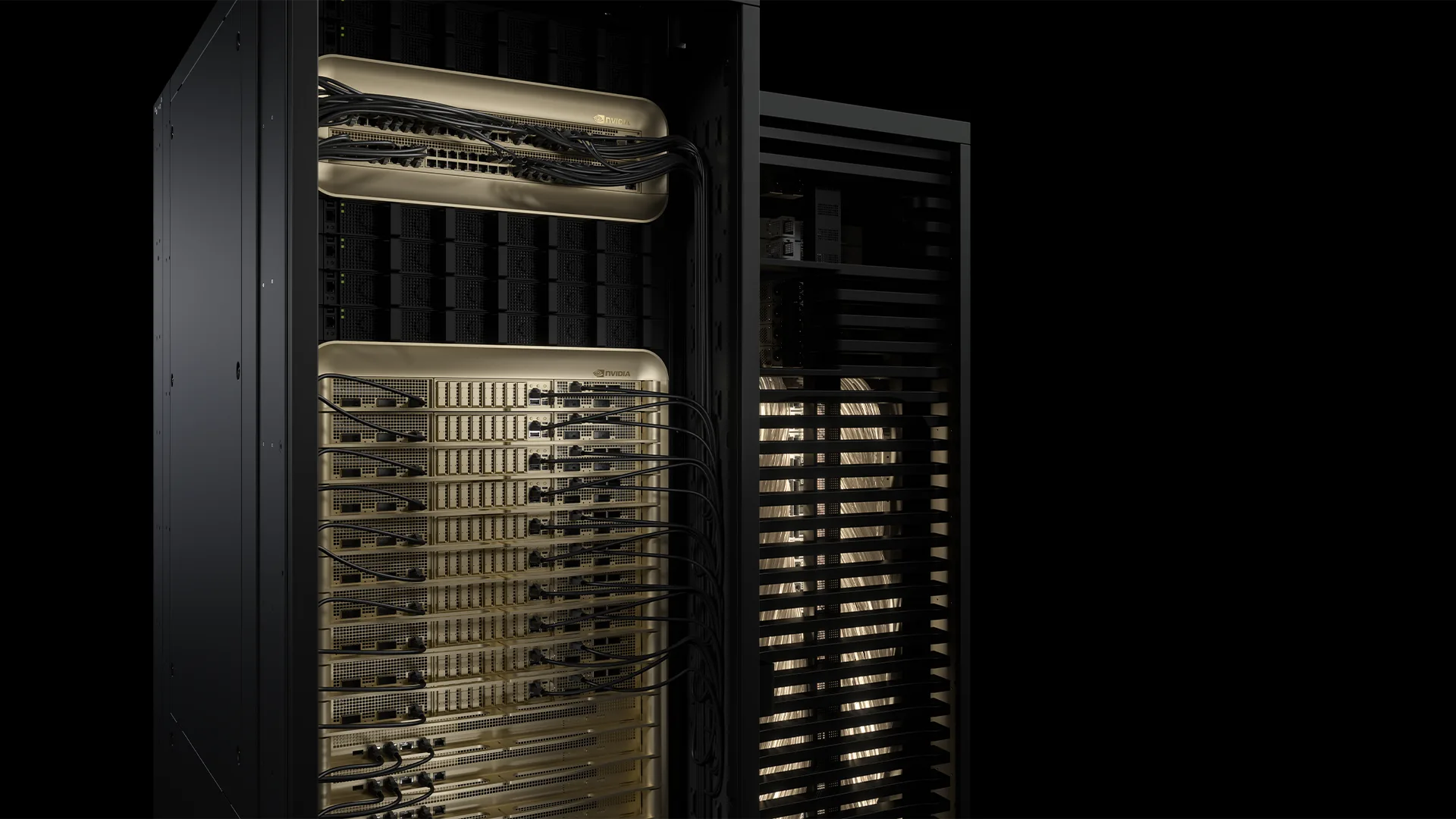
Nvidia shelled out $20 billion for Groq's team and tech. Now they're admitting it: GPUs alone won't cut it for low-latency AI inference anymore.
Picture this: a cluster of silicon brains churning through physics simulations that normally hog supercomputers — all on a fraction of the juice. Sandia's latest hack on Intel's neuromorphic tech just made that real.
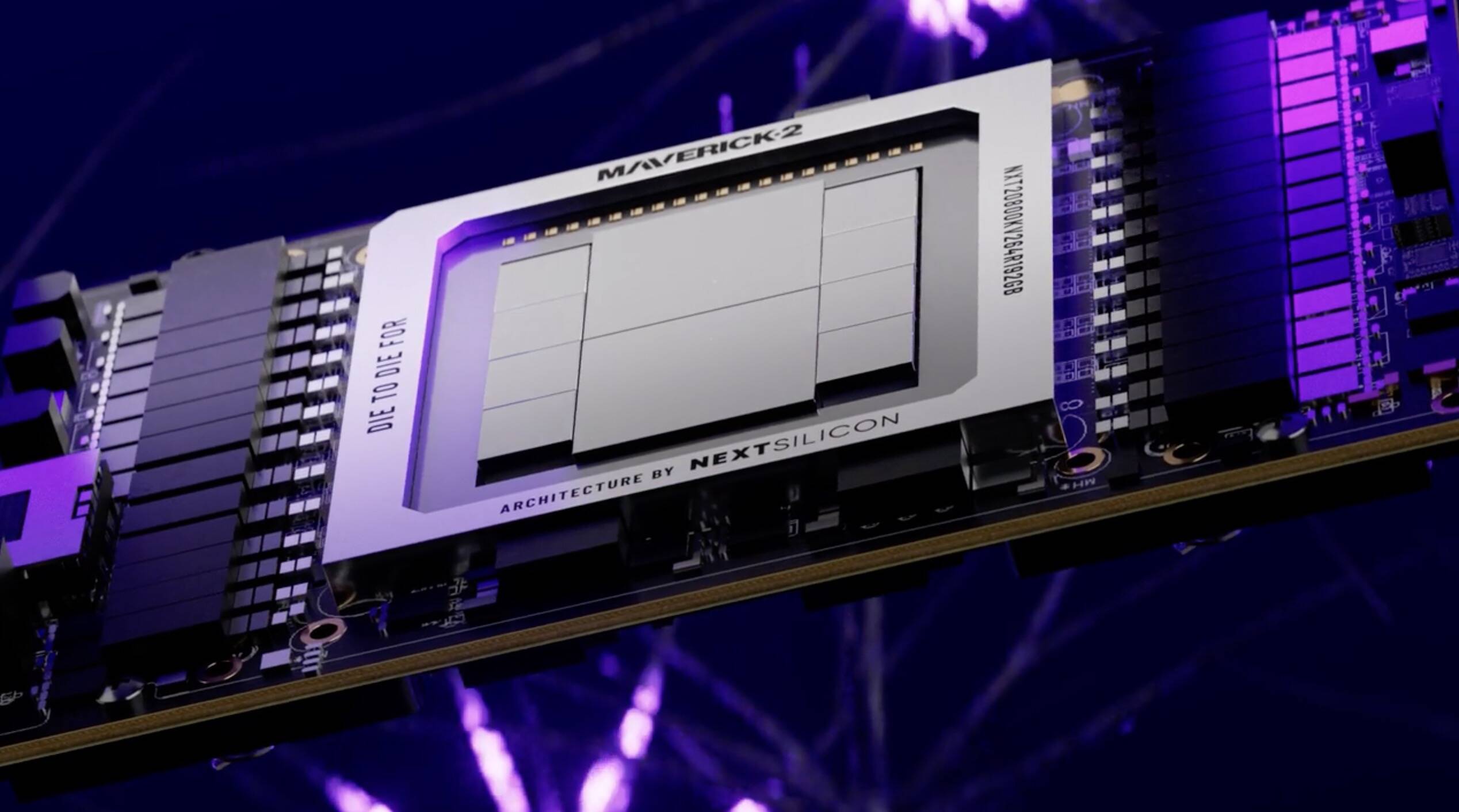
Forget AI overload—NextSilicon's Maverick-2 just turbocharged high-performance computing with 10x gains. It's the chip science labs have begged for.
Everyone figured the chip boom might cool off. Instead, Intel's jumping into Elon Musk's wild Terafab vision, and revenues are exploding past $1 trillion— but supply snarls loom large.
Picture this: Intel's factories humming with chips for Tesla's robotaxis and SpaceX's Starships. A single analyst quote just cracked open what Terafab really means—and it's bigger than a new plant.
€544 million for a supercomputer that might sip just 12 megawatts — or not. France's Alice Recoque promises exascale glory with AMD at the helm, but don't hold your breath for revolution.
You click for HWMonitor's latest update. Instead, credential stealers flood your machine. CPUID's six-hour breach exposes the fragility of even trusted hardware sites.
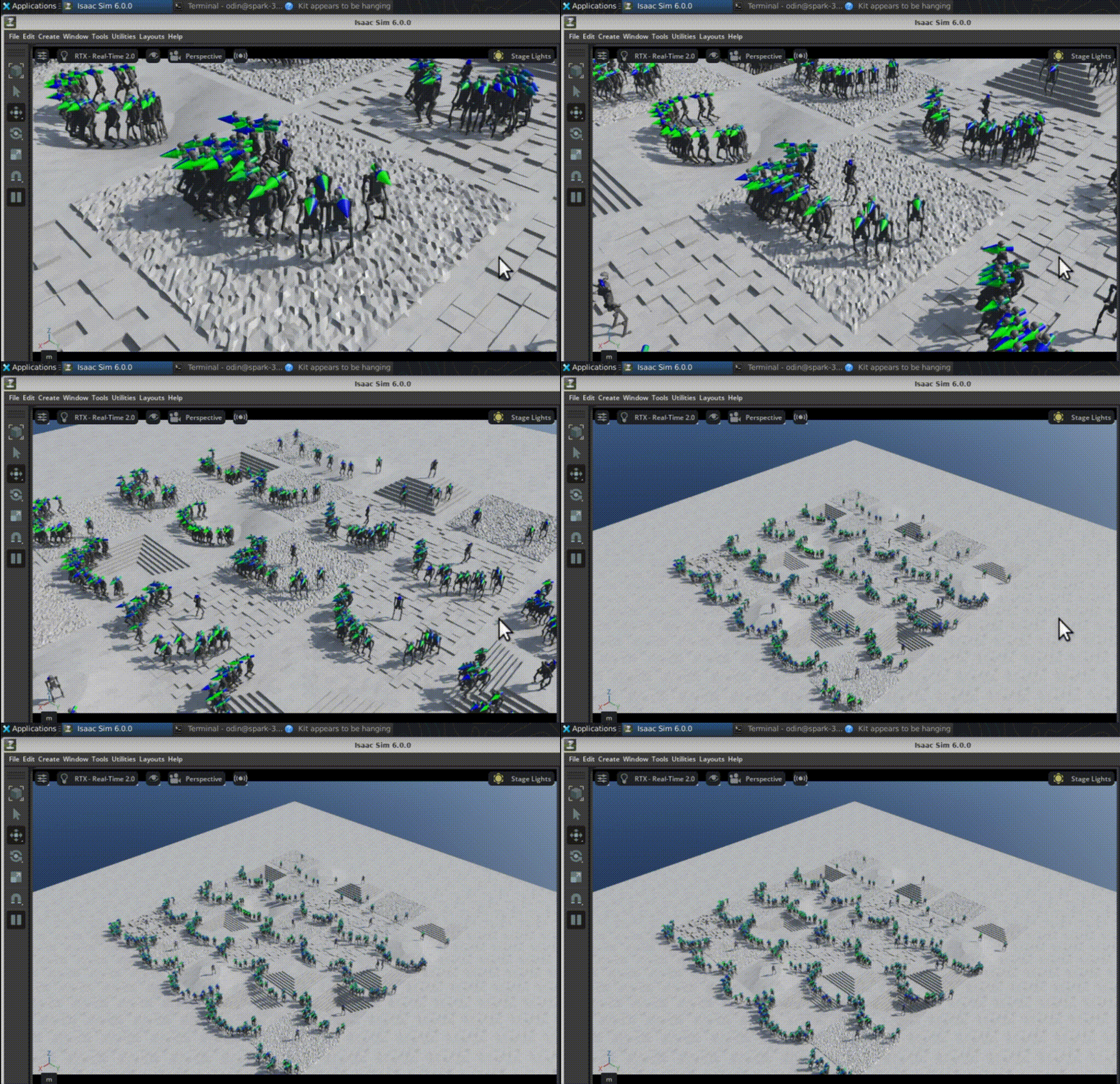
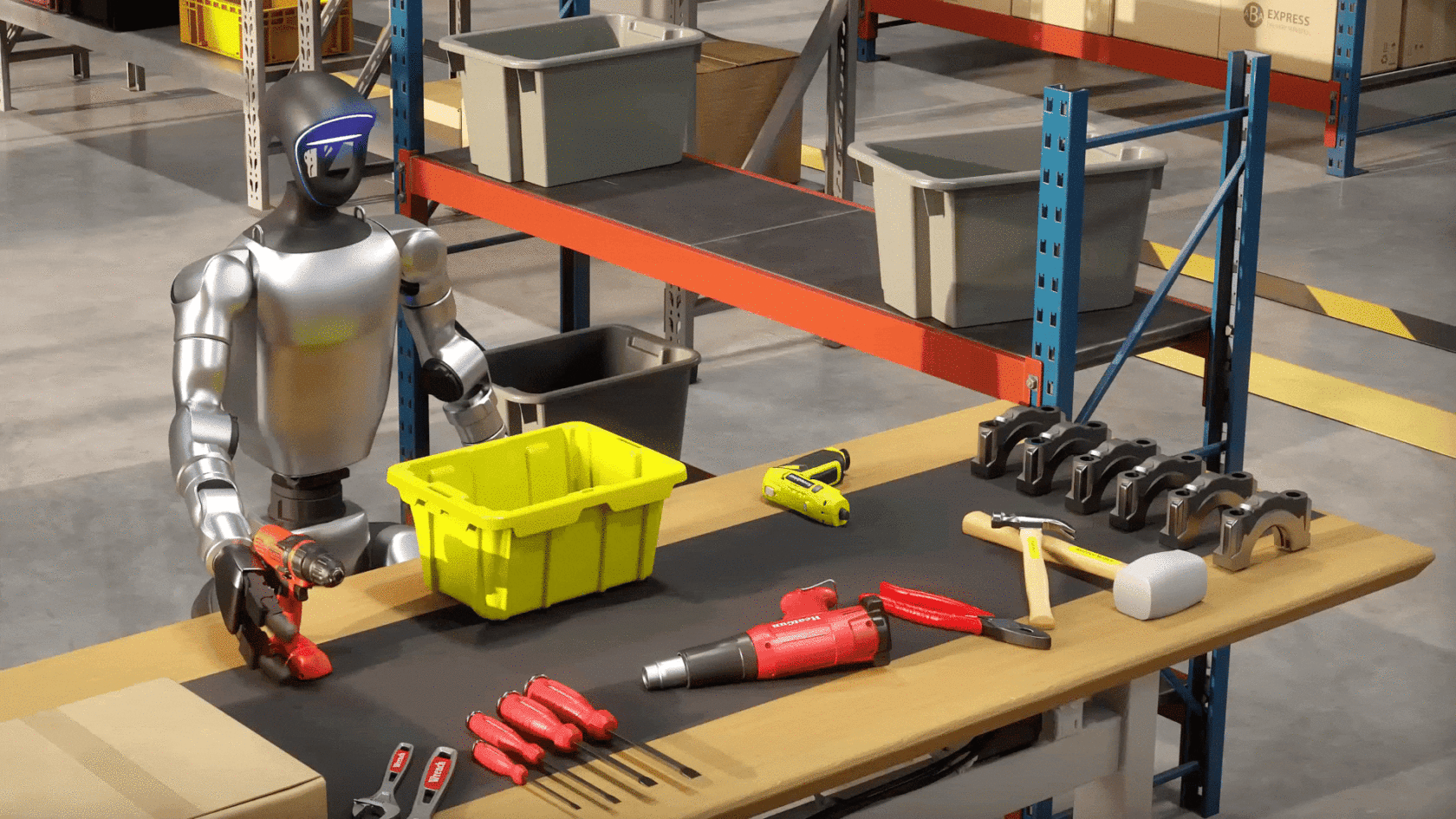
Forget GPU farms. NVIDIA's DGX Spark lets you build, simulate, and train humanoid robots right on one deskbound beast. Here's how it rewires robotics dev forever.
Everyone figured edge AI would live or die by NPUs and GPUs. Wrong. NXP's Arteris NoC expansion reveals the interconnect as the silent killer of performance — and the key to tomorrow's centralized brains.
National Robotics Week had us expecting more GPU sermons. Instead, NVIDIA drops physical AI bombshells — Isaac GR00T, Cosmos models, and sims that promise robots thinking and moving like pros. Hype machine in overdrive?
Intel just shelled out $14.2 billion to reclaim full control of its key Ireland fab. But why now, and what does it mean for the foundry wars?
One tweet. Zero fanfare. Intel dives into Musk's Terafab madness. But can a bailout baby deliver?
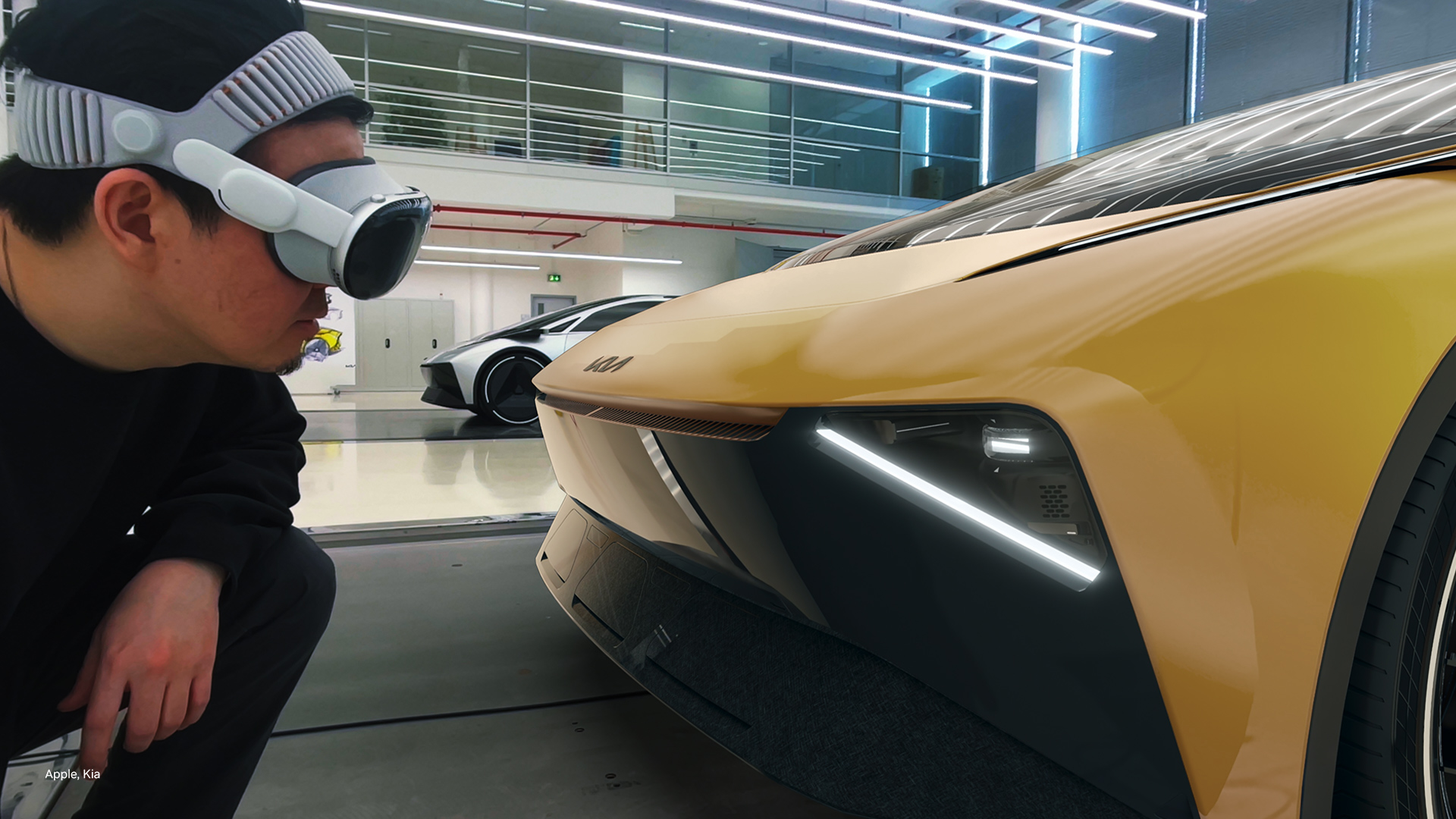
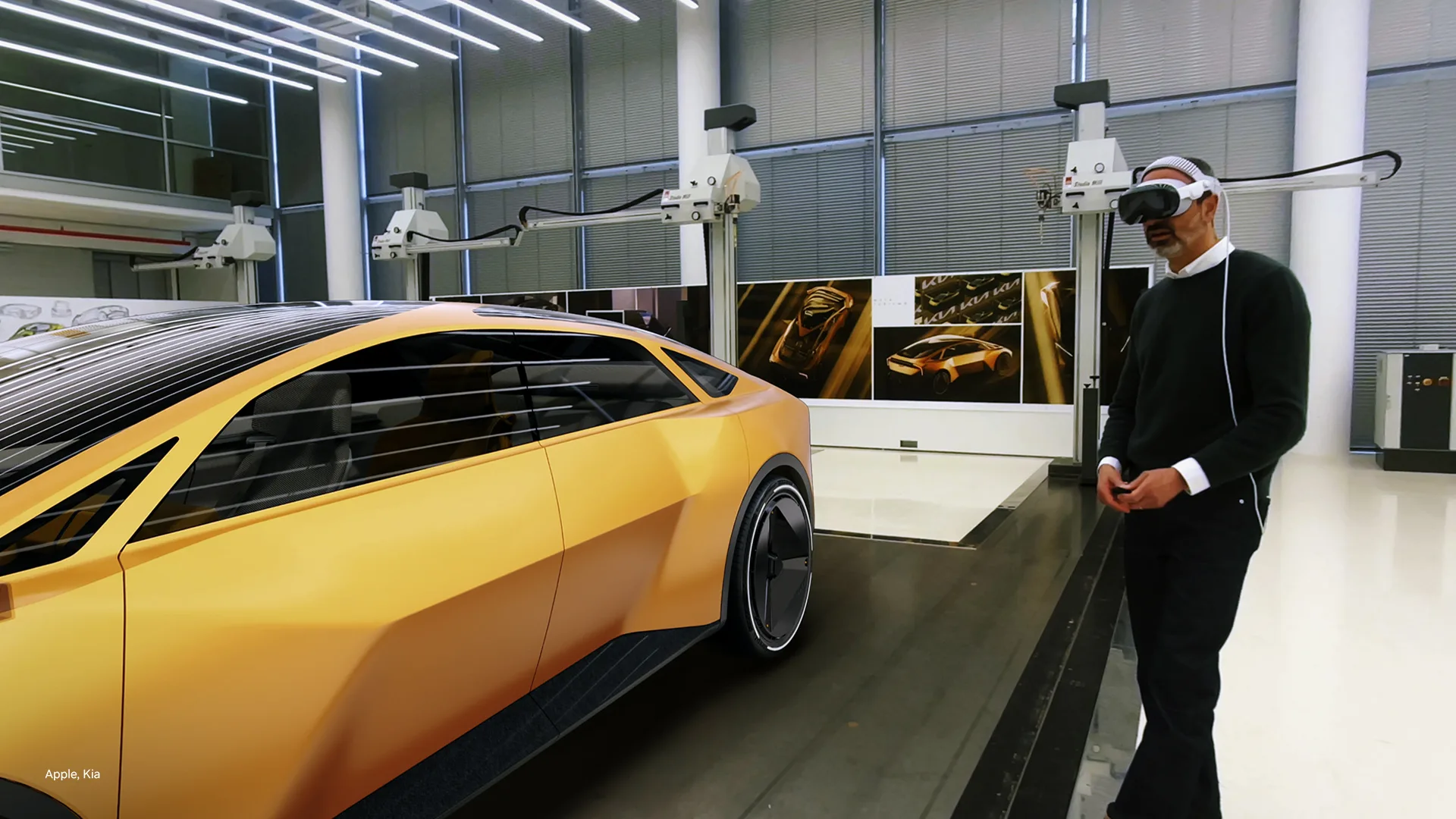
Imagine slipping on Apple Vision Pro and diving into a full-scale car design, powered by remote NVIDIA RTX beasts. No more watered-down models—this is spatial computing on steroids.
NVIDIA CloudXR 6.0 finally pipes RTX-powered XR to any headset, including Vision Pro. Skeptical? It's foveated magic over plain WiFi—but networks beware.
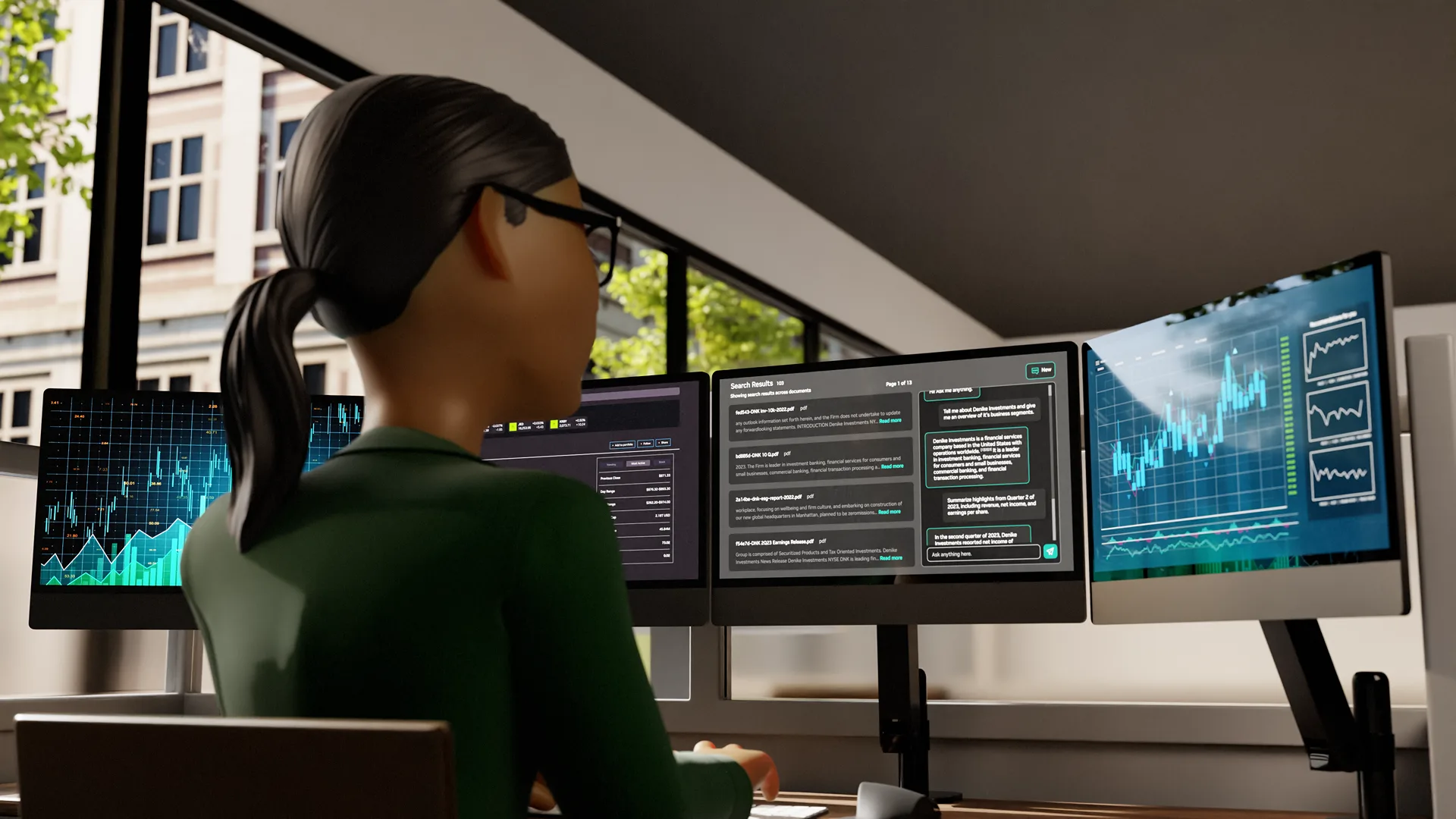
Picture this: market data hits, your algo spits out a prediction in under 10 microseconds. NVIDIA's GH200 just made that real on off-the-shelf GPUs – no FPGA required.
NVIDIA's platform just swept MLPerf Inference v6.0, claiming the lowest token costs ever. But after 20 years watching Valley hype, I'm asking: who's actually banking the profits here?
Synthetic data's just 20% of robot AI training today. By 2030? Gartner says 90%. NVIDIA's Isaac platform bets big on it, but after 20 years watching Valley hype, I've got questions.