A trade executes. Or fails. All in 4.7 microseconds.
That’s the blistering reality NVIDIA’s dropping on Wall Street with its GH200 Grace Hopper Superchip. We’re talking single-digit microsecond latency for deep neural network inference in algorithmic trading – the kind of speed that used to demand custom FPGAs or ASICs, not some general-purpose GPU.
Zoom out. High-frequency traders have worshipped at the altar of low-latency hardware for years. Markets move in nanoseconds; lose a tick, lose millions. Now NVIDIA, crammed into a Supermicro server, claims it’s matching – or beating – the specialists on the STAC-ML Tacana benchmark. Audited, even. Skeptical? Me too. But the numbers? They’re spicy.
Those Latency Numbers Will Make FPGA Fans Sweat
NVIDIA tested LSTM models – your bread-and-butter for time-series forecasting in finance. LSTM_A, the lightweight one: 4.70 microseconds at the 99th percentile with one model instance. Scale to eight? Still 4.67. Dead consistent.
LSTM_B? 7.10 us single, dipping to 6.88 with two instances. And the beast, LSTM_C: 15.80 us. All in FP16 on a single GH200. No jitter. No drama.
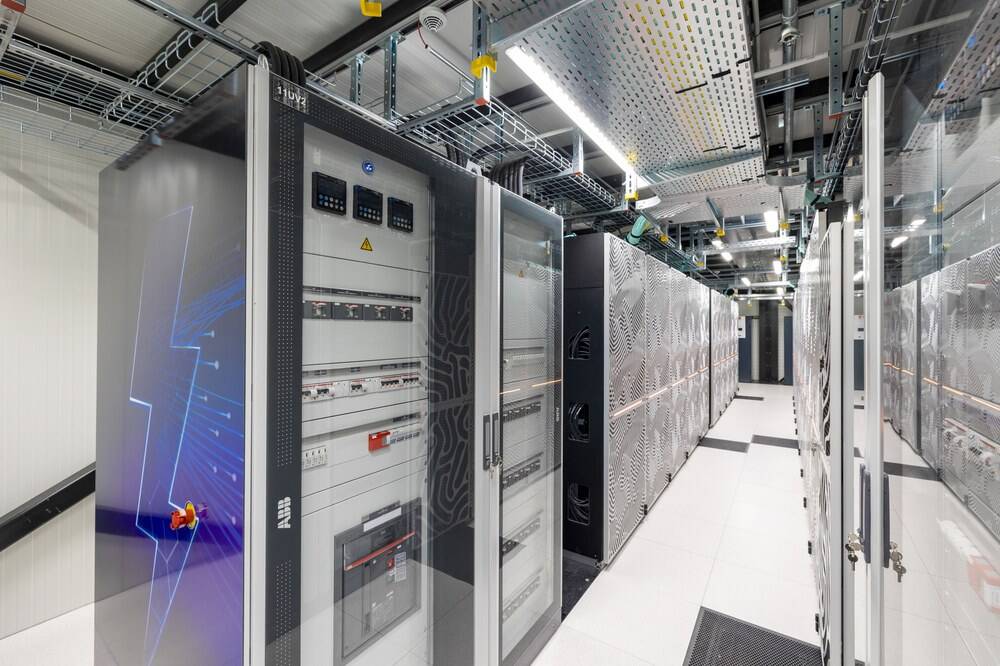
The NVIDIA GH200 Grace Hopper Superchip in the Supermicro ARS-111GL-NHR server has achieved single-digit microsecond latencies in the STAC-ML Markets (Inference) benchmark, Tacana suite (audited by STAC), providing performance comparable to or better than specialized hardware systems.
That’s straight from NVIDIA’s mouth. STAC-ML isn’t some lab toy; it’s practitioner-designed for co-lo data centers where microseconds are make-or-break for market making or hedging.
But here’s my unique jab at the PR spin: NVIDIA’s crowing like they’ve reinvented trading, yet they’re building on their own A100 wins from last year. Remember those? Solid, but not this low-latency. It’s iterative hype – repackaged as revolutionary. Reminds me of Intel’s NetBurst era: promise the moon on clock speeds, deliver heat and stalls. GPUs are finally shedding the ‘too slow for HFT’ label, but let’s not pretend this is magic. It’s clever refactoring: precompute sliding windows via GEMMs, green contexts for predictability.
Short para for punch: Impressive. Still.
Can GPUs Finally Dethrone FPGAs in Trading?
FPGAs ruled latency-sensitive trading because they’re programmable silicon – tweak gates for your exact algo, squeeze every cycle. GPUs? Massive parallelism, sure, but inference latency was their Achilles’ heel. Shared resources, context switches – poof, your microsecond dream dies.
Enter GH200. Grace CPU + Hopper GPU, NVLink glue. Arm-based, container-friendly, no recompiles needed. They optimized the stack: custom kernels, fixed GEMM bursts for LSTM recurrence. Result? Stability across model instances. That’s the secret sauce – predictability in chaos.
Recent FPGA subs hover around single-digit us too, but NVIDIA edges them on bigger models. Bold prediction: within two years, mid-tier hedge funds ditch FPGA dev costs for this. Why? Open-source reference impl and tutorial. No more $millions in ASIC spins.
And yeah, it’s audited by STAC. Those finance nerds don’t mess around.
Look, trading desks co-located inches from exchanges can’t afford latency tails. One 99th percentile spike? You’re frontrun. GH200’s flat lines scream reliability.
Why Does STAC-ML Matter More Than Your Average Benchmark?
STAC-ML simulates live market data. Sliding windows (Tacana) or fresh inputs (Sumaco). LSTM_A to C scale complexity 200x. Real workloads: price prediction, hedging.
Banks and funds use it to greenlight hardware. Objective? As objective gets. No vendor fluff.
NVIDIA’s post name-drops it heavily – fair play. But they gloss over tradeoffs. Power draw? Throughput caps? We need full suite scores.
One para wander: It’s Arm on Grace, which means broader OS support. Run your Linux bins untouched. That’s underrated for firms locked into x86 FPGA ecosystems.
Skepticism check: Is this production-ready? Single chip, yes. Scale to clusters? Jury’s out. But for edge trading, it’s a dagger to FPGA pricing.
The Open-Source Angle – Democratizing Speed?
NVIDIA didn’t stop at benchmarks. They dropped an open reference: tutorial, code. Fork it, tweak, deploy. That’s how you kill moats.
Historically, this echoes CUDA’s 2006 launch. GPUs went from graphics toys to HPC beasts. Now, low-latency inference joins the party. Firms without FPGA PhDs? Welcome.
Dry humor break: Finally, quants can afford GPUs without selling kidneys for Xilinx boards.
But call out the spin – ‘comparable or better than specialized hardware.’ Audited, sure. Yet FPGA makers will counter with power efficiency or determinism. Fight’s on.
🧬 Related Insights
- Read more: 782 GB Checkpoints Are Bankrupting LLM Training—nvCOMP Fixes It in 30 Lines
- Read more: Broadcom’s Tomahawk 6: 102.4 Tbps Beast Ships — But Who’s Really Cashing In?
Frequently Asked Questions
What is single-digit microsecond latency in trading?
It’s inference time under 10 us – from market data in, prediction out. Critical for HFT where milliseconds cost fortunes.
Does NVIDIA GH200 beat FPGAs in STAC-ML?
Matches or edges on Tacana for LSTMs. Consistent scaling. But check power, full workloads.
Can I run this on my own server?
Supermicro ARS-111GL-NHR + GH200. Open-source guide provided. Start small.