Everyone figured Nvidia’s $20 billion Groq acquihire was just another power grab — scoop up the hot inference tech, bolt it onto Blackwell or Rubin, dominate forever. Wrong.
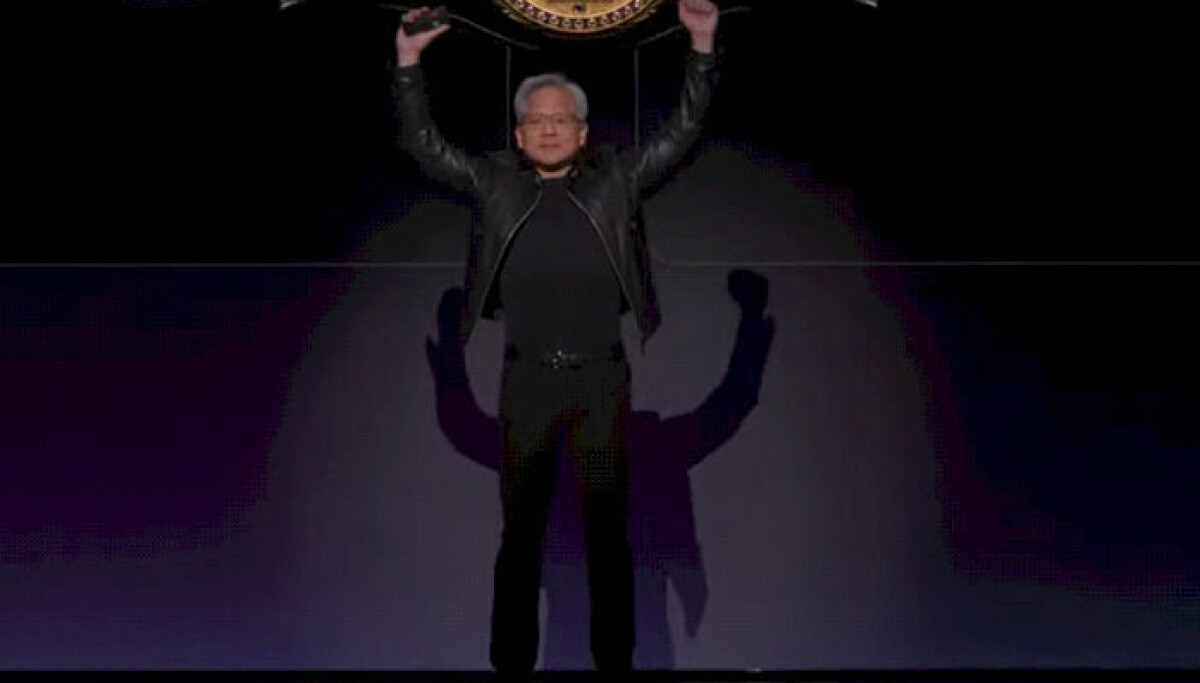
Jensen Huang just gut-punched those expectations at GTC 2026. No slow integration. They’re torching the Rubin CPX preview from last year. Straight-up replacing it with Groq’s LPU wizardry, cooked up with Samsung for LP30 chips hitting shelves by Q3. That’s not evolution. That’s a frantic pivot.
Look.
Nvidia’s GPU empire — thundering behemoths like the R200 — crushes batch jobs, pipelines inferences through HBM mountains, feeds hordes of users. Solid for training, decent for throughput. But latency? It’s a lumbering giant, huffing behind speed freaks like Groq’s LPUs.
Why Did Nvidia Fork Over $20 Billion for Groq?
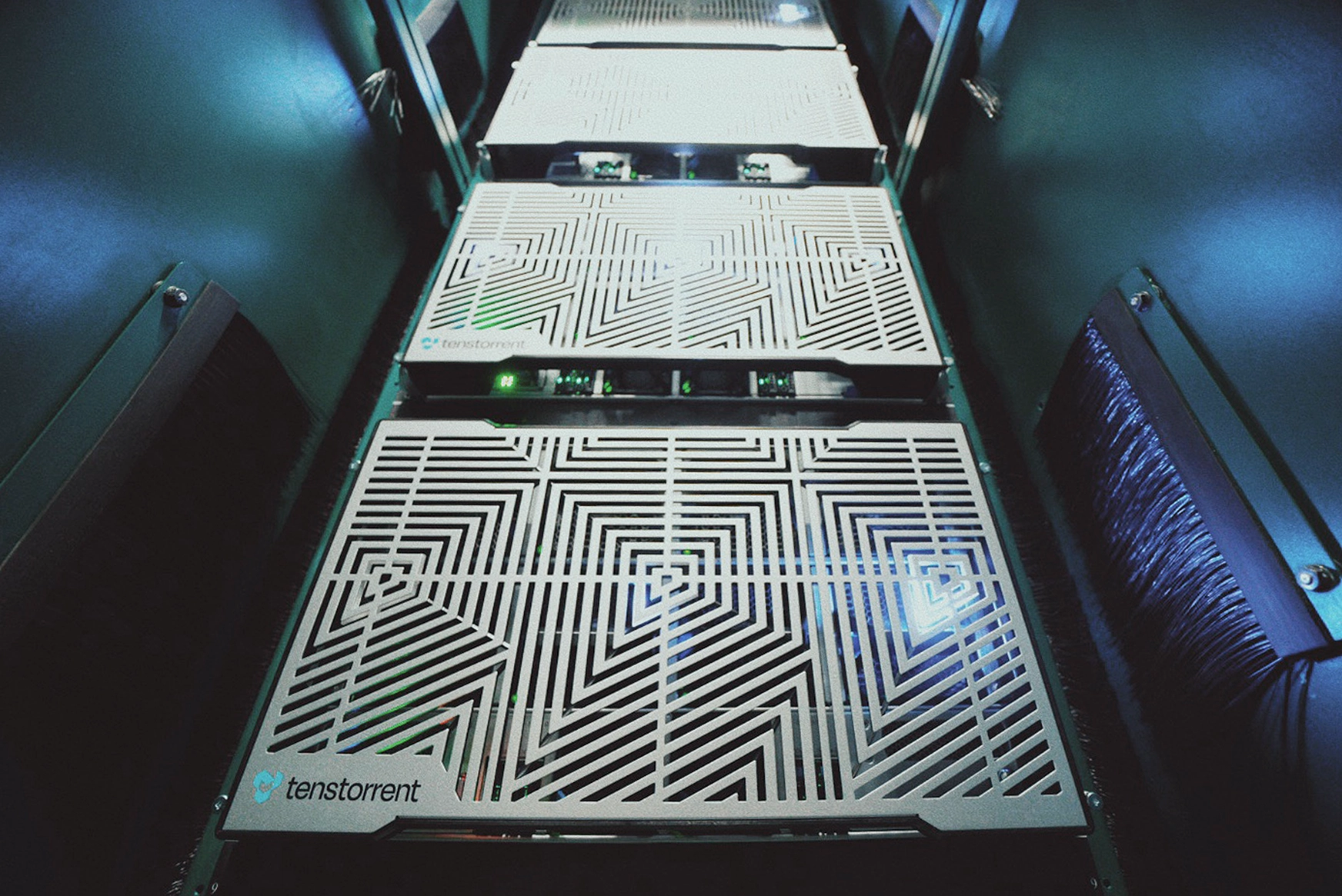
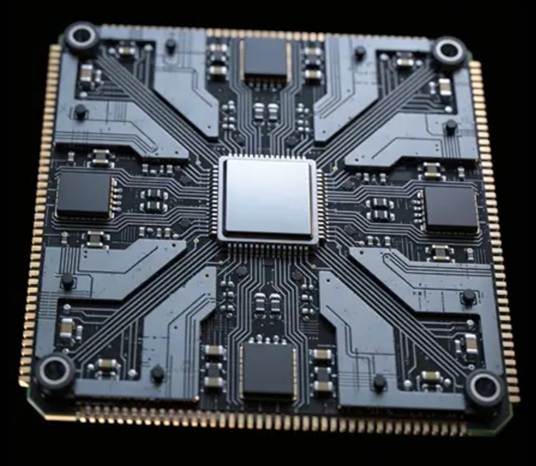
Groq wasn’t sitting pretty. Their statically scheduled tensor beasts — Language Processing Units, LPUs — chew tokens at warp speed for one user, maybe a handful. Distribute model weights across SRAM oceans, scale latency down as you stack racks. No dynamic scheduling drama. Just pure, deterministic zip.
Pirhanas in the water, that’s what the original story called the inference upstarts: Groq, Cerebras, SambaNova. Nvidia saw the chum — low-latency traction building — and had to moooooooove, antitrust be damned. Acquihire the team, license the IP. Absorb into Vera-Rubin (or Vera-Rubin-Groq, as it should be named). Huang pegs premium low-latency tokens at 25% of AI clusters. That’s not pocket change.
And here’s the kicker they won’t say out loud: GPUs are threshers. LPUs? Speed demons. Pair ‘em with Dynamo’s inference stack for that sweet Pareto curve — balance throughput and latency like a pro.
“We discovered a great idea,” Ian Buck, vice president of AI and HPC at Nvidia, said on a call ahead of GTC 2026 going over the systems announcements. “Integrating the LPU and LPX into our Rubin platform to optimize the decode. That’s where we’re focused right now, and we’re excited to be bringing that to market.”
“Discovered a great idea.” After dropping $20 billion. Sure, Ian. Smells like PR spin to mask the sweat.
Is Nvidia’s GPU Dominance Cracking?
Crunch the specs. R200 GPU: monster FP8 flops, HBM4 stacks costing a fortune on interposers. LP30 LPU: modest compute, SRAM focus, but inference latency that’s — poof — gone. Normalize to FP8, GPU’s 21X peakier. FP4 decode? 42X. Raw power? Nvidia wins.
But cost per token at interactive speeds? LPU might undercut. Complexity kills — HBM bills alone could flip the script. And as chatbots morph to agentic swarms — AIs yakking at light speed, reasoning through token tsunamis — batch thresher GPUs choke. You need Groq-style architectures everywhere.
Here’s my unique take, absent from the hype: this echoes Intel’s 2015 Altera FPGA buyout. x86 kingpin saw GPUs nibbling datacenter edges, grabbed reconfigurable logic to fight back. Didn’t save ‘em. Nvidia’s playing catch-up now — admitting specialized inference silicon trumps generalist GPUs long-term. Bold prediction: by 2028, 40% of inference racks hybrid LPU-GPU. Pure GPU clusters? Museum pieces.
Short version: Nvidia’s throne wobbles. They’re buying time, not eternity.
How Does Groq’s LPU Actually Stack Up?
R200 beside Alan-3 LP30 — Huang’s keynote photo-op screamed complementarity. GPU batches, pipelines, serves masses. LPU: one-user focus, weight distribution magic, latency plummets with scale.
Full stack matters: host DRAM, flash, bandwidth. But SRAM edge shines for decode-heavy loads. Groq’s ex-Googler Jonathan Ross built this post-TPU exodus — fully scheduled, programmable tensors. GenAI renamed ‘em LPUs. Architecture? Unchanged, battle-tested.
Samsung fabs LP30 this year. Nvidia’s not wasting cycles — rivals like Cerebras (wafer-scale behemoths) and SambaNova (SRAM bandwidth kings) swarm. Dozens more upstarts. Fat cow in the Amazon river? Time to swim faster.
Critique the spin: Huang stacks chips like toys, talks 25% low-latency mix. Cute. But antitrust dodged via acquihire? Regulators sniffing yet? This $20B smells desperate.
But wait — Rubin CPX? That GDDR7 cheapskate variant from September 2025? Dead on arrival. LPU integration rules. Vera-Rubin-Groq platform launches. Balanced inference, finally.
Why Does This Matter for AI Inference Wars?
Agentic era looms. Humans to bots: slow pokes. AI-to-AI? Hyperspeed tasks, mega-tokens, reasoning marathons. TPUs, Trainiums need inference variants too. Groq-style determinism wins.
Nvidia’s move? Validates rebels. Not conquest — symbiosis. GPU limits exposed: high-latency tax on HBM opulence. Cost-per-token reality check incoming.
Dry humor aside: Jensen’s not dumb. He saw the mooooooooment. But $20B admission? GPUs peaked. Hybrids rule. Upstarts rejoice — validation jackpot.
One-paragraph rant: If you’re betting farm on Nvidia stock forever, blink. Inference splintering architectures faster than training consolidated on GPUs. Historical parallel? GPUs ate CPUs in HPC. Now LPUs nibble GPUs in inference. Cycle spins.
🧬 Related Insights
- Read more: Chips Are Cooking Themselves—Time for Thermal Metrology to Catch Up
- Read more: Decentralized Training: AI’s Energy Fix or Fancy Distraction?
Frequently Asked Questions
What was Nvidia’s $20 billion Groq deal?
Nvidia acquihired Groq’s dev team and licensed LPU tech for AI inference — not a full buyout to dodge antitrust. Integrated into Rubin platform, scrapping CPX for low-latency speed.
Does Groq’s LPU beat Nvidia GPUs?
Not overall — GPUs crush throughput. But LPUs slash latency for interactive use, potentially cheaper per token. Hybrids win big.
When do Groq LP30 chips launch?
Second half 2026, likely Q3, via Samsung. Part of Vera-Rubin-Groq systems.