Chip industry week in review hits like a caffeine jolt: what we all expected was a steady grind toward AI dominance, maybe some consolidation after last year’s frenzy. Nope. Intel’s suddenly everywhere, from Musk’s fever-dream compute factories to Google’s custom silicon dreams, while Taiwan scrambles to hoard helium like it’s 1973 all over again.
And the numbers? Semiconductor revenue blasting to $1.3 trillion this year, up 64%. That’s not hype—Gartner’s call, memory leading the charge.
Here’s the thing.
Intel’s Terafab Tango with Musk—What Gives?
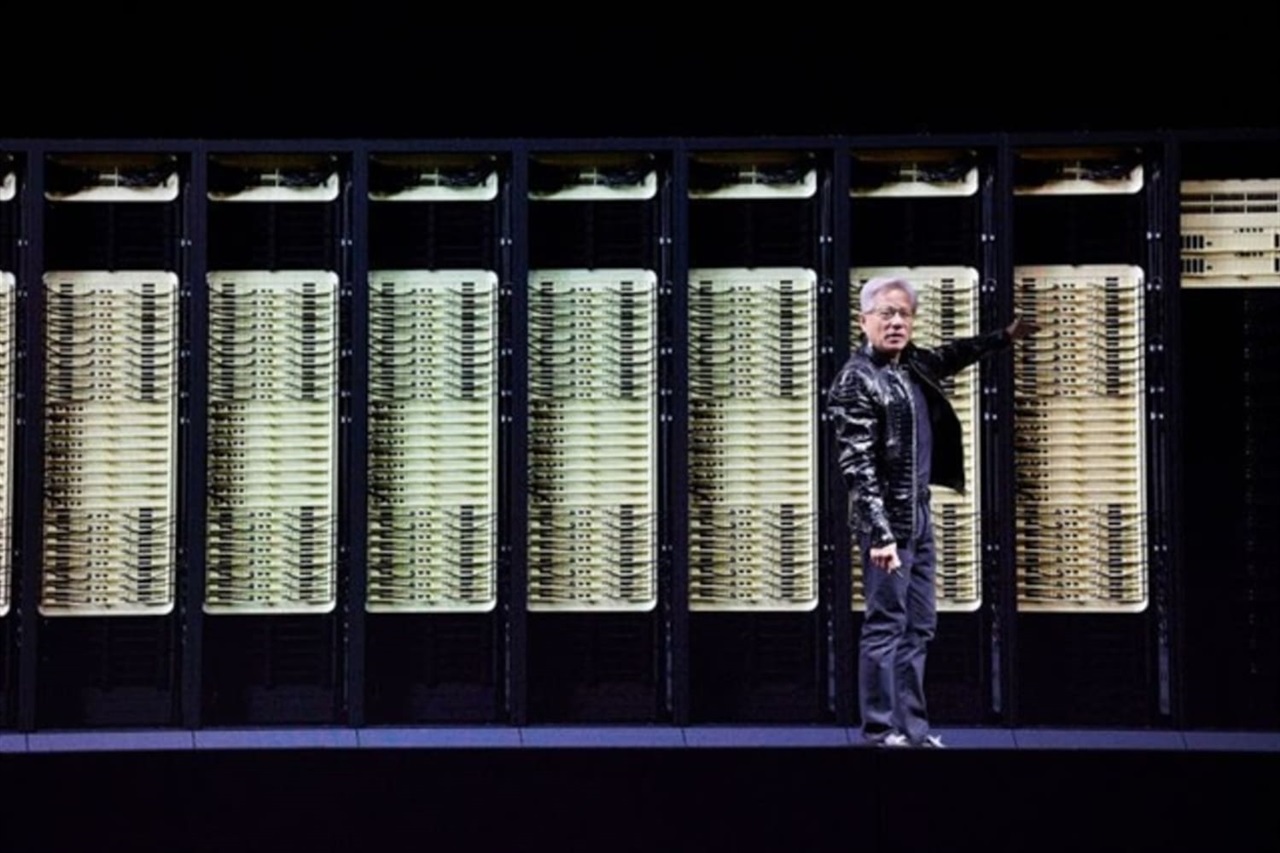
Picture this: Elon Musk corrals Tesla, SpaceX, xAI, and now Intel for Terafab, a project gunning for 1 terawatt-year of AI and robotics compute. Intel’s not just along for the ride; they’re refactoring silicon fab tech itself. Everyone thought Intel was playing catch-up in foundry wars—TSMC’s shadow looming. This? It’s Intel betting big on hyperscale AI fabs, the kind that could churn out exaflops like candy.
But why now? Musk’s crew needs volume at warp speed, and Intel’s got the U.S.-centric muscle amid export jitters. Changes everything—suddenly, Intel’s not yesterday’s news; it’s the fab whisperer for the AI barons.
Everyone’s whispering about dependencies. Broadcom steps in for Google’s future TPUs and networking guts, while Anthropic, Google, Broadcom ink gigawatts of TPU capacity by 2027, U.S.-heavy. Intel and Google? Doubling down on Xeon for cloud, co-crafting ASIC IPUs.
It’s a web. Intel-SambaNova for agentic AI inference, mixing GPUs and RDUs. Partnerships everywhere—feels less like competition, more like an AI cartel forming under the radar.
Why Is Taiwan Hoarding Helium and Gas?
Taiwan’s Semiconductor Industry Association isn’t messing around. They’re begging the government: stockpile IC raw materials—helium, liquified natural gas—thanks to Middle East flare-ups. Reopen nuclear plants, too. South Korea’s AI highway dreams? Same energy crunch risk, startups hit hardest without big-fab buffers.
Look, helium’s no joke for chip fabs—litho tools guzzle it. This echoes the 2011 helium shortage that idled lines worldwide. My take: it’s not just geopolitics; it’s the architectural shift to power-hungry AI fabs exposing the industry’s Achilles’ heel. We’ve built a compute empire on fossil fuels and rare gases—now wars pinch the hose. Bold prediction: expect fab relos to stable grids, maybe more nuclear bets by 2026.
China’s poaching Taiwan talent doesn’t help. Or Samsung’s new packaging site. It’s scramble time.
Worldwide semiconductor revenue will blast through the $1 trillion ceiling this year, rising 64% to $1.3 trillion and marking the industry’s strongest growth in more than two decades, according to Gartner.
That Gartner line lands like a mic drop. Memory’s the rocket fuel—DRAM prices surging on capacity crunches, sub-4Gb leading.
SEMI pegs 2025 IC equipment billings at $135B, up 15%, test gear exploding 55%. Europe’s EMS? Down 3% revenue, 4% jobs—autos tanking it in Germany, France.
Thinnest GaN Chiplet: Intel’s Power Play
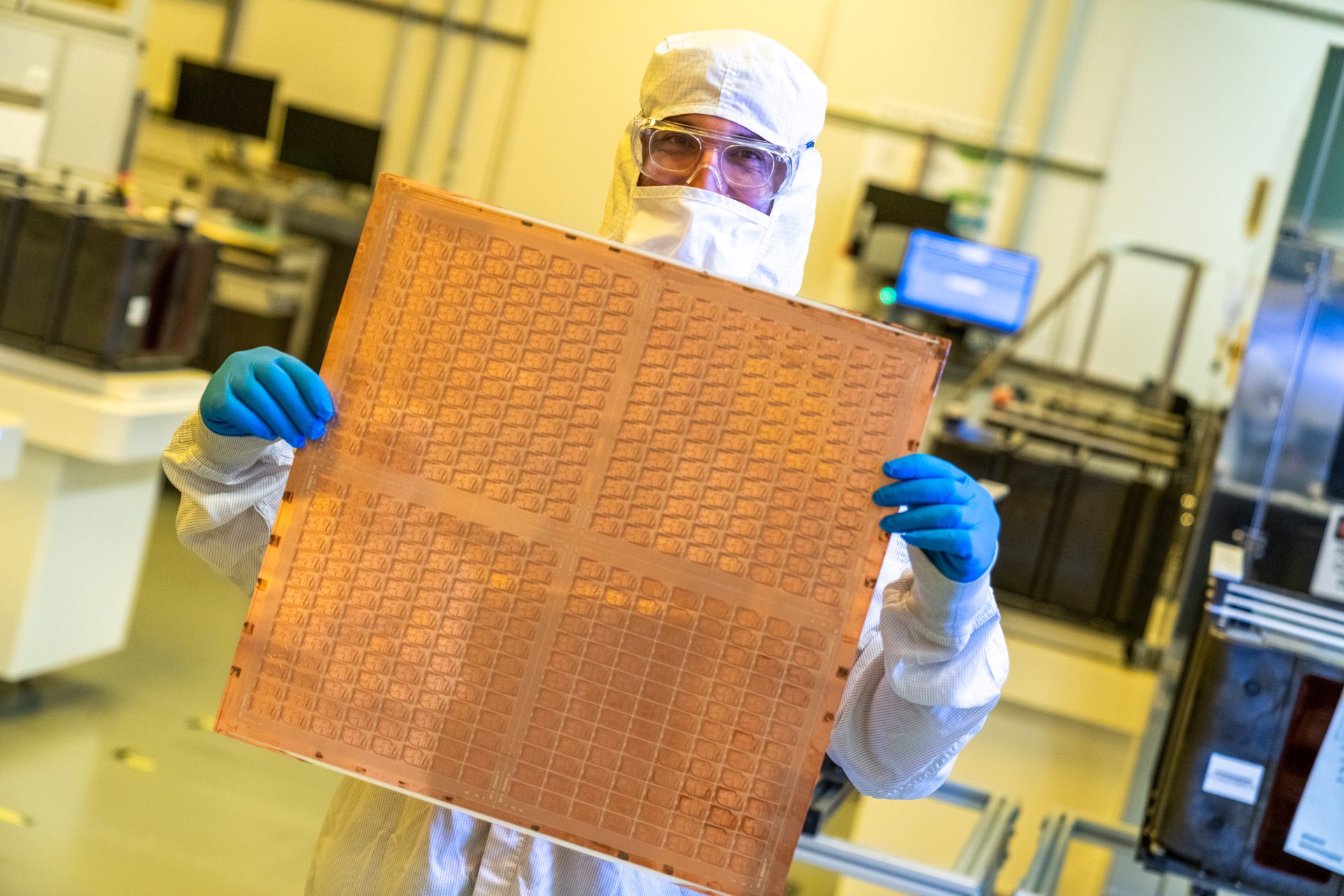
Intel Foundry’s flexing with the world’s thinnest GaN chiplet—19μm silicon base on 300mm GaN-on-Si wafer. Cross-section shows GaN power transistors cozying up to silicon logic, same wafer.
Why care? Chiplets are the future—disaggregated dies for mix-and-match. GaN amps efficiency for power delivery, RF. Everyone expected incremental power tech; this crams high-volt GaN into standard silicon flows. Architectural gold: heterogeneous integration without exotic processes.
Bruker’s AFM-IR at imec? Sub-5nm label-free chem analysis for nano-materials. New edge designs, hydrogen BMWs (quirky), Japanese auto woes—fringe but telling.
Funding Frenzy and Odd Alliances
SK hynix drops cash on Semidynamics for memory-centric AI inference—busting the memory wall. Q-Factor’s $24M from Intel Capital for million-qubit quantum. Everspin-Microchip for U.S. MRAM ramp. Codasip dumps low-end RISC-V to a U.S. public semi giant, pivots to cyber-resilient SoCs.
CEA-Leti with Powerchip, PSMC: RISC-V, microLED photonics, 3D stacking for optical chiplet links. Bandwidth choke? Solved with light.
Bureau Veritas buying Lotusworks for fab QA. OCP’s fund for open hardware. It’s a startup surge amid big growth.
But here’s my unique spin—corporate PR’s spinning this as smoothly synergy, yet it’s desperation masked as destiny. Intel’s everywhere because they’re fighting irrelevance; supply pleas scream fragility. Historical parallel: 1980s Japanese semi dominance crumbled on energy shocks and talent wars. Don’t sleep on it.
Europe’s Chip Skills Push—Too Little?
SEMI’s European Chips Skills Academy drops free online training, collab tools, job board. Noble. But with EMS revenues sliding, autos hurting—will it stem the brain drain?
🧬 Related Insights
- Read more: ULTRARAM’s AI Synapse Gambit: Hype or Hardware Holy Grail?
- Read more: Intel’s Q1 2026 Earnings Call: Another Chapter in the Chip Giant’s Slow Burn
Frequently Asked Questions
What’s the semiconductor revenue forecast for 2025?
Gartner says $1.3 trillion, up 64%—memory driving it hard.
Why is Taiwan stockpiling helium?
Middle East conflicts threaten IC raw materials; fabs need it for lithography.
What’s Intel’s role in Musk’s Terafab?
Refactoring silicon fab tech for 1 TW/year AI compute production.