Applied Materials' EPIC Center: $5B Gamble for AI Chip Speed
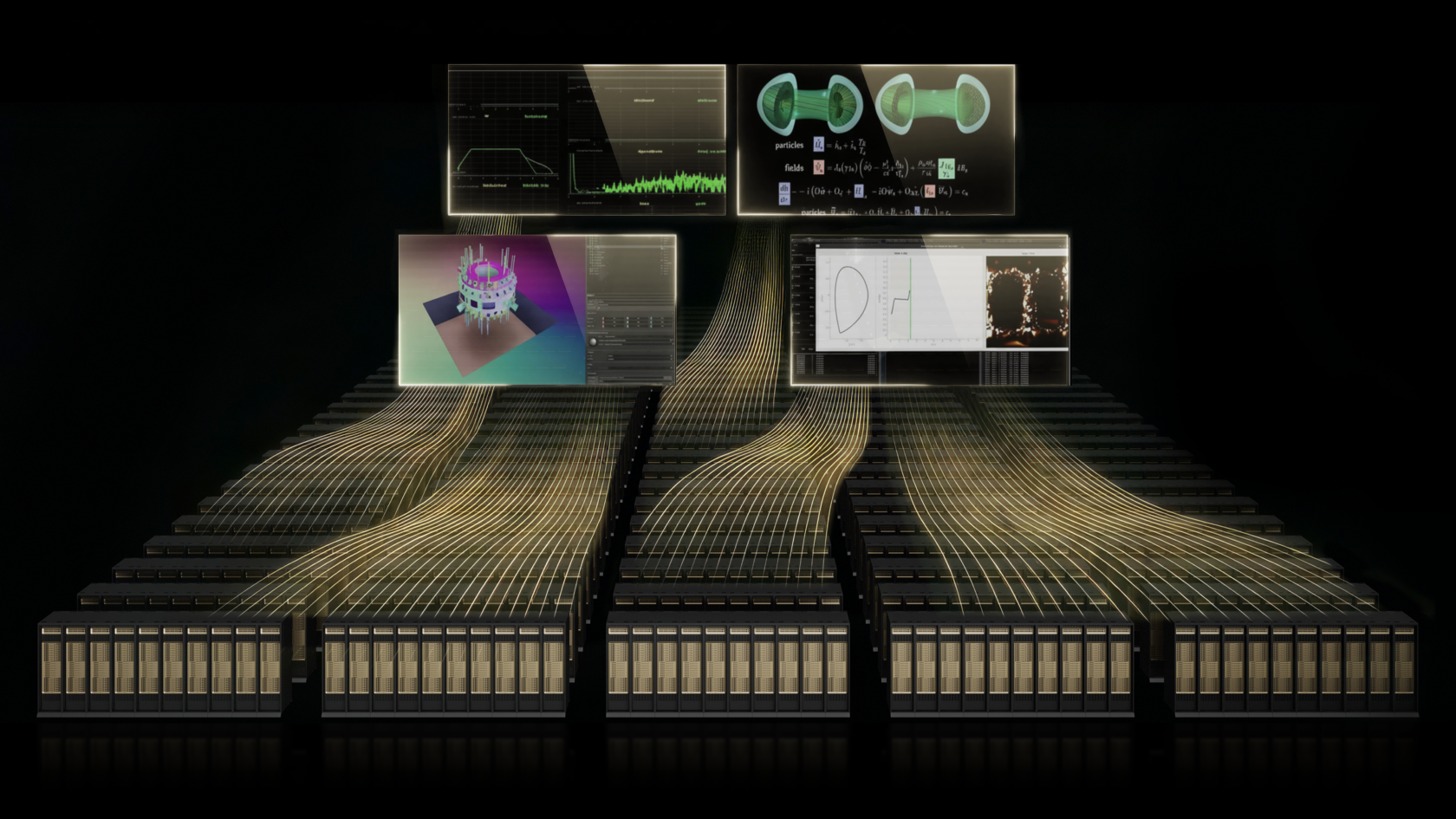
The race for AI performance is bottlenecked by data movement and energy consumption. Applied Materials thinks it has the answer, and it's costing $5 billion.
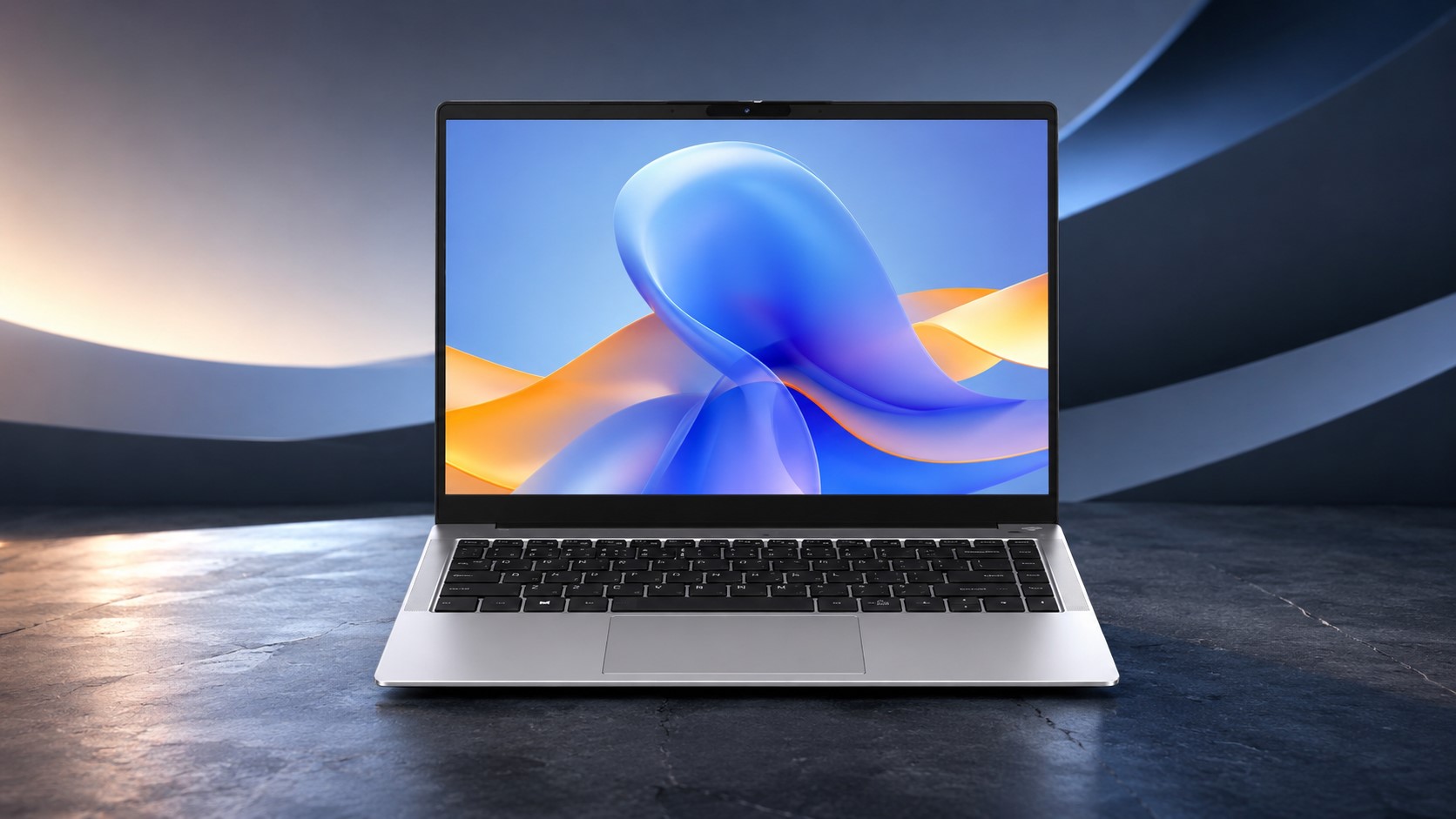
Xiaomi's ambition to carve out its silicon niche is clear, backed by a colossal $28 billion R&D investment over five years. The question is, can the XRING series actually challenge the giants?
The race for AI performance is bottlenecked by data movement and energy consumption. Applied Materials thinks it has the answer, and it's costing $5 billion.
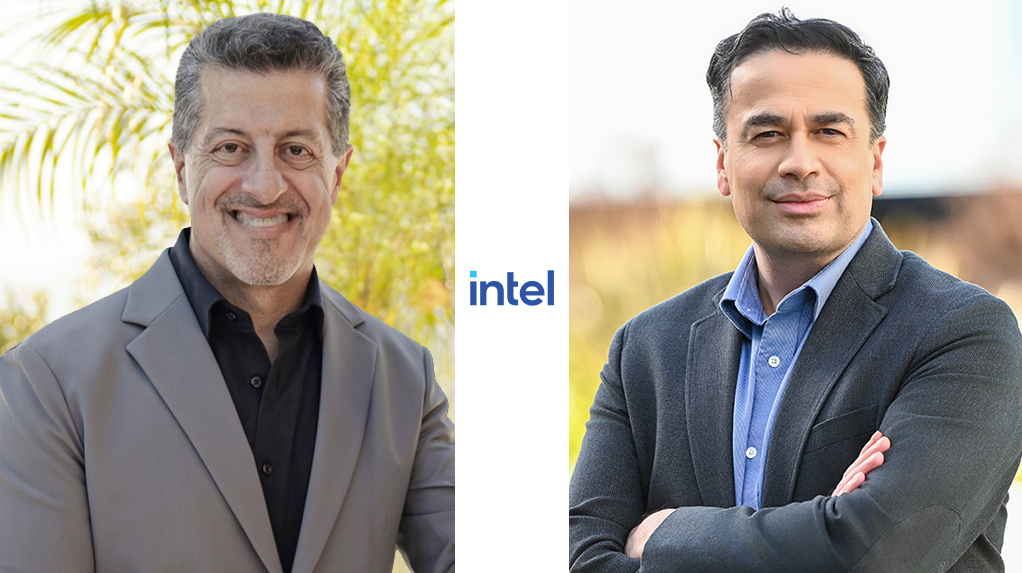
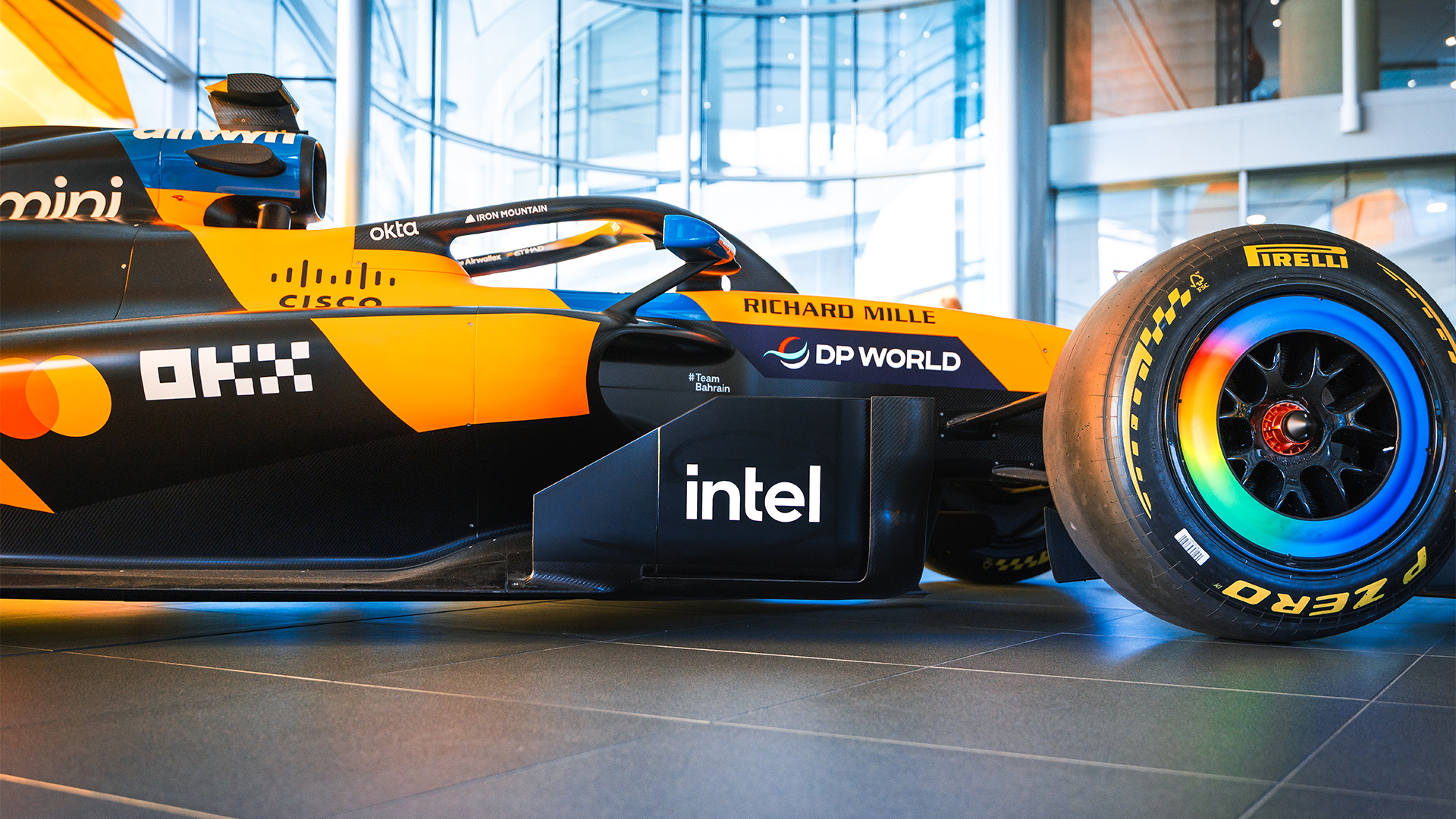
The roar of engines just got an Intel processor upgrade. McLaren Racing and Intel are teaming up, a move that signals a deeper integration of silicon prowess into the brutal world of motorsport.
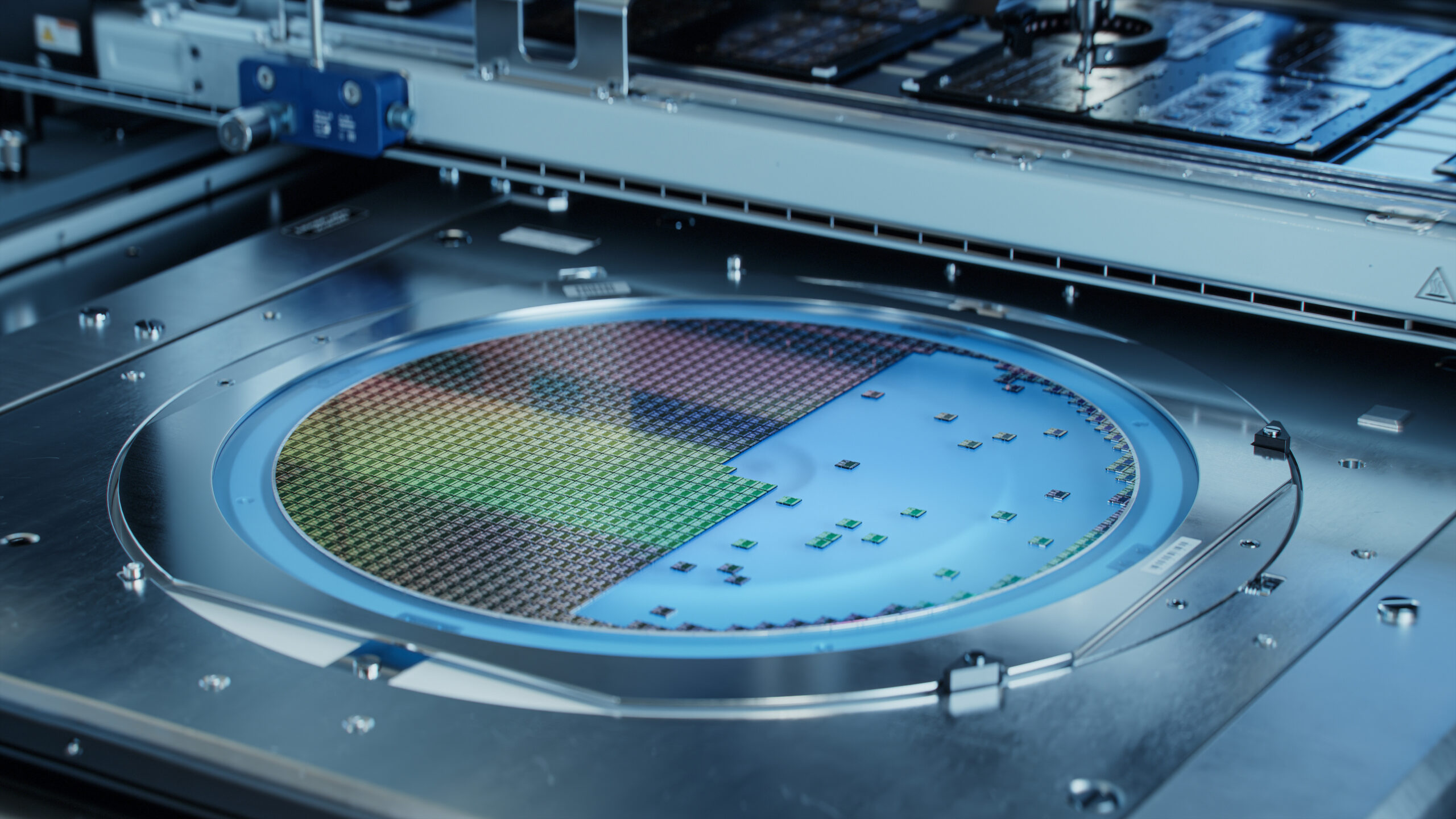
The AI chip boom isn't just about manufacturing; it's creating record demand for the less-glamorous but equally critical world of semiconductor testing. MPI Corporation is riding this wave, posting unprecedented growth.
Your AI morning briefing for May 14, 2026 — the top stories you need to know.
Silicon Valley's latest gold rush—AI—is turning into a supply chain nightmare. Demand for chips and memory is so high, prices are exploding, and orders are getting canceled.
Forget the GPU frenzy for a moment. Agentic AI is quietly breathing new life into the humble CPU, and the semiconductor supply chain is starting to show it.
Google's Gemini integration into Android signals a seismic shift. But for China, the AI revolution is a decidedly local affair.
Samsung's planned union strike is sending shockwaves through the memory market, even before the first picket line forms. Shenzhen's electronics hub is already seeing significant price jumps as buyers brace for disruption.
Tencent's expensive GPUs are only paying for themselves when churning out personalized ads. That's the blunt admission, and it says everything about the real-world economics of AI.
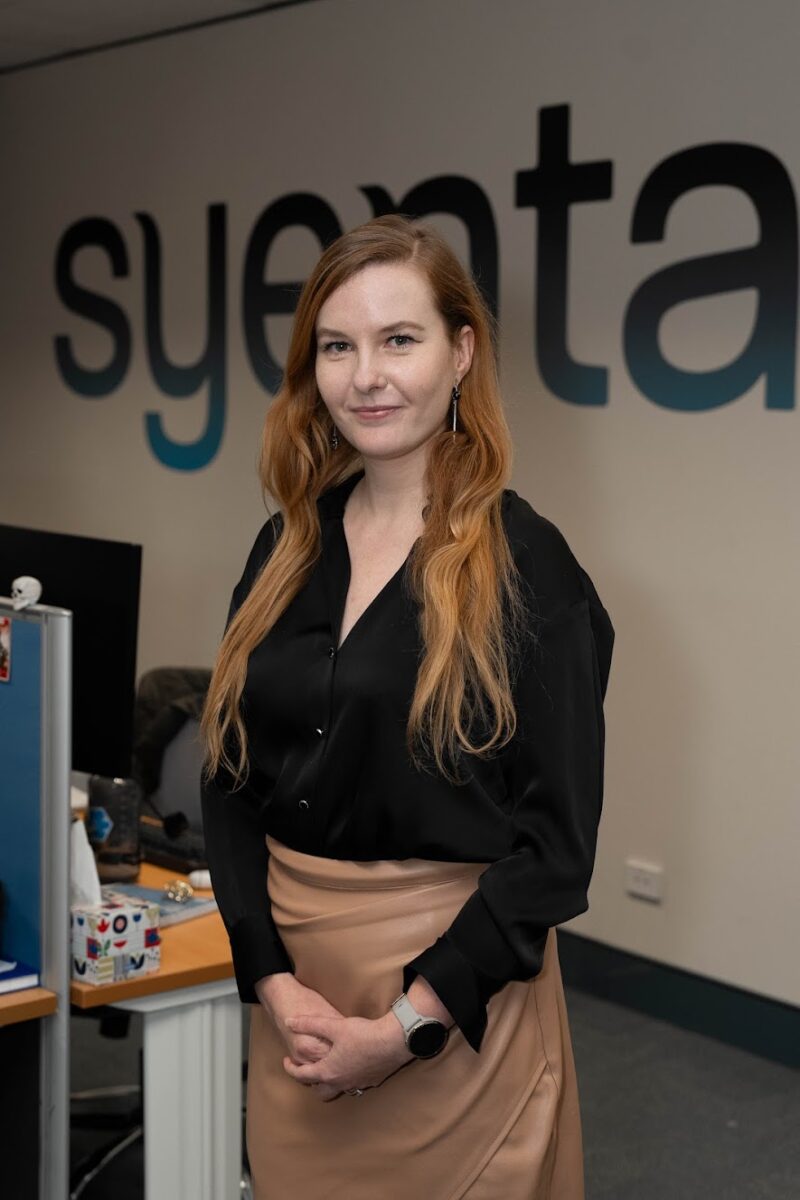
The explosive growth of AI is running headlong into a fundamental problem: how do all those specialized chips talk to each other efficiently? Syenta, an Australian deep-tech startup, believes its proprietary manufacturing process holds the key.
Forget raw AI capability; the real bottleneck is now time. Fractile just raised $220 million on the audacious premise that the future of AI hinges on radically faster inference hardware.
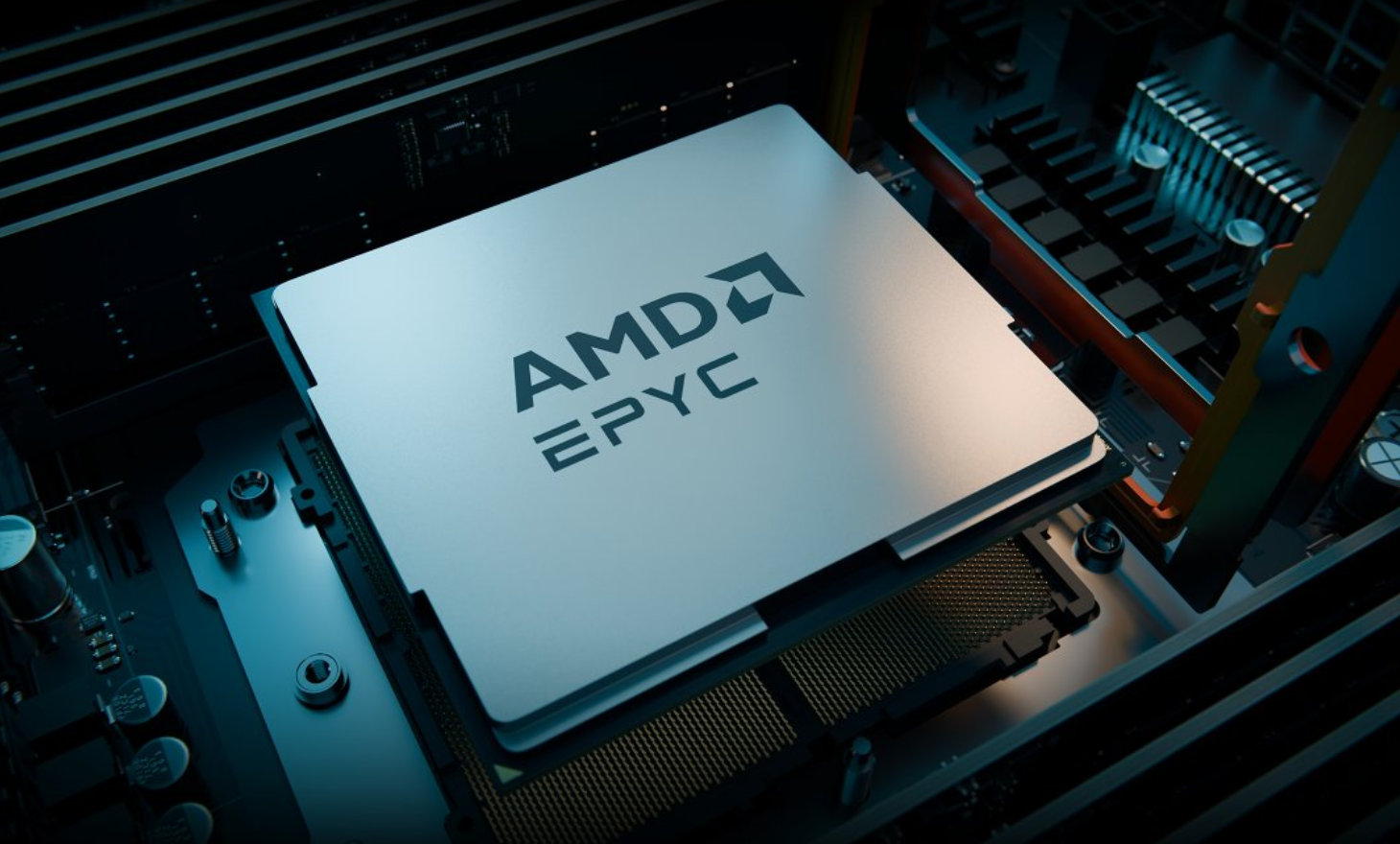
AMD's EPYC processors are no longer just contenders; they're outright champions in the server space, snatching a massive 46.2% revenue share in Q1 2026. This isn't just a blip; it's a seismic shift reshaping the CPU landscape.