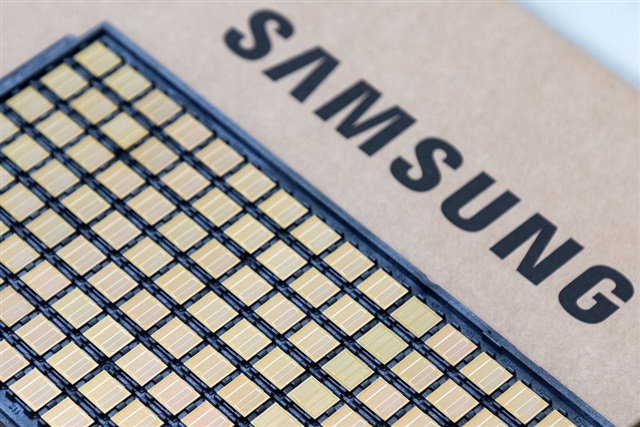
Strike fears ignite.
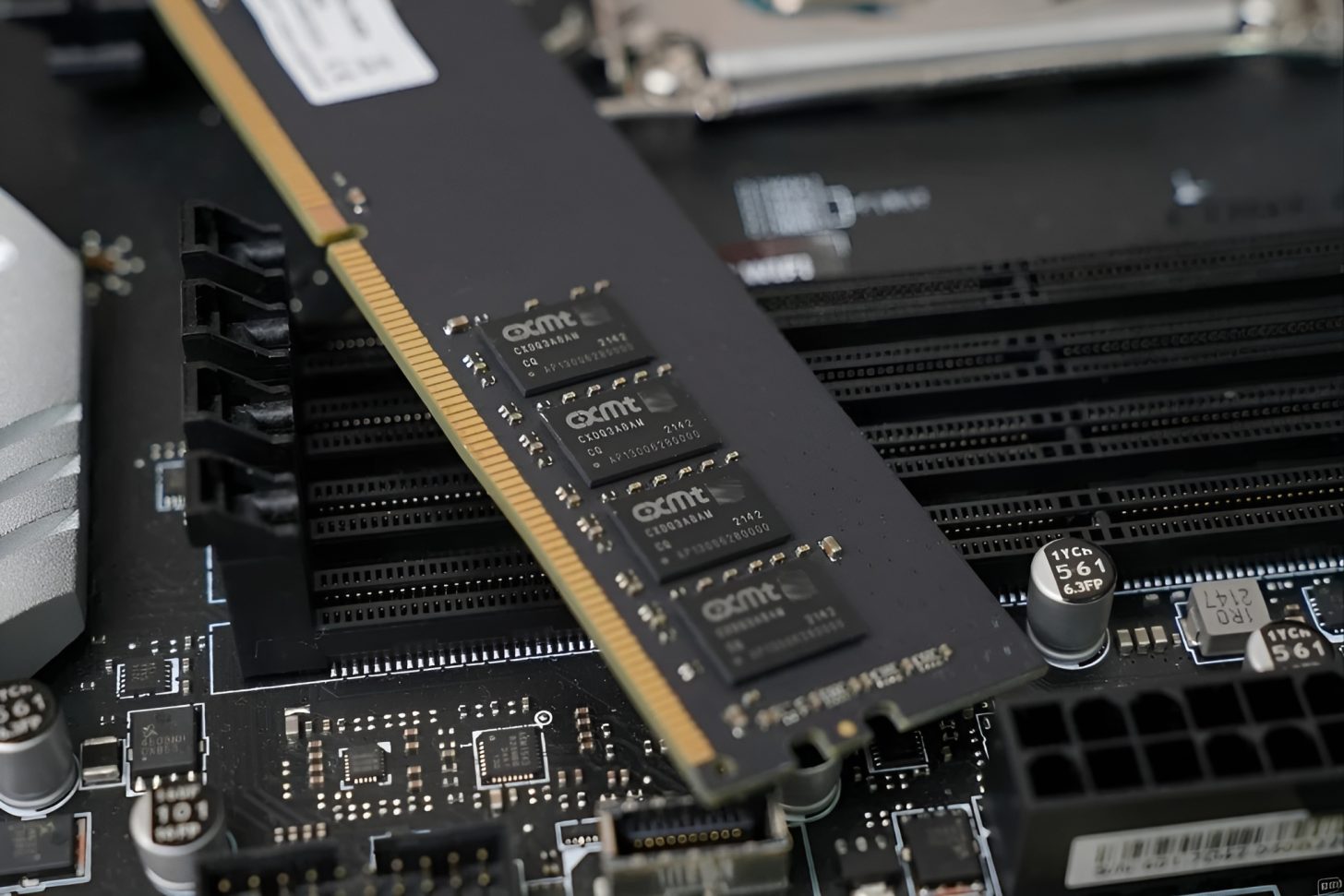
It’s a classic prelude to industrial action: talks break down, intentions are declared, and the market, perpetually jittery, reacts. Samsung’s union, representing a colossal 41,000 — and potentially more than 50,000 — workers, has seen negotiations with management collapse. The demand? A hefty 15 percent slice of the company’s annual operating profit, which translates to roughly $30 billion in bonuses. The proposed strike, set to run from May 21 to June 07, a mere 18 days, has already pushed the price of a standard 8GB DDR4 module up by a startling 20 percent in Shenzhen’s Huaqiangbei electronics market within a single week. This isn’t some distant theoretical impact; this is real-time market response to anticipated scarcity.
The Shenzhen Bellwether
Shenzhen’s Huaqiangbei market, often cited as the world’s largest electronics bazaar, acts as a real-time barometer for global component sentiment. When prices surge there, it’s not just a local phenomenon; it’s an early indicator of broader supply chain pressures. The 20 percent jump in 8GB DDR4 modules, confirmed by the China Flash Market (CFM), paints a stark picture. This isn’t a gradual creep; it’s a sharp spike, directly correlating with the breakdown of Samsung’s labor talks. The market is pricing in the disruption before it even happens, a proof to Samsung’s outsized role in the global memory ecosystem. Even seemingly stable NAND flash prices have found a floor, halting their recent declines for products like 1Tb QLC, 1Tb TLC, and 512Gb TLC — another ripple effect of the impending labor dispute.
Beyond DDR4: DDR5 and the NAND Stabilisation
It’s not just the older DDR4 standard feeling the heat. The price of a 64GB DDR5 RDIMM has climbed 11 percent month-over-month, reaching $1,350. This suggests that the potential supply crunch isn’t confined to a single memory tier but extends across Samsung’s product portfolio. The stabilization of NAND flash prices, while perhaps less dramatic than the DDR4 spike, is equally significant. For months, the memory market has been navigating a period of oversupply and falling prices. The threat of a major supplier like Samsung grinding to a halt acts as an immediate brake on that downward slide, potentially ushering in a new price reality sooner than anyone expected.
The Architecture of Interdependence
What this situation underscores is the sheer, almost terrifying, interdependence of the modern semiconductor industry. Samsung isn’t just another chipmaker; it’s a linchpin. Its production lines churn out the memory that underpins everything from your smartphone to enterprise servers. An 18-day strike, followed by a projected 36-day recovery period, could mean operational losses north of $20 billion for Samsung alone. But the real fallout? It’s for the global ecosystem that relies on a steady flow of Samsung’s components. This isn’t just about labor negotiations; it’s about the fragility of a supply chain that has, for too long, operated on the assumption of uninterrupted production. We’ve seen this play out before, of course — remember the early days of the pandemic and the scramble for everything from GPUs to PS5s? This feels like a rerun, albeit one where the cast is already on the brink of walking off stage.
A Historical Echo or a New Dawn for Labor?
This labor dispute isn’t merely an economic event; it’s a potential inflection point. For years, the narrative around semiconductor manufacturing has been dominated by technological advancement, geopolitical maneuvering, and wafer fab capacities. Labor, while always a factor, has often been relegated to the background noise. However, the sheer scale of Samsung’s unionized workforce and their ambitious demands — a demand that, if met, would represent a significant shift in profit-sharing for manufacturing labor — could signal a broader trend. We’ve seen similar labor actions gain traction in other high-tech manufacturing sectors, and the chip industry, with its astronomical profits and critical global importance, is ripe for such rebalancing. This strike, successful or not, might just be the harbinger of a new era where worker demands carry more weight in the boardroom.
When Chaos Becomes the New Normal
The immediate impact is clear: price inflation and market volatility. But the longer-term implications are worth contemplating. If such disruptions become more frequent, or if major players like Samsung are forced to concede to substantial wage or bonus increases, how will that alter the fundamental economics of chip manufacturing? Will these costs be passed on, further exacerbating inflation for consumers and businesses alike? Or will it force a rethink of automation, labor models, or even geographic diversification of production? The breakdown of talks on Wednesday wasn’t just the end of a negotiation session; it was the ignition point for a potential cascade of market shifts that could redefine component costs for months, if not years, to come.
🧬 Related Insights
- Read more: Newegg’s $1,625 Ryzen 9800X3D Bundle: Flagship Mobo and DDR5 RAM Steal or Overkill?
- Read more: NVIDIA’s Batch VC-6 Fix: 85% Faster Decodes, But Pipelines Still Limp?
Frequently Asked Questions
What is the primary reason for the price increase in memory modules?
The primary reason is the impending strike by Samsung’s unionized workers. The anticipated disruption to production has led to a surge in spot prices as buyers rush to secure inventory before potential shortages develop.
Will the Samsung strike affect the availability of other electronic components?
While the immediate impact is on memory (DRAM and NAND flash), a prolonged or widespread strike at Samsung could indirectly affect the availability and price of other components that rely on their memory chips, potentially leading to broader supply chain issues.
How long is the Samsung strike expected to last?
The planned strike is scheduled to begin on May 21 and last for 18 days, concluding on June 07. However, the full recovery of operations is expected to take longer.