Synopsys & TSMC: AI Design Alliance Deepens
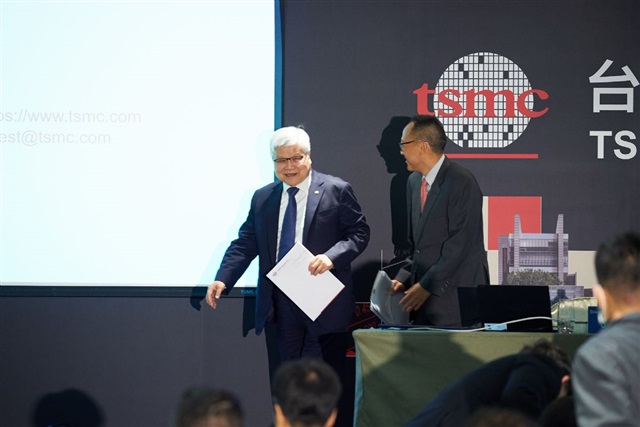
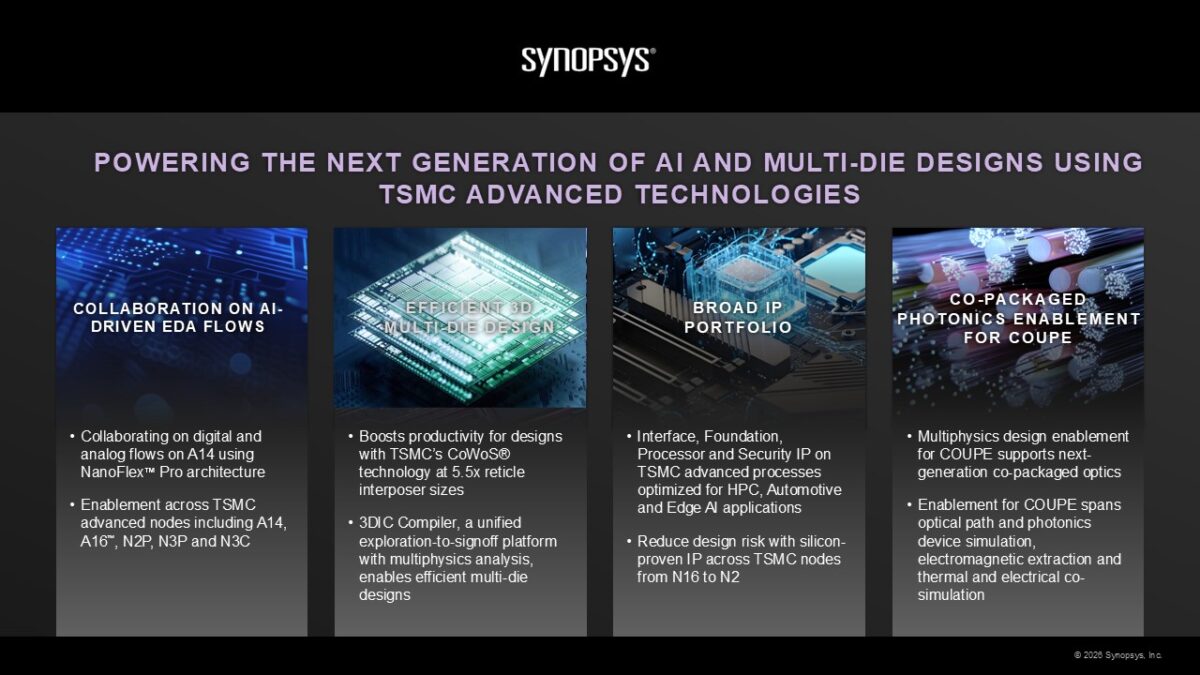
Synopsys and TSMC are doubling down on their AI design partnership. The expanded collaboration signals a shift toward ecosystem-level innovation for next-gen AI hardware.
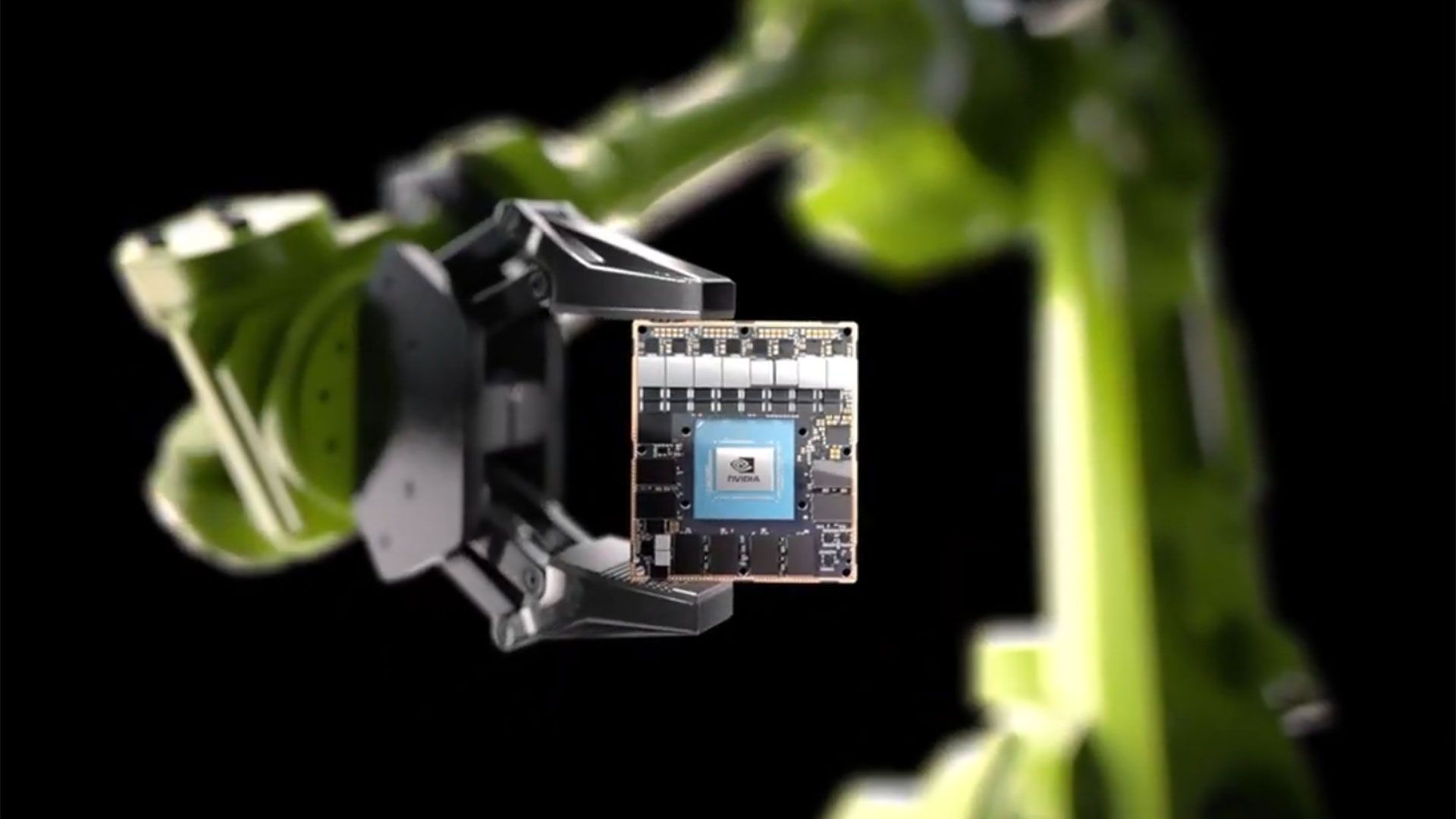
Nvidia's dependence on Asian manufacturing has skyrocketed to 90% of its production costs, a stark increase that raises critical questions about supply chain resilience and future product development.
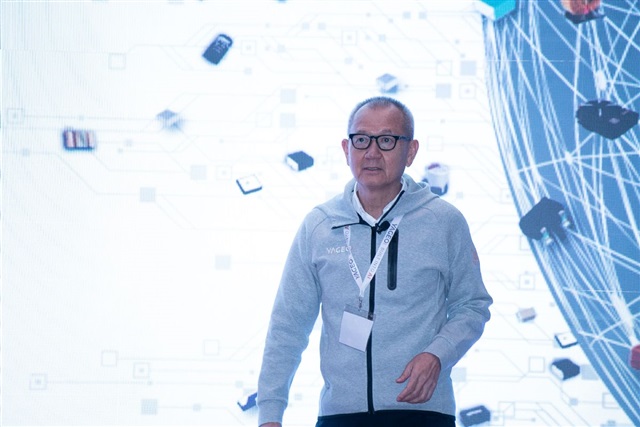
Everyone's chasing the AI chip. But what about the little guys holding it all together? Yageo Chairman Pierre Chen says the AI gold rush is lifting demand for passive components, too. Apparently, your fancy AI brain needs resistors and capacitors.
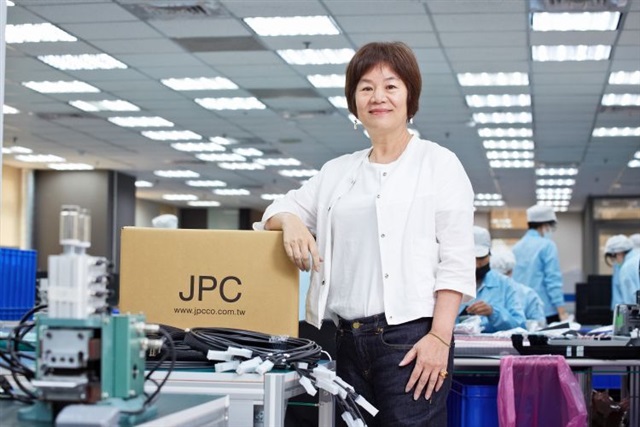
As AI furnaces roar, the humble power cable is becoming the new frontier for silicon supremacy. Taiwan's JPC Connectivity just claimed a significant victory in this wattage war, securing a coveted No. 2 spot in Nvidia's stringent power cable certification program.
Forget the whispers of a downturn. China's memory makers are roaring back, fueled by an AI-induced supply crunch that's sending prices through the roof. This isn't just recovery; it's a seismic market reset.
Your LLM might be getting a speed boost, but don't expect it overnight. New research proposes a smarter way to stack computer chips, potentially slashing the time it takes for AI to generate text.
AI hardware demand is exploding, yet the world's reliance on Taiwan's manufacturing prowess only deepens. Forget diversification; the foundry remains king.
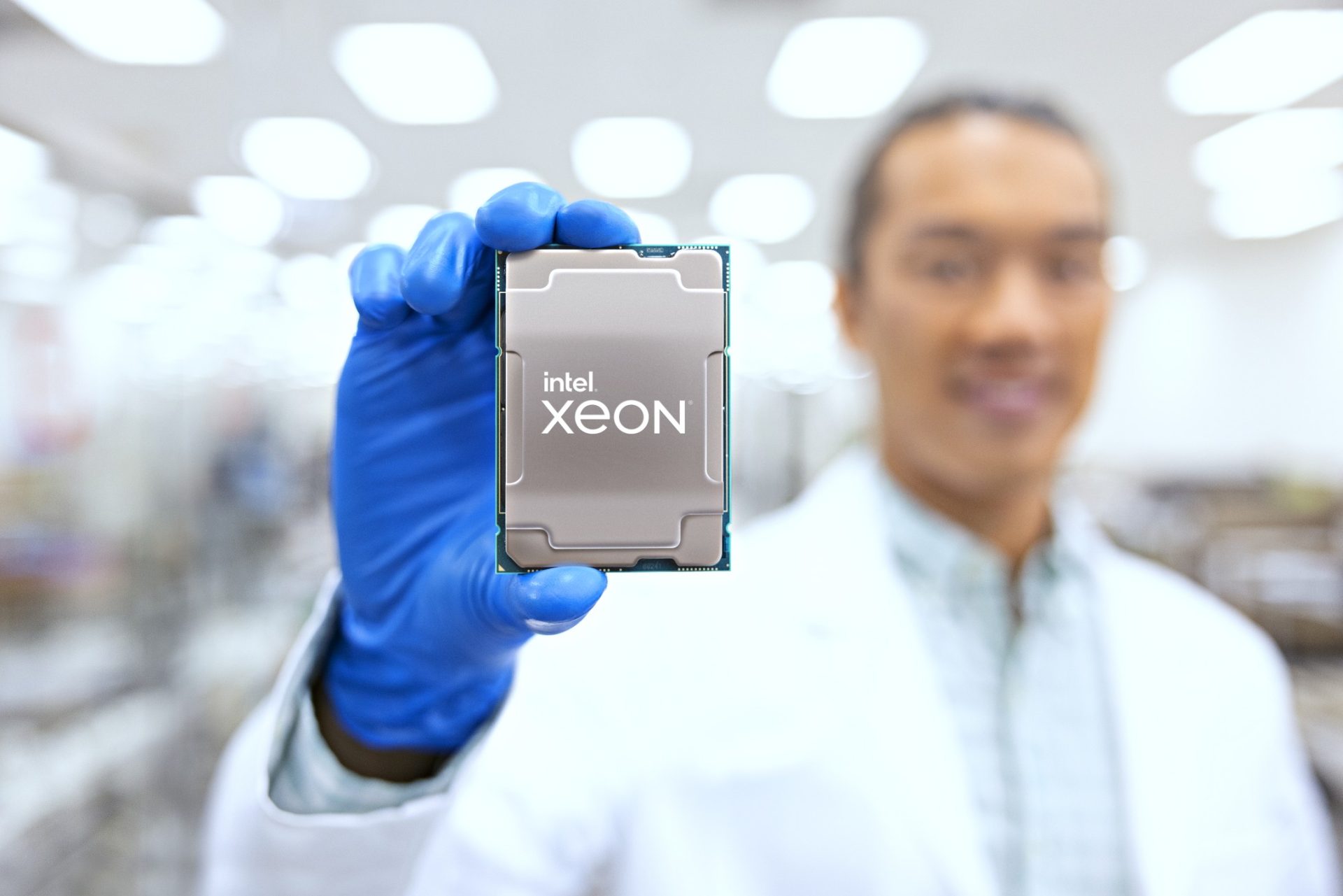
Intel's ambitious Diamond Rapids Xeon, promising a colossal 512 cores, has been pushed back to 2027. Meanwhile, the subsequent Coral Rapids generation is slated for 2028, signaling a return of SMT and a strategic pivot towards AI workloads.
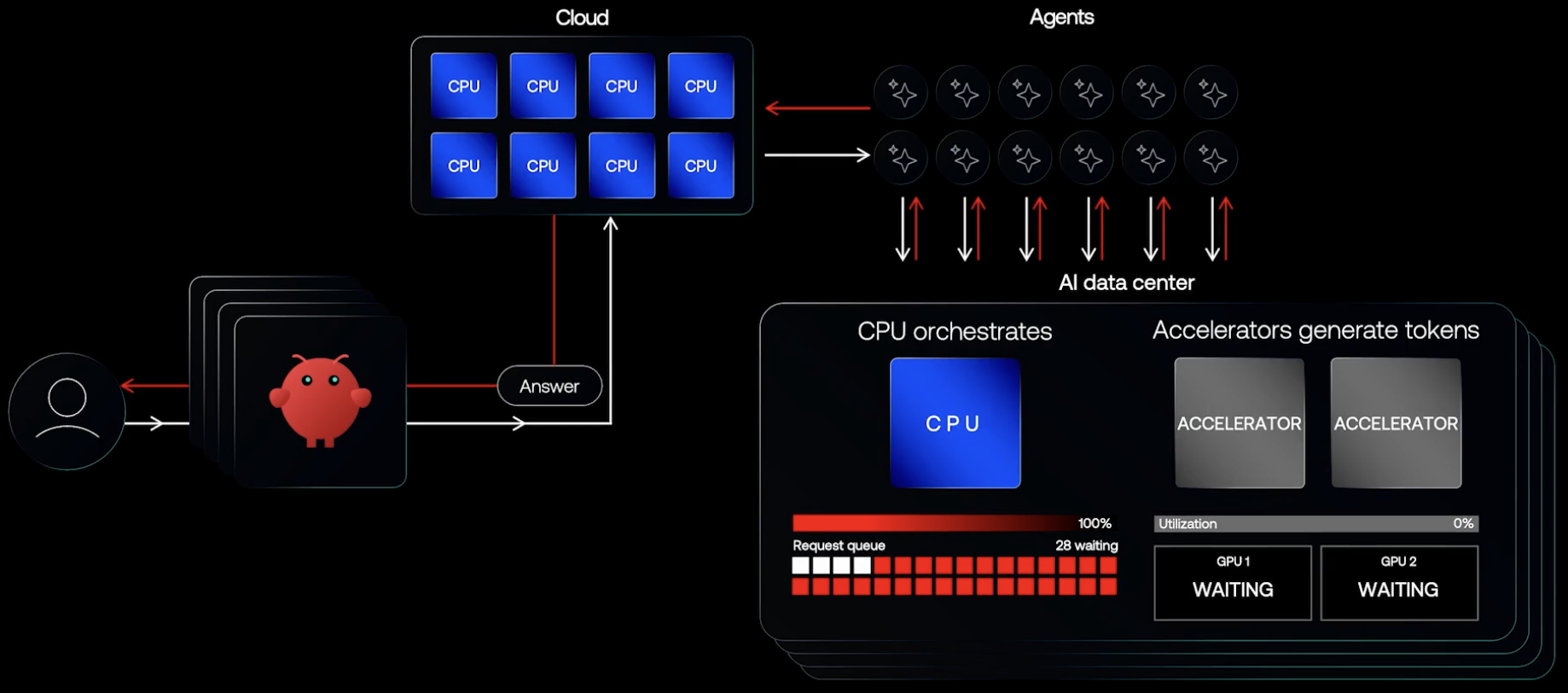
Your phone's CPU can't handle tomorrow's AI alone. Enter co-processors, the specialized sidekicks evolving faster than ever to power the agentic future.
Picture this: resonant tunneling diodes firing like brain cells in a chip. ULTRARAM's latest paper claims it's the synapse AI's been craving—but I've seen this movie before.