Asian chains tighten.
Nvidia’s strategic footprint, once a careful balancing act, is now overwhelmingly concentrated in Asia, with nearly 90% of its production costs tied to the continent. This isn’t some minor shift; it’s a dramatic leap from approximately 65% just a year ago, according to data meticulously compiled by Bloomberg. This figure encompasses the bread and butter of Nvidia’s empire: TSMC’s fabrication prowess, the high-bandwidth memory from SK Hynix and Samsung, and the final assembly lines manned by giants like Foxconn and Quanta. It’s the established engine room of their data center dominance.
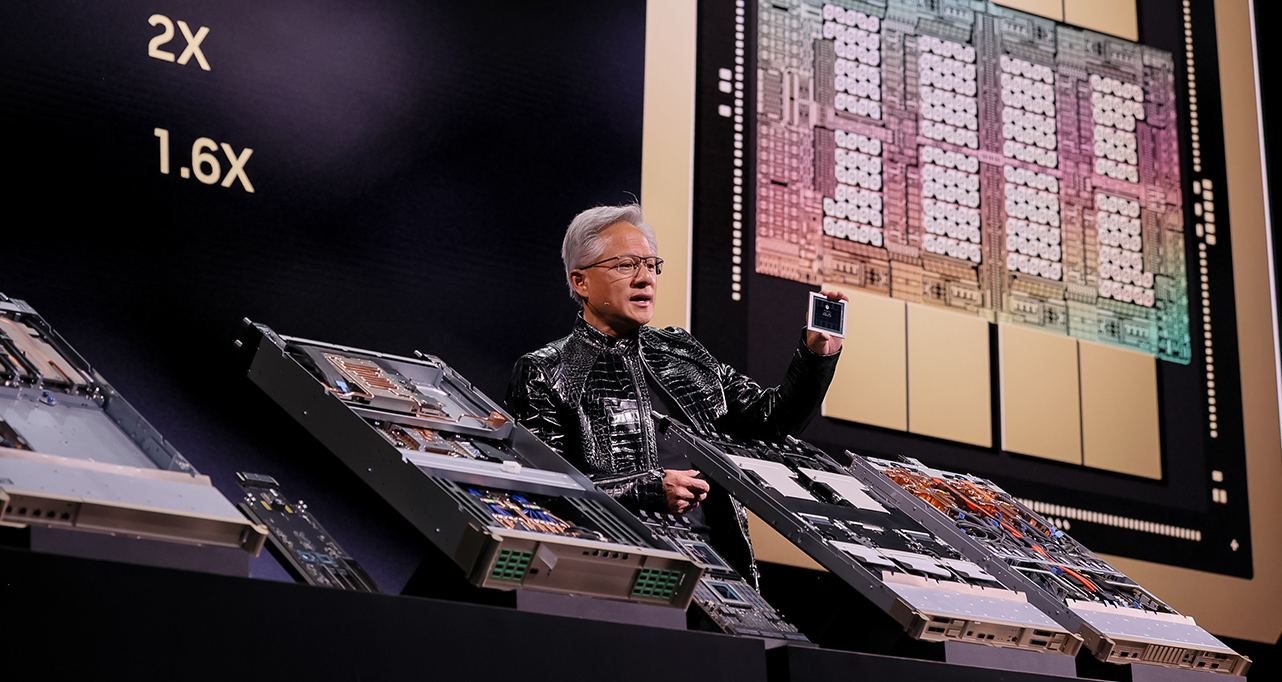
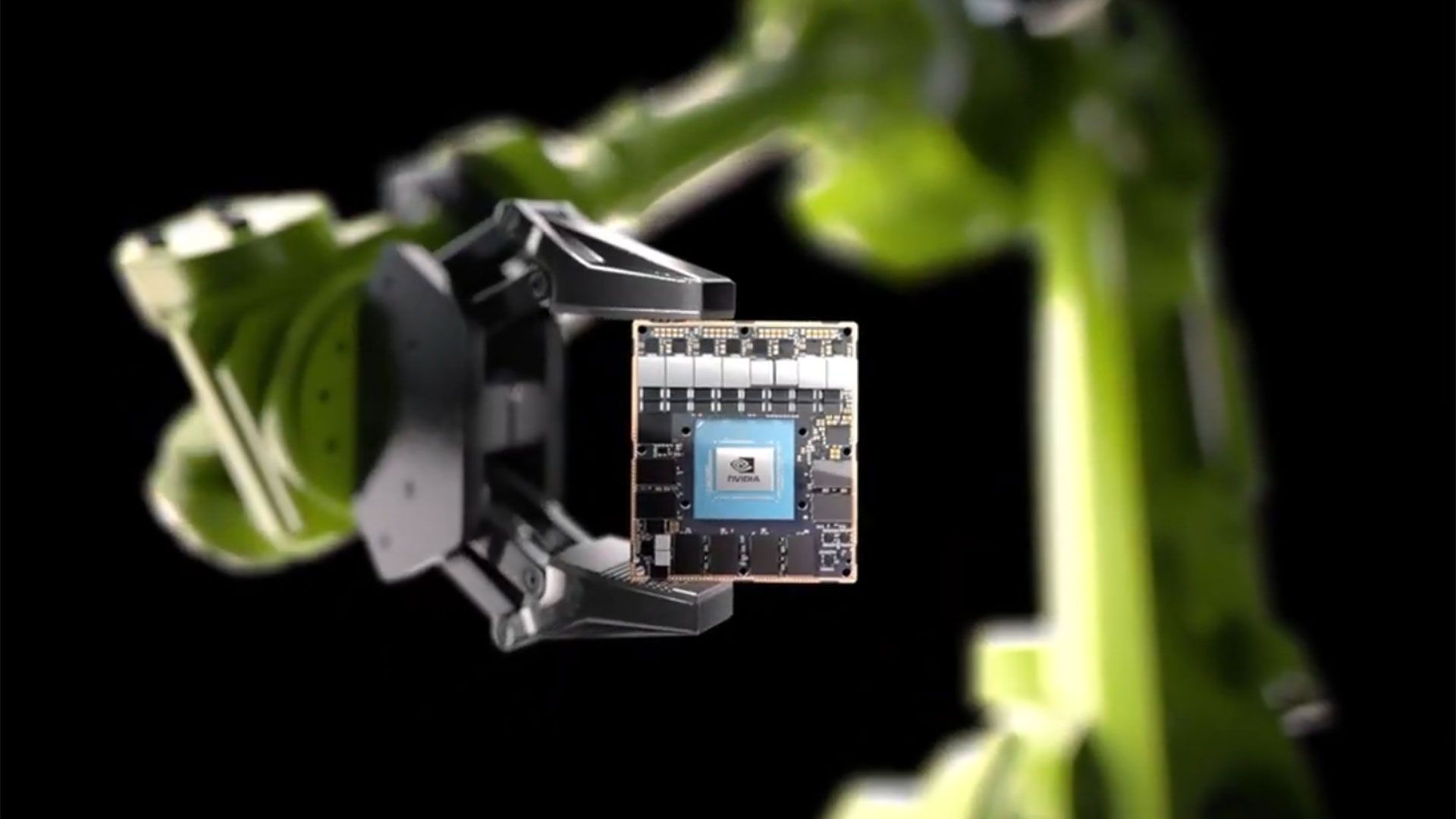
But here’s the kicker, and it’s a big one: the very frontier of AI, what they’re calling ‘physical AI’ hardware, is now layering entirely new product categories onto this already concentrated Asian supply chain. Think robotics platforms like the Jetson Thor, built on the formidable Blackwell GPU architecture and painstakingly fabricated on TSMC’s bleeding-edge 3nm process. The T5000 module, a beast capable of 2,070 FP4 TFLOPS with a substantial 128 GB of LPDDR5X memory, and its slightly more accessible T4000 sibling at CES 2026, are all drawing from this same pool of Asian-sourced components. These aren’t just niche gadgets; they’re positioned to compete directly for precious TSMC 3nm wafer capacity, alongside the very data center GPUs that have fueled Nvidia’s meteoric rise. Even automotive SoCs like the DRIVE AGX Thor are now sailing on these same Blackwell-based, Asian-dependent currents.
Why Does This Matter for AI Hardware Development?
The implications are significant, and frankly, a little worrying. While these new physical AI products might not require TSMC’s CoWoS advanced packaging – that specific bottleneck remains primarily for the data center behemoths – they are absolutely gobbling up 3nm wafer capacity and crucially, Asian-sourced LPDDR5X memory. And here’s where the market dynamics start to bite: this memory market, already stretched thin by the insatiable demand for High Bandwidth Memory (HBM) and general data center DRAM, is now being further strained by these emerging physical AI applications. It’s a classic case of demand outpacing supply, with everyone vying for the same limited resources.
This memory crunch isn’t just a future hypothetical; it’s already forcing Nvidia’s hand. Reports surfaced at the end of April detailing accelerated end-of-life timelines for older Jetson modules, the TX2 and Xavier, simply because LPDDR4 supply has become too constrained to sustain production. Samsung, a key player in memory manufacturing, has shifted its focus away from LPDDR4, redirecting its capacity toward higher-margin, AI-centric products. What does this mean for customers? They’re being nudged, or perhaps shoved, onto newer modules like Orin or Thor, which rely on LPDDR5X – memory that originates from the very same Asian suppliers whose capacity is already under siege.
Partners, including Boston Dynamics and Amazon Robotics, are building on the platform, and LG has confirmed that it’s ‘exploring a strategic collaboration in physical AI,’ with Nvidia, including the robotics ecosystem, Bloomberg reported.
This quote underscores the growing ecosystem Nvidia is cultivating, but it also highlights the centralized risk. The growing demand for TSMC’s CoWoS advanced packaging, even with TSMC’s head of North American packaging noting an 80% compound annual growth rate, still sees chips fabricated in Arizona shipping back to Taiwan for completion. While Nvidia has made substantial commitments—a jaw-dropping $500 billion in U.S. server manufacturing last year, with partners like Foxconn and Wistron, and advanced packaging facilities being built by Amkor and SPIL in Arizona—these are future-facing investments. They aren’t yet at the scale required to absorb the current, rapidly widening appetite for components sourced from Asia, particularly with these new physical AI product lines adding another layer of demand.
Is Nvidia’s Supply Chain Strategy Sustainable?
Here’s the analytical sharp end of the stick: Nvidia’s current strategy, while undeniably successful in the short term, appears increasingly precarious. The gamble on deeply entrenched Asian supply chains, particularly for high-demand, cutting-edge components like 3nm wafers and specialized memory, creates a single point of failure that is becoming a more pronounced vulnerability. It’s a geopolitical and logistical tightrope walk, and the increasing exposure means any tremor in that region—be it political tension, trade disputes, or unforeseen natural disasters—could have amplified, ripple effects across Nvidia’s entire product portfolio, from data centers to the burgeoning field of robotics.
Furthermore, the simultaneous pressure on both data center GPUs and newer physical AI products for wafer starts and memory capacity suggests a potential internal cannibalization of resources, or at the very least, a constant struggle for allocation. While the company is investing in domestic capacity, the pace of that build-out, coupled with the rapid diversification and expansion of its product lines requiring these specific Asian-sourced components, creates a widening chasm. The narrative of localized manufacturing is still very much in its nascent stages, and it’s failing to outpace the gravitational pull of established, cost-effective, and high-volume Asian production hubs for cutting-edge silicon.
This isn’t about questioning Nvidia’s technical prowess or its market foresight in developing advanced AI hardware. It’s about questioning the fundamental resilience of its operational backbone. The market dynamics clearly show that the demand for AI-powered everything is only going to intensify. If the foundational components increasingly originate from a geographically concentrated area prone to geopolitical friction, the long-term sustainability of Nvidia’s growth, and by extension, the AI revolution it spearheads, faces a substantial, quantifiable risk. The company’s financial success is currently masking a growing supply chain fragility.