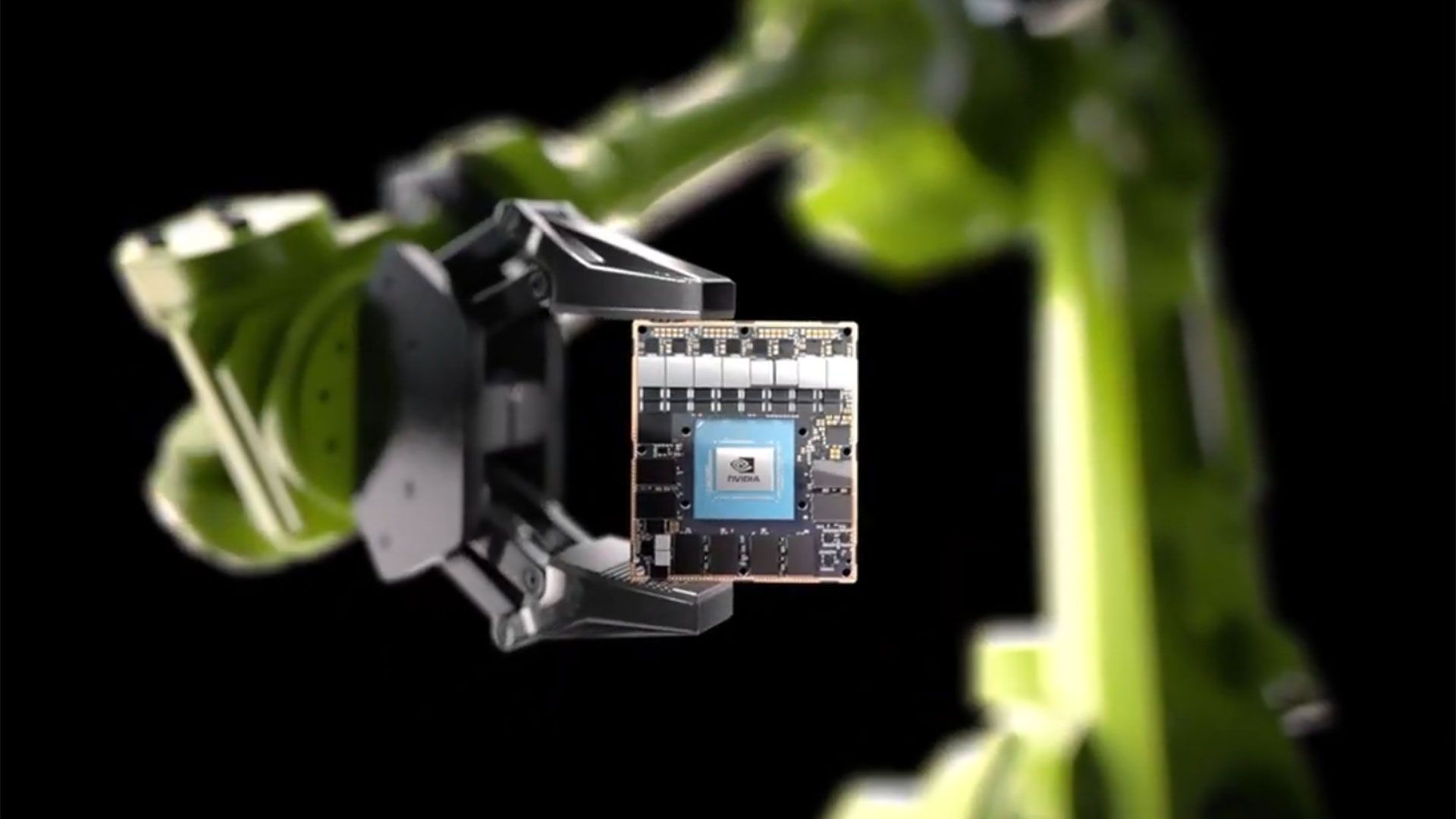
Are we finally admitting that the AI hardware revolution, for all its talk of decentralization and on-shoring, still hinges precariously on one island? It’s a question that should keep supply chain managers up at night, especially as global cloud providers like Amazon, Microsoft, and Google continue to gobble up every high-end GPU and TPU they can get their hands on from TSMC. The numbers don’t lie: AI server procurement from Taiwan is soaring, and the bottleneck isn’t just demand, it’s production capacity for the most advanced chips.
The Unassailable Foundry
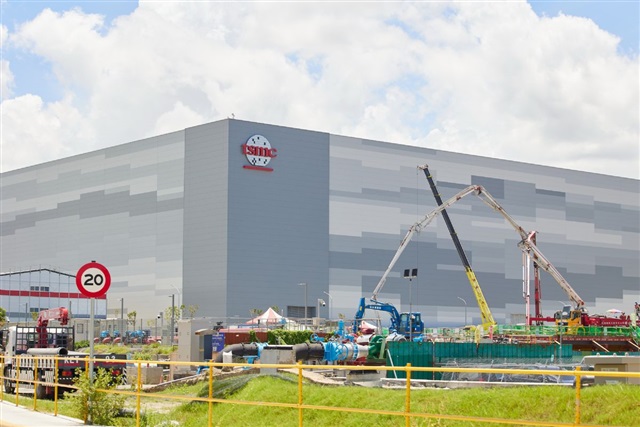
Look, the narrative of diversifying away from Taiwan has been peddled for years, mostly by governments eager to look proactive. But when it comes to the bleeding edge of semiconductor manufacturing – the kind of fabrication required for the petaflops-churning AI accelerators powering today’s models – TSMC simply has no credible peer. Their lead in advanced process nodes, particularly at 5nm and below, is not just a competitive advantage; it’s a near-monopoly for the most sophisticated chips powering AI. This isn’t about preference; it’s about physics and immense capital investment that few other entities can even contemplate matching in the short to medium term.
This reliance isn’t a new story, of course. Taiwan’s foundries have been the bedrock of the global electronics industry for decades. But AI is different. The sheer scale of compute required, and the rapid iteration cycles, mean that the demand isn’t just high; it’s escalating exponentially. Analysts are already forecasting AI becoming as ubiquitous as electricity and the internet. If that’s the case, then the infrastructure powering it must be equally dependable, and right now, that dependability emanates almost exclusively from a few highly specialized fabs on a politically sensitive island.
The Bottleneck and the Budget
It’s easy to talk about supply chain resilience, but incredibly difficult to build it when the technological barrier to entry is so astronomically high. Building a state-of-the-art foundry capable of producing advanced logic like TSMC’s N5 or N4 processes costs tens of billions of dollars. You need decades of accumulated expertise, a highly skilled workforce, and an ecosystem of specialized equipment suppliers. And even then, yields and efficiency take years to optimize. So, while Intel and Samsung are making strides, they are still playing catch-up for the most demanding AI workloads where TSMC has years of production experience and optimization.
“Taiwan’s role in the global AI hardware supply chain is not just significant; it’s currently irreplaceable. The combination of advanced manufacturing capabilities, deep expertise, and existing infrastructure creates a formidable moat.”
This quote, while echoing a common sentiment among industry observers, underscores the stark reality. It’s not just about having the machines; it’s about the cumulative knowledge and operational excellence built over decades. And for AI chips, where every nanometer matters and power efficiency is paramount, that accumulated knowledge translates directly into performance and yield.
The Geopolitical Tightrope
Naturally, this concentration of critical manufacturing capacity in Taiwan presents a significant geopolitical risk. The ongoing tensions across the Taiwan Strait are a constant undercurrent in global business strategy. Companies and governments are understandably anxious about potential disruptions. Yet, despite this anxiety, the market continues to pour capital into Taiwanese manufacturing because, frankly, there’s no viable alternative for leading-edge AI silicon production at scale. The cost and time required to replicate TSMC’s capabilities elsewhere are prohibitive. This creates a fascinating paradox: the greater the geopolitical risk, the more indispensable Taiwan becomes for the very technology needed to manage and potentially exert influence in the modern world.
This isn’t just about server farms running machine learning models. Think about the defense applications, the autonomous systems, the next generation of telecommunications – all of it relies on advanced semiconductor logic that, for now, predominantly flows from Taiwan. Any significant disruption would not just cripple the AI industry; it would have cascading effects across the entire global economy and technological infrastructure.
What Does This Mean for the Future?
So, where does this leave us? It means the diversification efforts, while politically necessary and strategically sound in the long run, are unlikely to fundamentally alter Taiwan’s indispensable position for AI hardware in the foreseeable future. We’ll see more fabs built in the US and Europe, and that’s a good thing. But they will likely be a generation or two behind TSMC’s most advanced nodes for some time, or focused on less demanding chip types.
The surge in AI hardware demand is less a temporary blip and more a fundamental reshaping of compute needs. Companies that bet on Taiwan’s ability to deliver will continue to reap the rewards of leading-edge performance. Those that don’t — or can’t — will likely find themselves perpetually a step behind. The data points to one conclusion: for the foreseeable future, the future of AI is being forged, quite literally, in Taiwanese foundries.
🧬 Related Insights
- Read more: [New Tech] Terahertz Scans Live CPU Transistors — Data Theft Risk
- Read more: NousCoder-14B: Open-Source Beast Trained in Four Days Challenges Claude Code’s Reign
Frequently Asked Questions
What does TSMC stand for? TSMC stands for Taiwan Semiconductor Manufacturing Company. It’s the world’s largest contract chip manufacturer.
Will this demand strain Taiwan’s resources? Yes, the immense demand for advanced AI chips puts significant pressure on TSMC’s production capacity and resource allocation, leading to shortages and longer lead times for some components.
Are there alternatives to Taiwanese chip manufacturing for AI? While other companies are investing in chip manufacturing domestically (like Intel in the US and Europe), TSMC currently holds a significant technological lead in advanced nodes crucial for high-performance AI accelerators, making direct, at-scale alternatives scarce for the most demanding applications.