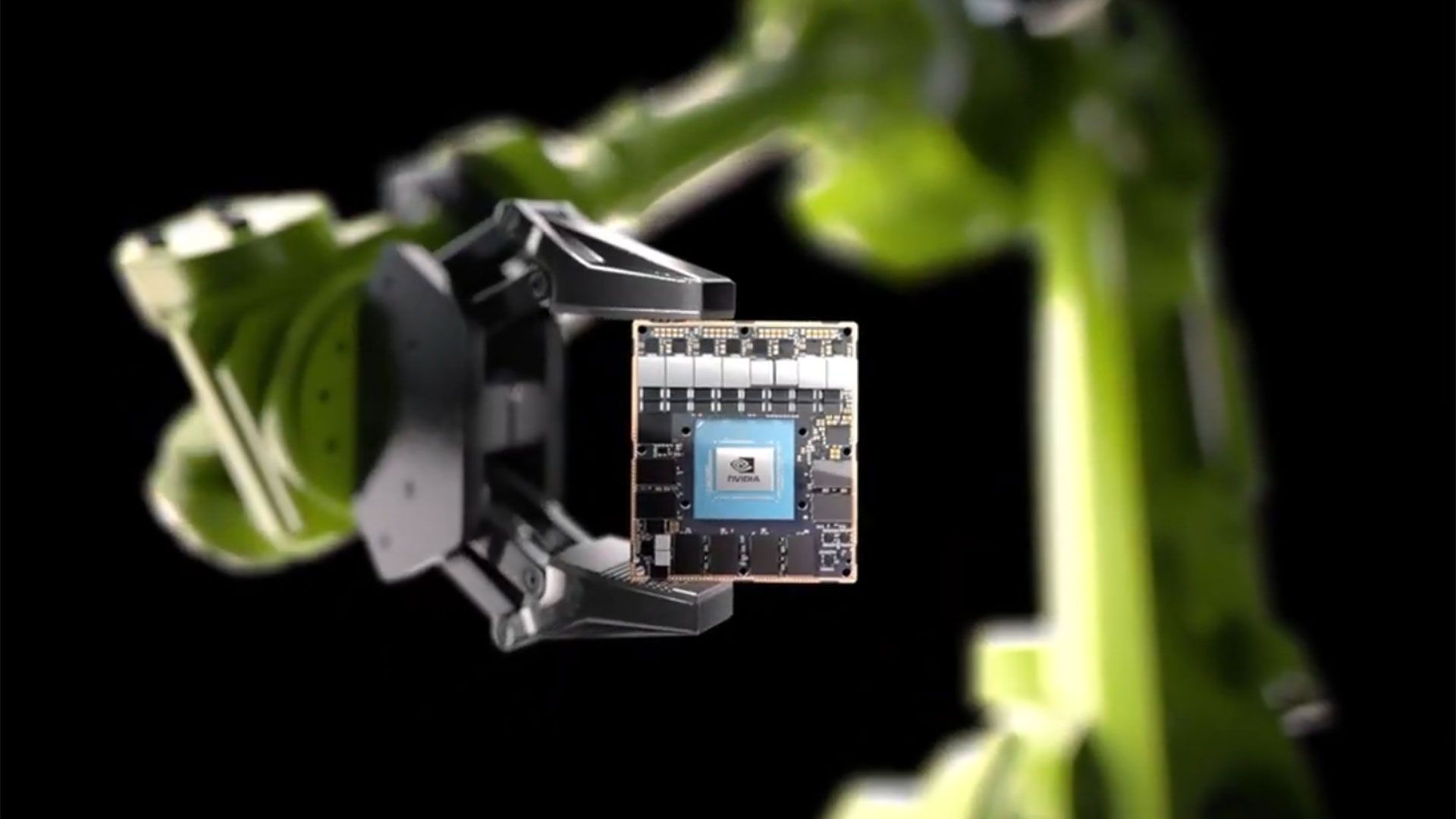
The narrative, as hammered into our skulls by every tech pundit with a LinkedIn premium account, has been singular: AI. Specifically, the monstrous GPUs and specialized chips that power it. That’s where the money is, they scream. That’s the future. And sure, the big silicon players are printing money. NVIDIA’s stock price is a proof to that. But here’s the thing: the tech world rarely works with such elegant simplicity. It’s a messy, interconnected ecosystem. And when one part gets a colossal boost, the shockwaves tend to spread.
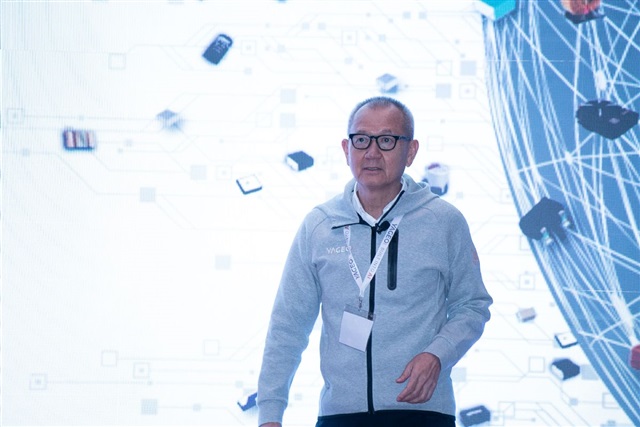
Pierre Chen, the chairman of Yageo, a company that makes… well, passive components (think capacitors, resistors, inductors – the unsung heroes of electronics), is here to remind us of that. He’s looking at the AI hardware boom and seeing demand surge not just for the flashy processors and memory chips, but for the foundational bits and pieces that make them actually function.
Yageo chairman Pierre Chen said the rise of AI applications is driving stronger demand not only for advanced semiconductors and memory, but also for passive components, sensors, and power semiconductors.
Fancy that. It turns out those complex AI servers aren’t just magic boxes filled with silicon. They’re built from a complex web of components. And as these AI beasts multiply, so does the need for everything that keeps them ticking.
The Unsung Heroes of the AI Server Farm
Let’s be blunt. Nobody writes poetry about capacitors. They’re not glamorous. They don’t have legions of fanboys (or, for that matter, GPU enthusiasts) dissecting their architecture on YouTube. They’re the workhorses. The reliable, albeit boring, foundation upon which the high-octane semiconductor world is built. But without them? Your cutting-edge AI chip is just a very expensive paperweight.
Chen’s observation is a much-needed dose of reality. It’s a reminder that the supply chain for bleeding-edge tech isn’t a single, highly specialized pipeline. It’s a sprawling, complex network. And when demand spikes at the most visible end of that network, the pressure inevitably builds upstream. Yageo’s components are essential for power management, signal filtering, and general circuit stability in these massive AI systems. More AI means more servers, and more servers mean a beaucoup more passive components.
Is This Just Corporate Spin?
You could, I suppose, dismiss this as Yageo trying to capitalize on the AI hype. A company wanting its piece of the pie, even if its piece is made of humble ceramic or film. But that would be missing the forest for the trees—or, in this case, the capacitor for the GPU. The sheer scale of AI deployment means even niche component manufacturers will see significant uplift if their products are integral to the systems. And passive components are integral. They’re not optional extras. They are as critical as the chips themselves.
This isn’t a new phenomenon, of course. Every major tech wave, from PCs to smartphones, has had its passive component beneficiaries. But the sheer acceleration and scale of AI deployment is what makes this observation from Chen so pertinent right now. We’re not talking about incremental growth; we’re talking about a potential paradigm shift in demand for these foundational elements. It means companies that might have been considered staid, traditional players suddenly find themselves at the sharp end of technological advancement.
Why Does This Matter for Your Wallet?
For investors, this means looking beyond the obvious semiconductor giants. The ripple effect of AI is broad. Companies providing essential, even mundane, components might be overlooked but could offer significant upside as AI infrastructure expands globally. For consumers? Not much directly, unless you’re building your own server rack. But it underscores the complex, interconnected nature of the tech you use every day. It’s a reminder that progress isn’t just about the flashy new chip; it’s about the entire, often invisible, support structure.
And let’s not forget the other components Chen mentioned: sensors and power semiconductors. These, too, are critical to the functioning of AI systems, from data centers to edge devices. Power semiconductors manage the flow of electricity, which is obviously crucial when you’re dealing with the power-hungry nature of AI hardware. Sensors gather data, a fundamental requirement for any AI to learn or operate. So, it’s not just one component type getting a boost; it’s a broad wave affecting multiple segments of the electronics industry.
Ultimately, Pierre Chen’s comments are a sober reminder that technology is built from the ground up, not just from the top down. The AI revolution isn’t just about the brains; it’s about the nervous system, the muscles, and the skeleton too. And those parts are made of less glamorous, but no less vital, stuff.
🧬 Related Insights
- Read more: [Amkor] Glass Substrates Ready in 3 Years for Commercialization
- Read more: Qualcomm Defends Samsung Share Amid Exynos Push [70%+]
Frequently Asked Questions
What does Yageo make? Yageo manufactures passive electronic components like resistors, capacitors, and inductors.
Will AI increase the price of electronic devices? Increased demand for components due to AI could potentially drive up prices for some electronic devices, especially those with high processing needs.
Are passive components important for AI? Yes, passive components are essential for the stable and efficient operation of the complex circuitry within AI hardware.