For months, the semiconductor industry has been grappling with a lingering hangover from the boom times. Supply chains were bloated, demand forecasts were being slashed, and the prevailing narrative was one of correction and consolidation. Everyone, myself included, was braced for a slow, grinding recovery, particularly in the memory sector.
Then came the AI explosion. Suddenly, the hunger for processing power, and by extension, high-bandwidth memory, became insatiable. And it’s not just the big cloud providers; the ripple effect is now being felt, quite dramatically, by China’s own memory manufacturing stalwarts.
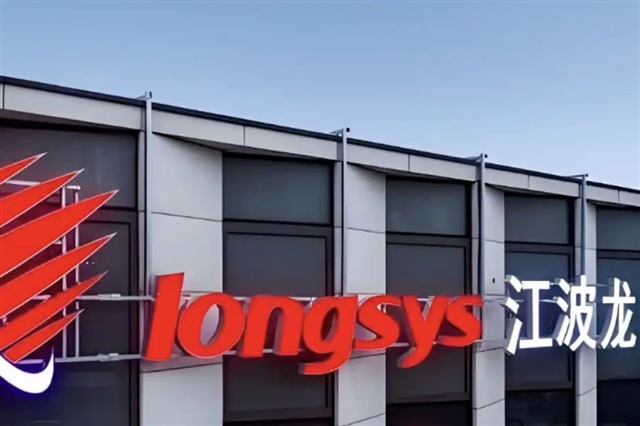
Look at Shenzhen Longsys Electronics and Montage Technology. Their recent first-quarter earnings aren’t just ‘good’; they’re ‘blockbuster.’ We’re talking about a sector that was supposed to be languishing, suddenly posting eye-watering gains. This isn’t a minor blip; it’s a fundamental recalibration of market forces, and the primary engine is artificial intelligence.
The AI Tax: When Demand Outstrips Supply
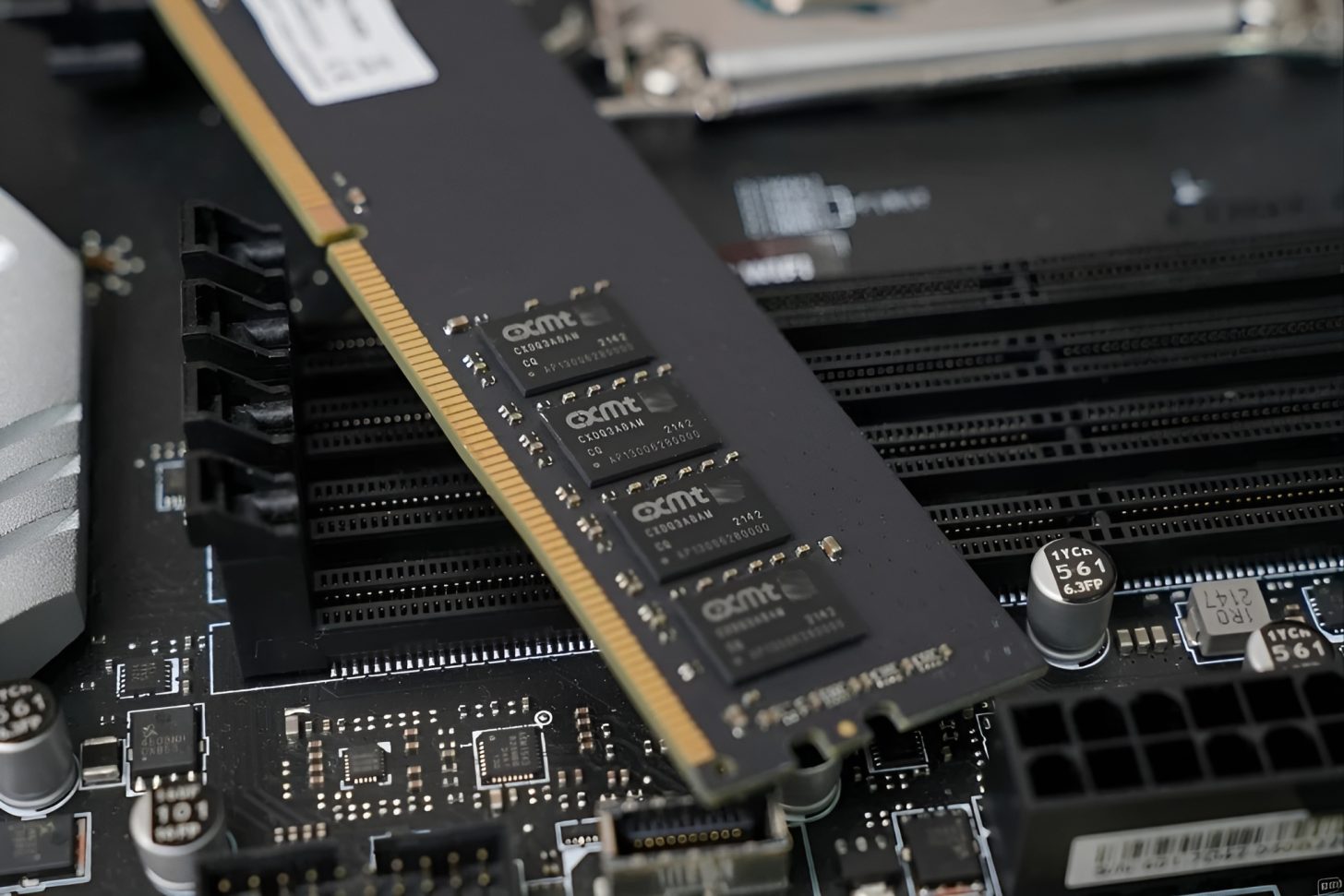
The core of this seismic shift lies in the simple, brutal economics of supply and demand, supercharged by AI. Training and running large language models, image generation software, and sophisticated data analytics requires colossal amounts of memory. And not just any memory; it needs speed, capacity, and power efficiency. AI is creating a demand spike for specific types of DRAM and NAND flash that manufacturers are struggling to meet, especially given the ongoing wafer fabrication constraints and strategic inventory management by major players.
This isn’t just about churning out more chips. It’s about the type of chips. AI workloads are fundamentally different. They demand higher bandwidth, lower latency, and greater density. Companies that can deliver these specialized memory solutions are suddenly finding themselves in a seller’s market. And the producers in China, who have been steadily building their capabilities, are now perfectly positioned to capitalize.
Montage Technology, for instance, is known for its advanced semiconductor solutions, including memory interface chips. When the demand for high-performance memory accelerates, their role becomes indispensable. Longsys, a significant player in consumer and enterprise storage, benefits directly from the increased need for storage capacity to handle the massive datasets AI generates and consumes.
Beyond the Hype: Architectural Shifts at Play
This isn’t just a cyclical upturn, though. We’re witnessing an underlying architectural shift. AI isn’t just using existing memory technology; it’s forcing its evolution. The insatiable compute needs of AI are pushing the boundaries of what memory can do. This means we’re going to see continued investment in new memory architectures, tighter integration between processors and memory (think HBM, or High Bandwidth Memory), and a relentless drive for higher performance and efficiency.
The current demand surge driven by AI has fundamentally reset expectations for the memory market, creating a supply-constrained environment that benefits producers of high-performance solutions.
What’s particularly fascinating is how this plays out geographically. While TSMC and Samsung have long dominated the cutting edge, China’s domestic semiconductor industry has been on a determined path to self-sufficiency and technological advancement. Companies like Longsys and Montage are not just beneficiaries of global AI trends; they are becoming critical nodes in the global AI hardware supply chain. Their success signals a growing maturity and sophistication within China’s memory manufacturing capabilities. It’s a narrative that was unfolding slowly, but AI has hit the accelerator.
The Geopolitical Undertones
Of course, no discussion of China’s semiconductor industry is complete without acknowledging the geopolitical backdrop. The ongoing trade tensions and restrictions on technology access have, paradoxically, spurred domestic innovation and investment. Companies are being forced to develop their own solutions, and when a massive global demand driver like AI emerges, those investments pay off handsomely. This trend suggests that even in the face of external pressures, China’s memory makers are building resilience and capability, not just for domestic consumption but for a significant global role.
This isn’t just about profit margins for a quarter. It’s about market share, technological leadership, and the complex dance of global supply chains being rewritten by the demands of artificial intelligence. The memory makers in China are no longer just participants; they are emerging as indispensable players.
**
🧬 Related Insights
- Read more: SiFive’s $400M RISC-V Gamble: CPUs for AI Agents or Just More Hype?
- Read more: Newbie Torches $5K RTX 5090 Practicing Soldering — On the Tightest Spot Possible
Frequently Asked Questions**
What does China’s memory sector recovery mean for global AI development?
It means a more diversified and potentially more competitive supply chain for critical AI hardware components. Increased production and innovation from Chinese companies can help meet the soaring demand for memory, potentially stabilizing prices and accelerating AI deployment worldwide.
Will this AI-driven demand cause a memory shortage for consumers?
Potentially, yes. The high-performance memory needed for AI is often a specialized variant. However, the increased investment and production spurred by AI demand could eventually lead to improved availability and performance for consumer-grade memory as well, though there might be a temporary price increase or limited availability for high-end consumer devices.
Are Longsys and Montage Technology the only Chinese memory companies benefiting?
While Longsys and Montage are highlighted examples, the broader trend suggests that other Chinese memory and semiconductor component manufacturers are likely experiencing similar upswings, driven by the same underlying AI demand and supply dynamics. The entire ecosystem is benefiting from this surge.