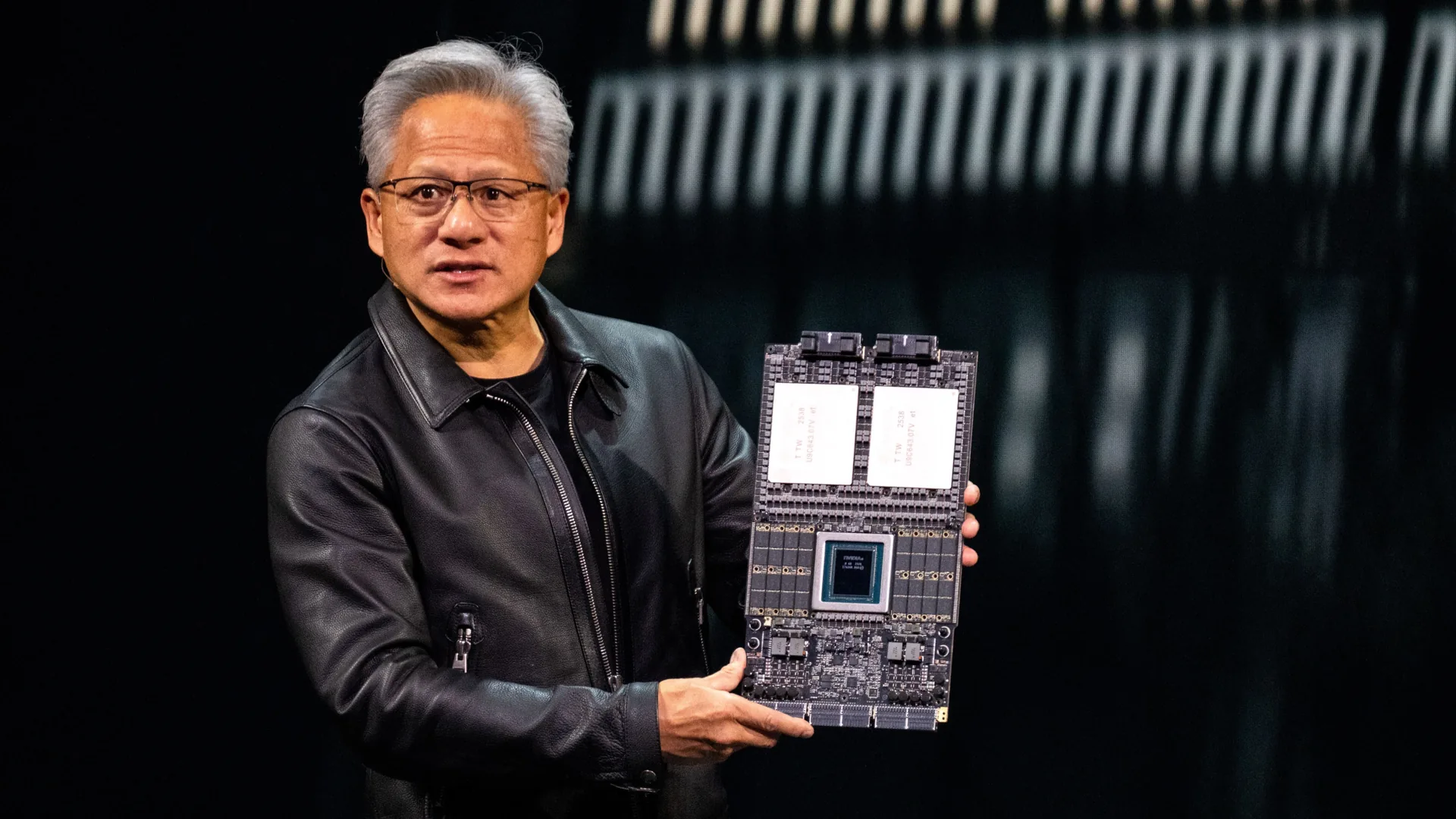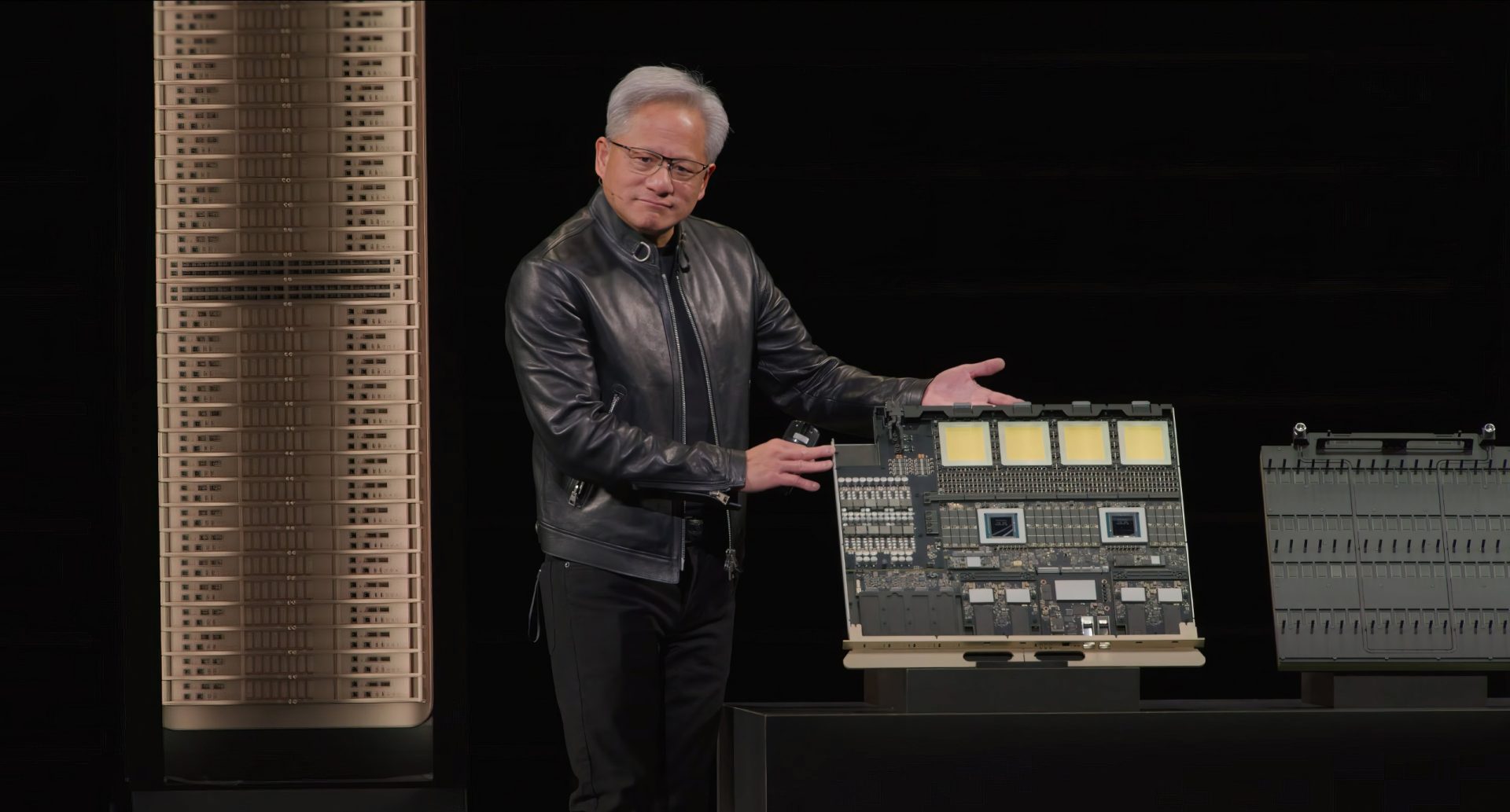
Roughly 15% of NVIDIA’s planned HBM4E capacity for the Rubin Ultra is reportedly toast. Not exactly a ringing endorsement for bleeding-edge AI hardware, is it?
Whispers from the foundry floor suggest NVIDIA’s much-hyped Rubin and Rubin Ultra platforms are, shall we say, experiencing significant growing pains. These aren’t minor tweaks. We’re talking about fundamental spec changes that could—and likely will—hand AMD a juicy opening for its MI500 chip.
What’s the trouble? Well, it seems getting HBM4 memory to behave itself is proving a rather tall order. Add to that, yields are apparently less than stellar, packaging is warping like a cheap plastic toy in the sun, and even the simple act of keeping these powerhouses cool is forcing a rethink. It’s almost as if building the future of AI isn’t as straightforward as a press release makes it sound.
HBM4 Speeds Hit a Wall?
Micron’s proud pronouncements about volume production of 12-Hi HBM4 memory for Rubin—touted to deliver a staggering 2.8 TB/s per stack—now sound a bit hollow. Reports indicate NVIDIA is wrestling with getting higher speeds out of this memory, blaming “poor base die quality” from both Micron and SK Hynix. This isn’t just a speed bump; it suggests a potential design U-turn or, heaven forbid, a production schedule that drifts like a lost cruise ship.
Rubin Ultra Shrinks Its Ambitions
The Rubin Ultra, originally envisioned with a monstrous 1 TB of HBM4E using 16-Hi stacks, is reportedly being dialled back. We’re talking about a descent to 12-Hi stacks. This isn’t just a minor reduction; it’s a 25% cut in intended memory capacity. Why? Yield problems, naturally. And it’s not just the memory; the core design itself is apparently being scaled down from a quad-chiplet configuration to a dual-chiplet setup. They’re trying to salvage performance through board-level trickery, but dense designs with Multi-Chip Package (MCP) approaches have a nasty habit of biting back. It’s a classic case of trying to cram too much into too small a space, and the silicon is pushing back.
Cooling Down the Heat
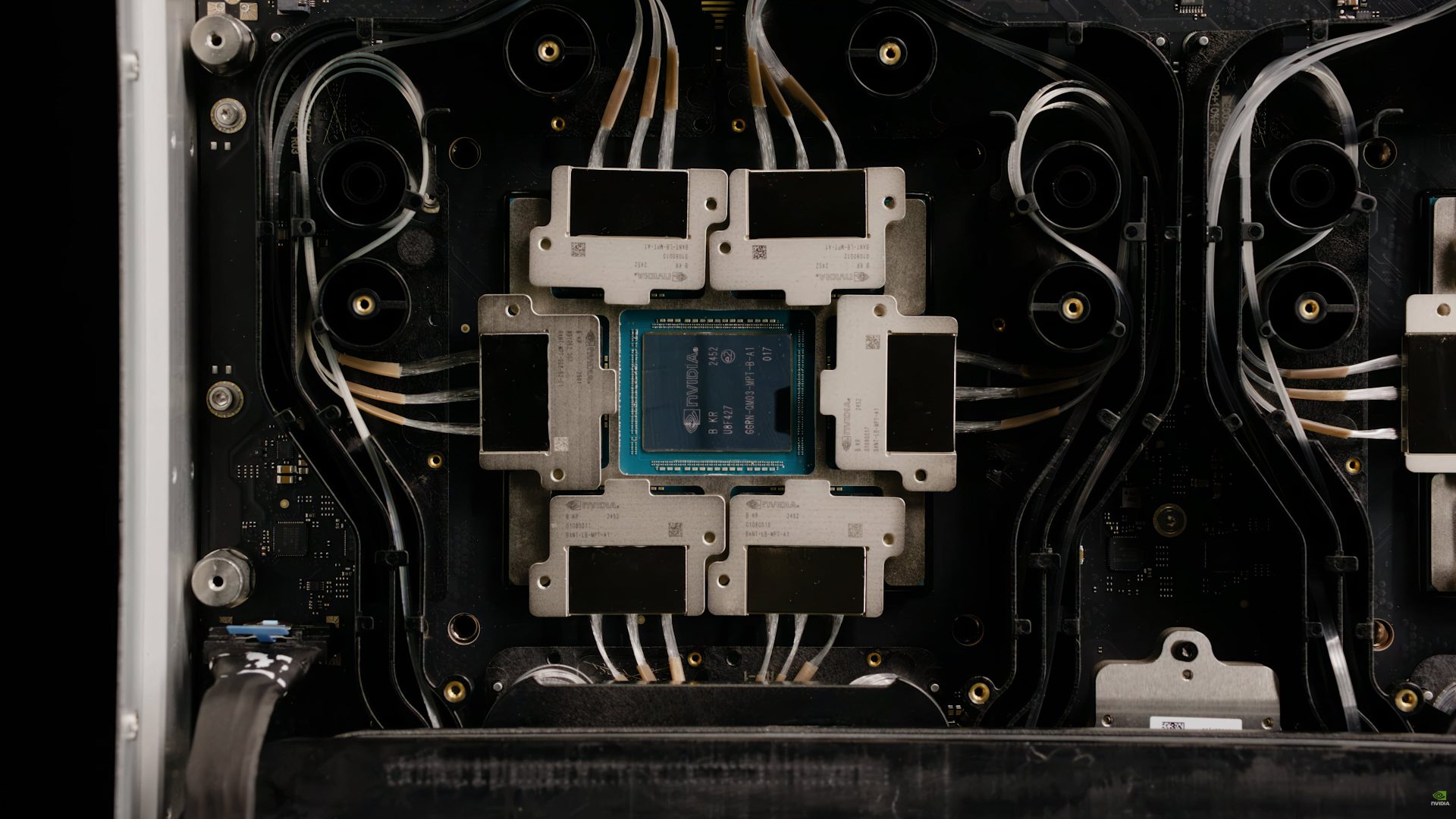
Even the heatspreader is a point of contention. The original dual-layout design apparently couldn’t handle the warp stresses during high-volume production. So, they’re switching to a single layout. For the standard Rubin GPUs, there’s also chatter about instability with the current indium-graphite TIM (Thermal Interface Material), leading to a fallback to more traditional graphite TIM. It’s a humbling reminder that sometimes, the most advanced solutions are simply too ambitious for current manufacturing realities.
The Next Big AI Battle: Rubin Ultra vs MI500
This is where it gets interesting. AMD’s MI500 platform, slated for the second half of 2027, is now looking less like a challenger and more like an opportunist. It’s set to tout 2.5D/3D packaging and a 4-die layout with those sought-after 12-Hi HBM4E memory packages. Compare that to the Rubin Ultra, which is rumoredly scaled back to a 2-die package with the same memory configuration and a launch timeline that now bleeds into 2027-2028. It feels like NVIDIA was aiming for the moon, and AMD is quietly planting a flag on Mars—a solid, achievable goal.
One can’t help but draw parallels to the early days of GPU acceleration, where AMD often found itself playing catch-up. Yet, every so often, a misstep by the incumbent—a design issue, a supply chain hiccup—provides an opening. This might just be one of those moments. The PR machine will spin it, of course, but the underlying technical challenges are real. NVIDIA’s aggressive roadmap has always depended on flawless execution. If these rumors hold water, the flawless part is currently… lacking.
As per the rumors, NVIDIA is facing five critical challenges for the Rubin and Rubin Ultra platforms. These include speed and capacity drawbacks of HBM4 memory, yields, and warpage issues, multi-power design pushback, and redesigning of the heatspreader.
It’s a messy business, this cutting edge of chip design. The relentless pursuit of more performance, more memory, and more efficiency always pushes the boundaries of what’s physically possible and economically viable. NVIDIA’s strategy has often been to push those boundaries further and faster than anyone else. It’s a high-risk, high-reward gambit. This time, the risks seem to be materializing, and the rewards might be delayed, potentially handing a significant advantage to a competitor who, for once, isn’t playing catch-up but is poised to strike while the leader is stumbling.
Is the MI500 Really a Threat?
If these reports about NVIDIA’s Rubin platforms are accurate, AMD’s MI500 could indeed pose a serious threat. While NVIDIA has historically held a dominant position in AI accelerators, any significant delays or performance compromises in their next-generation offerings can open the door for competitors. AMD has been steadily improving its offerings, and a well-timed launch with competitive or superior specs could capture significant market share, especially if the AI market continues its explosive growth.
What Does This Mean for AI Development?
For AI developers and researchers, any instability or delay in the rollout of next-generation hardware is a concern. Their work often depends on access to the most powerful and efficient accelerators available. If NVIDIA’s Rubin platforms are delayed or underperform, it could slow down the pace of AI innovation or force teams to rely on older hardware for longer, impacting training times and model complexity. However, it could also spur innovation if developers find ways to optimize their workloads for available hardware or if AMD’s MI500 proves to be a strong contender.