The semiconductor industry, perpetually chasing the next inflection point, had its eyes firmly fixed on AI accelerators and the high-performance computing (HPC) juggernauts powering them. The expectation was steady, strong growth, a predictable upward curve fueled by ever-more complex silicon. What we’re seeing now, however, isn’t just a curve; it’s a vertical ascent, particularly for the often-overlooked segments of the supply chain: chip testing and probe cards. Companies like KYEC (King Yuan Electronics), MPI Corporation, and WinWay Technology are not just meeting expectations; they’re obliterating them, projecting record revenues well into 2026.
This isn’t about new chip designs alone, though those are certainly part of the equation. This is about the sheer volume and the escalating complexity of testing the massive AI chips that are becoming the new backbone of everything from data centers to consumer devices. Think about it: every single advanced AI chip, every GPU designed to crunch petabytes of data, has to go through a rigorous, multi-stage testing process. This process is becoming exponentially more demanding as chip densities increase and functionality expands, particularly with the rise of advanced packaging techniques like chiplets.
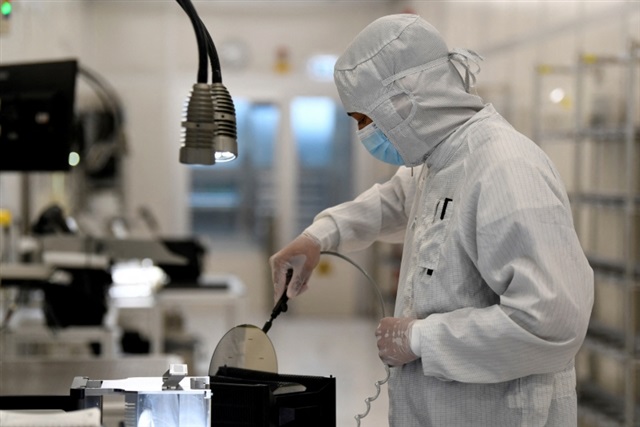
What’s fueling this surge? It’s a confluence of factors, chief among them being the unquenchable thirst for AI processing power. The models are getting bigger, the datasets are growing, and the need for specialized hardware to handle this is relentless. This translates directly into a massive increase in the demand for sophisticated testing solutions. KYEC, a major player in outsourced semiconductor assembly and test (OSAT), is seeing its wafer sort and final test services stretched to their limits. MPI, a critical supplier of probe cards—the complex spiderwebs of needles that interface with the silicon wafer—is likewise experiencing unprecedented demand. These aren’t commodity components; they are precision instruments, custom-designed for specific chip architectures, and their production is a bottleneck that AI demand is now smashing through.
The implications here are profound. For years, the narrative around AI chips has been dominated by the designers—NVIDIA, AMD, the hyperscalers themselves. But this revenue boom for testing firms highlights a critical dependency. You can design the most powerful AI chip in the world, but without strong, high-volume testing, it’s just silicon on a wafer. This segment of the industry, often operating in the shadows of the marquee chip designers, is now front and center, proving itself to be an indispensable engine of the AI revolution.
The ‘How’ Behind the Numbers
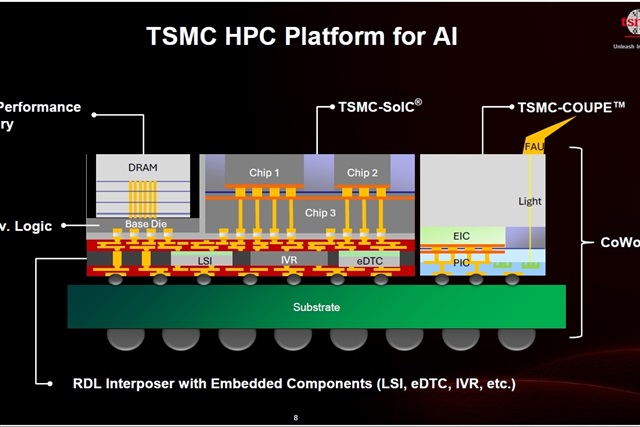
It’s easy to say “AI demand is up,” but the architectural shifts required for this testing surge are less obvious. Advanced packaging, for instance, means we’re not just testing single monolithic dies anymore. We’re testing integrated systems of multiple chiplets, often fabricated on different process nodes, assembled into a single package. This complexity demands entirely new testing methodologies and equipment. Probe card manufacturers, like MPI, have to develop ultra-fine pitch probes and sophisticated contact technologies to ensure reliable electrical testing of these complex interconnections. The probe cards themselves become mini-engineered marvels, designed to withstand the heat and pressure of testing high-power AI silicon.
Furthermore, the speed at which these chips need to be tested is also increasing. The market demands rapid deployment of AI hardware, meaning that testing cycles, while rigorous, also need to be efficient. This pressure forces innovation in test automation, diagnostics, and yield optimization. It’s a delicate dance between ensuring quality and meeting aggressive production schedules. This isn’t your grandfather’s semiconductor testing; it’s a high-stakes, high-speed ballet of precision engineering.
The surge in AI and HPC demand is directly translating into increased wafer volume and more complex testing requirements, pushing our testing and probe card capacity to new heights.
This quote, though generic in its current form, encapsulates the reality faced by these companies. The “complex testing requirements” are the real story. They involve not just ensuring basic functionality but verifying performance under extreme loads, checking for thermal anomalies, and guaranteeing the integrity of the complex communication pathways between chiplets. All of this, at scale. It’s the unseen scaffolding supporting the AI infrastructure we’re all starting to rely on.
Is This a Sustainable Boom?
The projections for 2026 suggest a level of optimism that borders on audacious. But is it justified? The demand for AI compute is showing no signs of abating. Generative AI, large language models, and increasingly sophisticated AI applications in fields like autonomous driving, healthcare, and scientific research all require more, and more powerful, AI chips. This creates a virtuous cycle: more AI applications drive demand for more AI chips, which in turn drives demand for more testing. The advanced packaging trend also plays a role here, as it allows for more functional integration and performance gains within a single package, further increasing the value and complexity of each tested unit.
However, the semiconductor industry is notoriously cyclical. Any dependence on a single market, even one as dominant as AI, carries inherent risks. A significant slowdown in AI investment, a major geopolitical event disrupting supply chains, or a breakthrough in an entirely new form of computing could, theoretically, dampen this surge. For now, though, the momentum appears strong enough to carry these companies through 2026 with significant tailwinds.
The inherent challenge for these companies, and for the industry at large, is to ensure they can scale their capacity and technological capabilities rapidly enough to meet this demand without compromising quality. The investments required in new testing equipment, facilities, and specialized talent are substantial. It’s a race to build not just more testing capacity, but smarter testing capacity.
What’s the broader takeaway? This isn’t just about Taiwan’s economy or the bottom lines of a few companies. It’s a stark reminder that the foundational infrastructure of the AI revolution is as critical as the chips themselves. The companies quietly building, testing, and ensuring the reliability of this silicon are the unsung heroes, and their current revenue surge is a powerful indicator of the scale and importance of the AI era we’ve truly entered.