Taiwan's AI Hardware Dominance: The Unshakeable Foundry
AI hardware demand is exploding, yet the world's reliance on Taiwan's manufacturing prowess only deepens. Forget diversification; the foundry remains king.
In-depth coverage of the latest Foundries & Manufacturing developments, trends, and analysis — curated daily.
AI hardware demand is exploding, yet the world's reliance on Taiwan's manufacturing prowess only deepens. Forget diversification; the foundry remains king.
Factory workers in Taiwan just saw their bonuses swell. Nan Pao's record March haul means steadier paychecks — for now — as chip demand props up chemical suppliers.
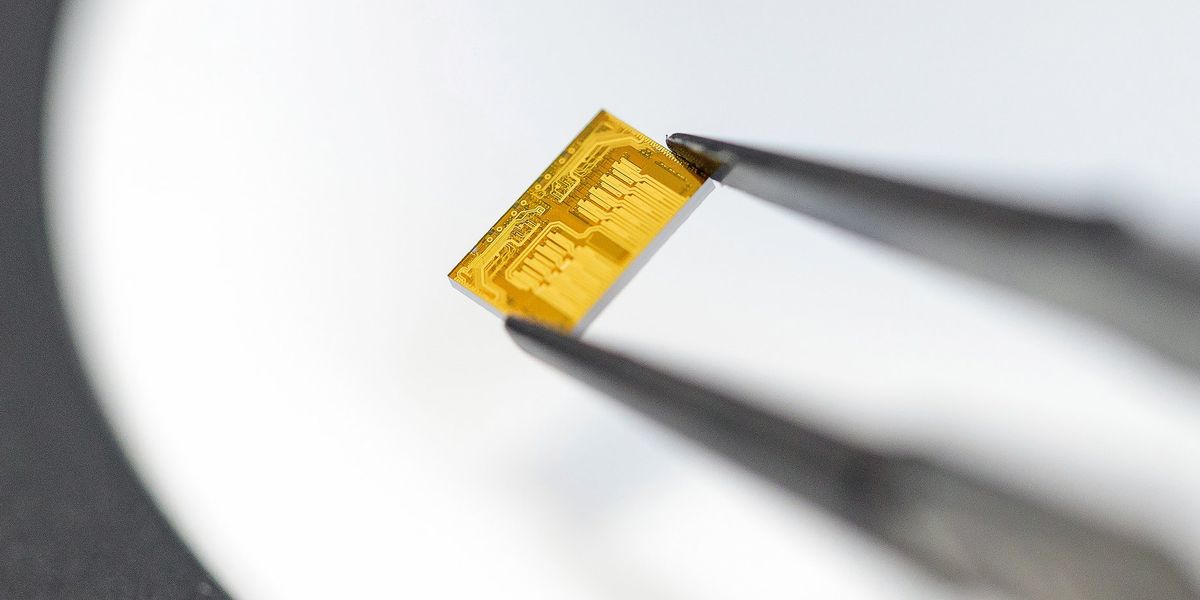
What if you could watch a chip's inner workings, its transistors firing away, without so much as touching it? Scientists at Adelaide University are claiming just that, using terahertz waves to peer inside silicon.
Picture this: four days, 48 beastly Nvidia B200 GPUs, and bam—NousCoder-14B emerges, smashing benchmarks and handing open-source coders a weapon against Claude Code's hype. It's not just another model; it's a reproducibility revolution.
What if your chip fab could spot yield-killing glitches the instant they happen? yieldHUB's new Live platform does exactly that, turning static data into a pulsing nerve center for semiconductor production.
Intel just shelled out $14.2 billion to reclaim full control of its key Ireland fab. But why now, and what does it mean for the foundry wars?
One tweet. Zero fanfare. Intel dives into Musk's Terafab madness. But can a bailout baby deliver?
Imagine designing the next-gen chip without wasting a single wafer. VLSI 2025 just showed us digital twins making that real—from atoms to entire fabs—while Intel's 18A bets big on backside power.
Forget chasing GPU throughput. Your LLM training's real killer? 782 GB checkpoints every 30 minutes, idling racks worth $200K a month. NVIDIA nvCOMP crushes that overhead—losslessly—in 30 lines of Python.
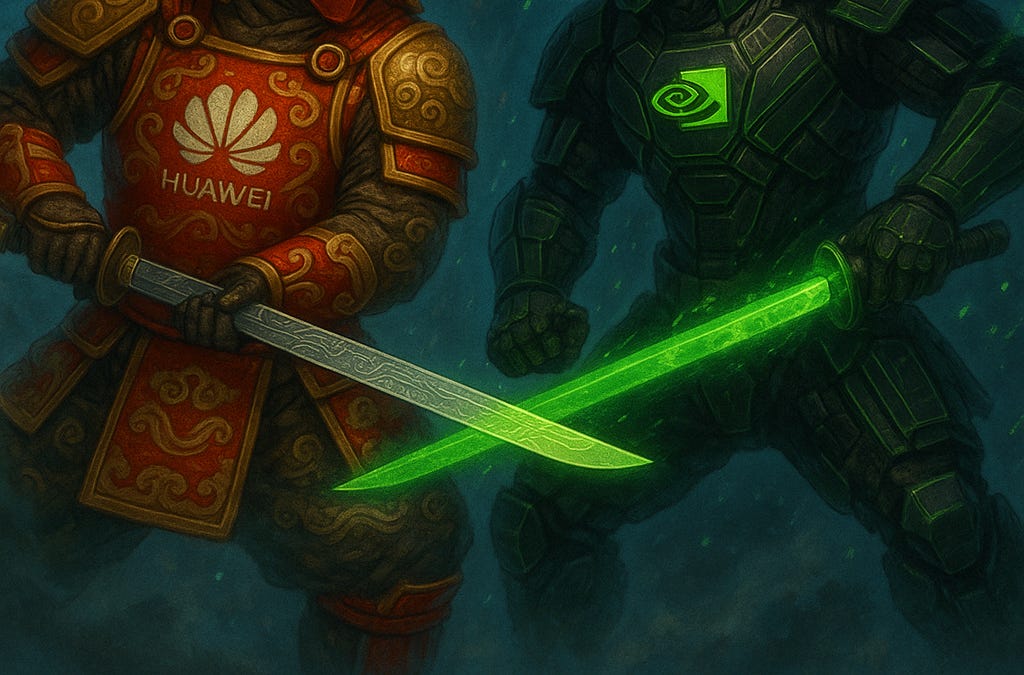
Everyone figured US export controls would kneecap China's AI dreams forever. Huawei's Ascend production ramp says otherwise — they're building die banks and leaning on TSMC holdovers, with HBM as the lone bottleneck.
$305 for a 16GB Raspberry Pi 5. That's the new reality after three hikes in four months. Intel's cozying up to Musk's Terafab meanwhile—hype or help?
GPUs in AI data centers are choking on copper. Enter Tower and Scintil's laser chip—the world's first single-chip DWDM light engine. But is multiplexing the savior or just telecom nostalgia?