782 GB. That’s one checkpoint for a 70B model. Weights, optimizer states, gradients. All dumped every 30 minutes.
AI hotshots chase FLOPs and benchmarks. They ignore the storage bill. Dumb.
NVIDIA nvCOMP changes that. 30 lines of Python. Lossless compression on the GPU. Cuts costs $56,000 a month for a 405B beast on 128 Blackwell GPUs. And that’s before MoE models, which save even more.
Here’s the thing. Training at scale? Interruptions hit every three hours, per Meta’s Llama 3 saga. 419 hiccups over 54 days on 16K H100s. Checkpointing isn’t nice-to-have. It’s survival.
But synchronous saves? All GPUs twiddle thumbs. 156 seconds per write at 5 GB/s. Times 48 checks a day, 30 days: 62.6 idle hours on 8 GPUs. At $4.40/GPU/hour? $2,203 monthly. Scale to 128 GPUs? $200K gone.
Storage fees? Peanuts next to idle silicon.
Why Do Teams Let Checkpoints Drain Their Budgets?
Optimizer state dominates. AdamW’s FP32 moments: 521 GB. Four times the weights. Shocking? Only if you’re new.
The optimizer state—AdamW’s first and second moment estimates, both stored in FP32—is 4x larger than the model weights. It’s the bulk of every checkpoint.
Frameworks push async checkpointing. Fine, but memory headaches persist. Adoption? Spotty.
Enter compression. Not CPU slop. GPU-native. No roundtrips. nvCOMP does Zstd or gANS right there in VRAM.
We tested it—dense transformers, MoEs—on H200s and Blackwells. Ratios hold steady: Zstd at 2.3-2.5x for optimizer cruft. gANS screams throughput, trades a hair on ratio.
Result? Writes shrink. Idle time vanishes. For that 405B run, $56K saved monthly. Storage too.
And cold starts? Faster restores. Serial bottleneck eased.
Async helps overlap. But compression stacks. Why not both?
NVIDIA pitches this as genius. Eh, it’s obvious in hindsight. Like realizing seatbelts save lives after a pileup. But credit where due: nvCOMP’s library nails it. Python hooks for PyTorch, TensorFlow. Drop-in.
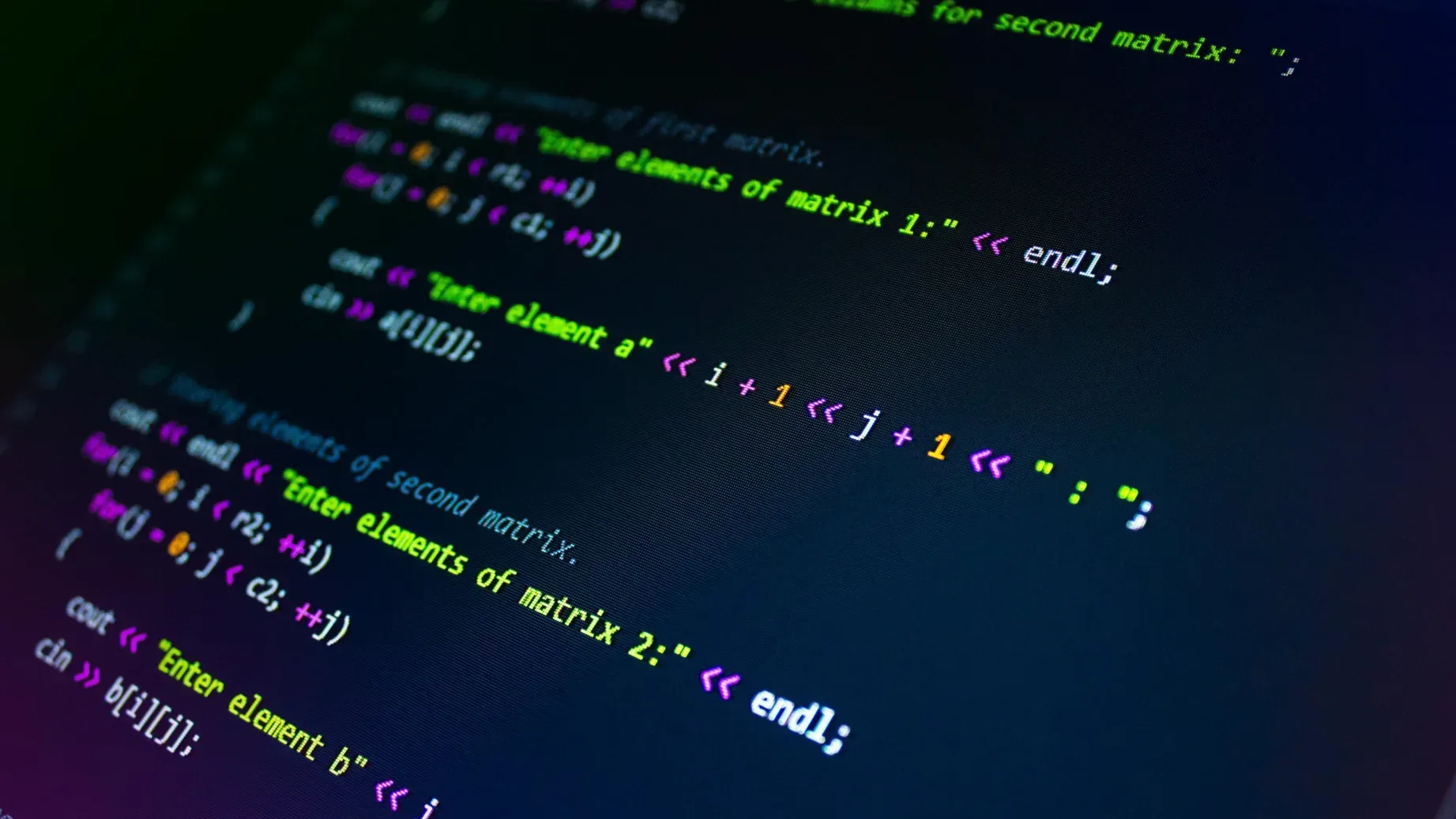
Here’s a snippet—barely 30 lines:
import torch
torch.ops.load_library('//lib/libnvcomp.so')
# Compress tensor
compressed = torch.ops.nvcomp.compress(tensor.cuda())
# Decompress later
tensor = torch.ops.nvcomp.decompress(compressed)
(Full code in their repo. Tweak for your loop.)
Short. Brutal. Effective.
Can nvCOMP Really Save $56,000 a Month?
Math checks out. 782 GB checkpoint. Compress optimizer (67%) to 2.4x: drops to ~450 GB total. Write time halves. Idle costs plummet.
MoEs? Sparse experts compress better. 3x ratios easy. Bills shrink more.
But here’s my twist—no one says this: it’s a force multiplier. That $200K idle waste? Redirect to more GPUs. Train your 405B in 10 months, not 12. Or squeeze a second model yearly.
Historical parallel? 1990s web. GIF crushed images 10x. Sites exploded. Here, nvCOMP unlocks LLM scale for cash-strapped labs. OpenAI, Anthropic? They’ll mandate it. Or bleed.
Critic hat: NVIDIA’s late. Compression’s HPC staple since forever. But GPU-tuned? Gold. Their PR spins ‘revolutionary’—nah, just smart engineering. Still, use it.
Skeptics whine: ‘Lossless? Overhead?’ Throughput hits 10+ GB/s compressed on Blackwell. Negligible vs. saves.
Teams sleeping on this? Wake up. Your VCs notice.
Scale math deeper. 1 PB written monthly uncompressed. Compressed? Under 500 TB. Cloud egress? Halved. Restore times? Slashed—critical for spot interruptions.
Blackwell pricing’s nuts, yeah. But every cent counts when FLOPs cost fortunes.
Prediction: By Q4, every Megatron, DeepSpeed fork bundles nvCOMP hooks. Or forks die.
Don’t believe me? Run the numbers yourself. Idle GPUs don’t lie.
The nvCOMP Edge Over Zstd Alone
Zstd’s great—Meta’s baby. Balances ratio, speed. But gANS? GPU rocket. Entropy codes BF16/FP32 floats natively. Patterns in weights? Crushed.
Benchmarks: Zstd ~2.4x on optimizer, 1.8x weights. gANS 2.2x but 2x faster. Pick your poison.
No CPU. All CUDA. Fits tight loops.
Downsides? Library dep. But Docker it. Done.
🧬 Related Insights
- Read more: Intel’s Xeon 6 Gambit with SambaNova Targets Agentic AI’s GPU Chokehold
- Read more: Nvidia’s Always-On Chip Spots Faces in Under a Millisecond – Powering the Awake Future
Frequently Asked Questions
What is NVIDIA nvCOMP for LLM checkpoints?
GPU library for lossless compression of tensors—weights, optimizers, grads. Cuts checkpoint sizes 2-3x, slashes idle time and storage.
How much does nvCOMP save on AI training costs?
$56K/month for 405B on 128 GPUs. Scales linear. MoEs save double.
Is nvCOMP easy to add to PyTorch training?
Yes—30 lines. Hooks into torch.ops. Works H100 to Blackwell.