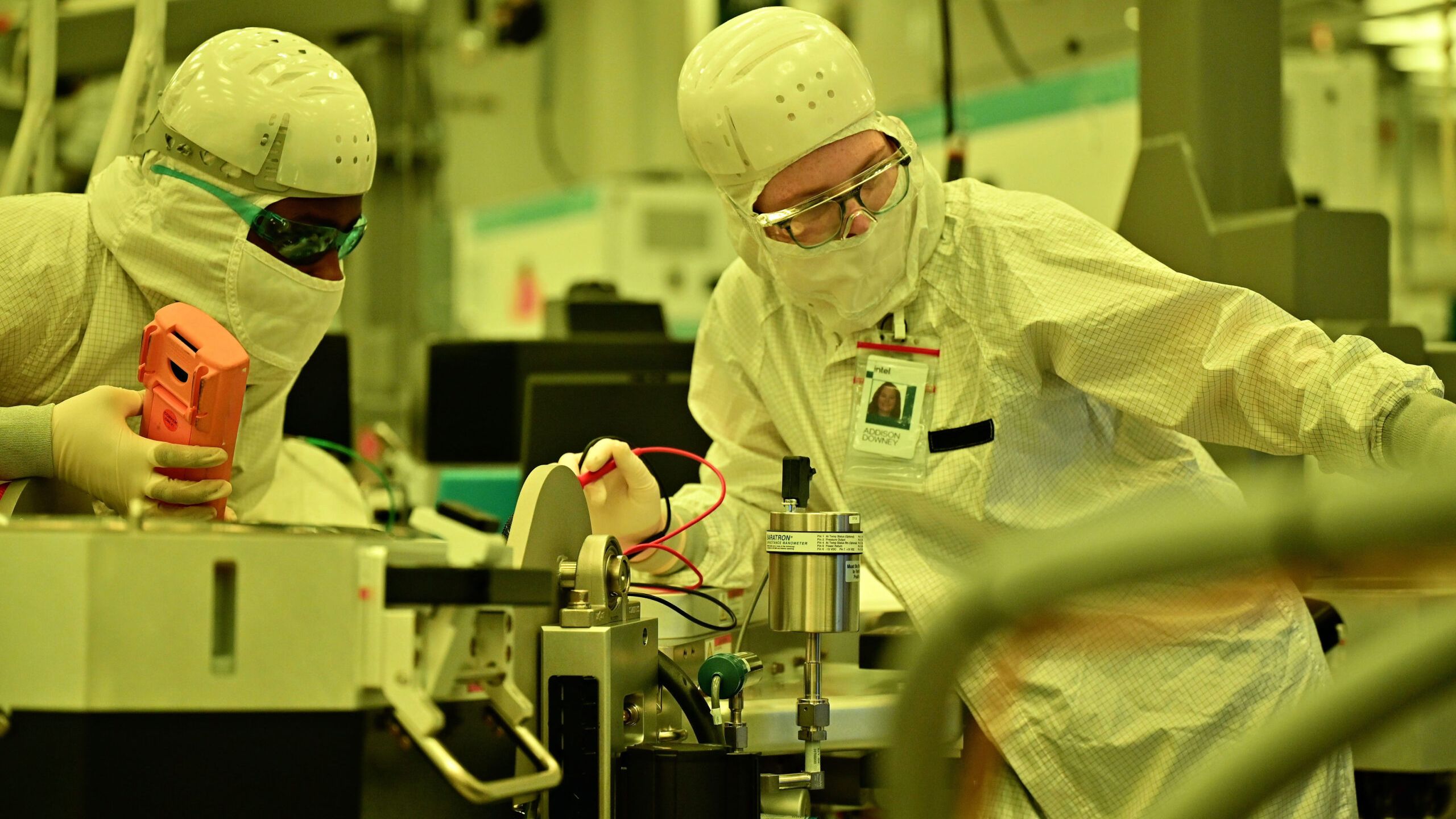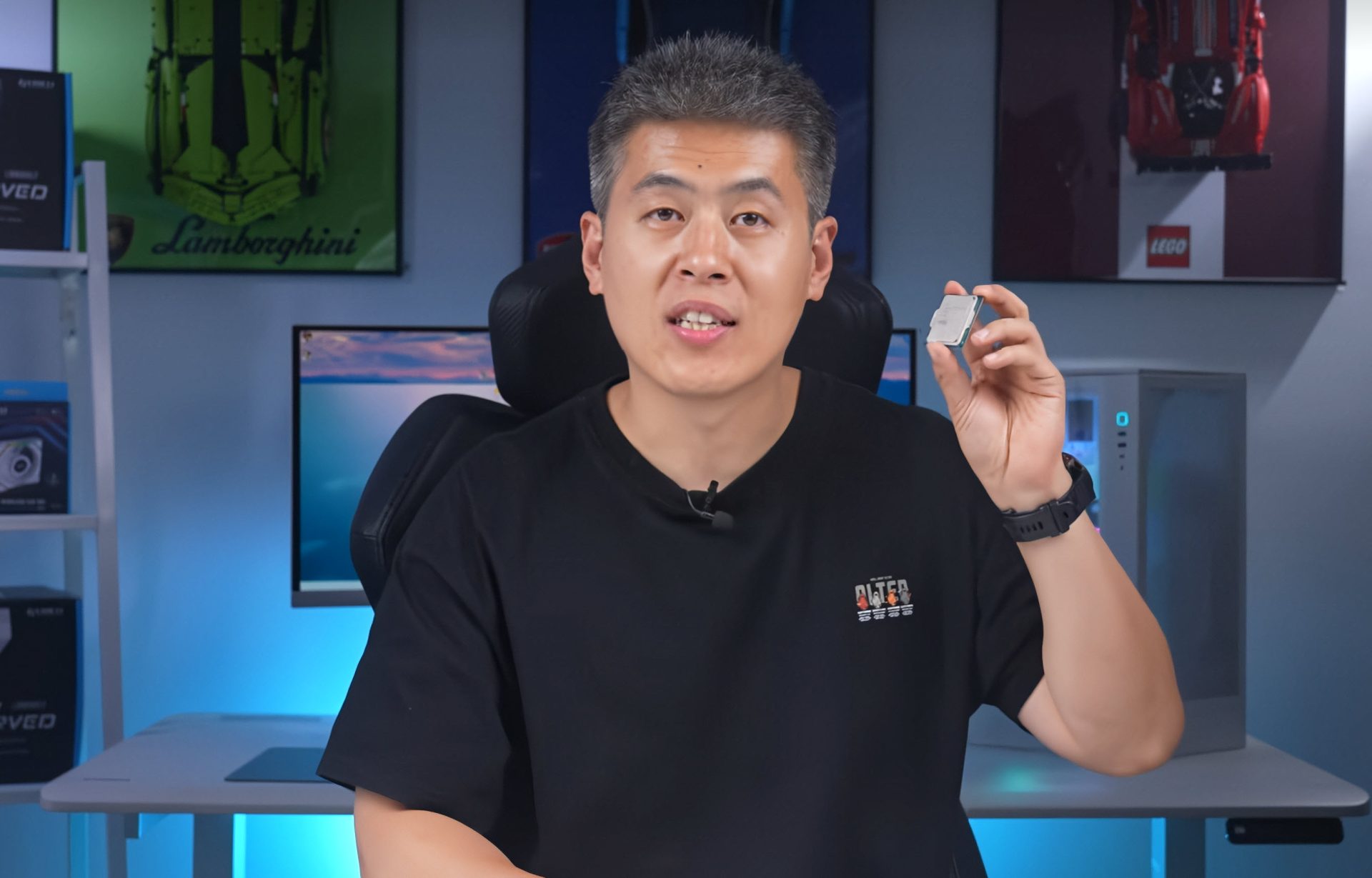
Look, the whispers around Intel’s 18A manufacturing process have been deafening. For months, the industry buzzed with anticipation – not just about the technology itself, but about who would get their hands on it first. Everyone figured it was a race for the bleeding edge, a strategic move in the grand AI chip arms race. But the reality? It’s shaping up to be a far more forceful directive. Intel isn’t just offering a new chip; it’s apparently dictating terms, and PC partners are finding themselves in a decidedly uncomfortable position.
The air was thick with speculation, particularly after reports surfaced about Apple’s potential interest in Intel’s 18A process for its M7 chip, with whispers of 14A for smartphone processors by 2028. This, coupled with analyst Ming-Chi Kuo’s take linking the Intel deal to Apple’s strategy to gain use over TSMC, painted a picture of calculated, high-stakes negotiation. It felt like watching a chess match played out on a global scale, with advanced manufacturing nodes as the key pieces.
Why the Sudden Shift? A Supply Chain Squeeze
But now, a different narrative is emerging, one that’s less about strategic alliances and more about blunt force. A recent report from The Nikkei Asian Review suggests Intel is less interested in partnership and more invested in pushing its 18A chips onto its PC customers, often at the expense of older, more readily available processors. This isn’t just a product refresh; it’s a mandate.
The implications are stark. PC manufacturers are reportedly being presented with a stark choice: accept the new, presumably more expensive, 18A chips or risk losing out on supply altogether. One executive quoted by Nikkei painted a grim picture: an order for 100 Intel 7 process CPUs yielded only 30 chips, with ten of those being the newer 18A variety. The implicit threat? Take it or leave it, because other customers are waiting.
This kind of demand, especially when it forces unexpected product redesigns, feels less like innovation enablement and more like coercion. Imagine building a beautiful, meticulously crafted clockwork mechanism, only to be told you have to swap out a key gear for a completely different, more complex one right before the grand unveiling. It’s not just a small tweak; it’s a fundamental architectural change, demanding new tools, new materials, and a whole lot of re-engineering. That’s the situation many PC makers are apparently finding themselves in.
The Costly Cascade of Redesign
And here’s the kicker: adopting these newer, more advanced chips isn’t a simple plug-and-play operation. These 18A chips, while promising greater performance or efficiency, often necessitate significant overhauls in product design. We’re talking about needing higher-quality displays, revised thermal management systems, and potentially entirely new motherboards. It’s an expensive cascade of changes that inevitably push back product launch timelines. For companies operating on tight schedules and razor-thin margins, this isn’t just an inconvenience; it’s a significant financial and logistical hurdle.
This situation brings to mind the early days of the semiconductor industry, where foundry economics and chip design were far more intertwined, and sometimes, less forgiving. Intel’s current approach feels like a throwback to an era where the chipmaker held immense sway, dictating not just the silicon but also the surrounding ecosystem. It raises questions about Intel’s strategy for its foundry services – is it aiming to be a co-architect of its clients’ products, or merely a supplier of cutting-edge silicon?
What’s particularly interesting, and perhaps a touch concerning from a PR perspective, is this aggressive stance. While securing orders for its latest manufacturing process is paramount for Intel, especially as it eyes external foundry clients, forcing such drastic measures on its most established PC partners feels like a high-risk, high-reward gamble. It risks alienating the very ecosystem that has historically sustained it. It’s like a chef insisting you use a brand-new, complex induction hob for every dish, even if your existing gas range works perfectly fine for the soup you’re making. The new tech might be superior, but forcing its adoption without a clear, beneficial reason can lead to indigestion.
This aggressive push for 18A adoption, coupled with the apparent scarcity of older node chips, paints a picture of a company prioritizing its own roadmap and future foundry ambitions above the immediate comfort and stability of its long-standing partners. The PC market, already navigating choppy waters with the rise of AI PCs and evolving consumer demands, now faces another layer of complexity, driven by Intel’s forceful vision for the future of chip manufacturing.
Will Intel’s Strategy Pay Off?
Ultimately, the success of Intel’s 18A strategy hinges on whether the perceived benefits of the new chip technology will outweigh the significant costs and disruptions for PC manufacturers. If these redesigned products fail to capture consumer interest or if the performance gains aren’t substantial enough to justify the expense, Intel could find itself with powerful chips but a weakened partner ecosystem.
🧬 Related Insights
- Read more: Intel’s ZAM: A 2x Bandwidth AI Memory Challenger Emerges
- Read more: Notebook Wars: Forget Specs, Your RAM Price Tag Decides Your Fate in 2026
Frequently Asked Questions
What is Intel’s 18A chip process? Intel’s 18A is a next-generation manufacturing process technology designed to produce advanced semiconductors. It’s part of Intel’s efforts to regain leadership in chip manufacturing and is being offered to external customers as well as used for Intel’s own products.
Why are PC partners forced to redesign their products? Adopting Intel’s new 18A chips often requires significant hardware changes in PC designs. This can include needing better displays, improved cooling systems, or different motherboard layouts to accommodate the capabilities or specifications of the newer, more advanced silicon.
Is Intel running out of older chips? Reports suggest that Intel may be experiencing supply constraints for its older manufacturing nodes, such as the Intel 7 process. This has led to customers receiving newer 18A chips as a partial fulfillment of orders placed for older technology.