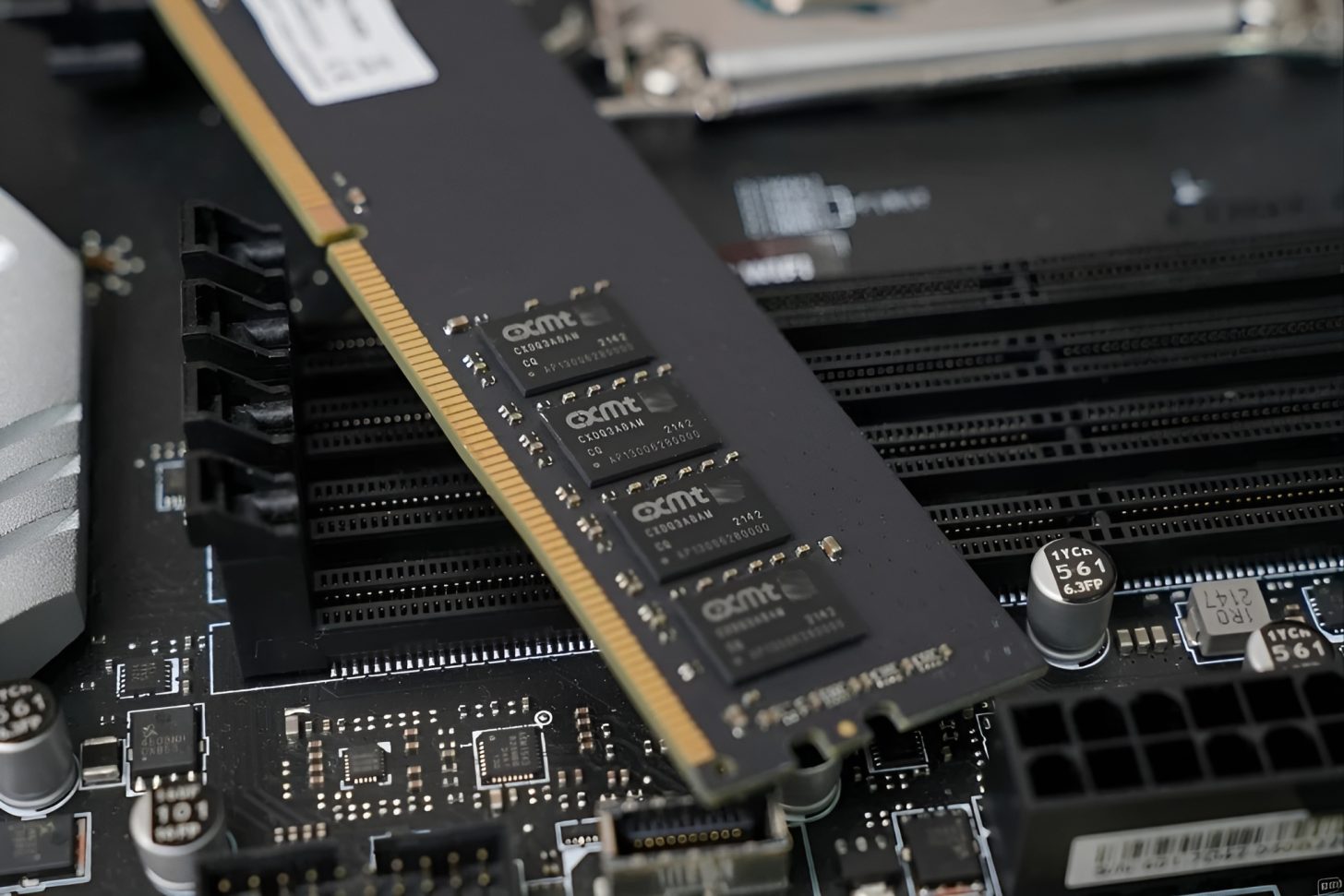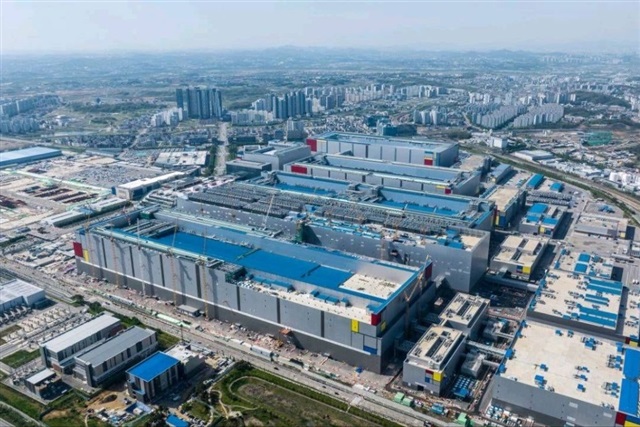
Everyone expected Micron to push domestic memory manufacturing. The question was always scale, capability, and speed. Today’s announcement from Manassas, Virginia, where Micron has officially begun producing 1α DRAM—the most advanced memory technology ever fabricated in the United States—suggests the company is moving with a seriousness that can’t be ignored. This isn’t a drill; it’s a declaration of intent to redraw the U.S. semiconductor map.
For years, the narrative has been clear: the U.S. has fallen behind in critical chip manufacturing, particularly memory. The reliance on overseas foundries, primarily in Asia, for everything from consumer electronics to defense systems created a palpable vulnerability. Micron’s $2 billion investment in its Manassas facility, expanding and modernizing it to produce 1α DRAM, directly addresses this chasm. This particular node, suited for long-lifecycle memory like DDR4, is critical for sectors that can’t afford frequent tech refreshes or supply chain shocks—think defense, aerospace, automotive, and industrial applications.
And here’s the thing: this isn’t just a regional boast. The attendance of high-level federal and state officials at the event—including the Secretary of Commerce and U.S. Senators—underscores the national significance. This move is framed not just as a corporate expansion but as a pillar of U.S. economic and national security strategy. The memory chips produced here will bolster the domestic supply chain, a move that’s become less of a preference and more of an imperative in today’s geopolitical climate.
Is This the Real Deal for US Memory Manufacturing?
Micron’s ambitions are staggering. The company’s $200 billion investment plan across the U.S. includes major fabs in Idaho and New York, projected to create tens of thousands of jobs and significantly increase domestic output. The Manassas facility, already supporting over 3,100 direct jobs, is expected to quadruple its DDR4 wafer supply by the end of 2026. This ramp-up isn’t a speculative bet; it’s a calculated response to the insatiable appetite of the AI era. Advanced memory is the bedrock of AI computation, and having domestic sources for it is becoming a strategic differentiator.
The messaging from CEO Sanjay Mehrotra is direct: “We are proud to bring advanced 1α DRAM manufacturing to American soil, strengthening domestic supply for U.S. customers and the global markets we serve.” It’s a clear signal that Micron sees itself as a linchpin in rebuilding America’s semiconductor muscle. The company’s positioning of this Manassas output alongside its leading-edge technologies being developed in Idaho and New York paints a picture of a comprehensive, U.S.-centric memory ecosystem.
But let’s inject a dose of reality. While this is a significant step, it’s part of a much larger, multi-year endeavor. The $2 billion investment in Manassas is substantial, but it’s a fraction of the $200 billion earmarked for the broader U.S. expansion. The real test will be the sustained execution and the ability to scale these operations to meet global demand while competing on cost and technological advancement. Corporate PR often paints a rosy picture, but the sheer scale of Micron’s commitment here suggests a genuine strategic pivot. They aren’t just building capacity; they’re investing in the very foundation of the next wave of technological innovation.
“Today’s achievement is an important step in Micron’s $200 billion investment plan to expand memory manufacturing and R&D in the U.S.”
Furthermore, Micron is not just focused on the silicon. The company’s commitment of over $325 million towards workforce development—through partnerships with community colleges, universities, and apprenticeship programs—is a critical, often overlooked, component of any manufacturing renaissance. Building fabs is one thing; staffing them with skilled technicians is another. The focus on programs like the Micron Registered Apprenticeship Program in Virginia highlights a pragmatic approach to talent acquisition, particularly tapping into veteran communities, a smart move that recognizes the discipline and technical acumen military service can foster.
This expansion of advanced memory manufacturing in the U.S. by Micron directly confronts the decades-long trend of offshore production. It’s a bold move that aligns with national industrial policy objectives and responds to the evolving demands of AI-driven markets. The data is clear: memory chips are no longer just components; they are strategic assets. Micron’s bet on Virginia is a bet on America’s technological future.
What Does This Mean for AI and National Security?
From a market perspective, this is significant. For U.S. customers in critical sectors, it means greater supply chain resilience and reduced lead times. For the broader AI ecosystem, it means a more stable, domestic source of the high-bandwidth memory (HBM) and other advanced DRAM that power the latest AI accelerators. While the 1α node is more focused on long-lifecycle products, it builds the foundational manufacturing expertise and infrastructure that can be use for future, more advanced nodes.
This initiative is, in essence, Micron saying they will be the primary U.S. player in memory manufacturing for the foreseeable future. Their ability to meet the stringent requirements of defense and aerospace, coupled with the growing needs of the automotive sector for reliable memory, positions them to capture significant domestic market share. The geopolitical implications are immense. Reduced reliance on foreign supply chains for critical components like memory chips is a national security imperative that cannot be overstated.
🧬 Related Insights
- Read more: NVIDIA’s 1,000,000x Efficiency Sprint: Real Moonshot or Just Better Chips?
- Read more: Hehui Electronics: Robotics and AI Drive 2026 Breakeven Target [Analysis]
Frequently Asked Questions
What types of memory is Micron producing in Manassas? Micron is manufacturing 1α DRAM, specifically DDR4 and LP4 products, which are suited for long-lifecycle applications.
Will this expansion affect the AI industry? Yes, by increasing domestic supply of advanced memory, it supports the infrastructure needs of the AI revolution and strengthens supply chain resilience for AI hardware.
How much is Micron investing in its U.S. expansion? Micron has a plan to invest $200 billion in memory manufacturing and R&D across the U.S., with the Manassas expansion representing a significant portion of that initial outlay.