Quantum Chips Hit a Snag: New Compiler Tries to Fix It
Quantum computers are getting bigger, but connecting all the pieces is a nightmare. A new compiler called Chipmunq aims to untangle this mess for the chiplet era.

In-depth coverage of the latest Chip Design & Architecture developments, trends, and analysis — curated daily.
Quantum computers are getting bigger, but connecting all the pieces is a nightmare. A new compiler called Chipmunq aims to untangle this mess for the chiplet era.

Forget time-consuming cross-sections. Researchers have unveiled a reflectometry breakthrough, measuring nanostructures with astonishing 8nm precision, paving the way for faster semiconductor manufacturing.
Infineon researchers are using AI to tackle a major bottleneck in chip design. Forget brute-force methods; this is about smart automation.
The future of computing is stacking up, but it’s getting zapped. A new paper reveals a critical vulnerability in next-gen chiplet designs.
It's hard to imagine modern tech without the FPGA. This unassuming chip, now 40 years old, is quietly powering everything from AI breakthroughs to critical infrastructure.
China just announced a supercomputer project, Lingshen, aiming for an eye-watering 2 ExaFLOPS. The catch? It's all CPU. No GPUs, no foreign parts. Sounds ambitious, right? Or maybe just a lot of hot air.
Forget soaring stock prices for a moment. Cadence's latest numbers reveal a tectonic shift in how the chips powering your world are conceived.
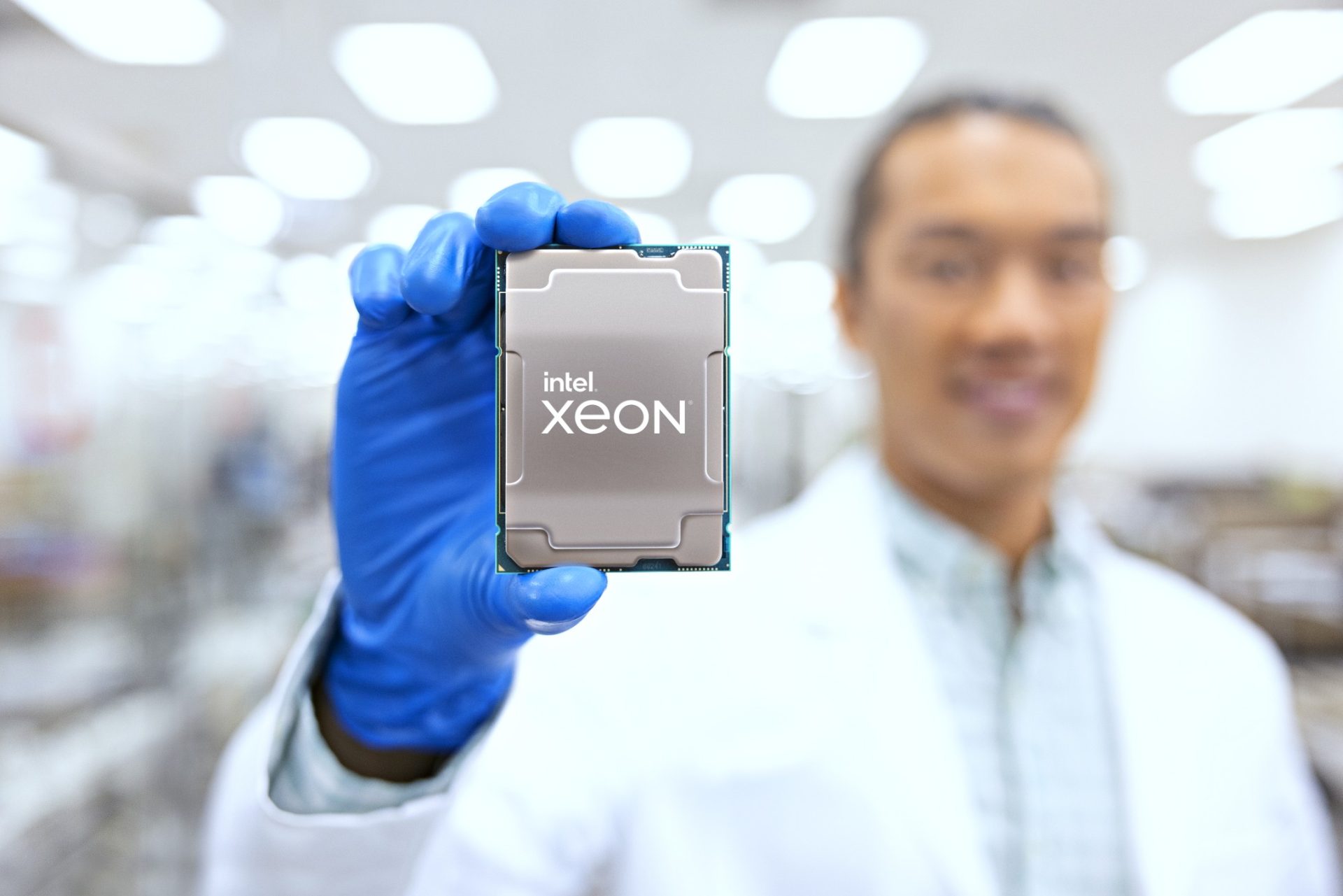
Intel's ambitious Diamond Rapids Xeon, promising a colossal 512 cores, has been pushed back to 2027. Meanwhile, the subsequent Coral Rapids generation is slated for 2028, signaling a return of SMT and a strategic pivot towards AI workloads.
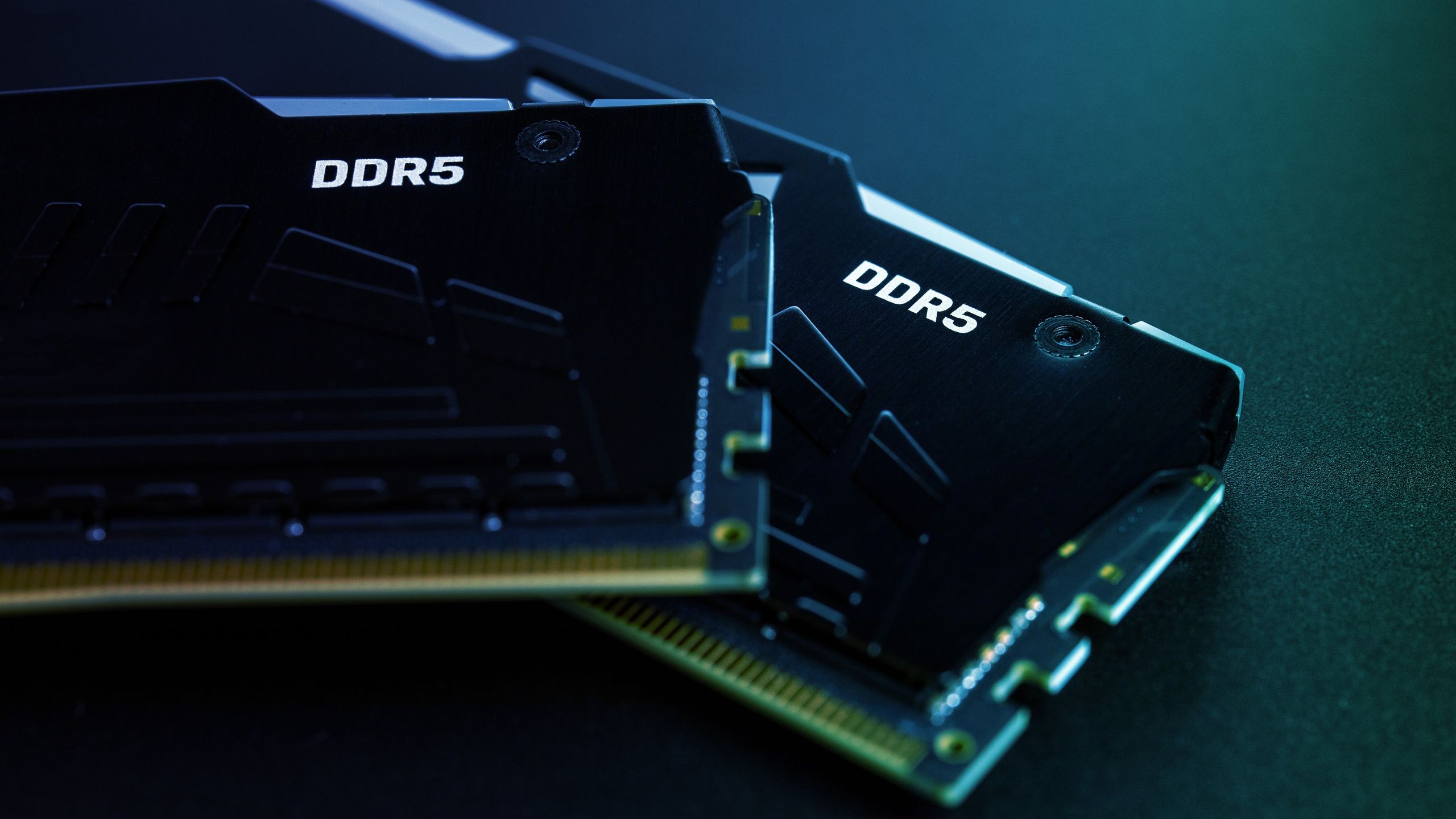
AMD's EXPO 1.2 memory tech is finally here for AM5, promising faster DDR5 speeds. But don't expect immediate fireworks; the true potential is locked for Zen 6.
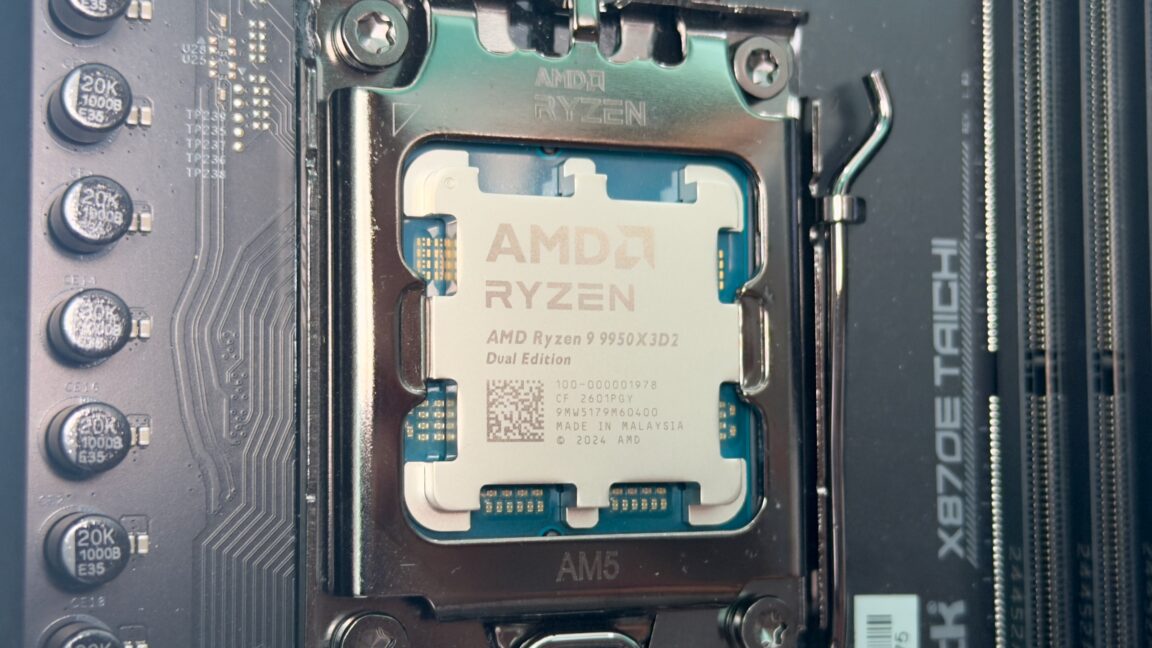
Everyone expected AMD's next 3D V-Cache beast to crush Intel and dominate gaming. Instead, the Ryzen 9 9950X3D2 Dual Edition delivers a whisper of speed for a shout of cash. Smart engineering, dumb pricing.
Wide-bandgap semiconductors are replacing silicon in power electronics, enabling smaller, cooler, and more efficient systems across electric vehicles, renewables, and data centers.
Samsung's Exynos 2600 didn't emerge from innovation — it was forged in the fire of a $3 billion Qualcomm bill. Now, with Galaxy S27 ramping Exynos to 50%, is autonomy worth the risk?