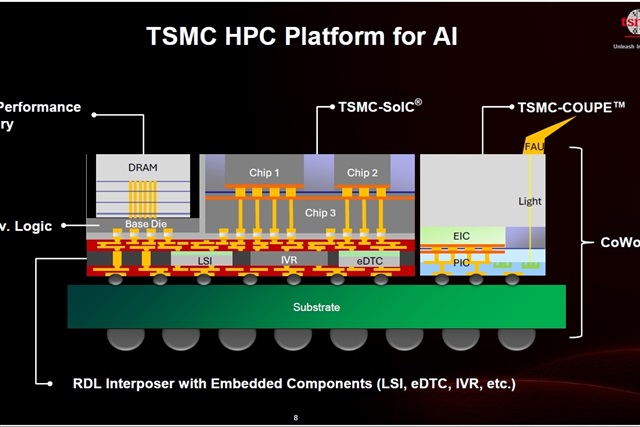
Look, what does this news mean for you, the guy trying to buy a new graphics card or upgrade his phone without taking out a second mortgage? It means the already astronomically complex and politically charged supply chain for cutting-edge chips just got a little more opaque. GPTC, a name you probably haven’t heard but absolutely should know if you care about where your silicon actually comes from, is the company that makes some of the special sauce for TSMC’s CoWoS advanced packaging. That’s the fancy stuff that lets them cram more power into smaller spaces, the kind of tech that underpins your AI dreams and your high-end gaming rigs.
And now, they’re saying, nope, nothing went to China. Zero. Nada. They issued a press release, the corporate equivalent of a shrug and a hasty denial, insisting that all the rumors about their top-tier tech ending up in the hands of the dragon are just that: rumors. No technology leaks observed, they proclaimed, with all the conviction of a politician caught with their hand in the cookie jar. But here’s the rub, and this is where my cynicism kicks into high gear: while they’re telling the world they’re squeaky clean, they’re also taking their ex-General Manager, Huang Fu-Yuan, to court. Suspected trade secret infringement, they allege. This isn’t exactly a vote of confidence in their internal security, is it? It screams ‘something’s up, and we need to contain it.’
Is This Just Corporate Theater?
It’s almost too perfect. A company allegedly the victim of a tech leak, simultaneously suing one of its own top brass. The timing is… convenient. It allows GPTC to project an image of proactive defense and victimhood. They’re not just denying the leak; they’re fighting it. But is this a genuine pursuit of justice, or a calculated PR move to quash any lingering suspicions and shield themselves from blame? Given the relentless pressure on China regarding chip technology and the US-led sanctions, any hint of a leak is a five-alarm fire. GPTC saying ‘we didn’t do it, and look, we’re even suing someone about it!’ sounds like a preemptive strike in the ongoing geopolitical chip wars.
My two decades in this circus have taught me one thing: follow the money, and always, always question the narrative. GPTC is denying a leak. Fine. But why the public spectacle of suing their former GM right now? It’s almost as if they’re trying to redirect attention from the possibility of their own internal security flaws, or perhaps even signal to TSMC and their other clients that they’re taking intellectual property protection very seriously – even if it means airing dirty laundry.
And let’s not forget, this isn’t the first time TSMC’s supply chain has been in the news for security hiccups. We’ve seen TSMC employees caught leaking information before. It’s a high-stakes game where brilliant minds are incentivized to make the impossible happen, and sometimes, that pressure cooker environment can lead to things bubbling over. The idea that technology never leaks in this hyper-competitive, multi-billion-dollar industry is, frankly, laughable.
The company has also said that it is fully cooperating with prosecutors and investigators of the case to protect the rights and interests of GPTC. All of its employees must abide by the company’s relevant regulations.
This quote, while sounding very official, doesn’t actually say much. They must cooperate. They must enforce regulations. But does it mean they will uncover anything, or that they’re even looking in the right place? It’s corporate speak for ‘we’re going through the motions.’
What’s Really Going On Behind the Scenes?
Forget the press releases for a second. What’s the underlying reality? China is absolutely desperate to catch up in advanced semiconductor manufacturing. They’re facing crippling sanctions from the US, which means they can’t just buy the best gear from companies like ASML. So, they’re trying to build it themselves, or… acquire it through less savory means. This involves poaching talent and, yes, potentially seeking out proprietary technology. GPTC’s CoWoS packaging is a critical piece of that puzzle. It’s not just about making chips; it’s about making them better, smaller, and faster. That’s where the real performance gains are happening these days.
So, while GPTC is busy pointing fingers at its former GM, the larger question remains: was there a leak, and if so, was it an isolated incident involving one disgruntled executive, or a more systemic vulnerability? And if GPTC is so confident no tech made it to China, why the lawsuit at all? Couldn’t they have just fired the guy quietly? The public accusation suggests a desire to make a statement, but it also opens them up to more scrutiny.
Ultimately, for the end-user, this means continued uncertainty. It reinforces the fact that the chip supply chain is a minefield. Every disruption, every accusation, every lawsuit adds friction and cost. Expect your next tech upgrade to be even more expensive, and don’t be surprised if the explanations for delays get a lot more convoluted.
Key Terms:
- CoWoS (Chip-on-Wafer-on-Substrate): A type of advanced semiconductor packaging technology crucial for high-performance chips.
- GPTC (Grand Process Technology Corporation): A key supplier for TSMC’s CoWoS packaging.
- Trade Secrets: Confidential information that provides a competitive edge.
Why Does This Matter for Your Next Gadget?
It’s simple. The more friction there is in the supply chain, the more expensive your gadgets become. If GPTC’s technology did somehow get out, it could accelerate China’s progress in chip manufacturing, potentially leading to new competitive pressures down the line. Or, if the lawsuit is a distraction and there’s a deeper problem, it could lead to production disruptions. Right now, it’s a tangled web of denials, accusations, and geopolitical maneuvering, and you, the consumer, are just trying to buy a functioning piece of tech without breaking the bank.
What’s GPTC’s End Game Here?
My bet? Damage control. They need to assure TSMC, their other clients, and the market that they have their house in order. Denying a leak while prosecuting an insider is a two-pronged approach: deflect external blame and project internal discipline. It’s a classic Silicon Valley maneuver: when in doubt, sue someone. Who actually made money here? Probably the lawyers involved in the lawsuit. And GPTC gets to look like they’re fighting the good fight, whether they actually caught a genuine thief or just a convenient scapegoat.