Samsung's AI Chip Output Stalled by Bonus Fury
A colossal bonus gap at Samsung has triggered internal revolt, halting critical AI chip production. Millions in payouts are on the line, and the tech world is watching.

Sixty-eight years ago, something monumental sparked into existence – the transistor. It wasn't just another gadget; it was the Big Bang of the digital age, and it's now the unsung hero of our AI-powered future.
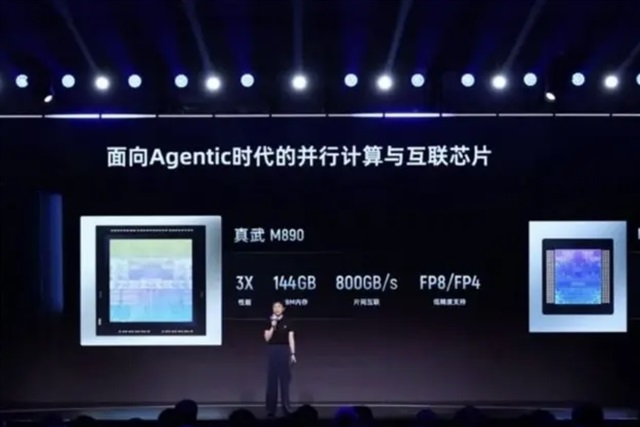
The AI chip race just got another serious contender. Alibaba's T-Head Semiconductor has dropped the Zhenwu M890, a new proprietary chip designed to power everything from training massive models to running inference on agentic AI.
SK hynix isn't just collecting awards for HBM4; they're repositioning the entire AI memory market. The company's recent accolades highlight a strategic pivot toward deeply customized solutions and advanced NAND, underscoring a profound architectural shift in how data centers will operate.
Qualcomm's grip on Samsung's smartphone silicon market appears tighter than anticipated. Despite Samsung's renewed push with its Exynos chips, Qualcomm says its share remains strong above 70%.
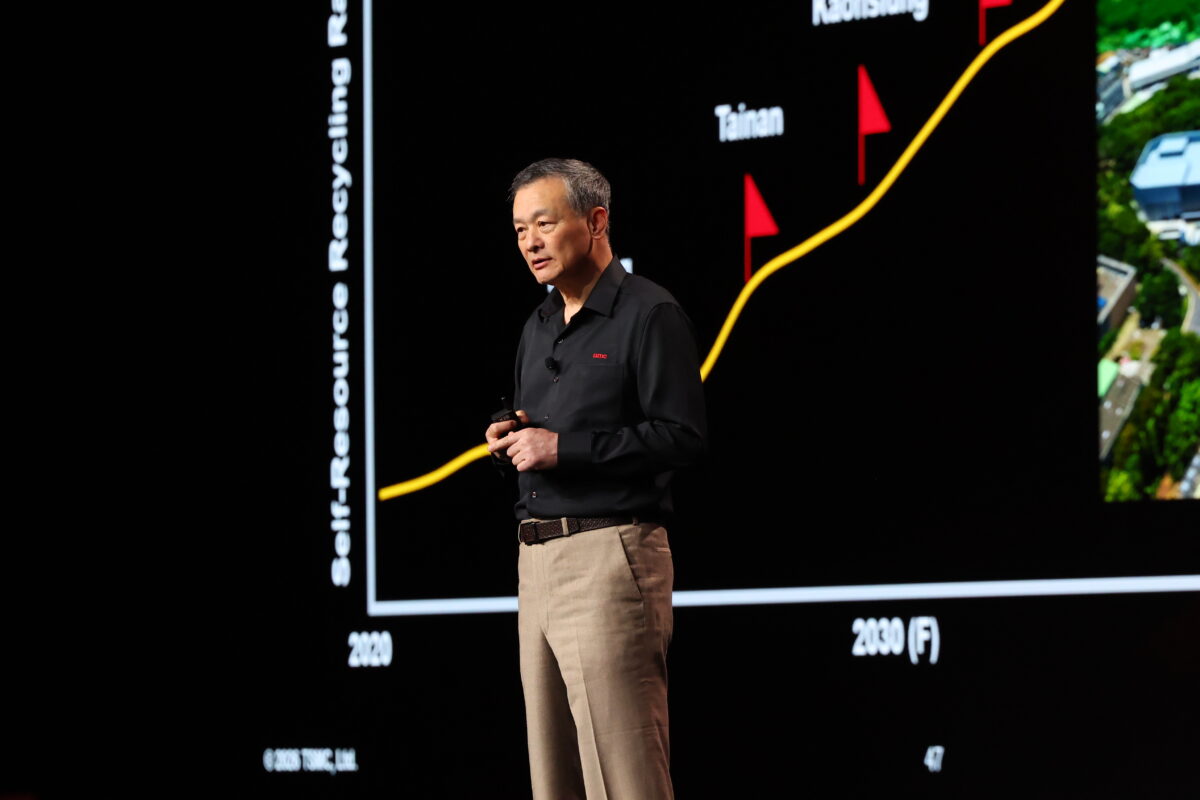
TSMC's N2 node is live, and the company isn't just building chips, it's building a new manufacturing paradigm. AI is the engine driving this unprecedented speed.
It's hard to imagine modern tech without the FPGA. This unassuming chip, now 40 years old, is quietly powering everything from AI breakthroughs to critical infrastructure.
Another week, another whisper of Chinese tech theft, and a wafer fab supplier scrambling to deny it. This time it's GPTC, a critical cog in TSMC's advanced packaging machine, finding itself in the crosshairs.