Sweat’s pouring off AI servers like never before. Taiwan’s thermal solution providers—those unsung heroes gluing heatsinks and pumping coolant—just hit warp speed into a structural AI growth phase, fueled by liquid cooling’s mad dash adoption. Boom. 2026 projections? Fastest-growing niche in the AI hardware circus.
But here’s the thing. Their revenue? Pathetic specks compared to TSMC’s semiconductor empire or the big AI server ODMs. We’re talking crumbs while the chip gods feast. Yet, analysts whisper ‘explosive growth’—because nothing says ‘investment gold’ like overheating GPUs begging for mercy.
“Taiwan’s thermal management suppliers are emerging as one of the fastest-growing segments in the AI hardware ecosystem in 2026, even though their absolute revenue scale remains far below that of semiconductor leaders such as TSMC and large AI server…”
That’s the raw quote from the tracker report. Snappy, right? Captures the hype—and the asterisk-sized reality check.
Why Liquid Cooling’s Suddenly King?
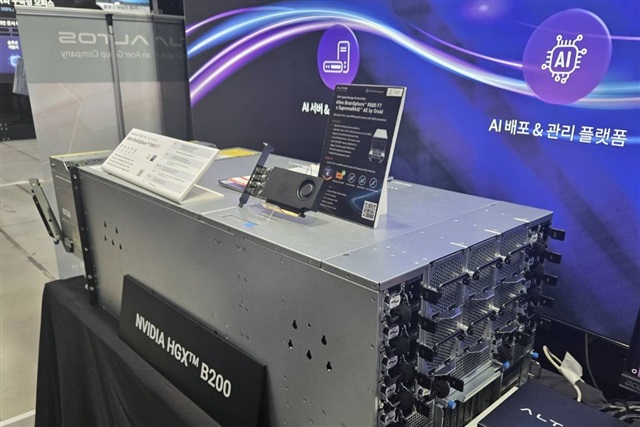
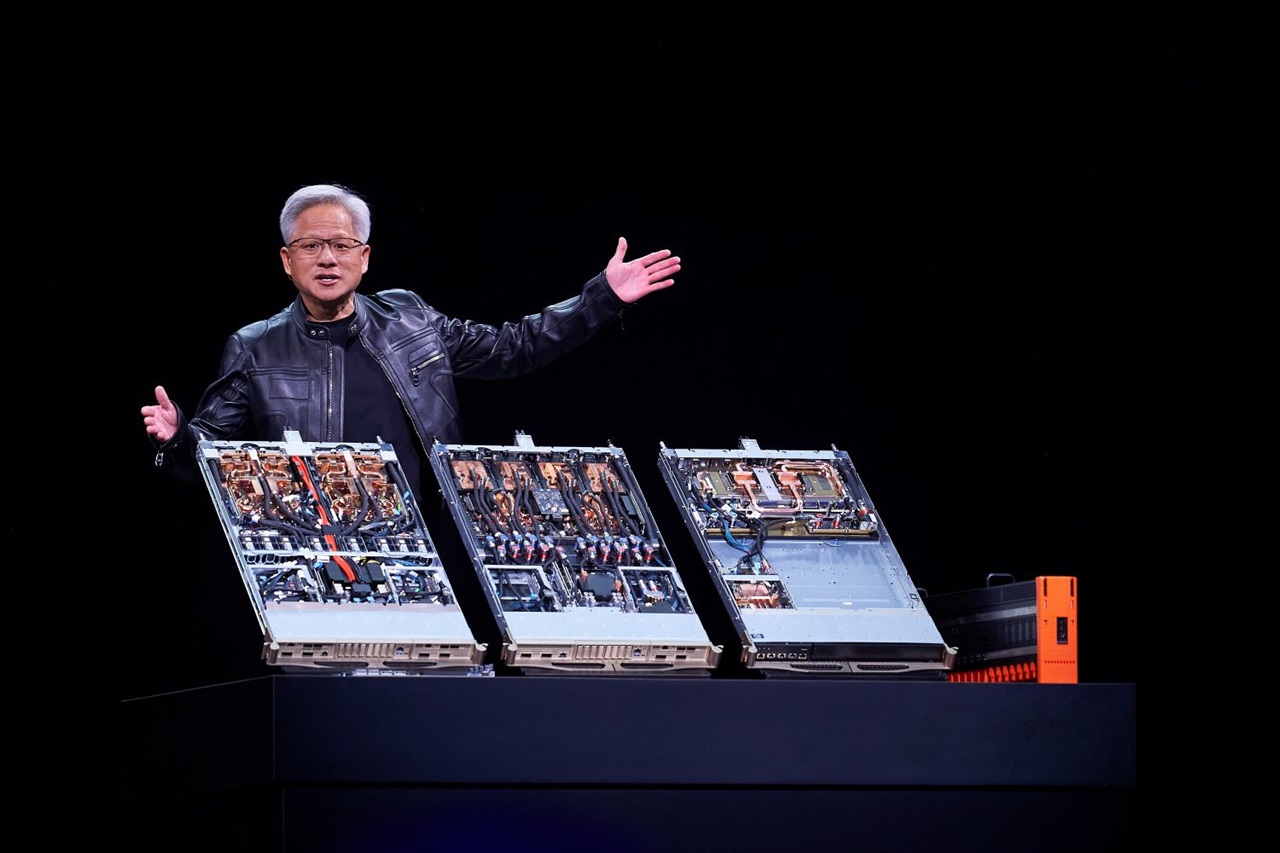
AI chips guzzle power like frat boys at a kegger. NVIDIA’s Blackwell monsters? We’re talking 1,000W+ TDP per die, stacked in racks that’d melt a lesser setup. Air cooling? Dead. Fini. Liquid steps in—tubes snaking coolant through the guts, slashing temps by 30-40%. Taiwan firms like Asia Vital Components (AVC), Delta Electronics, and Foxconn’s thermal arms? They’re the plumbers cashing in.
Growth phase? Structural, they say. Not a blip. Data centers scaling to megawatt clusters demand it. Hyperscalers—Google, Microsoft, AWS—won’t wait for fans to croak. Prediction time: By 2027, 60% of new AI deployments liquid-cooled. Taiwan snags 70% market share. Why? Proximity to TSMC fabs, nimble supply chains, and—let’s be real—cheaper than US or Euro rivals.
One paragraph wonder: Smells like 2010s memory boom redux.
Back in the day, DRAM suppliers rode NAND’s wave from also-rans to fat cats. Thermal’s got that vibe—essential, overlooked, now indispensable. Except, unlike memory’s price wars, cooling’s margins might hold. No Moore’s Law to commoditize pipes and pumps.
Is This Just PR Spin from Taipei?
Look. Taiwan Inc. loves a good narrative. TSMC dominates headlines, but downstream plays need love too. “Structural growth phase”—fancy talk for ‘we’re hitching to AI’s wagon.’ Skeptical eye: Revenue scale’s “far below.” Translate: Tiny. 2025 estimates peg the sector at $2-3B. TSMC? $100B club. Servers from Quanta, Wistron? Double that.
Corporate hype radar pings hard. These providers aren’t inventing liquid tech—they’re assemblers, scalers. Innovation? Meh. But execution? Gold. Remember COVID supply snarls? Taiwan didn’t flinch. Now, with US-China tensions, they’re the safe bet. Bold call: If tariffs bite, thermal stocks moon 3x by 2028. Undervalued gems in a frothy AI market.
And the risks? Overcapacity. Everyone piles in, prices tank. Or air cooling 2.0—some immersion wizardry kills liquid demand. Unlikely, but hey, tech’s littered with tombstones.
Short burst: Cash cow or mirage?
Diving deeper—supply chain ripple. Thermal firms source from China for pumps, but assembly’s Taiwan-pure. Geopolitics bonus: Less exposed than rare earths. Hyperscalers diversify, sure, but Taiwan’s lock on high-end servers (80% share) cements it. Foxconn’s vertically integrated? Laughable advantage. They build iPhones; now they chill AI brains.
Who Wins, Who Loses in the Heat?
Winners: Midcaps like AVC, Shinfox. Up 50% YoY orders, per whispers. Delta? Already fat on power supplies, doubles down. Losers: Air cooling holdouts—US firms scrambling.
Unique twist nobody’s saying: This mirrors the PC era’s thermal pivot. Early 2000s, Intel pushed air limits; Taiwan iterated. Result? Billion-dollar empires. History rhymes—AI’s the sequel, liquid’s the plot twist.
Paragraph sprawl ahead. So, picture this: Racks humming at 100kW, coolant loops hissing efficiency, Taiwan fabs churning plates for TSMC’s CoWoS beasts. Revenue lags now, but velocity? Breakneck. 40-60% CAGR through 2026, trackers say. That’s not growth; that’s eruption. Investors drool—valuations at 15x forward earnings, versus semis’ 40x. Bargain bin alert. But don’t sleep: Execution risk high. One coolant leak scandal, and poof—trust evaporates.
Wrapping the snark: Exciting times if you’re long Taiwan industrials. Rest of us? Watch the servers sweat.
Will Taiwan’s Thermal Boom Last?
Yes—if AI power walls hold. No—if efficiency leaps kill heat. My bet: Lasts a decade. Power density’s only climbing.
How Does Liquid Cooling Change AI Servers?
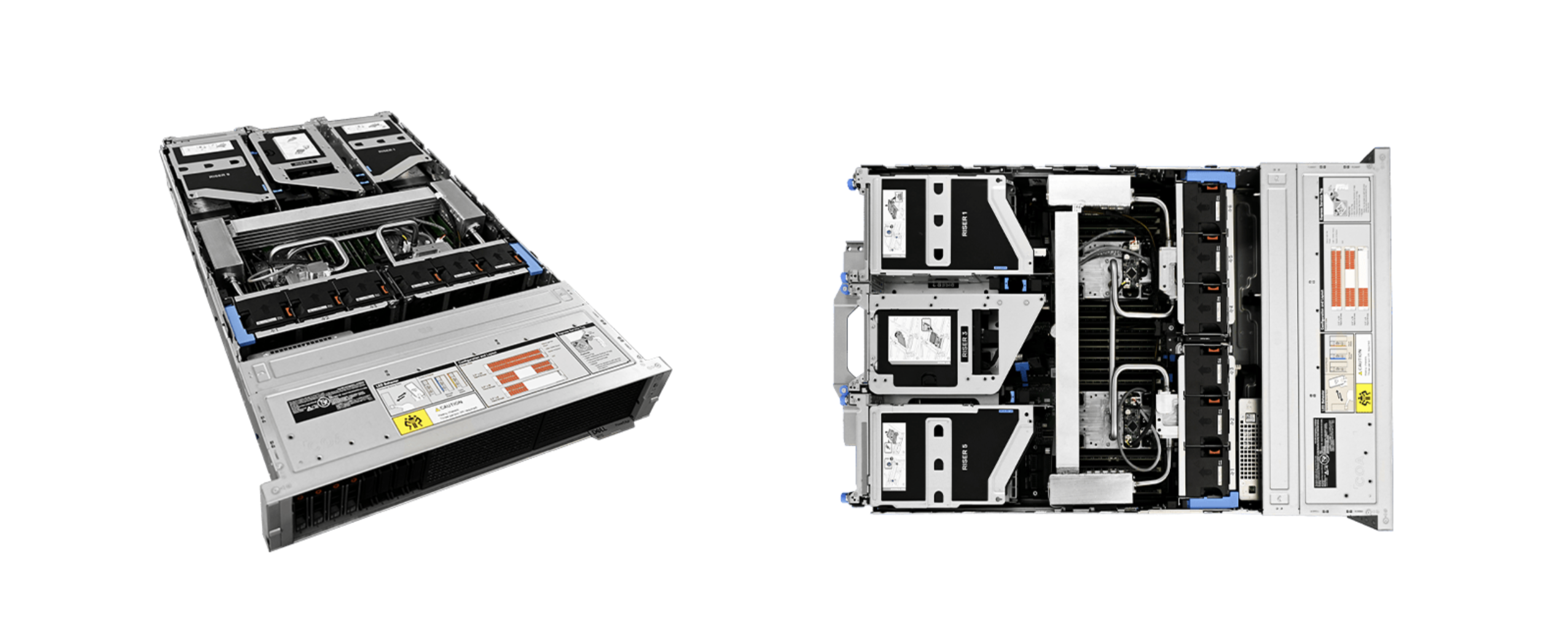
Direct-to-chip loops cut energy 20%, pack denser racks. Taiwan executes flawlessly.
**
🧬 Related Insights
- Read more: Optical Metamaterials Swap Cloaks for AI Data Center Speed Demons
- Read more: Intel & SambaNova: The Quiet AI Hardware Shakeup
Frequently Asked Questions**
What are Taiwanese thermal solution providers?
Firms like AVC, Delta, Foxconn units specializing in AI server cooling—now pivoting hard to liquid systems.
Is liquid cooling essential for 2026 AI servers?
Absolutely. Air can’t handle 1kW+ chips; liquid’s the only scalable fix.
Will thermal suppliers catch TSMC revenue?
Not soon—maybe 2030s. But growth rates? They’ll lap the field.