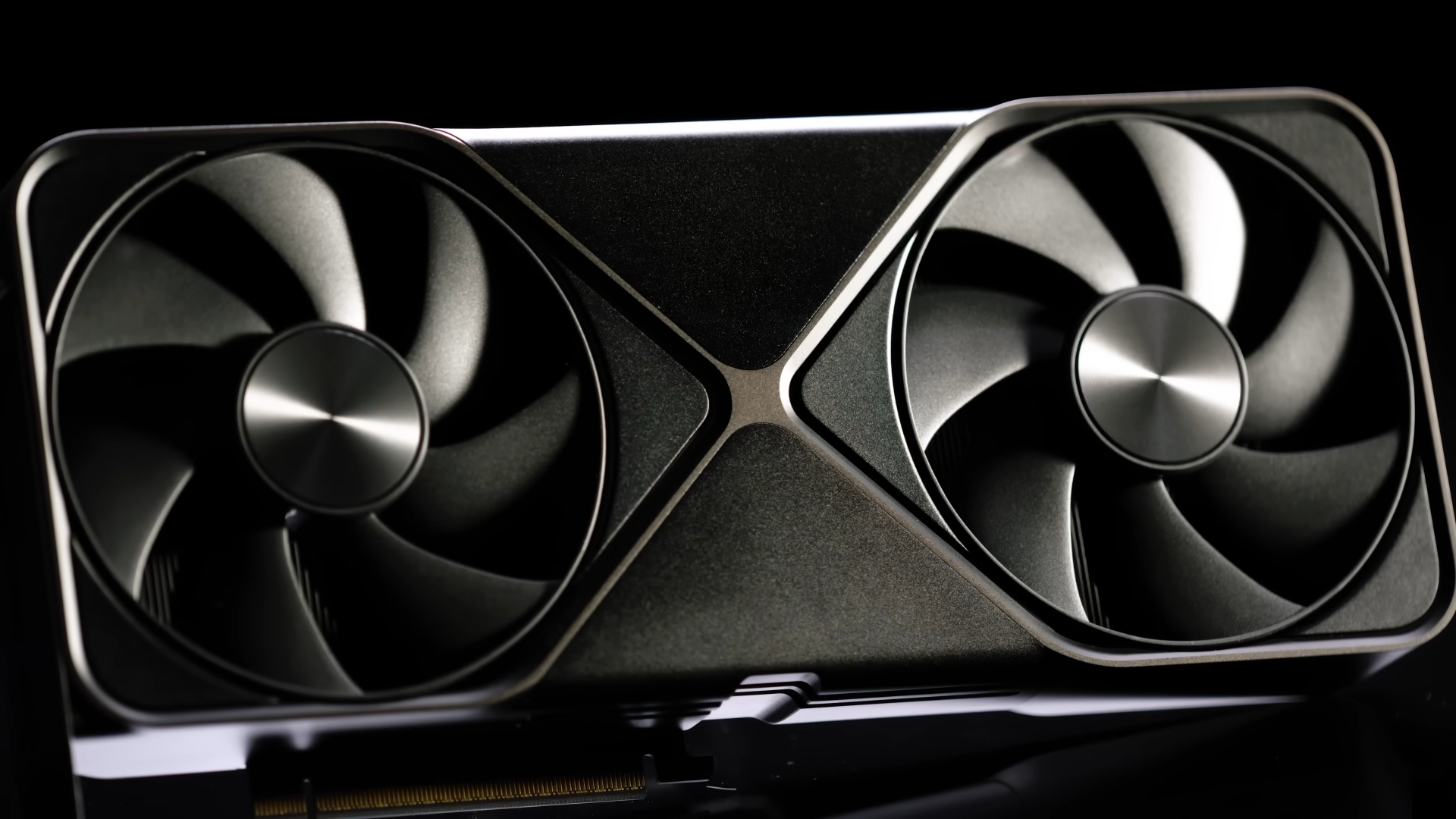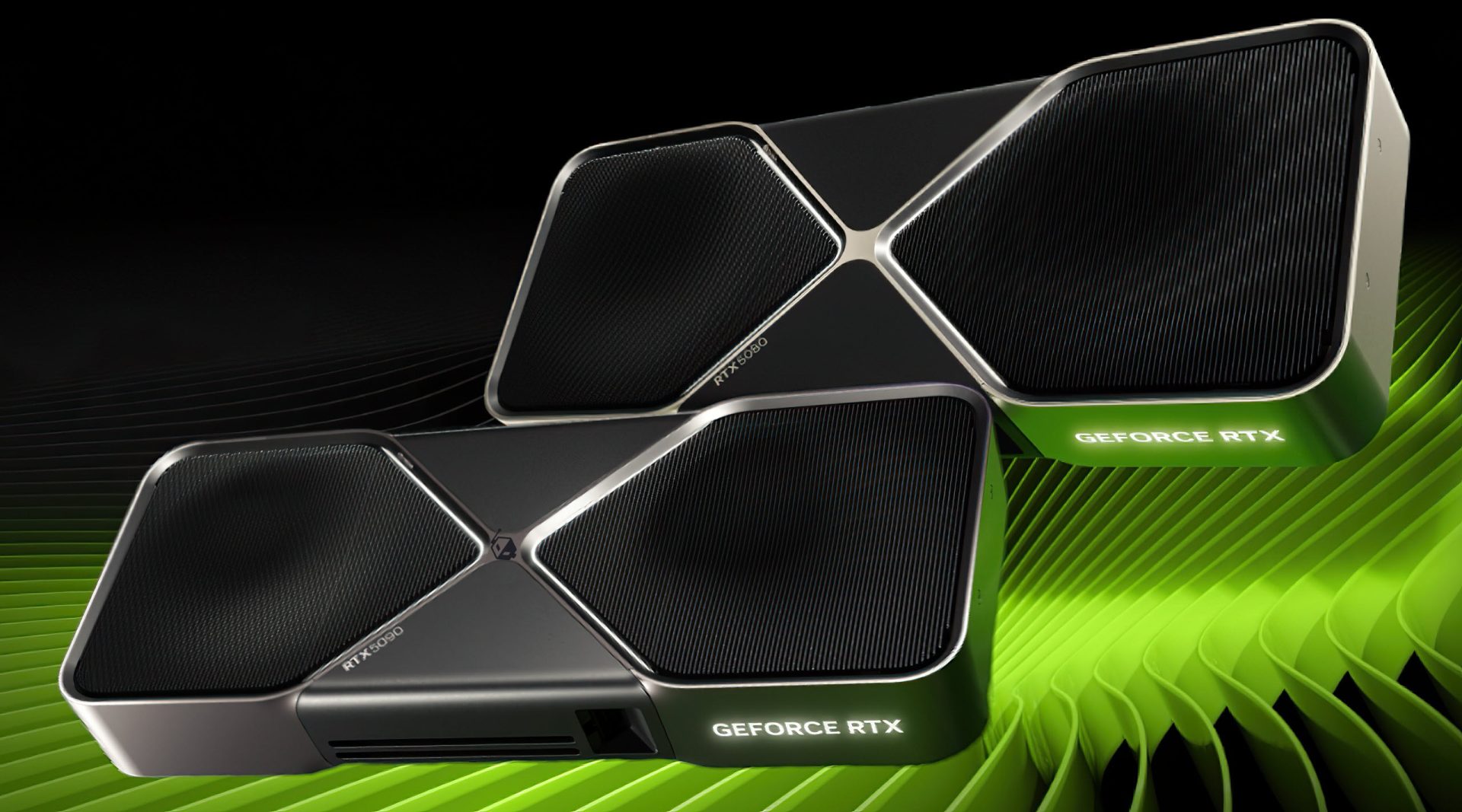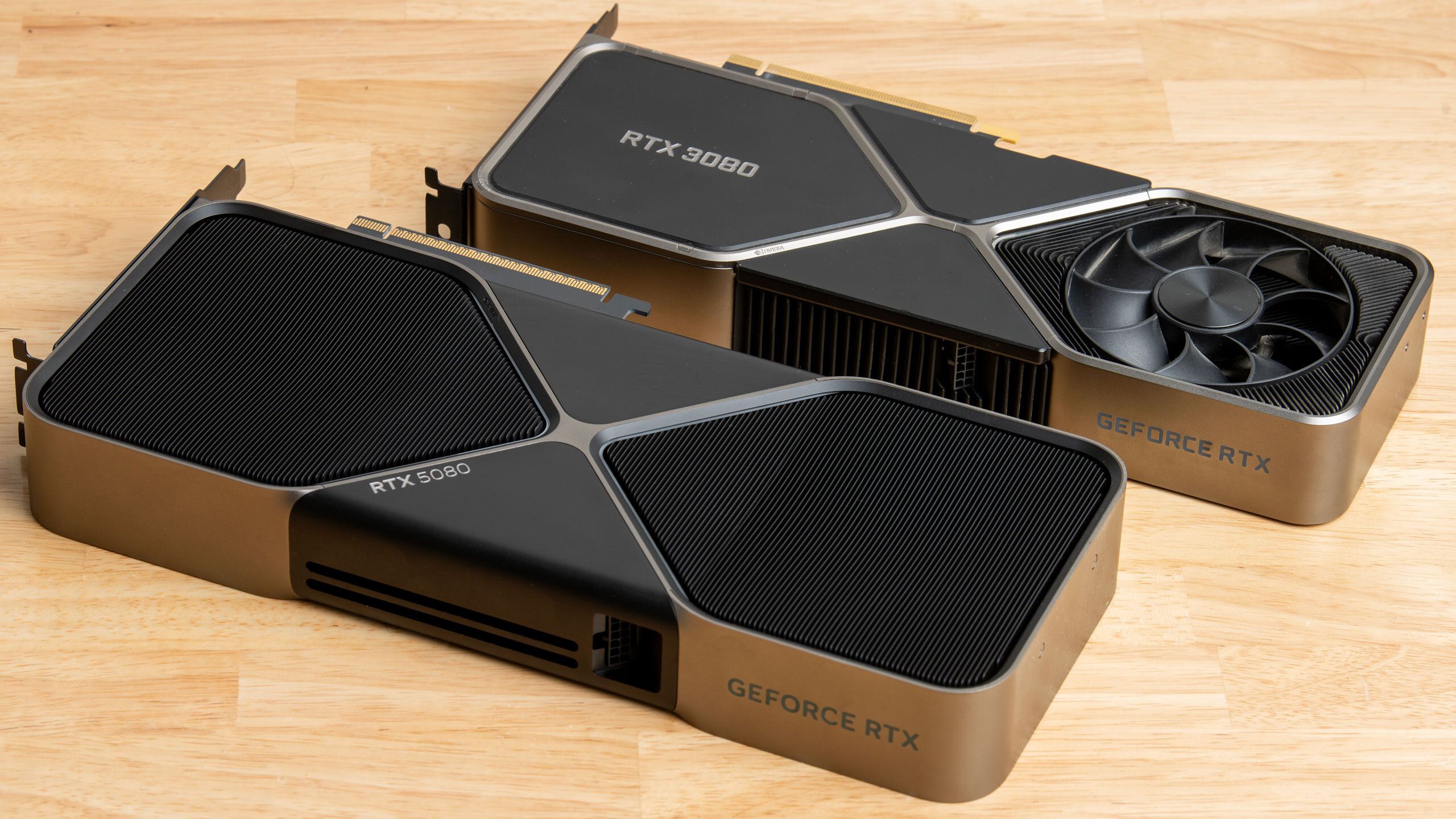
The market consensus, if you could call it that, was clear: SLI is dead, multi-GPU setups are relics of a bygone era, and we’re all supposed to be moving on to single, monstrously powerful cards. Anyone suggesting otherwise was met with a polite, or sometimes not-so-polite, dismissal. Until now.
A recent exploration into NVIDIA’s proprietary physics engine, PhysX, has thrown a rather large wrench into that narrative. It turns out that for a specific — and arguably, still relevant — class of games, pairing a high-end GPU with a modest secondary card can yield startling performance gains. This isn’t about gaming’s future; it’s about making its past shine brighter.
PhysX, for those who’ve blissfully forgotten or were too young to care, originated with NovodeX AG in 2001. Ageia acquired it, pushing hardware-accelerated physics via its own Processing Units (PPUs). NVIDIA swooped in in 2008, absorbing the tech and integrating it into its GeForce line. The promise? More realistic explosions, crumbling environments, and a general bump in graphical fidelity that — at the time — our CPUs just couldn’t handle.
The core idea behind GPU acceleration for PhysX is simple: graphics cards possess thousands of parallel cores, perfectly suited for the myriad simultaneous calculations required for complex physics simulations. CPUs, with their more serial processing approach, simply couldn’t keep pace, especially in the 2005-2015 window when PhysX integration was at its zenith. Systems without hardware acceleration saw performance plummet as the CPU buckled under the strain.
Even with modern CPUs, the legacy PhysX implementations in games like Batman: Arkham titles or Metro 2033 were so deeply optimized for GPU pipelines that they remained a bottleneck. And here’s where it gets interesting: the recent launch of NVIDIA’s RTX 50-series inadvertently created a new problem. Deprecating 32-bit CUDA support meant these new cards struggled with older PhysX titles. A subsequent driver update in December 2025 specifically re-enabled 32-bit PhysX support for the RTX 50-series in select games, a move that seemed like a patch rather than a strategic repositioning. Until now.
The Dual-GPU Paradox
Enabling GPU-accelerated PhysX, even on a single, powerful card, historically came with a significant performance penalty. Reports suggest drops of 40-70% in games like Batman: Arkham. This is where the dual-GPU strategy, a technique gamers have employed for years, re-enters the conversation. By dedicating a secondary GPU solely to PhysX calculations via the NVIDIA control panel, the primary GPU is freed up to focus on rendering the game world. This isn’t SLI; it’s a specialized division of labor.
What happens when you pair the current king of consumer silicon, the RTX 5090, with a mid-range workhorse like the RTX 5060 as a dedicated PhysX processor? The results are, frankly, eye-opening.
The Testbed: High-End Meets Mid-Range
To conduct this experiment, a strong test system was assembled:
- MSI GeForce RTX 5090 Vanguard SOC
- Asus Dual GeForce RTX 5060 OC
- Ryzen 7 9800X3D
- 64GB DDR5 @ 6200 MHz CL30
- Crucial T700 Gen5 SSD
- Asus ROG STRIX B850-F Gaming WiFi
- Corsair Nautilus 360 RS AIO Cooler
- HAGS enabled
- Windows 11 25H2 (Build 26200.7922)
- Nvidia Driver 595.76
Testing focused on Batman: Arkham titles at 4K with maximum settings, including PhysX, utilizing in-game benchmarks to capture a consistent snapshot of performance.
Arkham Asylum: A Dramatic Rebirth
Batman: Arkham Asylum is a veritable showcase for PhysX effects: dynamic fog, tear-able cloth, environmental destruction. The findings here were striking.
We can see a massive 76% increase in average framerate going from a single 5090 to a 5090 with a 5060 as a dedicated PhysX GPU. We also get a nice 22% increase in the 1% lows.
This isn’t a minor tweak; it’s a fundamental shift in playable framerates, pushing the experience towards a fluid near-400 FPS. Intriguingly, the RTX 5060, burdened solely with PhysX, operated at an average utilization of just 19%, peaking at 27%. This suggests significant headroom even on the secondary card, hinting at the sheer overkill PhysX can represent.
Arkham City: More of the Same (Good News)
Batman: Arkham City brings its own brand of physics chaos: dynamic fog, paper debris, cloth simulation, and environmental fragmentation. The pattern repeated.
The performance uplift in Arkham City mirrored that of its predecessor, with average framerates seeing a substantial boost and 1% lows climbing by a healthy margin. The primary GPU, the RTX 5090, was once again allowed to focus on rendering, unburdened by the demands of simulating every falling poster or rippling flag. The RTX 5060, meanwhile, hummed along, handling its dedicated task with apparent ease.
The Core Insight: Dedicated PhysX is Not Obsolete
The most significant takeaway isn’t just that this setup works; it’s why it works and what it signifies. The data clearly indicates that for games with deep PhysX integration, a modern CPU and a top-tier GPU still struggle if they’re simultaneously managing those legacy physics calculations. Offloading that specific workload to a dedicated, albeit less powerful, GPU unlocks performance that would otherwise be unattainable. It’s a fascinating case study in how specialized hardware still holds value, even in an era of monolithic general-purpose processors.
This strategy isn’t for everyone, of course. It requires not just the upfront cost of a second GPU, but also the technical know-how to configure it correctly. However, for enthusiasts and retro-gaming aficionados who cherish these graphically rich, physics-heavy titles, the performance gains are undeniable. It’s a proof to how a clever architectural division of labor can still trump brute force, especially when dealing with specialized, legacy workloads.
NVIDIA’s decision to reinstate 32-bit PhysX support for the RTX 50-series, coupled with these findings, raises questions. Is this a tactical acknowledgment of a persistent niche market? Or is it merely a maintenance mode for older titles? The market dynamics here are subtle but significant. Companies often avoid supporting legacy features that fragment their development focus. Yet, the fact that this functionality is not only preserved but demonstrably beneficial suggests a calculated re-engagement with a segment of their user base that still values these older, but graphically immersive, experiences. It’s a market segment that might have been overlooked, trapped between the era of multi-GPU gaming and the current landscape of single, ultra-powerful components. This dual-GPU approach, surprisingly, bridges that gap effectively.