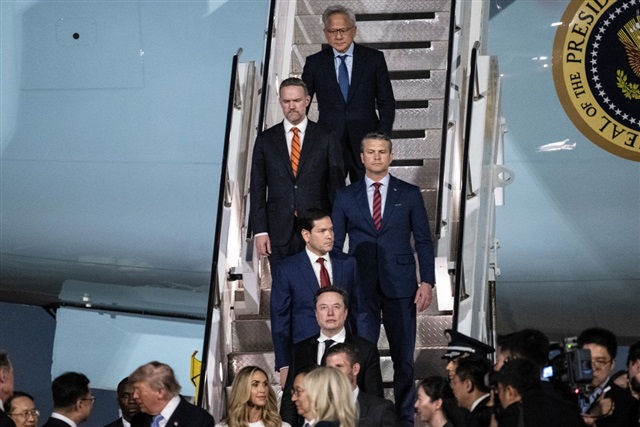
Could a handshake between a tech titan and a global leader inadvertently trigger a seismic shift in AI hardware dominance?
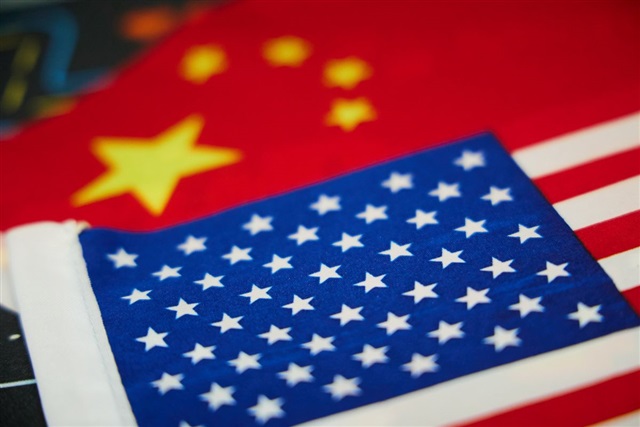
That’s the question hanging in the air after reports surfaced that China, while Nvidia CEO Jensen Huang was reportedly in the country, slapped a ban on the RTX 5090D V2, an export-friendly iteration of Nvidia’s flagship GPU. The Financial Times, citing customs documents and sources familiar with the matter, claims the card was added to a list of banned goods. This isn’t just a minor trade spat; it’s a clear signal from Beijing about its escalating ambitions in the AI hardware sector.
Why this particular chip? The RTX 5090D V2 was essentially a neutered version of the formidable RTX 5090, specifically engineered to skirt U.S. export restrictions. Less VRAM, lower bandwidth – it was designed for gamers and 3D artists, but crucially, it served as a powerful, albeit compromised, alternative for Chinese AI developers locked out of Nvidia’s more potent offerings. The fact that this ‘de-fanged’ chip is now on the banned list, especially during Huang’s visit and within the context of broader U.S.-China tech relations, suggests a calculated move to accelerate self-sufficiency.
The Domestic Push: More Than Just Hype?
Beijing’s insistence that its AI companies favor domestically manufactured chips isn’t new. The ultimate goal: for companies like Huawei to eat into Nvidia’s market share. While the U.S. previously approved the export of H200 chips – considered Nvidia’s most powerful AI processors available to China at present — China’s AI sector has reportedly been given a cold shoulder when it comes to purchasing them. Instead, the directive is clear: look inward.
This alleged ban on the 5090D V2, coupled with the existing restrictions on more advanced chips, could be interpreted as China telling the U.S. loud and clear: “We don’t need your watered-down silicon anymore.” It’s a bold declaration that could have far-reaching consequences for Nvidia, and by extension, the entire U.S. tech industry’s current stranglehold on AI hardware.
What’s the Real Risk for Nvidia?
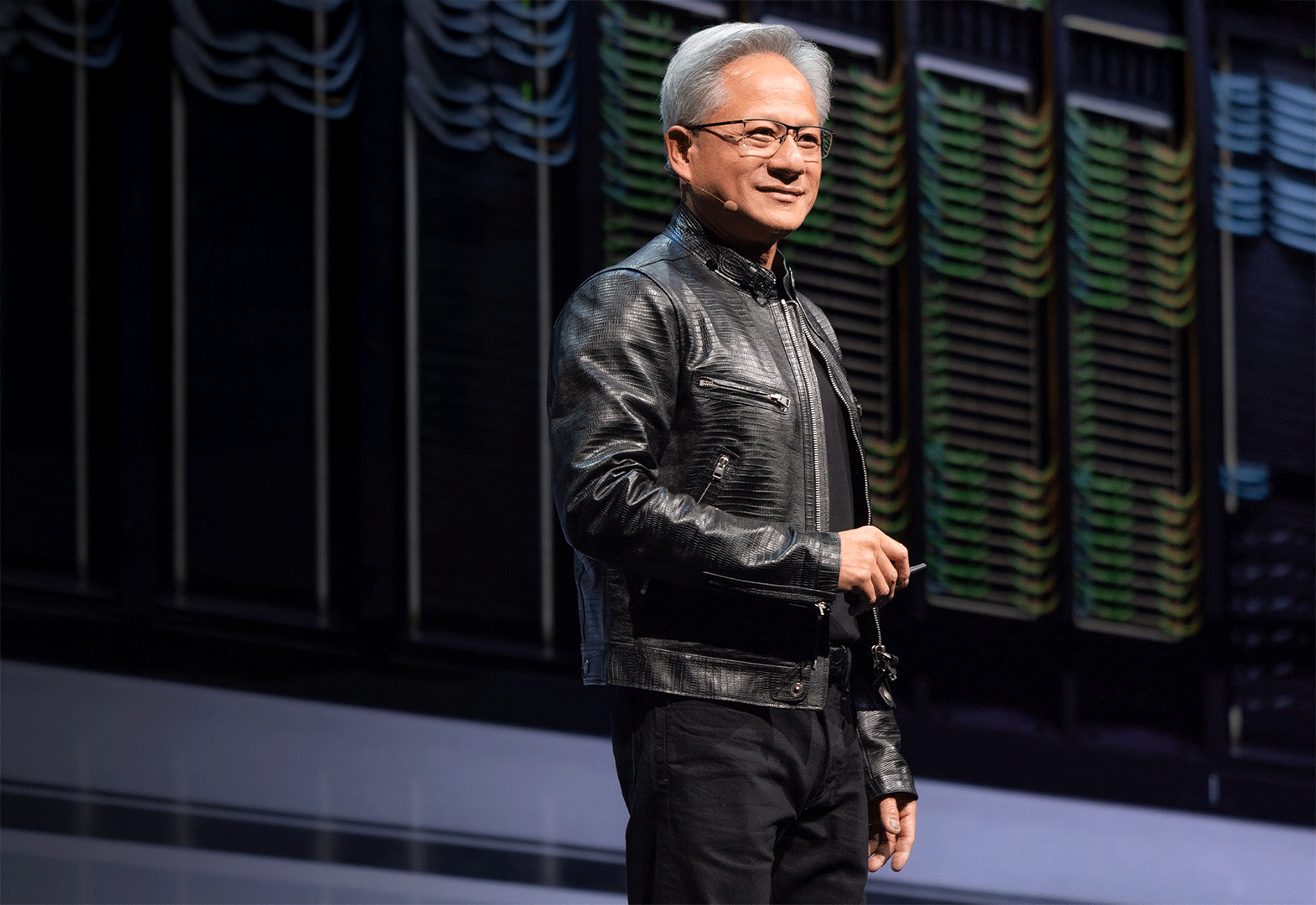
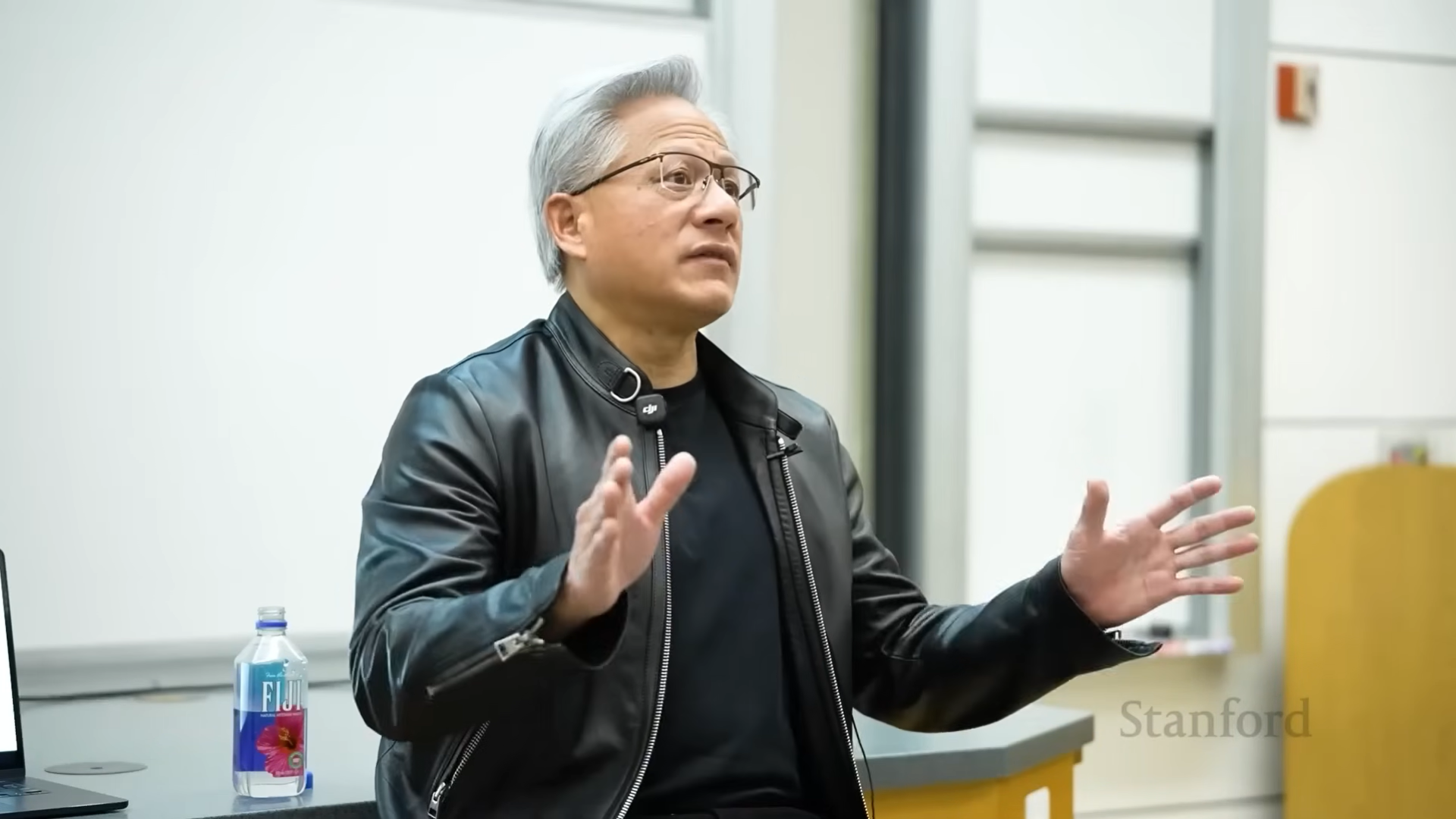
Nvidia’s stock, buoyed by relentless demand for its AI accelerators, has been a one-way ticket for investors. But this geopolitical maneuvering presents a tangible threat. Jensen Huang himself has expressed concern that if Chinese AI firms begin to abandon the American tech stack, the U.S. could cede its hardware advantage in the AI race. This isn’t hyperbole; China represents a massive market, and losing it, even to a throttled version of their tech, is a significant blow. The argument that rivals shouldn’t have access to cutting-edge American technology is compelling, especially when national security and defense implications are considered. Yet, the economic reality of such a large market opting out cannot be ignored.
There’s a delicate balance at play. For years, the narrative has been that China is perpetually playing catch-up in AI hardware. However, this latest development suggests a potential inflection point, where Beijing is actively — and perhaps effectively — attempting to sever reliance on foreign hardware. The question isn’t if China wants to build its own advanced AI chips, but rather, how rapidly it can achieve parity or even superiority. The accelerated development of domestic foundries and chip design capabilities, bolstered by government mandates, paints a picture of a nation determined to leapfrog, not just catch up.
My sense is that over time, the market will open.
That quote from Jensen Huang, delivered on Bloomberg TV, now carries a different weight. Is it a statement of optimistic foresight, or a hopeful wish against the brewing geopolitical storm? The market, despite Huang’s optimism, seems to be bifurcating, driven by both technological advancement and nationalistic imperatives.
The Long Game: Who Wins the AI Hardware War?
The implications for the broader AI ecosystem are immense. If China succeeds in its drive for technological independence in AI hardware, it could create two parallel AI development paths: one heavily reliant on American technology, and another increasingly self-sufficient and potentially distinct. This bifurcation could stifle global collaboration, fragment research, and ultimately slow down the overall pace of AI innovation. The companies that can navigate this shifting landscape — those that can either align with domestic priorities or maintain a strong foothold in markets less susceptible to geopolitical pressures — will be the ones to thrive.
This isn’t just about GPUs; it’s about the foundational infrastructure of the next technological revolution. China’s move, if confirmed and sustained, isn’t just a ban; it’s a declaration of intent to reshape the global AI hardware market in its own image. The U.S. strategy of controlling exports has always been a double-edged sword, and we’re now seeing the sharp side directed back at its own industry.
🧬 Related Insights
- Read more: NVIDIA Unlocks GPU Slicing for Kubernetes — But Who’s Really Winning?
- Read more: Sub-1nm Chips: IMEC Roadmap Pushes Tech to 2046
Frequently Asked Questions
What does the Nvidia RTX 5090D V2 ban mean for gamers? For most gamers, this ban has minimal direct impact. The 5090D V2 was a specialized version of Nvidia’s top-tier GPU, designed to comply with export controls, and wasn’t widely available to the general consumer market anyway. The standard RTX 5090 remains unaffected by this specific report.