Whispers had been circulating, a low hum of anticipation about shifts in the complex dance of global chip politics. Everyone, especially those watching the AI hardware scene, was expecting a slow, careful unwinding of restrictions – maybe a trickle of less-advanced AI chips finding their way back to China.
But this? This is like finding a rocket ship in your backyard garden.
Suddenly, a listing pops up on JD.com, China’s massive retail giant, openly advertising NVIDIA’s top-tier, officially banned RTX 5090 and RTX PRO 6000 Blackwell GPUs. It’s jarring. It throws a wrench into the meticulously crafted narrative of controlled exports and targeted sanctions.
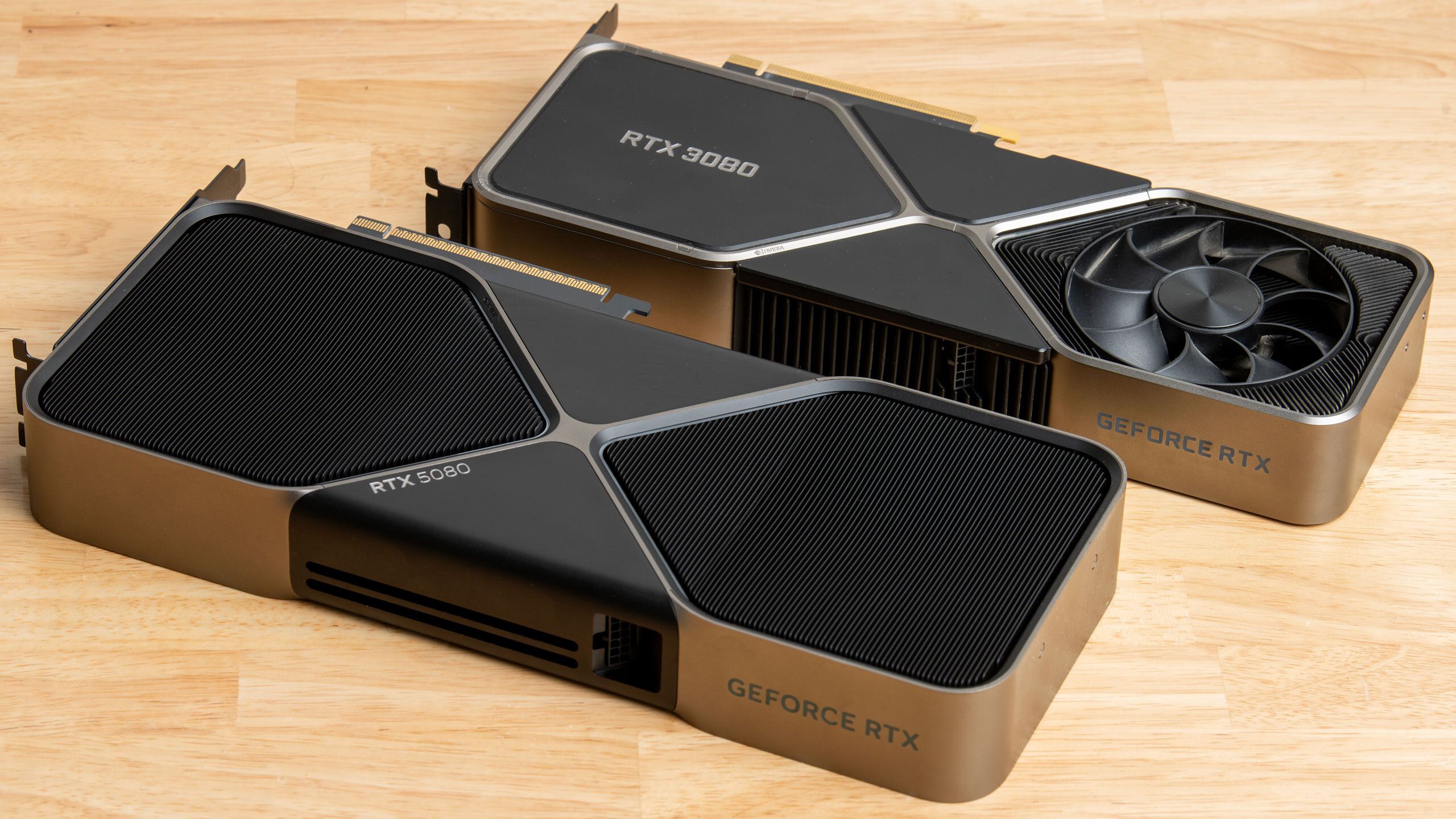
These aren’t just any graphics cards. These are the bleeding edge, the silicon beasts capable of powering the next generation of advanced computing applications, the very kind of hardware the US government has tried to keep out of Chinese hands for fear of their potential military or AI acceleration applications. We’re talking about chips based on NVIDIA’s cutting-edge Blackwell architecture, components that represent a significant leap in raw processing power. The RTX 5090 32GB Blower, the RTX PRO 6000 96GB Server, and the RTX PRO 6000 96GB Desktop – all vanished from the storefront in a blink, but the screenshots persist.
The prices were eye-watering, of course: 35,999 CNY for the RTX 5090, and over 90,000 CNY for the PRO 6000 models. Steep, but then again, so is the cost of circumventing international trade regulations.
This whole situation feels less like a glitch and more like a deliberate test balloon, or perhaps, just possibly, a sign that the ground is shifting beneath our feet. It arrives on the heels of reports suggesting that the US might be easing its stance, clearing some Chinese companies – including tech titans like ByteDance, Tencent, and Alibaba – to purchase NVIDIA’s slightly less restricted H200 AI GPU.
So, what’s happening here?
Is JD.com unwittingly (or perhaps, wittingly) facilitating the sale of contraband? Or is this a more nuanced signal, hinting at a broader recalibration of US-China tech policy that we haven’t quite grasped yet? The official line from NVIDIA seems to be that they aren’t directly involved, pointing towards third-party storefronts. This screams ‘unofficial channels.’ Think of it like discovering a black market for Fabergé eggs right outside the Kremlin – it’s unexpected, and it makes you wonder about the security of the original display.
It’s easy to fall into the trap of thinking that sanctions are like concrete walls, impenetrable and unchanging. But the reality of global trade, especially for something as fluid and in-demand as cutting-edge semiconductors, is far more like a river. It finds a way. It carves new paths. It erodes old barriers. The availability of these high-end Blackwell GPUs, even for a fleeting moment, suggests that either the existing barriers are being actively, and perhaps even systematically, circumvented, or the barriers themselves are starting to crumble from within.
This isn’t just about graphics cards; it’s about the fundamental architecture of the global AI race. The US has been trying to slow down China’s AI development by limiting access to the most powerful chips. If these banned GPUs are indeed making their way into China through unofficial channels, it means the impact of those restrictions is far less absolute than many assumed. It’s like trying to stop a wildfire by damming one small stream – the wind can carry embers over everything.
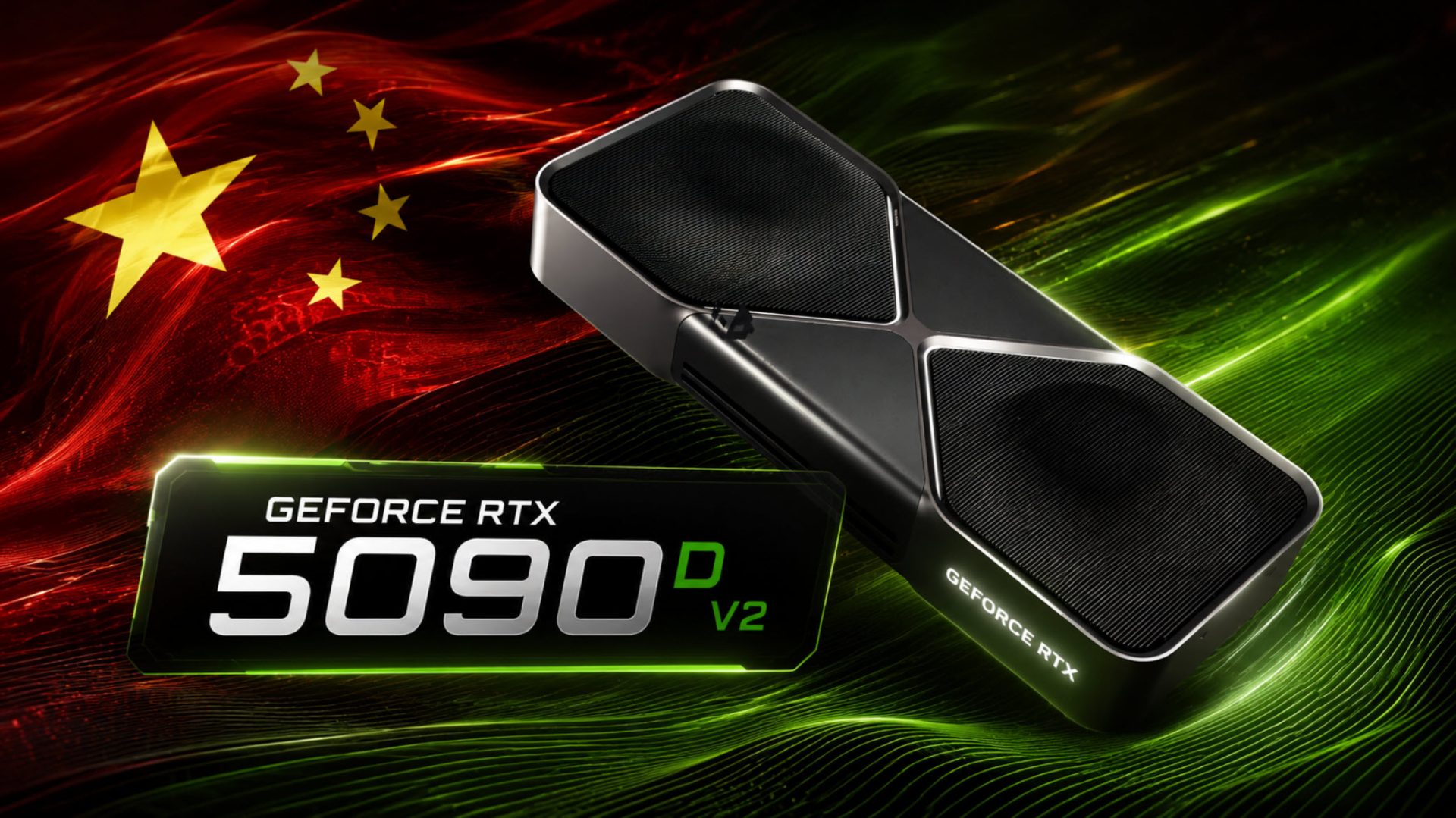
What this JD.com incident truly highlights is the sheer, unyielding demand for advanced AI hardware. Companies and researchers in China are hungry for processing power, and they’re willing to go to extraordinary lengths – and pay premium prices – to get it. The existence of China-specific models, like the RTX 5090D v2, already shows a degree of market adaptation. But listing outright banned, top-tier consumer and pro-level cards? That’s a different league of audacity, or perhaps, a calculated gamble.
My unique insight here is that this isn’t just about smuggling. This points to a burgeoning ecosystem of evasion and adaptation. It suggests that for high-demand, high-value components like these GPUs, the official sanctions regime is less a blockade and more of a very expensive toll booth. The players who can afford the toll – either in cash for smuggled goods or in navigating complex loopholes – are still getting through. It’s a proof to the relentless pursuit of technological advancement, regardless of the obstacles.
And what does this mean for the future? If the US is indeed looking to ease some restrictions, as reported, will this act as a catalyst, pushing them to be more aggressive in preventing unofficial channels? Or will it signal that the current approach isn’t working and a more flexible strategy is needed? The visibility of these banned chips on a major platform like JD.com is a loud, unavoidable signal that the status quo is being challenged. We’re witnessing the AI arms race playing out not just in labs and boardrooms, but on the digital storefronts of global commerce.
The ultimate question isn’t just how these chips got there, but what this implies about the future of chip controls, the ingenuity of the market, and the accelerating pace of AI development worldwide. It’s a thrilling, if slightly terrifying, glimpse into the dynamic forces shaping our technological tomorrow.
Why Does This Matter for AI Development?
This entire kerfuffle is more than just a retail anomaly; it’s a flashing neon sign for the global AI race. The availability of high-end, officially banned NVIDIA GPUs in China, even for a brief period, signifies a potential chink in the armor of US export controls. For AI development, this means that the ambition to push the boundaries of what’s possible with artificial intelligence continues unabated. Companies and research institutions in China are clearly finding ways to acquire the powerful hardware necessary for training complex models, which could accelerate their progress in areas like large language models, advanced robotics, and scientific research. It forces a re-evaluation of the effectiveness of sanctions as a primary tool for managing technological competition and suggests that innovation will always find a path forward, often through unconventional means.
Are These GPUs Truly Banned?
Yes, the RTX 5090 and RTX PRO 6000 Blackwell GPUs are officially subject to US sanctions and banned from sale in China. These restrictions are part of broader US efforts to limit China’s access to advanced semiconductor technology that could be used for military or advanced AI applications. While NVIDIA does produce China-specific models (like the RTX 5090D v2) that comply with regulations, the listed GPUs on JD.com were reportedly the international, higher-performance versions which are explicitly restricted.
What Does This Mean for NVIDIA?
For NVIDIA, this situation presents a complex challenge. The company officially states that it complies with all export control regulations. The appearance of banned GPUs on a third-party platform like JD.com suggests that these chips are likely entering the Chinese market through unofficial, gray market channels, rather than direct sales from NVIDIA. While NVIDIA isn’t directly facilitating these sales, the incident highlights the difficulty in controlling the downstream flow of its most advanced products and the intense demand that drives such unofficial markets. It puts pressure on NVIDIA to ensure its supply chain and distribution partners are vigilant against diversion.
🧬 Related Insights
- Read more: Indium Phosphide Shortage Looms for AI Optics
- Read more: China: AI can’t fire you.
Frequently Asked Questions
What does the RTX 5090 32G Turbo Edition do?
The RTX 5090 32G Turbo Edition is a high-performance graphics processing unit (GPU) designed for demanding computing tasks, including advanced AI model training, complex simulations, and professional visualization. Its significant memory capacity (32GB) and processing power make it suitable for cutting-edge applications.
Will the US ease AI chip restrictions on China?
Reports indicate that the US may be considering easing some restrictions on AI chip sales to China, with initial approvals for certain companies to purchase chips like NVIDIA’s H200. However, the exact scope and permanence of any such changes remain subject to ongoing geopolitical considerations and policy evaluations.
Are smuggled GPUs common in China?
The appearance of high-end, banned GPUs like the RTX 5090 and RTX PRO 6000 on retail platforms suggests that unofficial channels for acquiring restricted technology are active. While the scale of this market can fluctuate, the demand for advanced computing hardware often drives the development of such alternative supply routes.