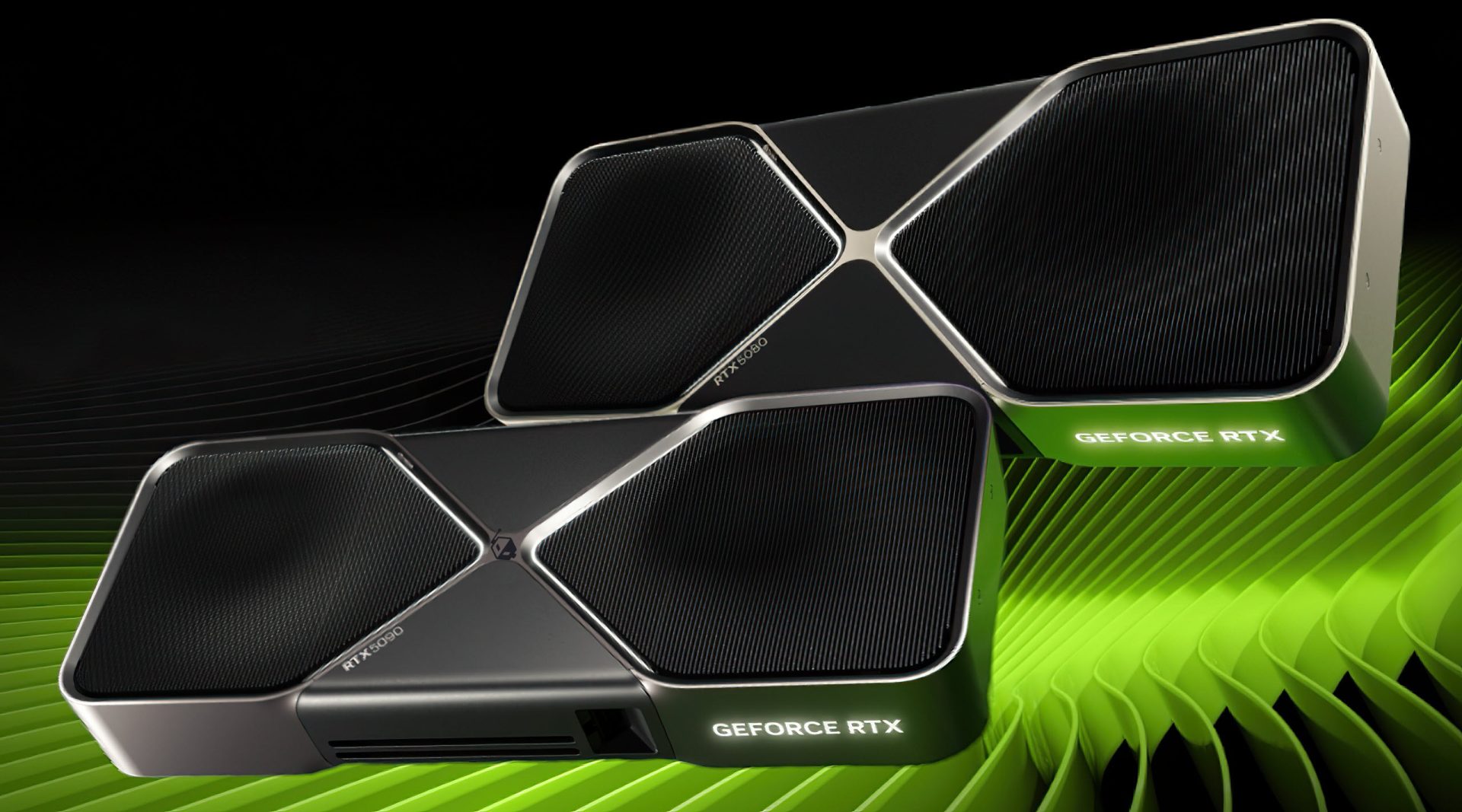
And just like that, another $300 evaporates from your wallet before you even see the card. NVIDIA, the undisputed king of silicon scarcity tactics, is apparently at it again.
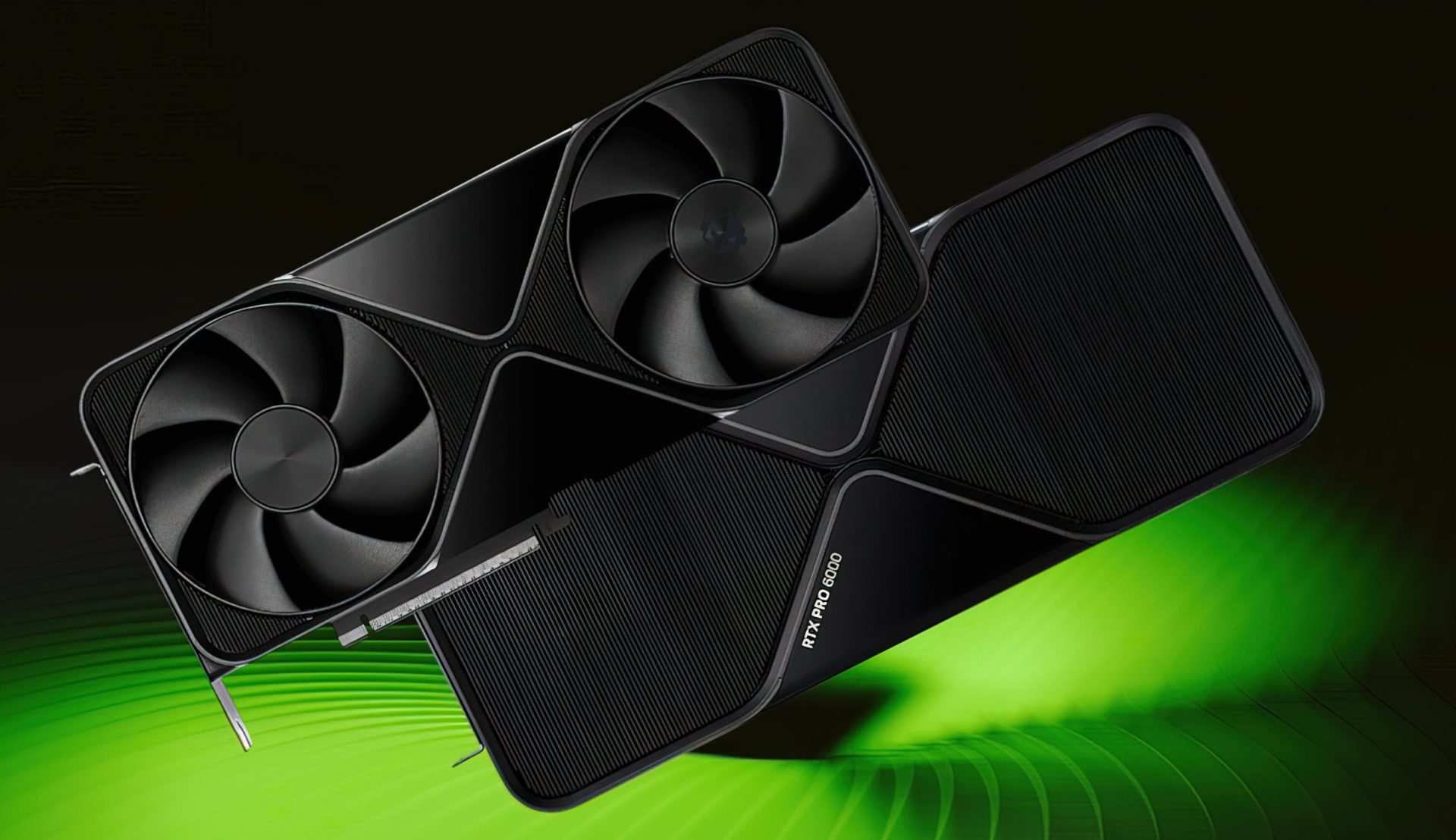
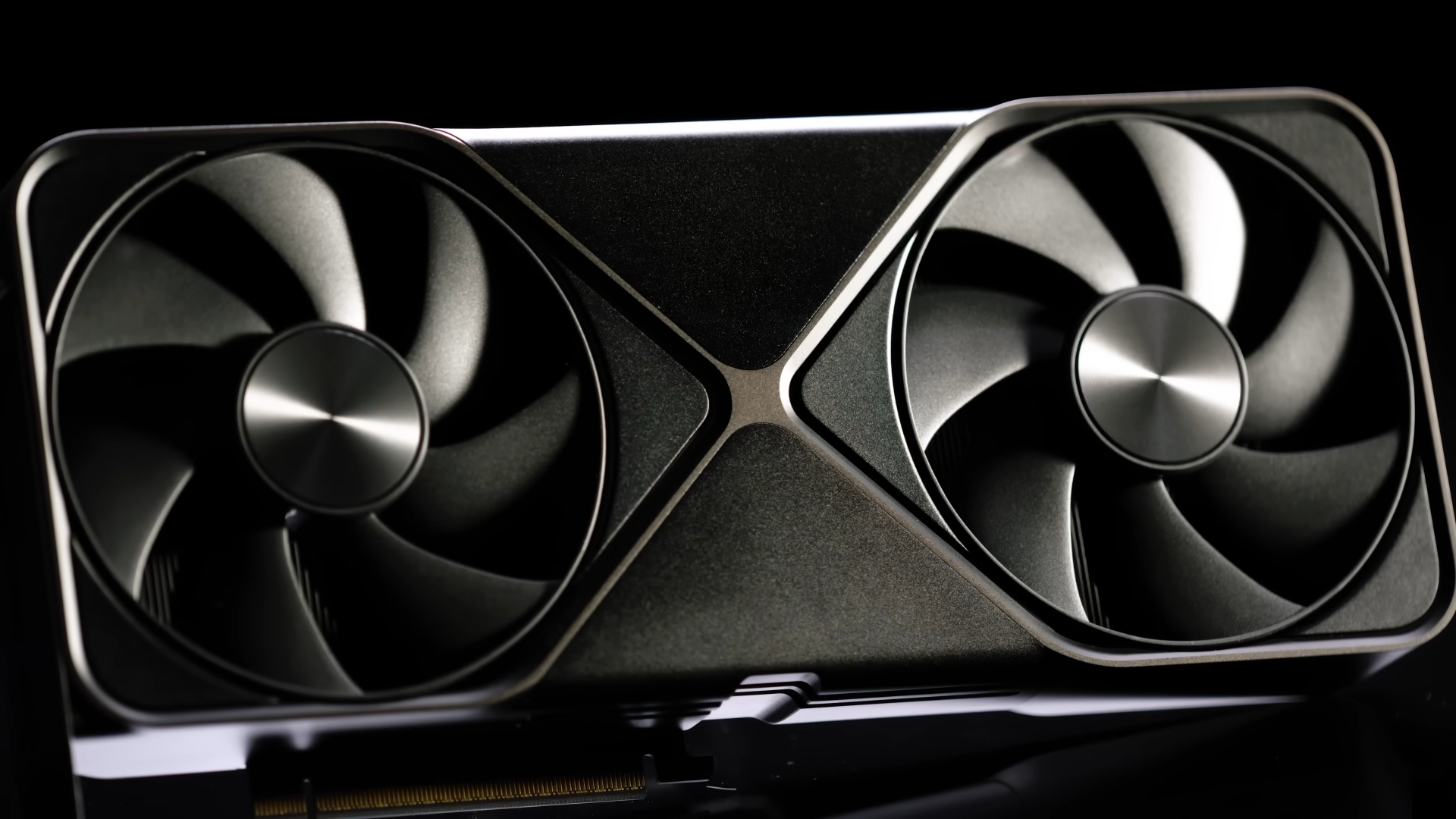
This isn’t a drill. The RTX 5090, already a ludicrously expensive piece of hardware launched at a cool $1999, is reportedly facing another price hike. We’re talking an additional $300, folks. This isn’t some minor fluctuation; this is a deliberate gouge passed down from GPU overlord to terrified board partner, all thanks to the phantom menace known as VRAM shortages.
The VRAM Vortex
It’s always something, isn’t it? First, it was chip shortages. Then it was demand. Now, it’s the cost of the very memory chips that make these beasts tick. Board Channels, a source that apparently enjoys peering into the abyss of GPU pricing, reports that NVIDIA is passing on increased GDDR7 procurement costs. This means the already astronomical price of the RTX 5090 and its China-variant, the RTX 5090 D V2, is set to climb even higher.
NVIDIA is set to increase the cost of its RTX 5090 and RTX 5090 D V2 China-variant. It’s said that as much as a $300 price hike is expected to be seen for both models.
When NVIDIA signals a $300 increase to its partners, what do you think happens next? Do they absorb it out of the goodness of their hearts? Don’t be naive. This cost gets passed directly to us, the consumers who just wanted to play Cyberpunk at max settings without mortgaging a kidney. The original $1999 launch price now feels like a quaint, nostalgic memory from a bygone era.
What’s the Real Cost of ‘Value’?
So, where does this leave us? The RTX 5090, which was already flirting with the $3000 mark even before this latest tantrum, is now staring down the barrel of $4000. And if historical trends are anything to go by—and believe me, NVIDIA has a well-established history here—we could be looking at $4500, even $5000, very soon. This isn’t just about affording a GPU; it’s about the fundamental erosion of value. For the performance offered, the FPS per dollar metric is rapidly approaching zero.
This VRAM sourcing kerfuffle isn’t likely to stop at the 5090. If GDDR7 costs are through the roof, expect other RTX 50 series models to feel the squeeze. It’s the classic NVIDIA playbook: create demand, limit supply, and then blame external factors for price hikes that conveniently line their pockets.
A Historical Echo
It reminds me, uncomfortably, of the crypto mining boom. Back then, GPUs vanished, prices soared, and gamers were left with dust. This feels different, more insidious. It’s not just about external demand; it’s about NVIDIA seemingly orchestrating the scarcity, using component costs as their convenient scapegoat. They’ve perfected the art of making the unattainable even more so, all while claiming they’re “passing on costs.” It’s a masterful PR performance, if nothing else.
Future Shock?
Will other manufacturers follow suit? They have no choice. NVIDIA sets the tone for the high-end market, and if the 5090 is commanding these prices, it creates a precedent. Gamers are being squeezed, budget-conscious builders are being priced out entirely, and enthusiasts are being asked to pay a premium that borders on extortion. The question isn’t if other cards will see hikes, but how steep they’ll be.
Is This the New Normal?
It certainly feels like it. The VRAM shortage is the latest villain in the ongoing saga of absurd GPU pricing. NVIDIA’s strategy seems clear: maximize profit on the few units they can push through, regardless of the long-term impact on consumer trust or the overall market. The performance gains, while impressive, are increasingly irrelevant when the price tag makes the purchase an act of pure, unadulterated desperation.
FAQs
What is the new price of the RTX 5090?
The RTX 5090 is expected to start selling for over $4,000, with potential increases pushing it toward $4,500-$5,000. This is an increase of approximately $300 from its previous inflated price.
Why is the RTX 5090 so expensive?
The primary reason cited for the escalating price is the increased cost of procuring VRAM (specifically GDDR7 memory) due to ongoing shortages. NVIDIA is passing these higher sourcing costs onto its board partners, who then pass them on to consumers.
Will this VRAM shortage affect other NVIDIA GPUs?
It’s highly likely that other models in the RTX 50 series will also see price adjustments due to rising GDDR7 memory procurement costs, though the exact impact remains speculative.