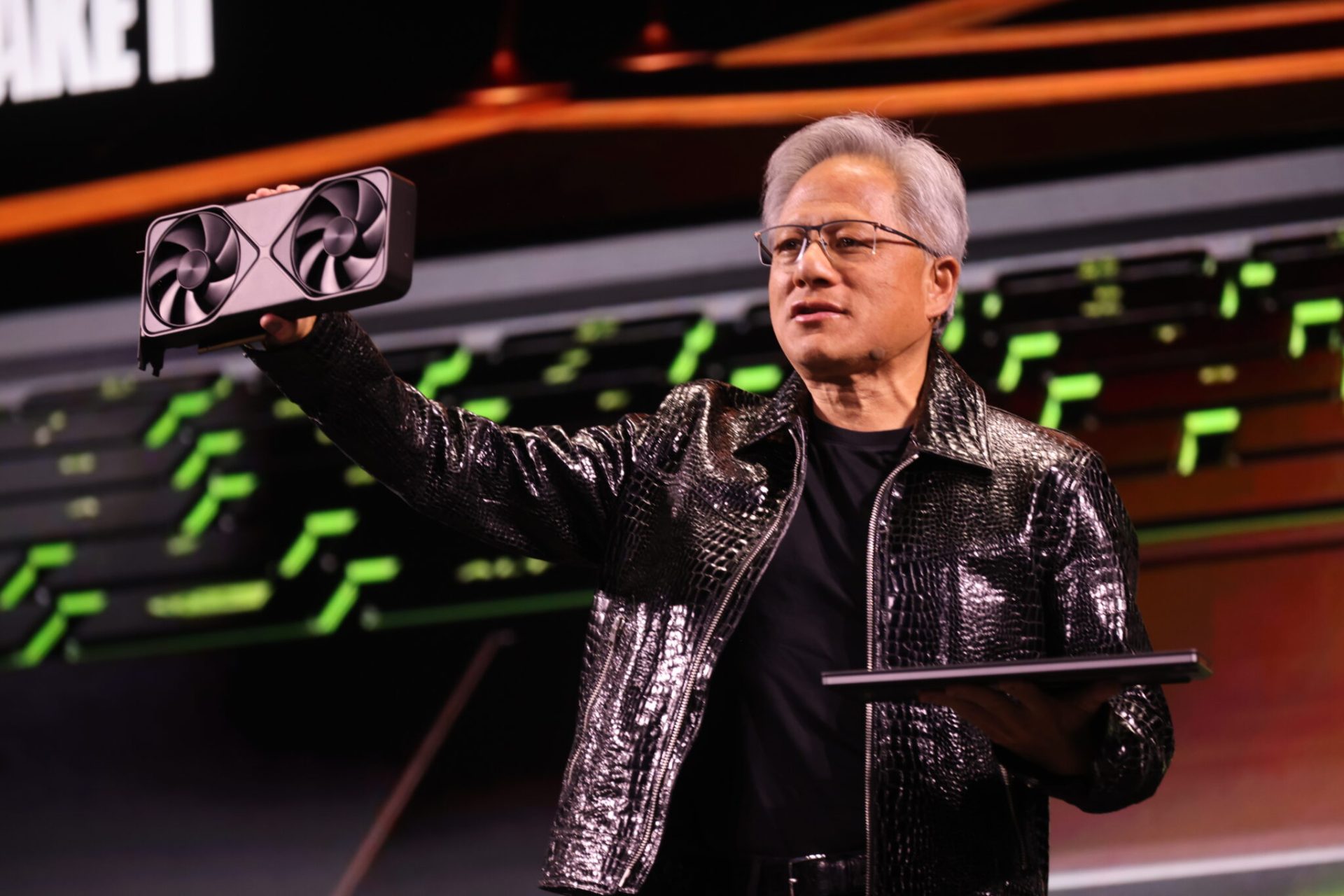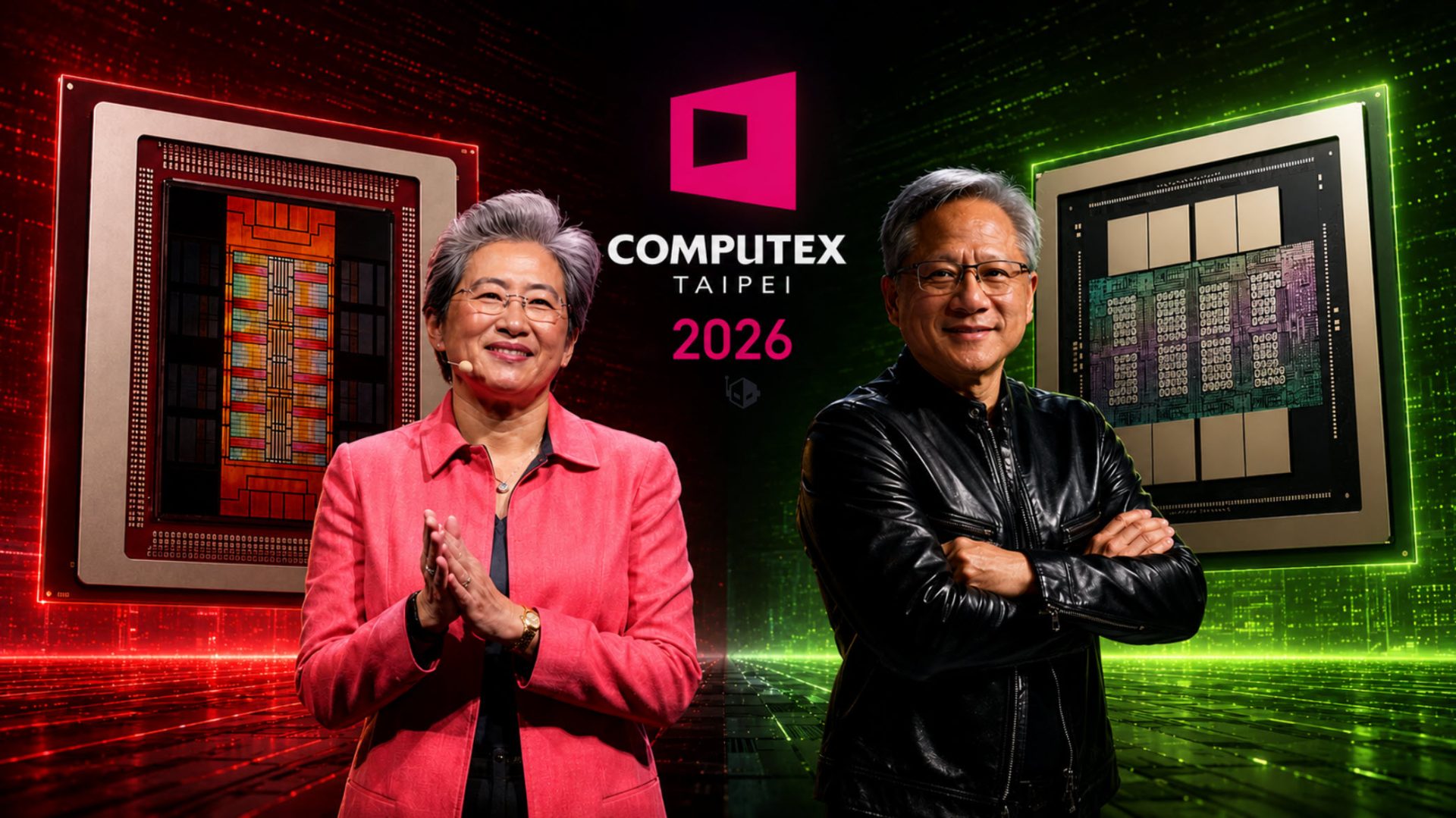
Look, $2 billion. That’s not pocket change. When Nvidia, the undisputed titan of AI chips, quietly wrote that massive check to Marvell Technology, it wasn’t just an investment; it was a profound declaration. This was a strategic maneuver, pure and simple, designed to transform a potential rival into an indispensable partner in the relentless race for AI supremacy.
Now, Marvell CEOs are sharing a stage with Nvidia’s boss at Computex. This is the first time we’re seeing this kind of public embrace since the deal went down, and it speaks volumes about the tectonic plates shifting beneath the semiconductor industry. Forget the old playbook of cutthroat competition; we’re witnessing the dawn of a new era where collaboration, especially at this scale, is the ultimate competitive advantage.
Think of it like this: Imagine two brilliant chefs, both vying for the title of the world’s best. They’ve got their own secret recipes, their own loyal followings. Then, one of them walks into the other’s kitchen, not to steal a recipe, but to offer their most prized ingredient – a perfectly aged truffle, a rare spice – for a joint culinary masterpiece. That’s what Nvidia did with Marvell. They didn’t just buy influence; they bought a commitment to shared innovation, a guarantee that Marvell’s formidable networking and custom silicon expertise would now be pointed squarely with Nvidia, not against it.
This partnership isn’t just about Marvell’s networking silicon, though that’s a huge piece of the puzzle. It’s about the very infrastructure that powers our increasingly AI-driven world. Data centers are the new battlegrounds, and the speed, efficiency, and sheer bandwidth of these networks are paramount. Marvell’s role in building out these highways for data is absolutely critical. By securing that relationship, Nvidia is essentially future-proofing its AI dominance. It’s like buying the best engine, but also ensuring you have the best roads to drive it on.
Why This Partnership is a Bigger Deal Than You Think
The sheer audacity of the move is what’s truly captivating. We’re talking about two companies that, until this $2 billion infusion, were often seen as circling each other warily. Marvell has been making serious inroads into custom silicon and high-performance networking – areas that are absolutely vital to Nvidia’s customers who are building massive AI clusters. Instead of letting Marvell become an even bigger threat, Nvidia decided to bring them into the fold. It’s a bold power play that reshapes the competitive landscape, particularly in the high-margin data center market.
This isn’t just a friendly handshake; it’s a strategic alignment that suggests a shared vision for the future of high-performance computing. When you look at the relentless demand for more powerful AI, the sheer volume of data being generated and processed, the need for incredibly fast and efficient connectivity becomes blindingly obvious. Nvidia’s GPUs are the brains, but Marvell’s technology is increasingly becoming the nervous system connecting them all.
Nvidia’s investment in Marvell is a clear signal that in the AI era, proprietary hardware isn’t enough. Access to and control over the critical infrastructure that supports that hardware is now equally, if not more, important.
This move is also a fascinating case study in how a company like Nvidia, already a dominant force, continues to innovate and consolidate its ecosystem. It’s not just about making better chips; it’s about building an unassailable platform. By investing in Marvell, Nvidia is doing precisely that. They are ensuring that their customers have access to the best possible end-to-end solutions, from the processing power of their GPUs to the lightning-fast interconnects that keep everything humming.
The AI Platform Shift is Here
We’re not just talking about incremental improvements in silicon anymore. This is a fundamental platform shift, akin to the transition from mainframes to PCs, or PCs to the internet. AI is no longer a niche application; it’s becoming the underlying operating system for much of our digital world. And in this new paradigm, companies that can control or heavily influence the key components of this AI infrastructure – processing, networking, memory, and storage – are the ones who will thrive.
Nvidia has already mastered the processing part with its GPUs. This deal with Marvell feels like a significant step towards solidifying its grip on the networking side. It’s about creating an AI ecosystem so powerful, so interconnected, that it becomes incredibly difficult for competitors to even get a foothold. Imagine building a city: Nvidia is supplying the most advanced power plants (GPUs), and now it’s investing heavily in the city’s communication grid and transportation networks (Marvell’s tech). The city functions, it thrives, and its architects are inextricably linked.
This kind of strategic alliance, backed by serious capital, is the future. It’s how companies will navigate the immense complexity and cost of developing next-generation AI technologies. The days of purely independent innovation might be numbered for all but the very largest players. For the rest of us, it means witnessing—and benefiting from—a level of integrated engineering that promises to accelerate progress at an unprecedented rate.
**
🧬 Related Insights
- Read more: Flipper One: A Linux Super-Gizmo or Just Another Project?
- Read more: Intel Restructures for AI: New Leaders Emerge
Frequently Asked Questions**
What does Marvell Technology do? Marvell Technology designs and manufactures a variety of semiconductor products, with a strong focus on networking, storage, and custom silicon solutions that are critical for data centers and enterprise infrastructure.
Will this deal make Nvidia’s AI chips faster? While Nvidia’s chips themselves aren’t directly changing from this deal, the partnership aims to improve the overall performance and efficiency of AI systems by optimizing the networking and data transfer components that connect Nvidia’s GPUs, which can lead to significant performance gains in large-scale AI deployments.
Is this a sign of consolidation in the chip industry? Yes, this strategic investment is a strong indicator of consolidation and increased collaboration within the semiconductor industry, especially in the AI sector, where controlling the entire ecosystem is becoming a key competitive advantage.