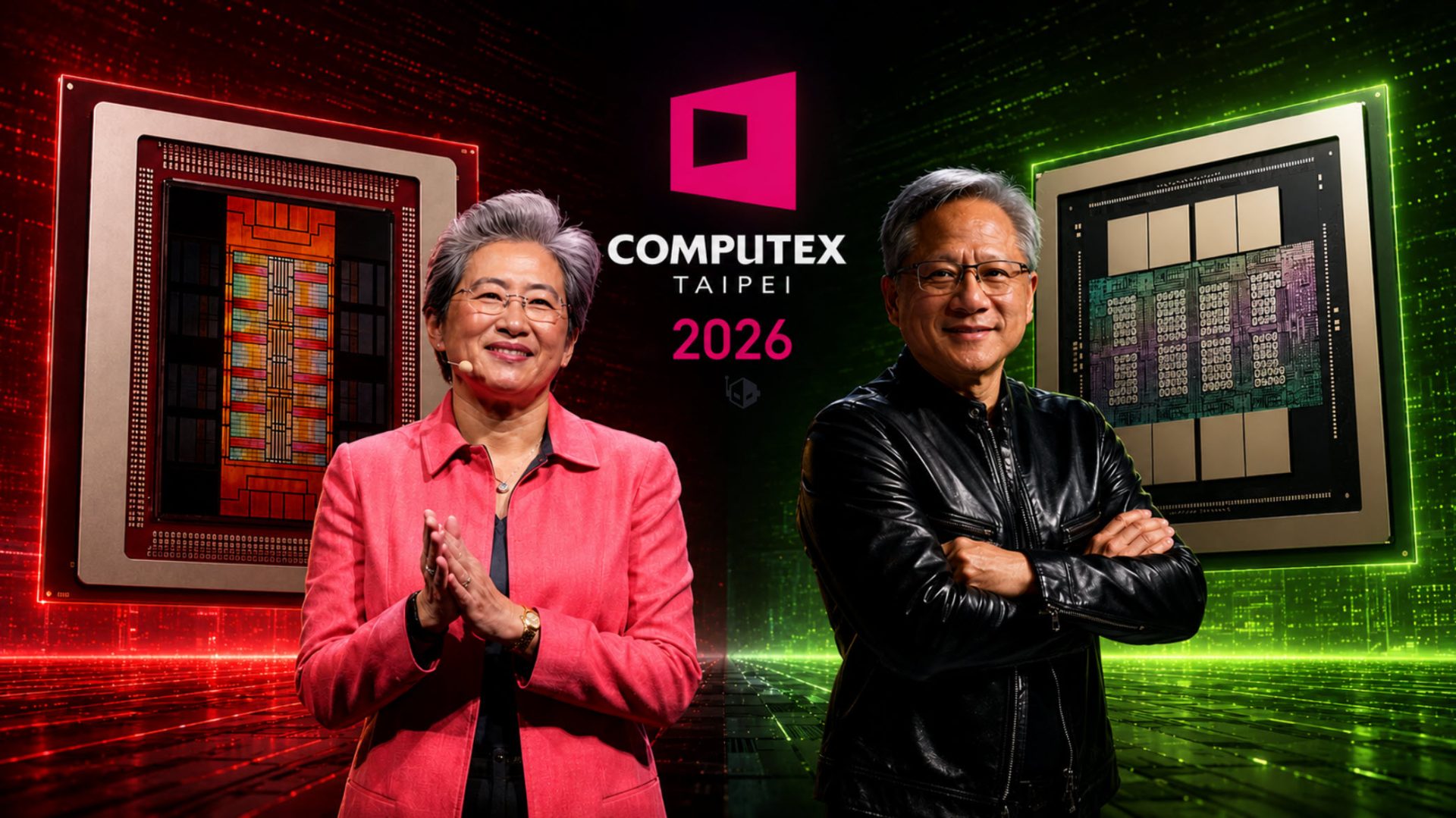
Everyone expected NVIDIA and AMD to show up at Computex. That’s their job. What’s changed is the sheer weight of expectation, and the palpable sense that this isn’t just another product launch. This is the geopolitical and technological battleground for the next wave of AI dominance, and the CEOs themselves are on the ground.
Computex. A week away. June 2nd, to be precise. The annual tech pilgrimage to Taipei. For years, it’s been a showcase. A place for companies to flex. But this year? This year feels different. The industry isn’t just buzzing; it’s holding its breath. Because NVIDIA’s Jensen Huang and AMD’s Lisa Su, the twin pillars of the AI revolution, have touched down in the heart of it all: Taipei.
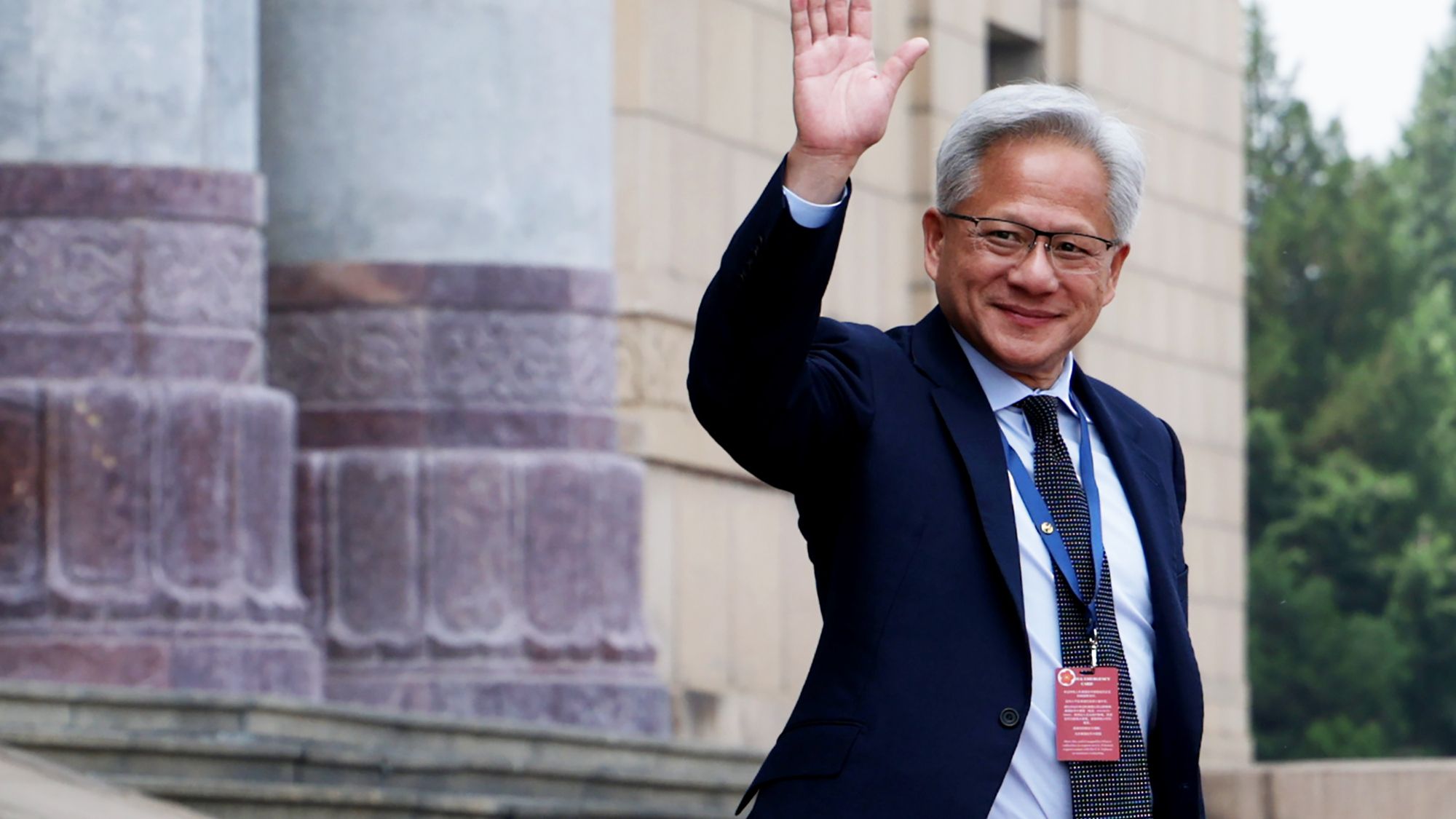
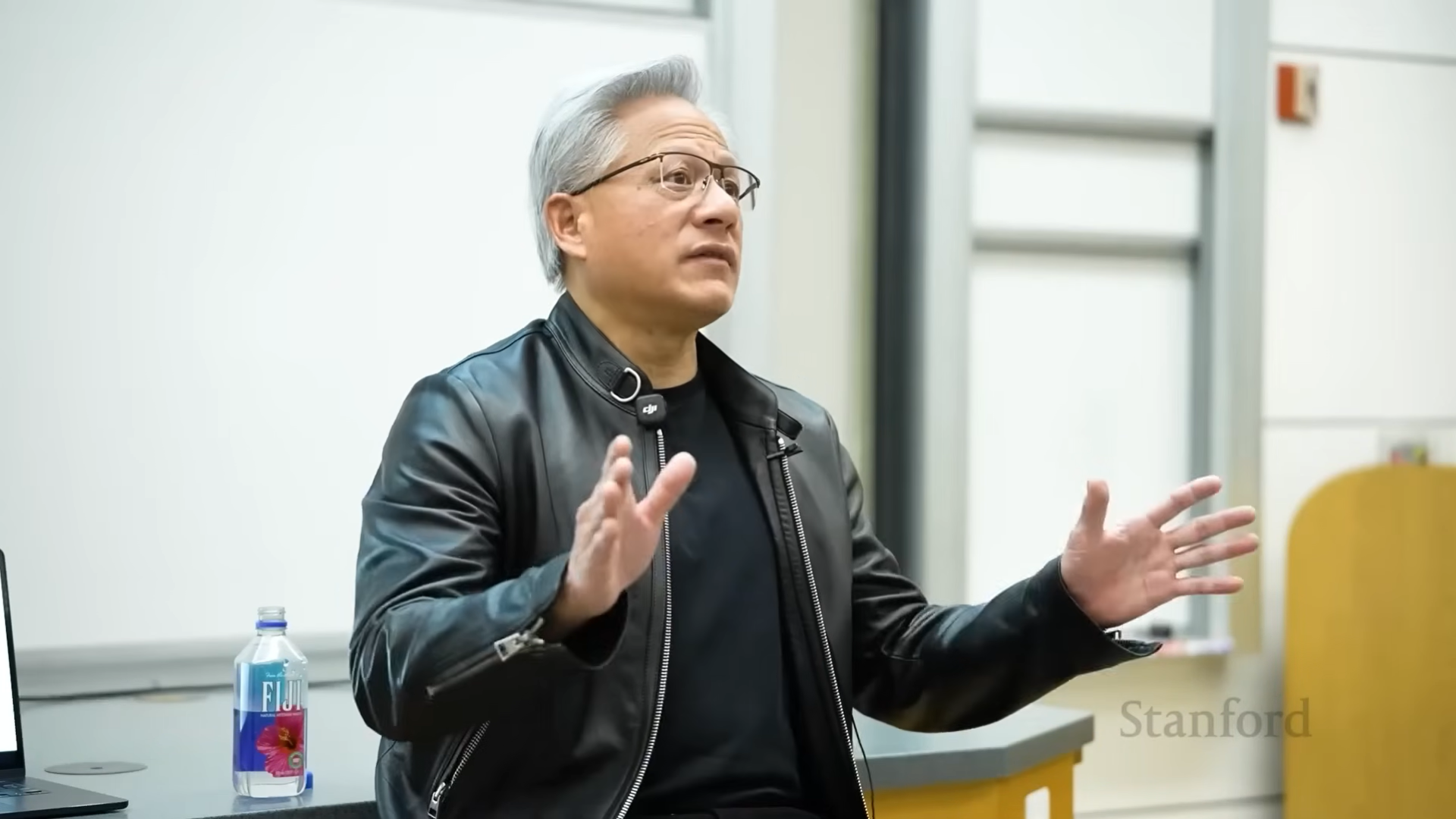
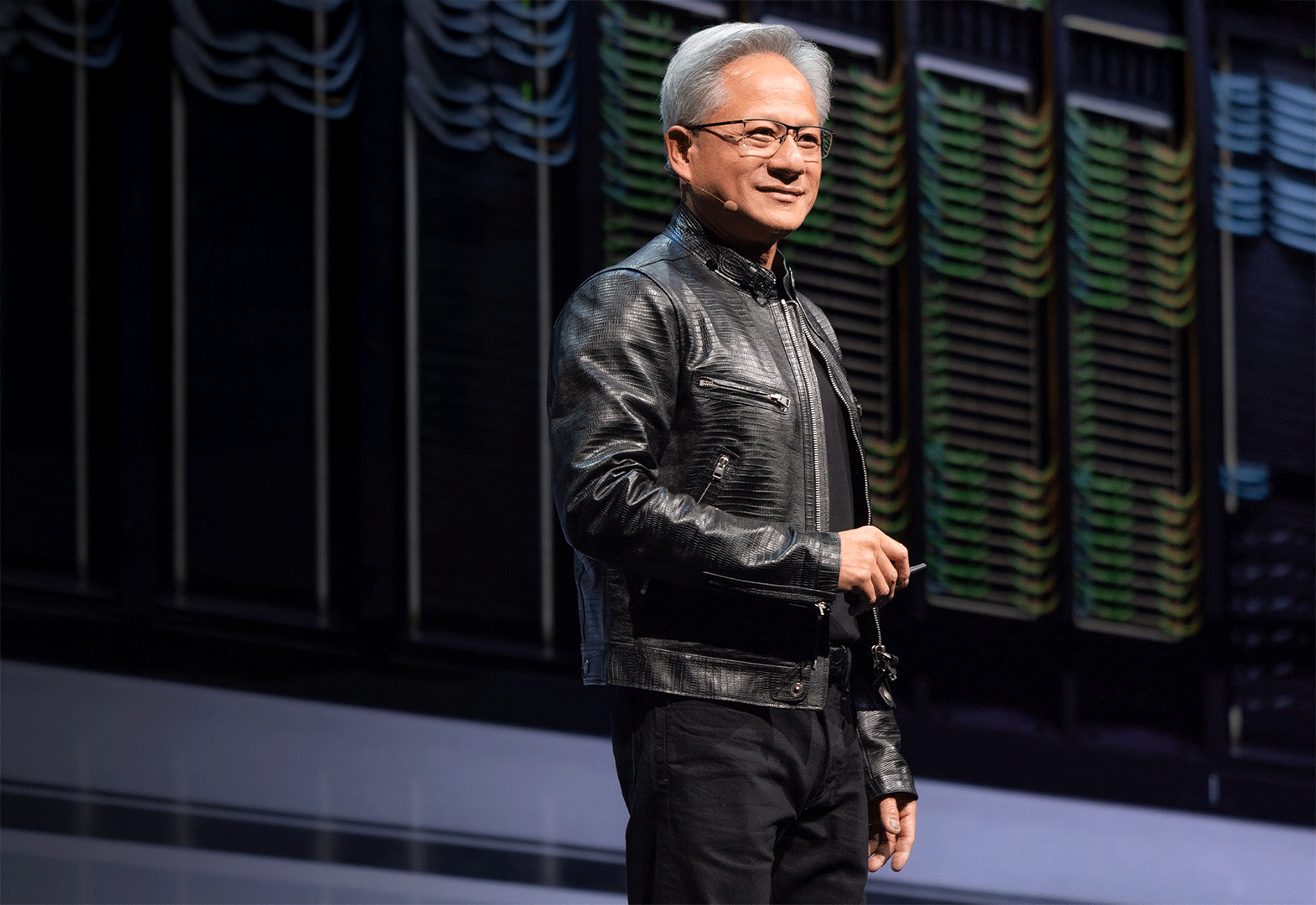
Huang, ever the showman, is already making the rounds. Meeting TSMC’s Chairman. Chatting with developers of autonomous agents. It’s a meticulously orchestrated arrival, designed to convey influence. And let’s be honest, to remind everyone who’s really calling the shots. His annual “Trillion Dollar” dinner with supply chain partners is less a meal and more a strategic summit. The man knows how to work a room, and a night market.
NVIDIA’s GTC event on June 1st. The big one. AI updates, yes. But also, consumer segments. This is where the rubber meets the road for everyday users. Don’t expect them to just talk chips; they’ll be selling a vision. A vision powered by silicon.
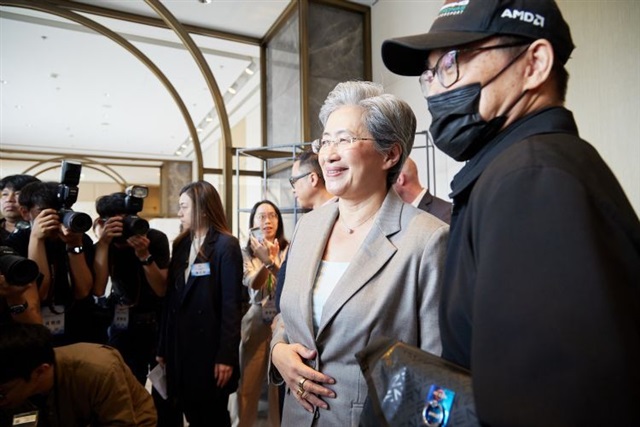
And then there’s Lisa Su. Also in Taipei. AMD’s quiet force. She’s talking deeper collaborations with TSMC. Smart move. AMD already has bragging rights: the first 2nm HPC product, codenamed EPYC Venice, mass-produced by TSMC. CPU demand is surging. AMD isn’t just competing with Intel anymore; they’re a genuine threat to NVIDIA’s AI crown. Their Computex announcements will likely be AI-centric, but AMD has always had a knack for surprising the consumer market too.
It’s a masterclass in executive positioning. Huang and Su aren’t just CEOs; they’re the faces of companies that have become synonymous with the current technological paradigm. Their presence in Taipei isn’t just a formality; it’s a statement. It’s about reinforcing relationships, projecting confidence, and, most importantly, laying down markers for the future.
This isn’t about incremental upgrades. This is about defining the next era of computing. The stakes are astronomical, and the two biggest players are in town to ensure the world knows it.
The AI Arms Race Lands in Taiwan
This isn’t just about who has the fastest chip. It’s about who controls the narrative, who secures the supply chain, and who convinces developers that their platform is the one to build on. Huang’s appearances, Su’s carefully worded statements – it’s all part of a larger strategy. They’re not just launching products; they’re shaping an ecosystem. And Taiwan, with TSMC at its core, remains the indispensable nexus of this entire operation. The CEOs know it. The industry knows it.
What does this mean for the average tech enthusiast? Expect more powerful AI tools, more sophisticated graphics, and potentially, more heated competition that could trickle down into more accessible pricing. Or not. Corporate history suggests we shouldn’t bet on altruism. But competition? That’s guaranteed.
“I look forward to spending time with customers, partners, and industry leaders while enjoying some great food.”
Dr. Lisa Su, on landing in Taiwan.
It’s a polite statement, but beneath the pleasantries lies a fierce determination. AMD’s march into the AI space is no longer a tentative step; it’s a full-blown charge. And Computex is their next major battlefield.
NVIDIA, of course, will counter. Huang’s reputation precedes him. He’s not one to cede territory, especially not to a rival he’s directly challenged. Expect bold claims, eye-watering benchmarks, and a renewed push to cement NVIDIA’s AI supremacy. It’s a dance of power, innovation, and marketing prowess.
Will This Actually Change Anything for Consumers?
That’s the million-dollar question, isn’t it? We’re bombarded with talk of AI agents, 2nm processes, and exascale computing. For the end-user, the reality often filters down slowly, sometimes watered down by profit margins. However, the intense focus on AI by both companies suggests that whatever they unveil will have tangible impacts. Think better AI assistants, more efficient creative tools, and gaming experiences that push the boundaries of realism. But the real game-changer might be the underlying infrastructure that enables these advancements. That’s where the enterprise-level announcements will ultimately shape the consumer landscape.
There’s a historical parallel here that bears noting. The early days of the PC revolution saw IBM and Apple vying for dominance. Their keynotes, their product announcements, their executive movements – they all sent ripples through the entire industry. We’re witnessing something similar, but on a vastly amplified scale, with AI as the driving force. The decisions made in Taipei this week will echo for years to come.
🧬 Related Insights
- Read more: Musk’s AI GPU Thirst Exposed
- Read more: Samsung Strike Sparks Memory Price Surge
Frequently Asked Questions
What is Computex 2026? Computex is a major annual technology trade show held in Taipei, Taiwan, showcasing the latest innovations in computing and electronics from global manufacturers and startups.
Will NVIDIA and AMD announce new AI chips? It is highly anticipated that both NVIDIA and AMD will use Computex 2026 to unveil their next-generation AI and consumer-focused hardware, with significant announcements expected.
Why is the CEOs’ presence in Taiwan important? The personal attendance of NVIDIA CEO Jensen Huang and AMD CEO Lisa Su in Taiwan, the hub of semiconductor manufacturing, underscores the strategic importance of the region and signals major upcoming product reveals and partnerships.