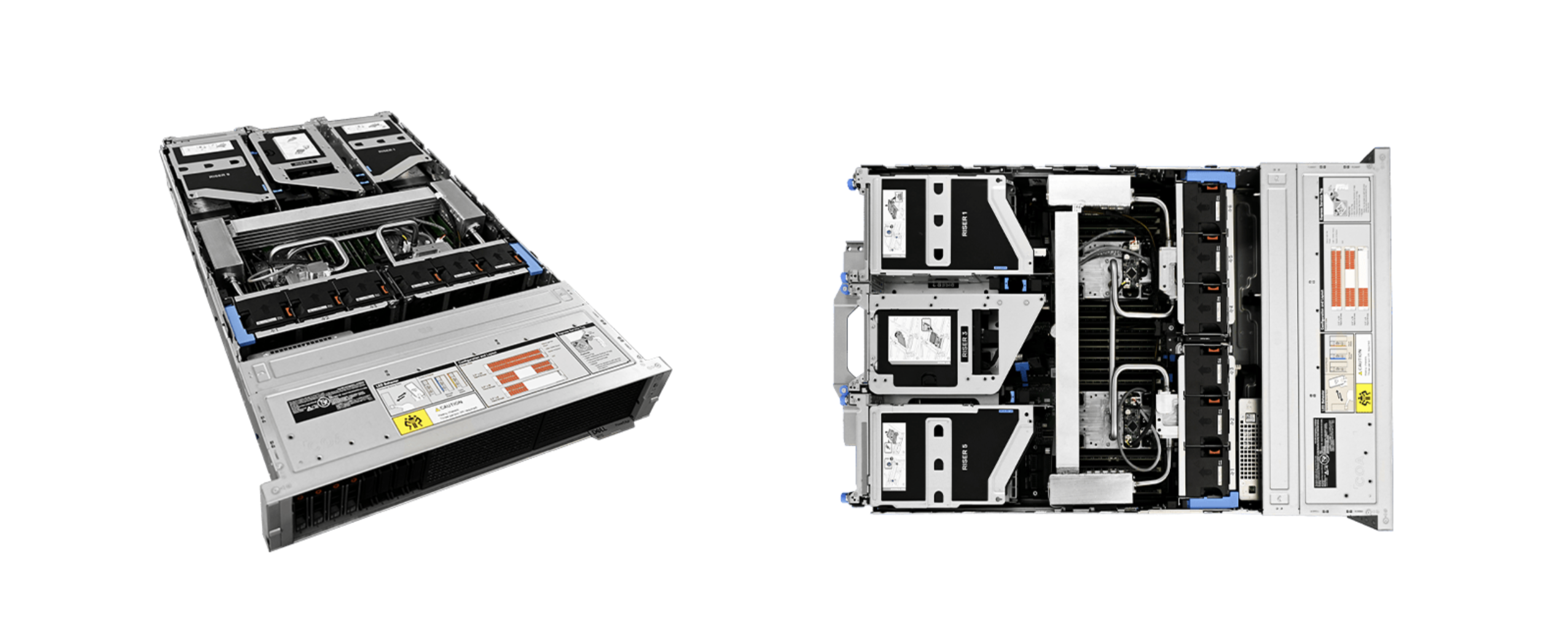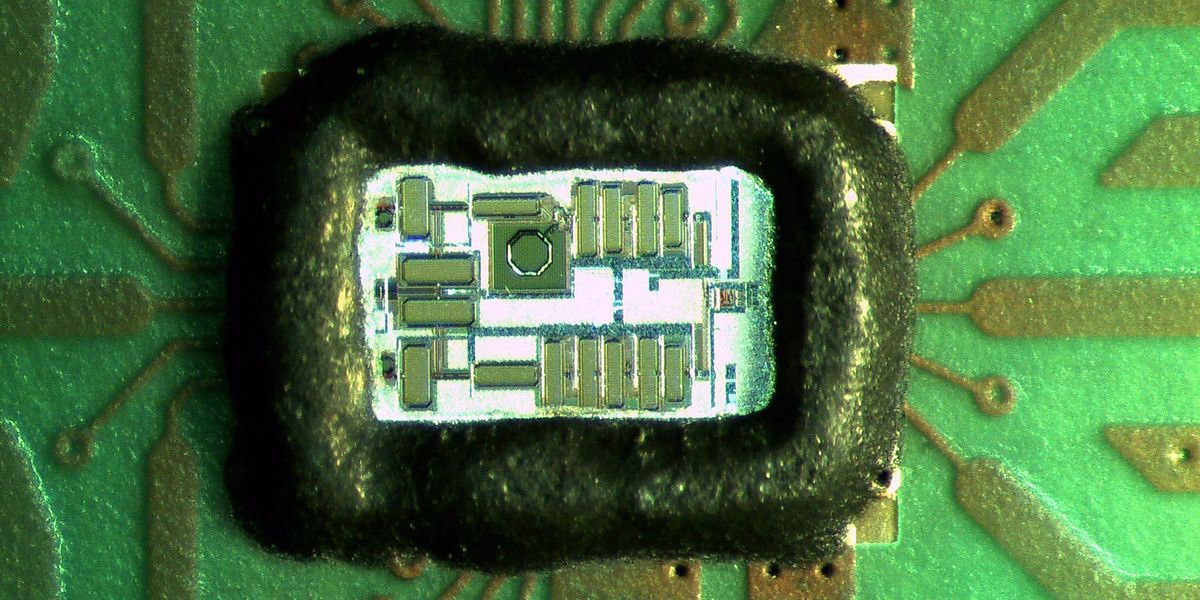
The whispers around the data center industry have been about AI’s insatiable hunger for compute and, more critically, for bandwidth. Everyone, from the hyperscalers themselves to the chip designers and server builders, has been wrestling with the fundamental bottleneck: how do you get data from point A to point B fast enough to keep those hungry AI models fed? The expectation, almost a given, was a continuation of incremental improvements – faster network interfaces, slightly denser chips, maybe some experimental cooling solutions popping up here and there. What we’re seeing now, though, is something altogether more deliberate.
Here’s the thing: GUC (Global Unichip Corp.), a titan in ASIC design services, and Wiwynn, a powerhouse in cloud infrastructure and server solutions, are announcing a collaboration that aims to stitch together the silicon with the system in a way we haven’t quite seen formalized before. This isn’t just about designing a better chip and then figuring out how to plug it into a box. This is a concerted effort to build the entire infrastructure, from the very silicon on the die all the way up to the rack-level integration that’s critical for hyperscale deployment.
What exactly does this entail?
The core of the announcement hinges on three interconnected pillars: GUC’s expertise in custom silicon (ASICs) for AI workloads, Wiwynn’s mastery of system integration including optical I/O, and a joint focus on liquid-cooled rack architectures. For years, the AI race has been about raw processing power. But the true constraint is moving that data around. Think about it: a cutting-edge AI accelerator can churn through billions of operations per second, but if it’s constantly waiting for data because the interconnects can’t keep up, it’s just a very expensive paperweight. Wiwynn’s push into optical I/O – essentially using light instead of electrical signals to transmit data over longer distances with less signal degradation and higher speeds – directly addresses this. Coupling that with liquid cooling, which is becoming non-negotiable for packing more power into a smaller footprint without melting down, shows a clear understanding of the total system problem.
It’s the silicon-to-system approach that’s particularly compelling. Instead of a vendor designing an SoC and then throwing it over the wall to a system integrator, this partnership implies a feedback loop, a co-design process. GUC can tailor its silicon designs with Wiwynn’s system-level constraints and capabilities in mind from the outset. This could mean optimized power delivery networks on the chip to play nicely with advanced cooling, or specific interfaces designed to slot directly into Wiwynn’s high-bandwidth optical fabric. It’s about reducing latency and complexity at every stage.
The collaboration unites GUC’s silicon design capabilities with Wiwynn’s system integration expertise to deliver a holistic infrastructure solution for next-generation hyperscale AI deployments.
This move by GUC and Wiwynn is a subtle, yet profound, acknowledgment of the evolving demands of AI infrastructure. Hyperscalers are no longer content with picking best-of-breed components and hoping they play well together. They need integrated solutions that are optimized for performance, power efficiency, and scalability. This partnership directly targets that need, promising a more streamlined path to deploying the massive AI clusters that power everything from large language models to scientific simulations.
Is this a direct challenge to the established behemoths like NVIDIA? Not entirely, and not yet. NVIDIA’s integrated approach—from CUDA software to their Hopper architecture and networking—is deeply entrenched. However, this GUC-Wiwynn alliance represents a significant play for the custom silicon market and the increasing demand for specialized AI hardware. It’s a reminder that the AI hardware landscape isn’t solely defined by a few dominant players. There’s a growing ecosystem of companies focused on solving specific pain points in the data center, and this collaboration is a prime example.
So, what does this really mean for the future?
It signifies a maturation of the AI infrastructure market. We’re moving beyond the era of bolt-on solutions to one where deep, architectural integration is paramount. For hyperscalers, this could translate into faster time-to-deployment for their AI initiatives, reduced operational costs due to better power efficiency, and ultimately, the ability to build and scale AI services more effectively. It’s a bet on the continued exponential growth of AI, and a pragmatic attempt to build the foundational plumbing for that future. The devil, as always, will be in the execution, but the ambition is undeniable.
What is GUC and Wiwynn’s Role in AI?
GUC specializes in designing custom silicon (ASICs) tailored for specific high-performance computing tasks, including AI acceleration. Wiwynn builds the physical infrastructure for data centers, such as servers, storage, and networking solutions, with a growing emphasis on advanced technologies like optical interconnects and liquid cooling necessary for AI workloads.
Will this partnership impact existing AI hardware providers?
This collaboration directly addresses the integrated needs of hyperscalers for AI infrastructure, potentially offering a more cohesive and optimized solution than assembling disparate components. While it doesn’t directly compete with companies like NVIDIA’s end-to-end stack, it carves out a significant space for custom silicon and specialized system integration within the broader AI hardware ecosystem, particularly for large-scale deployments seeking tailored performance and efficiency.