What if Nvidia’s AI system roadmap is the only path that matters—while everyone else scrambles in the dark?
I’ve chased Silicon Valley promises for two decades, from dot-com fever to crypto winters, and let me tell you, Nvidia’s latest unfold at GTC 2026 feels like déjà vu. Back in the Kepler days of 2012, Jensen Huang’s crew laid out clear paths for GPU acceleration, no buzzword fog. Then—poof—they zipped it up through 2021, right as GenAI ignited. Smart move, actually; why show your hand when everyone’s begging?
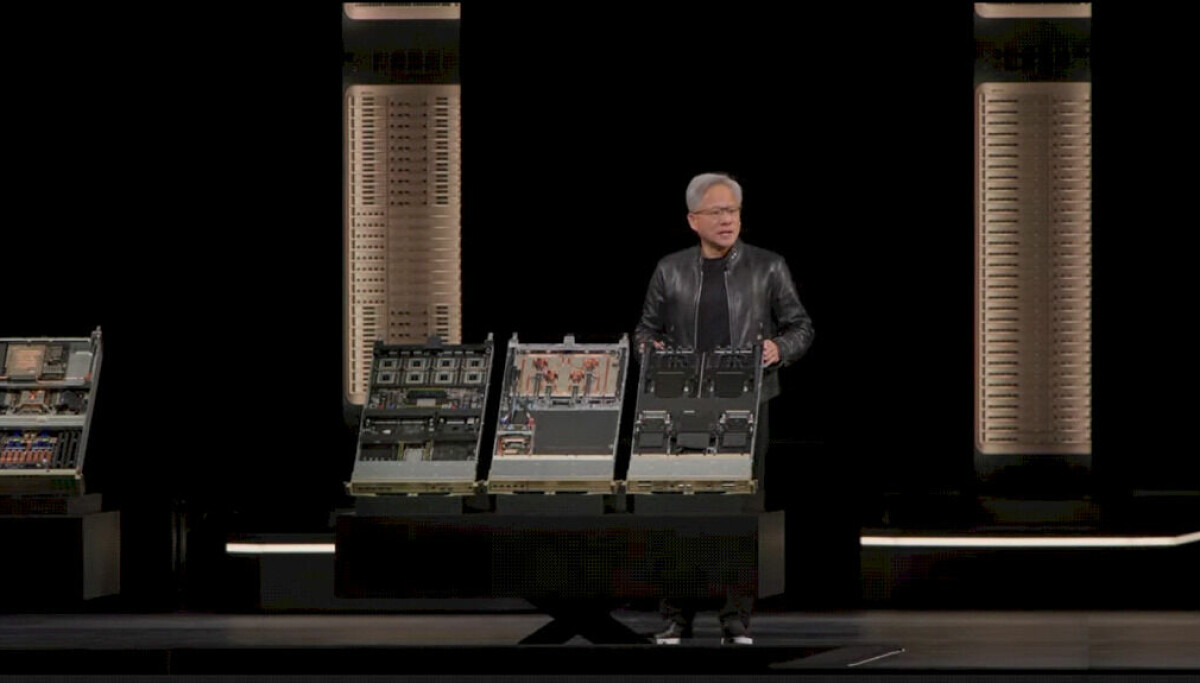
But here’s the kicker. Late 2023, Nvidia cracked open that leather jacket pocket and dropped the first modern roadmap. Not some flashy GTC deck, mind you—a dry financial slide we had to annotate ourselves, adding GPUs, DPUs, even calendar years. Gratitude mixed with eye-rolls. By Computex 2024, Blackwell emerged from the X100 haze, and roadmaps stretched to 2027 with Vera CPUs and Rubin GPUs. GTC last year pushed to 2028. Now 2026’s update teases Oberon racks, Kyber evolutions—font so tiny, us old-timers need magnification.
Nvidia owns training. Period. Inference? They compete hard, but still lap the field.
Nvidia’s Market Chokehold: 70% of the Pie?
Do the math—rough as it is, since IDC and Gartner play coy. 2025 server market? $420-450 billion. Nvidia snags $190 billion in BOM revenue. AI-loaded boxes with their kit? $275-325 billion. That’s 61-77% share. Quantum probabilities aside (yeah, laugh), profits flood Nvidia’s ledgers. Gross margins gleaming, net income soaring. Truly amazing—or suspiciously tidy.
“Nvidia by far still has dominant market share and will for many years to come.”
That’s from the insiders tracking this frenzy. OEMs, ODMs? They bolt Nvidia tech into racks, sure. But who pockets the real dough? Huang’s empire.
Look, competitors swarm—Cambrian explosion of AI chips, networking. Groq LPUs, custom silicon. Yet Nvidia’s CUDA moat, InfiniBand skip (Quantum’s the future for AI factories, HPC maybe clings to old faithful), keeps them ahead. No mention of InfiniBand in 2026 decks? Not abandonment—AI scales scream Ethernet.
Is Rubin Really Worth the Hype in 2027?
Rubin R200 GPUs, Vera CV100 Arm CPUs—2027’s stars. Then 2028: Feynman Ultra? ConnectX-10 SmartNICs, maybe Groq refresh. Racks evolve to Oberon 2.0, Kyber next-gen. Huang’s keynotes paint this relentless cadence, annual tweaks syncing compute, networking, storage.
But cynicism kicks in. Remember Volta to Hopper? Promises of petaflops, then delays, power hogs. Blackwell’s here, finally shipping after Computex tease. Rubin’s long-context CPX? Attenuation fixes sound PR-perfect. Who’s betting farms on 2028 without a discount?
Customers don’t buy point products. They chase roadmaps for money, land, power, cooling—the megabuild IT’s never seen. Hyperscalers sync to Nvidia’s beat. Rest? Pray for scraps.
Here’s my unique dig: this mirrors Intel’s Pentium reign in the ’90s. Dominance via roadmaps, ecosystem lock-in. Intel stumbled on process nodes, opened fab doors. Nvidia? TSMC-bound, but software ironclad. Prediction: by 2028, share dips to 50% as AMD MI400s, Broadcom nets bite. Not collapse—erosion. Who makes money then? Not Huang alone; OEMs like Supermicro feast on volume.
Skeptical? Damn right. Nvidia’s no savior; they’re the tollkeeper on AI’s highway. Roadmaps synchronize the chaos, sure. But that $190 billion revenue? It’s your cloud bill, repackaged.
Why Does Nvidia Hide the Full Picture?
Early roadmaps—Kepler to Volta—were generous. Post-2021 silence? Nuclear boom demanded transparency. Now annual GTC reveals feel scripted, font-shrinking to cram more codenames. GX200 became Blackwell; X40 teased Rubin. Variables or recycling? Who cares—stock pops anyway.
OEMs love it. Dell, HPE, Lenovo convert Grace-Hopper-Blackwell into DGX beasts. But margins? Razor-thin next to Nvidia’s 75% gross. “Evolution of Oberon and Kyber racks,” Huang boasts. Explicit now, post our prodding in prior coverage.
And the money question—always. Datacenter buildout dwarfs anything. Trillions? Plausible. Nvidia captures 40-50%? Check. Rest scatters to cabling, cooling firms (quiet winners). Vertiv, Schneider? Pump those stocks.
But hype calls it out: no Quantum InfiniBand nod isn’t retreat—it’s pivot. AI factories shun it for scale.
Trained eye spots the spin. 20 years in, I’ve seen roadmaps as weapons. Nvidia wields best.
🧬 Related Insights
- Read more: Asia’s AI Factories: Power Grids, Wallets, and Wars Trump Code
- Read more: NVIDIA’s GH200 Just Clocked Single-Digit Microsecond Latency in Trading – GPUs Strike Back at FPGAs
Frequently Asked Questions
What is Nvidia’s 2026 AI system roadmap?
It maps GPUs like Rubin R200 (2027), Vera CPUs, Oberon/Kyber rack evos to 2028—annual cadence for training/inference dominance.
Will Nvidia lose AI market share by 2028?
Dominant now (60-77%), but competitors erode to ~50%—software moat holds, hardware challengers rise.
Who profits most from Nvidia’s roadmap?
Nvidia, hands down—$190B+ revenue. OEMs scrape margins; cooling/cabling dark horses win big on buildout.