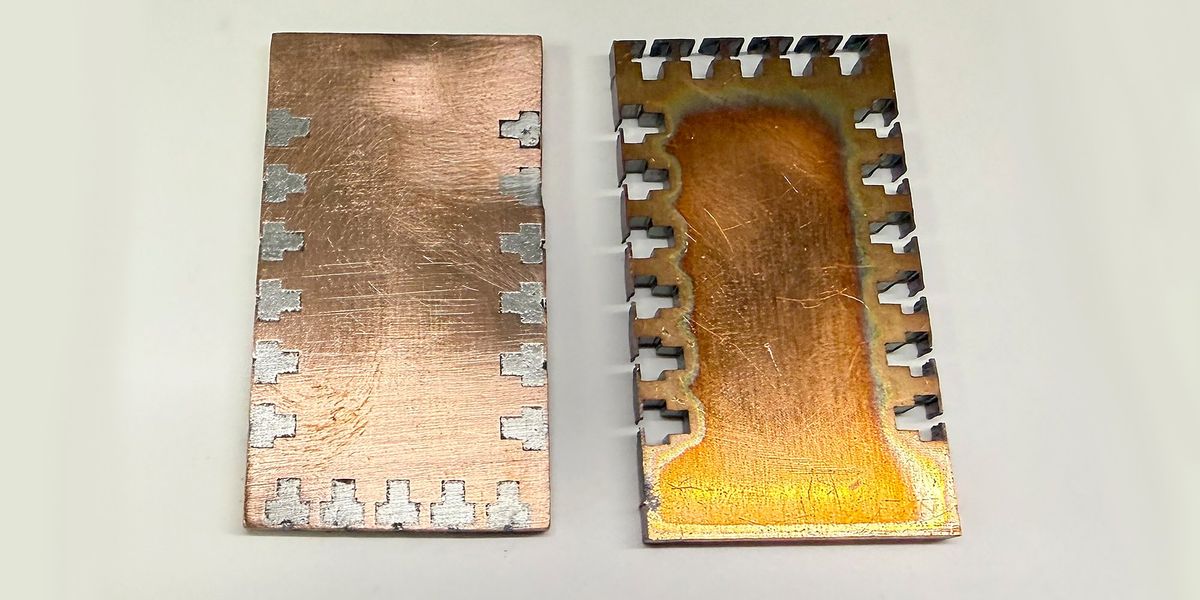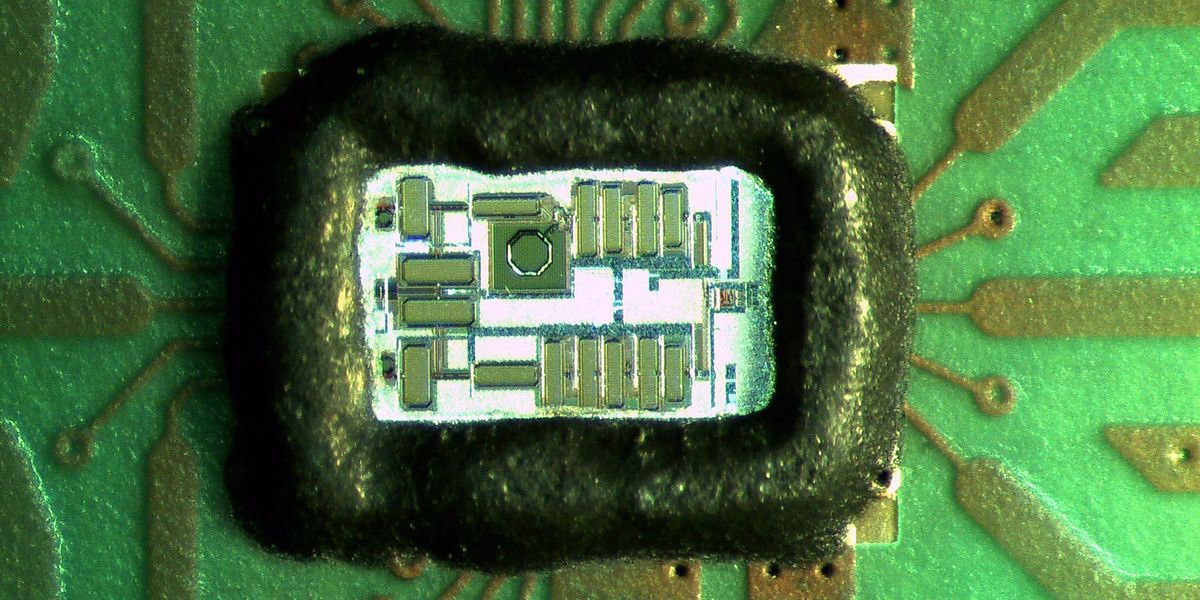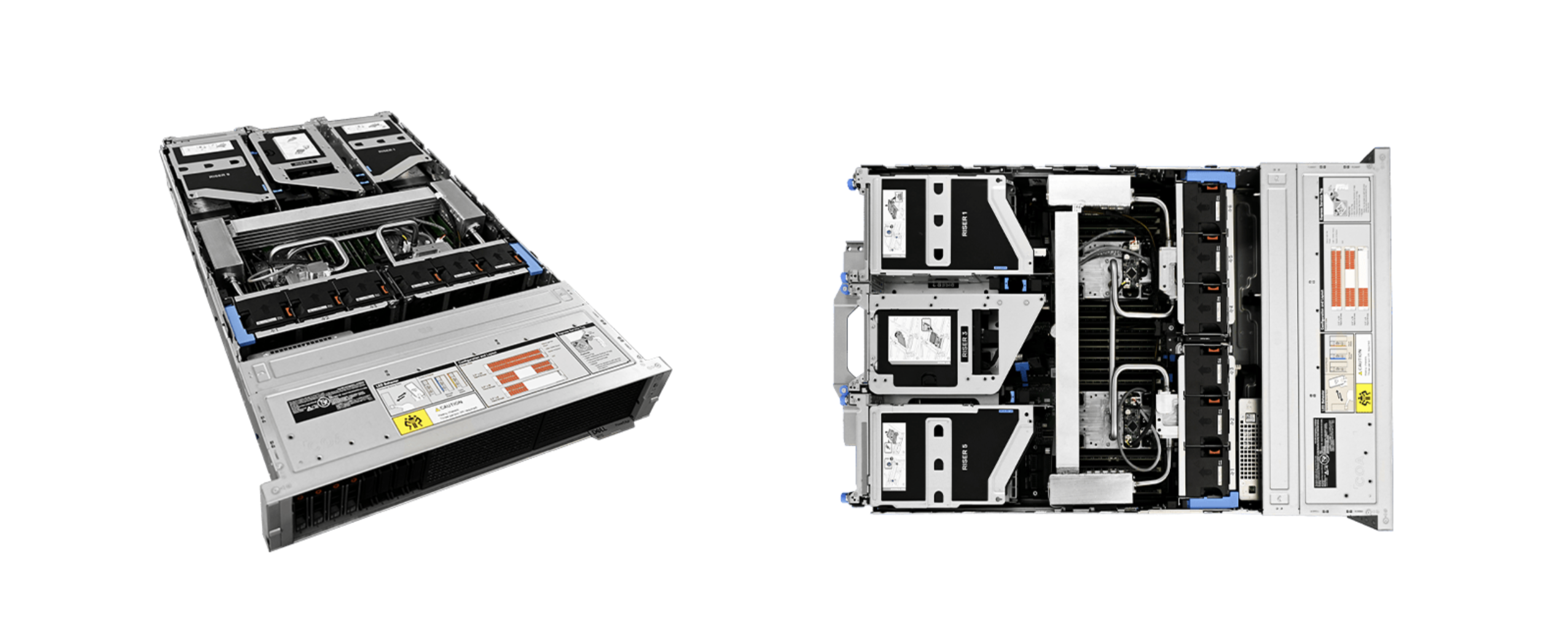
Are we finally getting serious about data center thermodynamics, or is this just another incremental step cloaked in corporate-speak? JetCool, a Flex subsidiary, is rolling out its SmartPlate System, now compatible with Dell’s PowerEdge R770 and R7725 servers. The headline grabber? A purported 13% reduction in IT power consumption. This isn’t exactly a revelation; direct-to-chip liquid cooling has long promised efficiency gains. What’s different now, perhaps, is the application to mainstream enterprise gear, aiming to squeeze more compute density into existing — or new — racks. It’s about maximizing the power and footprint in spaces that are becoming prohibitively expensive and scarce.
Closing the Loop on Thermal Management
The SmartPlate System is described as a fully sealed, direct-to-chip solution. The key selling point here is its ability to integrate without requiring facility water hookups or extensive data center retrofits. This is a critical distinction for many organizations still relying on traditional air cooling. JetCool suggests this offers a swift, less disruptive path to adopting more advanced thermal management. For those running high-density compute, especially for AI workloads, heat is the enemy. Anything that can mitigate that without a full datacenter overhaul warrants attention.
Dr. Bernie Malouin, Founder of JetCool, emphasizes the ‘real results at scale’ and a ‘faster path to higher rack density and better efficiency.’ These are the metrics that matter when justifying CapEx. The integration with Dell’s PowerEdge servers specifically targets what JetCool calls ‘next-generation platforms powered by next-generation processors,’ which, frankly, is just about everything these days. The press release highlights an average 13% IT power reduction. This figure, if accurate and consistent across deployments, could translate into substantial operational savings.
John Sasser, CTO at Sabey Data Centers, a partner in this rollout, offers a practical testimonial. He notes the system’s ability to enable direct-to-chip liquid cooling within ‘traditional air-cooled data centers.’ The ‘closed-loop design’ integrates directly into the server, allowing for ‘fast, phased deployment.’ This phased approach is crucial for adoption. Nobody wants to rip and replace entire infrastructures overnight. The promise of improved server performance and reduced power consumption for increased compute density and budget maximization is the core value proposition. It’s not just about cooling; it’s about doing more with less.
Why Does This Matter for Developers?
The implication for developers and the broader IT infrastructure world is a subtle but important shift. As processors become more powerful and densely packed, particularly with AI accelerators, thermal envelopes are shrinking. Traditional air cooling, while ubiquitous, hits its limits. Liquid cooling, especially direct-to-chip, becomes not just an efficiency play but a necessity for realizing the full potential of new hardware.
This move by JetCool and Flex suggests a maturing market for direct-to-chip solutions. It’s moving beyond niche high-performance computing into more mainstream enterprise environments. This means that developers might soon find themselves working with systems that are more thermally constrained but also more efficiently managed, potentially leading to more stable performance and longer hardware lifespans. The 13% IT power reduction claim, if realized, also feeds into the growing pressure for data center sustainability, a topic that’s increasingly relevant to corporate IT strategies.
It’s worth noting that the ‘closed-loop design’ mentioned by Sasser is key. Unlike open-loop systems that require connection to facility chilled water, closed-loop systems are self-contained. This simplifies installation and maintenance immensely, removing a major hurdle for adoption in facilities not designed for extensive liquid plumbing. The fact that it’s being showcased at Dell Technologies World and has demo locations at major data center providers like Equinix and Sabey indicates a concerted push to reach the market.
Flex, the parent company, sees this as part of a broader strategy to accelerate data center deployment by tackling power, heat, and scale challenges. Their involvement lends credibility to JetCool’s push into the enterprise server space. It’s not just a startup’s ambitious claim; it’s a manufacturing behemoth backing a specific cooling technology. This integration into Dell’s popular PowerEdge line signals that the industry is actively seeking solutions to the ever-increasing thermal demands of modern computing. The question remains whether the 13% figure is a consistent, real-world result or a best-case scenario.
Availability and the Bottom Line
SmartPlate Systems for the targeted Dell PowerEdge servers are available now. JetCool and Flex are positioning this as a way to increase capacity, cut energy costs, and meet sustainability goals without costly infrastructure overhauls. Live demonstrations at Dell’s Customer Solution Centers and with partners like Sabey and Equinix are designed to prove the concept.
This expansion into popular server lines is a logical step for JetCool. The real test, as always, will be in the widespread adoption and the actual performance metrics achieved in diverse operational environments. The data center industry is constantly battling the physics of heat. If JetCool’s SmartPlate system can consistently deliver on its promises of efficiency and density without significant installation friction, it could become a more common sight in enterprise racks. For now, it’s a promising development in the ongoing quest for more performant and sustainable computing.
**
🧬 Related Insights
- Read more: Nvidia’s Asian Supply Chain Exposure Surges to 90%
- Read more: LLM Decoding Gets a Nudge: New Chip Design [3D NMP]
Frequently Asked Questions**
What does JetCool’s SmartPlate System actually do? JetCool’s SmartPlate System is a direct-to-chip liquid cooling solution designed to be installed inside servers. It aims to remove heat directly from critical components like CPUs and GPUs, improving performance and reducing overall IT power consumption without requiring external facility water.
Will this system require major changes to my existing data center? No, the SmartPlate System is specifically designed for low disruption. It uses a closed-loop design and doesn’t require facility water hookups or extensive data center retrofits, making it a more accessible option for existing air-cooled environments.
How much power can I expect to save with the SmartPlate System? JetCool claims an average of 13% IT power reduction for servers equipped with their SmartPlate System, which can contribute to increased rack density and lower operational costs.