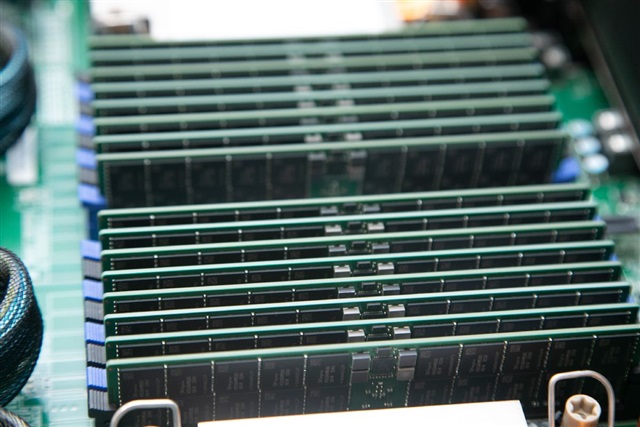
The whispers on the street were about AI chips, soaring demand, and the endless gold rush for silicon titans. Everyone was focused on the next big AI model or the GPU that could power it. And then there’s Wiwynn, quietly recalibrating its memory strategy, and it’s not because of some grand technological leap forward.
It’s because the bills are piling up. Rising prices for key components, including memory and processors, are a real problem. We’re not talking about a minor inconvenience; this is increasing working-capital pressure on server original design manufacturers (ODMs) while also weighing heavily on their gross margins. For two decades, I’ve watched these companies dance on the edge, and this smells like a familiar, unpleasant tune.
The Expected Narrative vs. The Reality
For ages, the server ODM game was about scaling, efficiency, and striking deals with the big chipmakers. They were the middlemen, the ones assembling the powerful machines that Google, Meta, and Amazon desperately needed. The story was always about meeting insatiable demand, particularly for AI infrastructure. But demand doesn’t magically translate into profit when your input costs are going through the roof and your clients are notoriously tough negotiators.
What was expected? More orders, higher revenue, maybe a slight uptick in profitability as economies of scale kicked in. What’s happening? Wiwynn, a major player in this space, is signaling that the old playbook isn’t cutting it. They’re shifting their memory purchases. Why? Because the cost of that memory, and other critical components like processors, is eating into their margins so much that they have to make a structural change to their procurement.
Who’s Actually Making Money Here?
Let’s cut through the PR haze. When you hear about component costs pressuring margins, it’s a clear indicator that the value is being captured upstream, by the chip designers and foundries, not necessarily by the ODMs who are doing the heavy lifting of assembly and integration. Wiwynn is essentially saying, ‘We can’t absorb these costs indefinitely if we want to stay in business.’ It’s a strategic adjustment born of necessity, not ambition.
Rising prices for key components, including memory and processors, are increasing working-capital pressure on server original design manufacturers (ODMs) while also weighing on gross margins.
This isn’t about Wiwynn suddenly becoming a memory manufacturer. It’s about them trying to optimize their supply chain to mitigate the impact of these escalating prices. It might mean buying different types of memory, negotiating bulk deals differently, or perhaps even stocking up strategically when they anticipate price hikes. Whatever the specifics, it’s a defensive maneuver.
The Cost of Cooling the AI Inferno
This situation highlights a broader truth in the tech industry that often gets glossed over in the hype cycles: scaling up complex technologies is expensive. The massive build-out of AI infrastructure requires an unprecedented amount of hardware. And while everyone is excited about the capabilities, someone has to pay for the sheer volume of memory chips, CPUs, and specialized accelerators needed.
My own experience covering the semiconductor industry for two decades tells me that these cost pressures have a cascading effect. When component prices rise, it tightens the purse strings of companies like Wiwynn. They, in turn, will push back on their own suppliers or, more likely, find ways to manage their inventory and purchasing more astutely. This is the unglamorous reality behind the dazzling AI headlines.
Will This Spell Doom for ODMs?
Not necessarily doom, but a definite sharpening of the competitive edge required. ODMs that can’t adapt their procurement strategies, manage their working capital efficiently, or perhaps diversify their offerings will struggle. The pressure cooker environment of high component costs and client demands means only the nimblest will thrive.
This isn’t just a Wiwynn problem; it’s a canary in the coal mine for the entire server ODM sector. The era of easy margins might be behind us, at least until the supply chain catches up or component prices stabilize. For now, expect more strategic maneuvering and less fanfare from the companies quietly building the backbone of our digital world.
What Does This Mean for Server ODMs?
It means margins are thinner than ever. Working capital requirements are ballooning as companies have to shell out more cash upfront for components. This forces a more cautious approach to sales and production planning. ODMs will likely prioritize higher-margin projects and might become more selective about the deals they pursue. We could also see increased consolidation as smaller players buckle under the financial strain.
Why are Component Costs So High?
Several factors are at play. Geopolitical tensions, supply chain disruptions (lingering from the pandemic and new ones emerging), and the sheer, unadulterated demand for advanced components for AI and other high-performance computing applications. Foundries are running at capacity, and the cost of raw materials and manufacturing sophisticated chips continues to climb. It’s a perfect storm of supply and demand dynamics creating an inflationary environment for server components.
🧬 Related Insights
- Read more: Quantum Computing Chips: Technologies, Players, and the Road Ahead
- Read more: Nvidia and Oracle Forge DOE’s Monster AI Supercomputer Fleet
Frequently Asked Questions
What is Wiwynn shifting in its memory purchases? Wiwynn is adjusting its strategy for buying memory components, likely to better manage costs and mitigate the impact of rising prices on its profitability.
How are component costs affecting server ODMs? High prices for components like memory and processors are increasing the amount of money ODMs need to spend upfront (working capital) and reducing the profit they make on each server sold (gross margins).
Is this shift a response to AI demand? While AI demand drives overall server production, Wiwynn’s shift is a direct response to the cost pressures associated with meeting that demand, rather than the demand itself. It’s about managing the financial implications of building AI infrastructure.