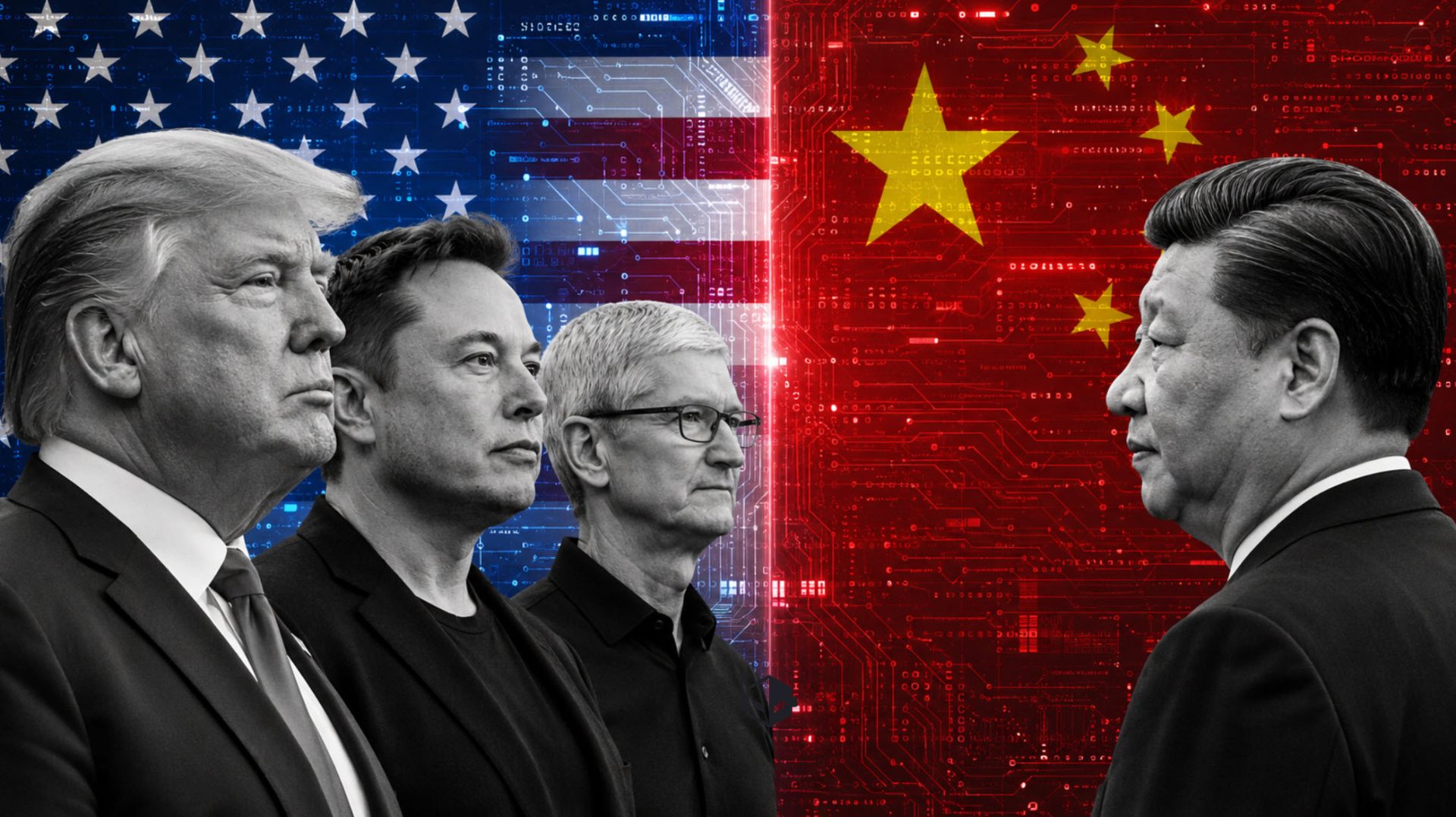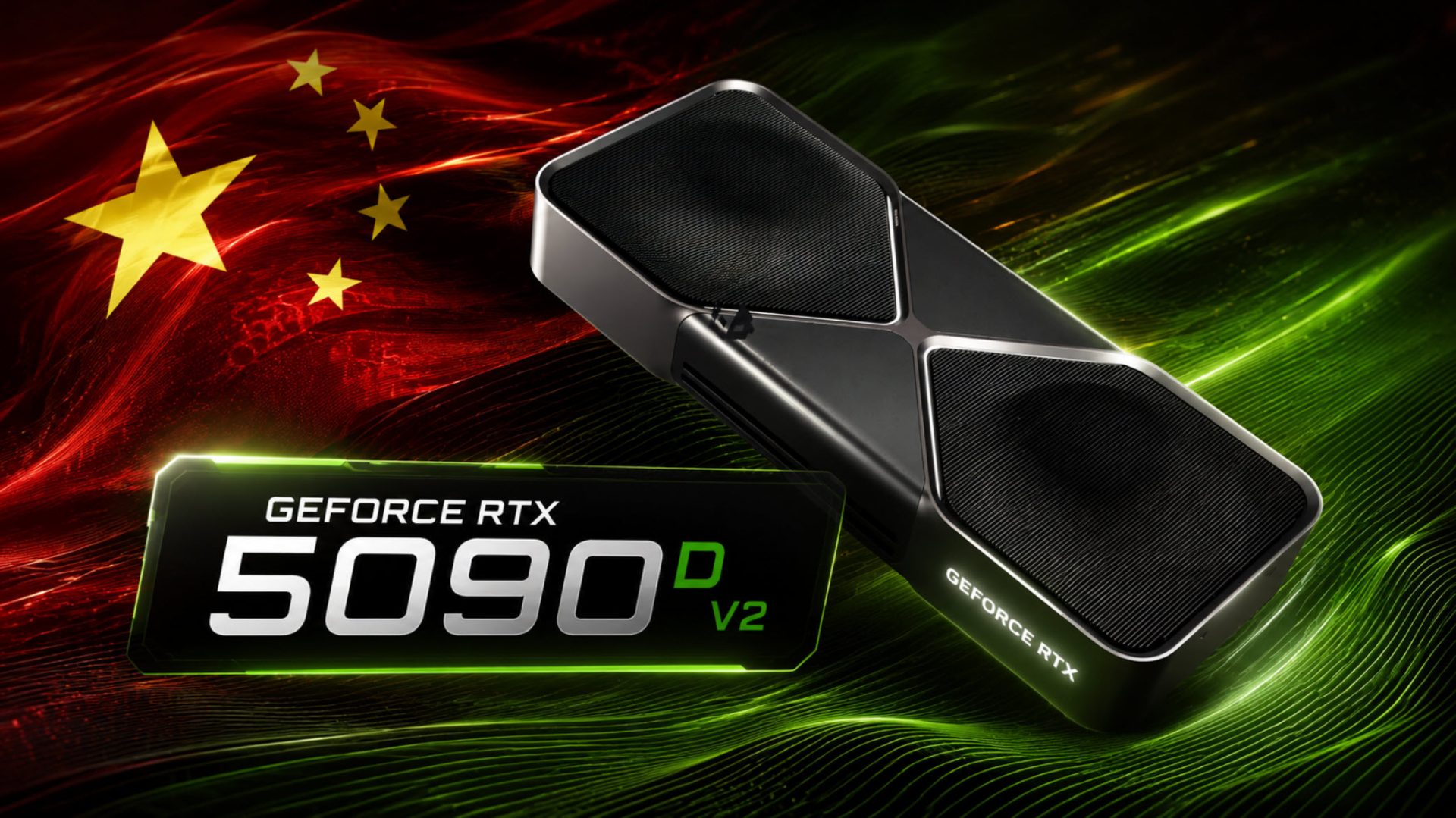
Look, the real story here isn’t just another corporate handshake gone sour; it’s about what happens when national pride bumps up against the relentless march of silicon. For gamers in China, this means the undisputed king of the gaming hill – the RTX 5090 D v2 – won’t even get to play. They’re now relegated to the next tier down, the RTX 5080, which, while capable, isn’t the bleeding edge.
This isn’t about the US dictating terms anymore, not directly anyway. This is China slamming the door on its own market for a product designed for it. It’s a curious move, especially when you consider the US is busy easing restrictions on NVIDIA’s AI chips like the H200, making them available to American AI firms. It highlights a divergence in priorities: the US wants its AI sector to soar, while China seems to be drawing a line in the sand, even if it means hobbling its own consumer market.
Why the Ban? A Game of Chicken and Hardware.
Why would Beijing pull the plug on its own exclusive flagship? The whispers from market sources suggest a mix of factors, none of them particularly flattering to NVIDIA. One theory? China might see the RTX 5090 D v2 as an ‘insulting and downgraded product’ – a concession chip that, despite its raw power, still carries the watermark of foreign design and the inherent limitations imposed by US export controls. It’s akin to being offered a slightly bent crown; if you’re aiming for genuine sovereignty, even a bent one isn’t good enough.
The card, originally conceived as a China-specific answer to the global RTX 5090, already had its VRAM (24GB versus 32GB) and memory bus narrowed to sidestep US regulations designed to hobble AI development. Reports even suggest some AI firms were trying to retrofit these very cards with more VRAM. But that effort, and the card itself, now seems to be caught in a geopolitical vise, squeezed from both sides. NVIDIA, caught off guard, is left with a product designed for a market it can no longer serve.
Market rumors suggest that the NVIDIA GeForce RTX 5090 D v2 has been banned from the Chinese market, but this time it’s not the US that’s banning it, but China.
This situation is a stark reminder that the global semiconductor landscape isn’t just about technological advancement; it’s a high-stakes geopolitical chessboard. NVIDIA’s strategy of creating market-specific SKUs to navigate export controls has, ironically, made it vulnerable to the importing nation’s own regulations. The RTX 5090 D v2 was meant to be a clever workaround, a way to offer high-end gaming while attempting to appease the US. Instead, it’s become a symbol of restrictions, unwanted by the very market it was built for.
What About the AI Angle?
It’s tempting to draw a straight line from this gaming GPU ban to the ongoing US-China AI chip war. However, the original reporting points out that banning the RTX 5090 D v2, with its already ‘locked’ AI computing power, won’t meaningfully advance China’s domestic AI chip development. This suggests the decision is less about pure technological control and more about a nationalistic posture. China is accelerating its own domestic hardware development – a race that’s crucial for its technological independence. But so far, these homegrown solutions, while promising, are a long way from matching the raw horsepower of NVIDIA’s latest offerings.
The implications for NVIDIA are significant. Their carefully crafted approach of tailoring products for specific markets, a strategy that usually works, has backfired spectacularly. The RTX 5090 D v2, a card with nowhere else to go, is now essentially a paperweight, a costly manufacturing exercise with no intended destination. This isn’t just about one GPU; it’s a signal that the lines are being redrawn, and foreign tech companies must tread even more carefully on Chinese soil.
For the average consumer in China, this translates to rising prices for available high-end options and a potentially longer wait for truly competitive domestic alternatives. It’s a bumpy ride on the road to technological self-sufficiency.
🧬 Related Insights
- Read more: AMD DGF: Next-Gen Geometry Compression Revealed
- Read more: Gartner’s Stunning Call: Semiconductor Revenues to Surge 64% to $1.32 Trillion in 2026
Frequently Asked Questions
What does the NVIDIA RTX 5090 D v2 ban mean for Chinese gamers?
Chinese gamers will no longer have access to the RTX 5090 D v2, which was positioned as their top-tier gaming graphics card. They will have to rely on the next-best option, likely the RTX 5080, or wait for domestic alternatives to mature.
Was the RTX 5090 D v2 intended for AI or gaming?
While it possesses significant processing power, the RTX 5090 D v2 was primarily marketed and designed as a high-end gaming GPU for the Chinese market. Its specifications were already adjusted to comply with US export restrictions that targeted AI development.
Why is China banning a product made for its own market?
The exact reasons are not definitively stated, but speculation points to nationalistic sentiment, viewing the downgraded card as an “insulting” product, and a broader push for domestic technological independence, even if it means restricting access to foreign high-end hardware.