US Chip War Stalemate: H200s Approved, But No Sales to China
For months, the semiconductor industry has been watching the complex dance between the US government and Chinese tech giants. The expectation was that with revised export controls and specific approvals, Nvidia’s top-tier AI chips, like the formidable H200, could once again flow to China, albeit under stricter conditions. The narrative was one of cautious optimism—a sign that diplomacy and strategic recalibration might unlock a crucial market segment. Now, that narrative has a gaping hole in it. Approximately ten Chinese companies secured US government clearance to purchase Nvidia’s H200 AI accelerators, a development that should, in theory, have signaled a thaw. Yet, the reality on the ground is starkly different: not a single H200 has been delivered. This isn’t just a minor hiccup; it’s a potential seismic shift, suggesting that regulatory approval alone is a paper tiger against the backdrop of geopolitical realities and, perhaps, more pragmatic concerns on the buyer’s side.
What Went Wrong, Or Did It?
Look, the US has been tightening its grip on advanced semiconductor technology export to China for some time, aiming to curb its military and AI advancements. The H200, with its superior memory bandwidth and computational prowess, is precisely the kind of hardware that fits this restricted category. The approved companies, ostensibly, were cleared under the new, more lenient rules established after Nvidia adjusted its product offerings and the US government tweaked its regulations. So, why the ghost town for sales? Several factors are likely at play, far beyond the simple issuance of a permit.
First, there’s the sheer cost and complexity. These aren’t off-the-shelf components. The H200 is an enterprise-grade, high-performance computing behemoth. The procurement process for such systems involves immense planning, infrastructure readiness, and significant capital outlay. It’s possible that while the permission was granted, the readiness to deploy hasn’t materialized across the board for these ten firms.
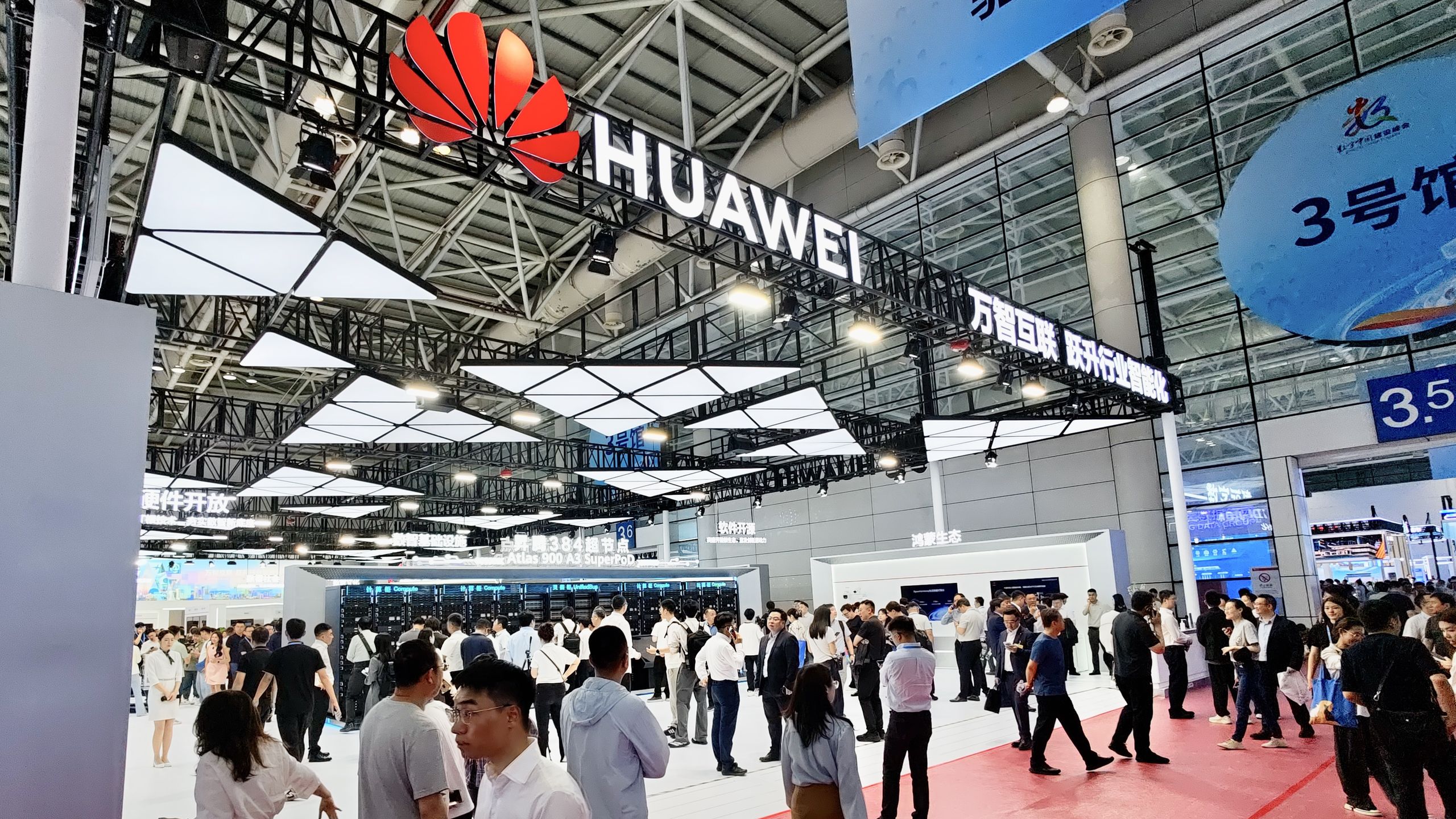
Second, and more critically, consider the evolving landscape within China. The nation isn’t idly waiting for US approvals. They’ve been pouring massive resources into developing domestic AI chip capabilities. Companies like Huawei have made significant strides, and the race to develop indigenous alternatives is intensely competitive. Even with approved access to US hardware, Chinese firms might be increasingly opting for domestic solutions, driven by a desire for supply chain security, avoidance of future sanctions, and nationalistic pride. Why invest heavily in a technology that could be yanked away tomorrow? It’s a rational strategic pivot.
Third, the specific terms of the US approval are rarely transparent. It’s highly probable that the approvals came with a suite of stringent oversight requirements, reporting obligations, and limitations on how the chips could be used. For Chinese companies operating in a complex regulatory environment, the administrative burden and the risk of non-compliance might simply outweigh the perceived benefits of acquiring US-made high-end GPUs.
The data is clear: approval is a necessary, but far from sufficient, condition for market access in this geopolitical climate. For Nvidia and other US chipmakers, navigating the China market has become less about engineering and more about statecraft and risk assessment.
The Unseen Market Dynamics
This stall highlights a fundamental misunderstanding by some analysts — and perhaps even within the Beltway — of how high-stakes technology markets function under sanctions. It’s not just about what the US allows, but what China wants and can realistically integrate without undue future risk. The market isn’t a vacuum waiting for regulatory decisions; it’s a dynamic ecosystem driven by innovation, economics, and geopolitical resilience.
This situation echoes historical parallels in technology embargoes. When certain technologies are restricted, the immediate effect is often not a surrender, but a redoubling of efforts towards self-sufficiency. Think of the Soviet Union’s pursuit of its own microelectronics industry during the Cold War. While the scale and sophistication differ, the underlying principle of incentivizing domestic innovation through external pressure is remarkably consistent.
For Nvidia, this presents a significant strategic dilemma. Their reliance on the Chinese market, even with its restrictions, has been substantial. The inability to move high-end products, even with a nod from Washington, means a substantial chunk of potential revenue remains out of reach. This forces the company to accelerate its diversification efforts, which it has been doing by focusing on other regions and developing more export-controlled versions of its chips for markets like the Middle East. However, the sheer scale of China’s AI ambition means that any long-term absence from its high-end segment will have material consequences.
Why Does This Matter for Developers?
For the legions of developers and AI researchers in China, this isn’t just an abstract geopolitical issue. It directly impacts their ability to access the cutting-edge hardware necessary for training and deploying the most sophisticated AI models. While domestic alternatives are improving, they may not yet match the raw power and mature software ecosystem of Nvidia’s offerings. This could create a bifurcated development landscape, where cutting-edge research in China relies on a different, potentially less powerful, set of tools compared to global counterparts. It also raises questions about the long-term competitiveness of Chinese AI research and development if access to best-in-class hardware remains a consistent bottleneck.
What’s Next for Nvidia in China?
Nvidia’s strategy has always been about adaptation. They’ve successfully navigated previous US export control iterations by creating compliant chips like the A800 and H80. The current impasse with the H200 suggests that the compliance lines have been drawn in increasingly difficult territory. The company will likely continue to explore every avenue, potentially working with Chinese partners to find solutions that fit within the ever-shifting regulatory framework. However, the broader trend is unmistakable: the era of unfettered access to Nvidia’s most potent AI accelerators in China is likely over, and for the foreseeable future, this stall may be more indicative of the new normal than a temporary blip.
🧬 Related Insights
- Read more: Intel and CrowdStrike Unlock Secure AI on Every PC
- Read more: HWMonitor and CPU-Z Downloads Serve Up Malware—Official Links Compromised
Frequently Asked Questions
Will this impact Nvidia’s overall revenue?
While China is a significant market, Nvidia’s global revenue is diversified. However, the inability to sell its most advanced chips in such a large AI market will certainly affect growth projections for its high-end AI segment.
Are there any other US companies facing similar issues?
Yes, other US semiconductor companies involved in AI and high-performance computing are also subject to strict export controls when selling to China, facing similar challenges in accessing that market with their most advanced products.
What are China’s domestic AI chip alternatives?
China is actively developing its own AI chips. Companies like Huawei and various startups are making progress, though they often face challenges in matching the performance and ecosystem maturity of leading US providers.