AI is the new OS.
Look, we’ve seen buzzwords come and go in the tech world. Remember the metaverse? Or blockchain mania? They promised revolutions, but often delivered… well, less. But AI? This feels different. This isn’t another shiny app layer or a niche protocol. This is like the moment electricity began to power every home, or the internet knitted the planet together. It’s a fundamental platform shift, a seismic tremor that’s reshaping the very bedrock of computing and, by extension, our lives.
Think about it. For decades, we’ve been telling computers what to do, line by painstaking line. Now, we’re teaching them to understand. We’re moving from explicit instructions to implicit learning, from rigid logic gates to fluid inference. It’s like the difference between assembling a bicycle part by part and simply sketching a bicycle and having it magically appear, fully formed and functional. That’s the leap we’re witnessing, and frankly, it’s exhilarating.
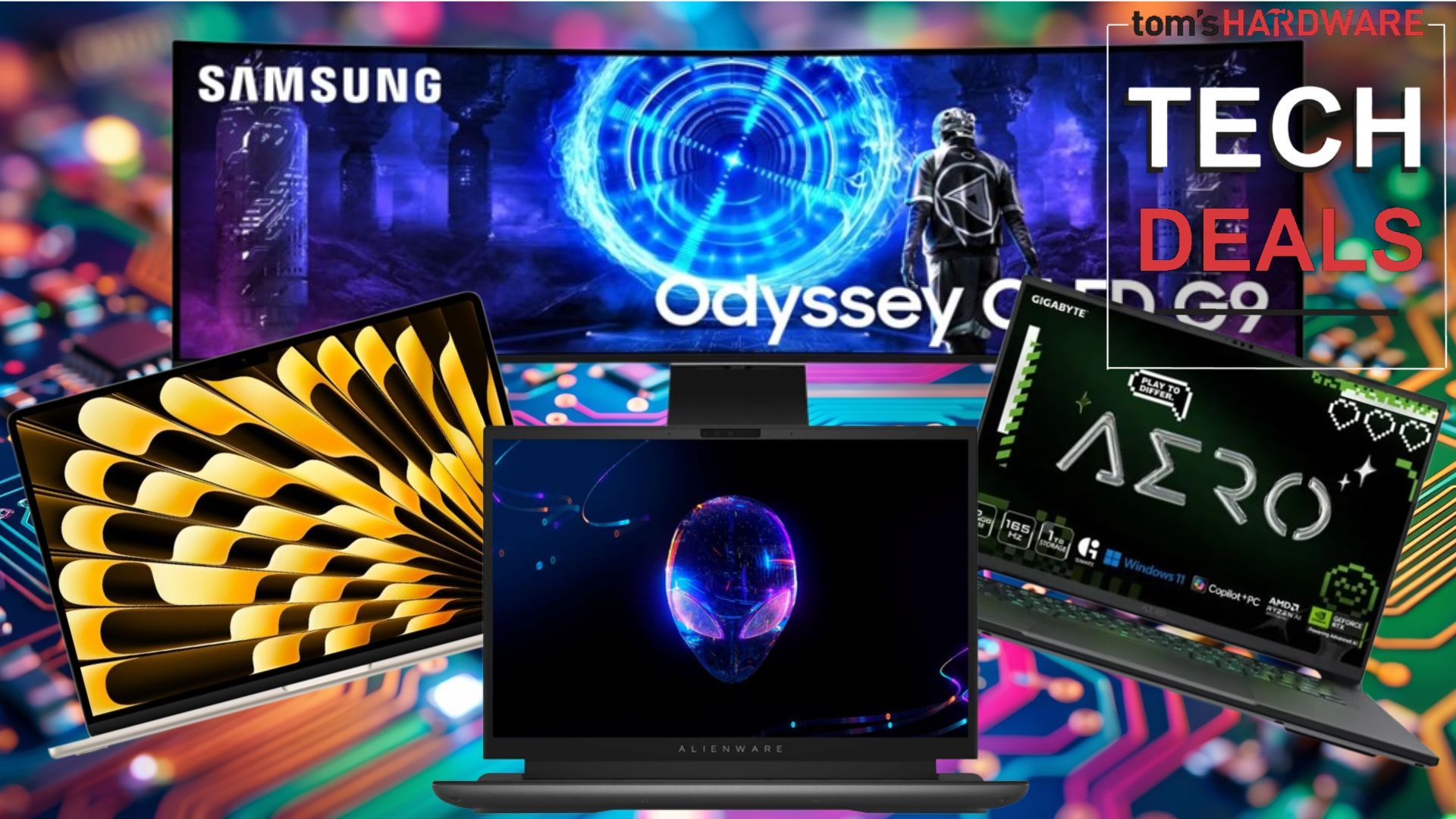
This massive Memorial Day sale at Best Buy, featuring the latest RTX 50-series laptops and OLED gaming monitors, is a fantastic, albeit temporary, glimpse into a world where advanced AI capabilities are becoming more accessible. It’s easy to get caught up in the deals, the discounted hardware, the shiny new toys. And yes, the savings are real and appreciated, especially with global hardware prices often feeling like they’re on a rocket ship to the moon. But behind those discounts, there’s a deeper current.
The AI Engine Under the Hood
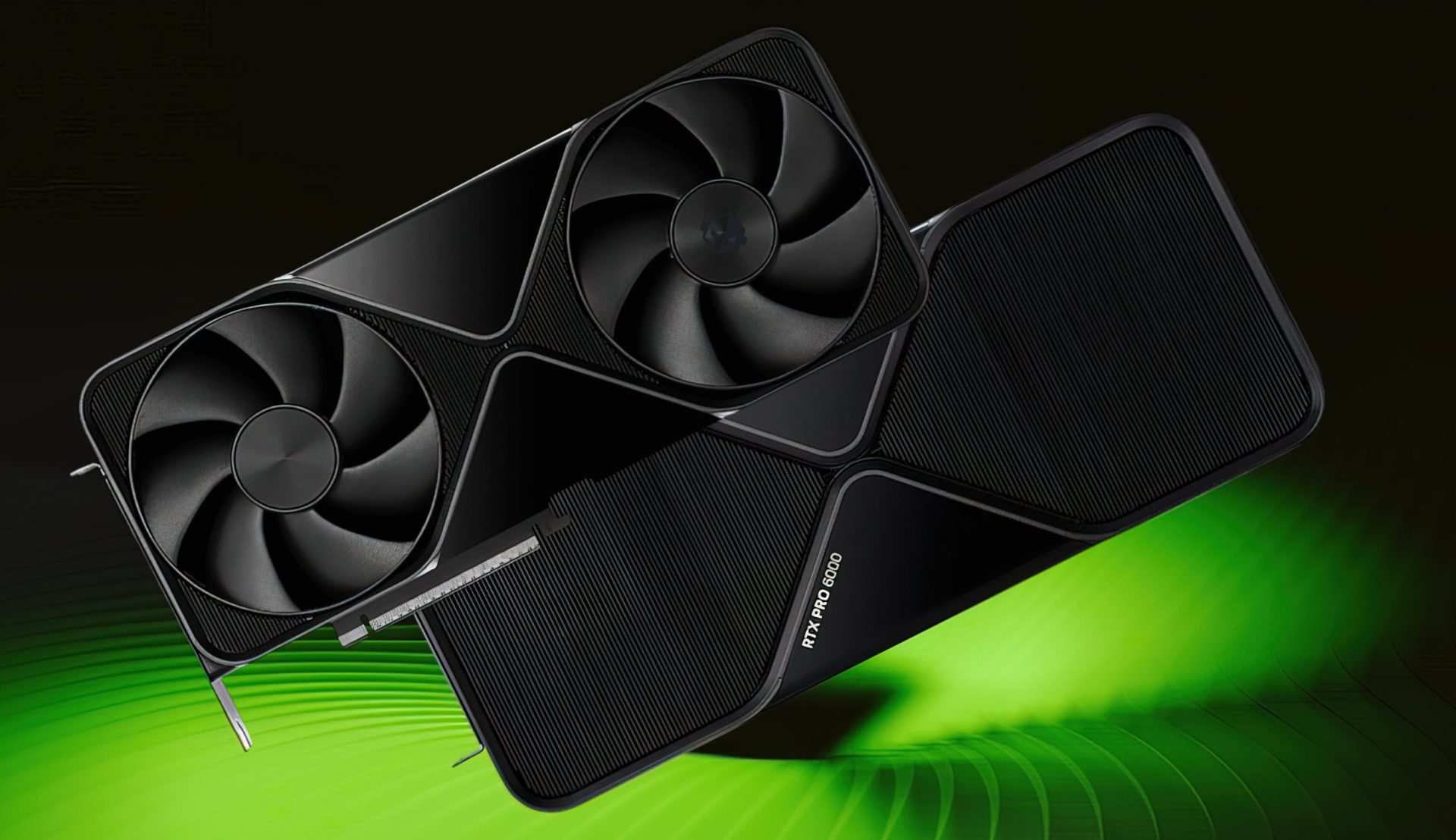
That PNY RTX 5060 with its GDDR7 VRAM? It’s not just for 1080p gaming. That ample 8GB of memory is becoming the fuel for local AI inference, for running models that can edit your photos in real-time, draft your emails, or even generate code snippets right on your machine. The MacBook Air with the M5 chip and 16GB of RAM isn’t just for browsing and apps; it’s becoming a capable local AI workstation for many creative professionals. The sheer amount of computational power and memory available in consumer-grade hardware today is astounding, and that’s precisely what AI models need to flourish outside of massive data centers.
These aren’t just faster processors or prettier screens. They’re the physical embodiment of an intelligence revolution. The Nvidia RTX 5060 in the Aurora laptop, the RTX 5070 in the Gigabyte Aero X16, the RTX 5060 in the Lenovo Legion Pro 5 – these are the workhorses. They’re designed to crunch numbers, sure, but increasingly, they’re crunching intelligence. This enables everything from more realistic game environments to AI-powered creative tools that are accessible to anyone with a modern machine. It’s democratizing advanced computing in a way we haven’t seen since the early days of personal computing itself.
Beyond the Gaming Rig
But let’s not get distracted by just the gaming hardware, tempting as it is. While deals on GPUs and OLED monitors are fantastic for enthusiasts, the real story is how this distributed AI capability will permeate every facet of our digital lives. We’re talking about smart devices that truly understand context, about healthcare diagnostics that are accessible anywhere, about personalized education that adapts in real-time to a student’s needs. The sales might highlight the hardware, but the underlying AI potential is what’s truly transformative.
So, when you see these discounts on hardware that was cutting-edge mere months ago, understand that you’re not just buying a faster machine for your games. You’re investing in a portal. A portal to a future where intelligence is a utility, as readily available as electricity or Wi-Fi. The capabilities baked into these chips, the sheer processing power on offer in consumer laptops, are enabling a decentralized AI future. We’re moving away from a world where all advanced AI processing is confined to the cloud, opening up possibilities for privacy, speed, and unprecedented personalization.
This AI platform shift is more than just a technological trend; it’s the next era of human-computer interaction. It’s a landscape where our devices become intelligent partners, capable of assisting, creating, and augmenting our abilities in ways we’re only just beginning to comprehend. The discounts are nice, but the real value lies in the potential unlocked.
The performance of the PNY RTX 5060 8GB OC excels at 1080p gaming, with low power consumption and noise levels. It’s ample 8GB of GDDR7 VRAM will provide enough memory for any current game at this resolution.
This quote, while focused on gaming performance, implicitly points to the growing memory requirements for AI workloads. 8GB of GDDR7 isn’t just for textures anymore; it’s becoming a baseline for running sophisticated local AI models. It’s a subtle signal of a broader shift in hardware necessity.
Is This Really Different This Time?
It’s easy to be a skeptic. We’ve been promised AI saviors before. But the convergence of massive datasets, more powerful and efficient chips (like those Nvidia RTX 50-series GPUs and Apple’s M-series silicon), and sophisticated algorithms is creating a perfect storm. This isn’t just incremental improvement; it’s a categorical leap. The ability for these systems to learn, adapt, and even create, fundamentally alters the computational paradigm. It’s like going from a static map to a dynamic, interactive GPS that can reroute you based on real-time conditions and predict your destination. That’s the kind of intelligence we’re talking about.
Why Does This Matter for Developers?
The implications for developers are enormous. Building applications now means thinking in terms of AI integration from the ground up. It’s not an add-on anymore. It’s about how AI can streamline workflows, create entirely new user experiences, and automate complex tasks. The demand for developers who can harness AI capabilities, whether through prompt engineering, model fine-tuning, or building AI-powered architectures, is skyrocketing. These sales, by putting powerful hardware into more hands, accelerate this ecosystem development. More accessible hardware means more experimentation, more learning, and ultimately, a richer landscape of AI-driven applications for everyone.
Look at the Samsung Odyssey G9 G93SC, with its 49-inch curved OLED display and 240Hz refresh rate. This monitor isn’t just for twitch reflexes; it’s a vast canvas for complex data visualization, for multitasking across multiple AI-driven applications simultaneously. The speed and clarity allow for immersive interaction with intelligent systems, making the experience feel less like using a tool and more like collaborating with a capable assistant.
The narrative around AI is often dominated by huge tech companies. But the decentralization of AI capabilities, driven by increasingly powerful consumer hardware, means that innovation can come from anywhere. Small teams, individual creators, even hobbyists can now access the tools and power needed to build and deploy sophisticated AI solutions. This democratization is the true revolutionary aspect of this platform shift, and these sales are merely a temporal marker of its increasing accessibility.