Look, you’re probably not losing sleep over NAND flash revenue figures. Most people aren’t. But that eye-watering 83.7% Q1 sales jump for the top five NAND suppliers? It’s not just a number. It’s the ripple effect of a global hardware crunch that’s about to hit your wallet, your upgrade cycles, and maybe even the very devices you rely on. This isn’t about ‘new’ technology. This is about fundamental supply and demand, weaponized.
The headlines touting this massive revenue increase often gloss over the underlying reality: the shortage. We’re not talking about a minor hiccup. The same forces that made it hard to find a graphics card last year—supply chain snarls, geopolitical jitters, and just plain old economic pressure—are still very much at play. And they’re hitting SSDs and other storage components with particular ferocity. The data from TrendForce suggests that the imbalance between what we need and what can be produced isn’t going away anytime soon. In fact, with very little new production capacity slated for 2026, these shortages are expected to drag on throughout the year. Think about that. Your next PC build, your server expansion, even the cloud storage you pay for monthly—all are subject to these same constraints.
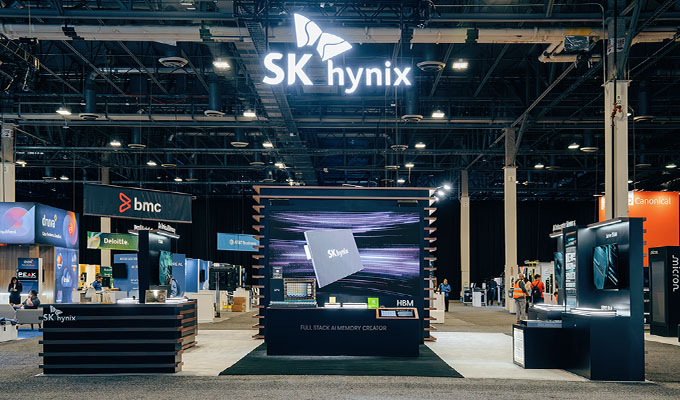
Let’s break down who’s riding this wave. Samsung, predictably, remains king, notching a staggering 104.7% quarter-over-quarter revenue growth, pushing its Q1 earnings to $13.51 billion. SK hynix Group, a formidable player that includes Solidigm, snagged second place with a still-impressive 44.6% rise, bringing in $7.53 billion and holding 17.6% of the market. Kioxia, Micron, and SanDisk all saw significant bumps too, with Micron and SanDisk essentially tied for fourth, each landing around $5.95 billion. SanDisk, in particular, saw its data center business surge by over 200%. This isn’t organic demand growth; it’s the market paying more for less.
Why Does the SSD Shortage Persist?
This isn’t rocket science, but it’s a complex interplay of factors that keeps prices high and availability low. For starters, the continuing shortage of Hard Disk Drives (HDDs) exacerbates the situation for Solid State Drives (SSDs). When one crucial component for building storage systems is scarce, it puts immense pressure on alternatives. Think of it like a restaurant running out of chicken – suddenly, beef prices skyrocket because everyone pivots.
But the core issue for NAND flash is capacity. The major suppliers, the titans whose numbers we’re discussing, aren’t adding significant new manufacturing plants or lines. TrendForce’s analysis points to virtually no new capacity coming online in 2026. Why? Building these fabs costs billions, and it takes years. Companies are hesitant to invest massively when demand can be cyclical and geopolitical risks loom large. They’d rather squeeze more out of their existing infrastructure, which, given the current demand, means higher prices for the product. It’s a classic move: restrict supply, watch demand (and price) climb.
The real kicker here is the nature of the demand. While consumer demand for ultra-fast gaming PCs might be a factor, the massive 200%+ surge in SanDisk’s data center business hints at something bigger. AI. Cloud computing. These are the insatiable beasts that are gobbling up storage at an unprecedented rate. Machine learning models need to be trained on colossal datasets, and those datasets need to live somewhere. Data centers, the backbone of the cloud, are in a perpetual arms race to expand their capacity. When you combine this voracious appetite with stagnant or slowly growing supply, you get precisely the kind of sales explosion we’re seeing. It’s a feature, not a bug, of a supply-constrained market.
The major NAND Flash suppliers will add virtually no new production capacity in 2026, says TrendForce, and supply shortages are expected to last throughout the year.
This quote from TrendForce isn’t just a prediction; it’s a warning. It tells us that the conditions driving these inflated revenues are likely to persist. For those of us on the consumer side, this translates to continued sticker shock for new drives and potentially longer wait times for devices that rely on them. For businesses and data centers, it means budgeting for higher capital expenditures and a constant scramble to secure supply. It’s a seller’s market, and the sellers are doing exceptionally well by simply holding back the tide.
What Does This Mean for the Average User?
It means patience. And potentially higher prices for your next upgrade. If you’ve been eyeing a new SSD for your PC or looking to expand your NAS, you might find yourself paying a premium. It also means that the planned obsolescence cycle might feel a little longer, as upgrading becomes more of a financial calculation than an automatic upgrade. Furthermore, companies that depend on these components—PC manufacturers, server builders, even device makers—are all feeling the squeeze. They’ll either absorb the cost, leading to higher product prices for you, or they’ll cut corners elsewhere, which is rarely good for the end-user.
The architecture of our digital lives is built on layers of silicon. Storage is a fundamental, often overlooked, layer. When that layer is under immense stress, everything built upon it wobbles. This isn’t just about faster load times anymore; it’s about the foundational availability of the digital infrastructure we’ve come to depend on. The current NAND surge is less a sign of health and more a symptom of a system stretched to its breaking point, where scarcity is the primary driver of profit.
🧬 Related Insights
- Read more: Google Bets Big on Intel’s IPUs Amid Custom Chip Frenzy
- Read more: German GPU Prices Drop After RAMpocalypse Peak
Frequently Asked Questions
What exactly is NAND flash? NAND flash is a type of non-volatile storage technology used in Solid State Drives (SSDs), USB drives, memory cards, and other digital storage devices. It retains data even when the power is turned off.
Will these high prices for SSDs last? According to industry analysts, supply shortages are expected to persist throughout 2026 due to limited new production capacity, suggesting that elevated prices may continue for some time.
Is this shortage good for anyone? While consumers and businesses generally face higher costs and potential availability issues, the NAND suppliers are experiencing significant revenue growth due to the scarcity.