The hum of servers in a hyperscale data center isn’t just about raw processing power anymore; it’s increasingly about efficiency, especially when it comes to power consumption. Nvidia’s recent decision to offer its Vera CPU as a distinct, standalone silicon offering — separate from its dominant GPU lineup — is a strategic pivot that carries significant weight for the broader semiconductor ecosystem, particularly the beleaguered low-power DRAM (LPDDR) market.
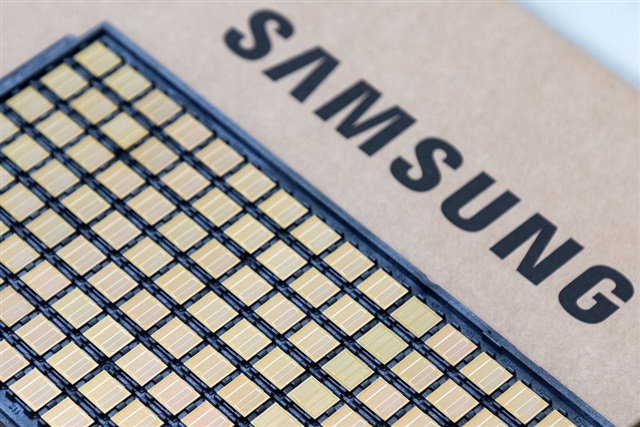
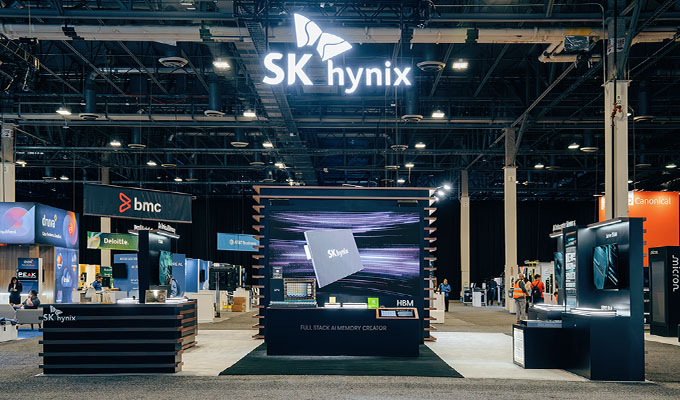
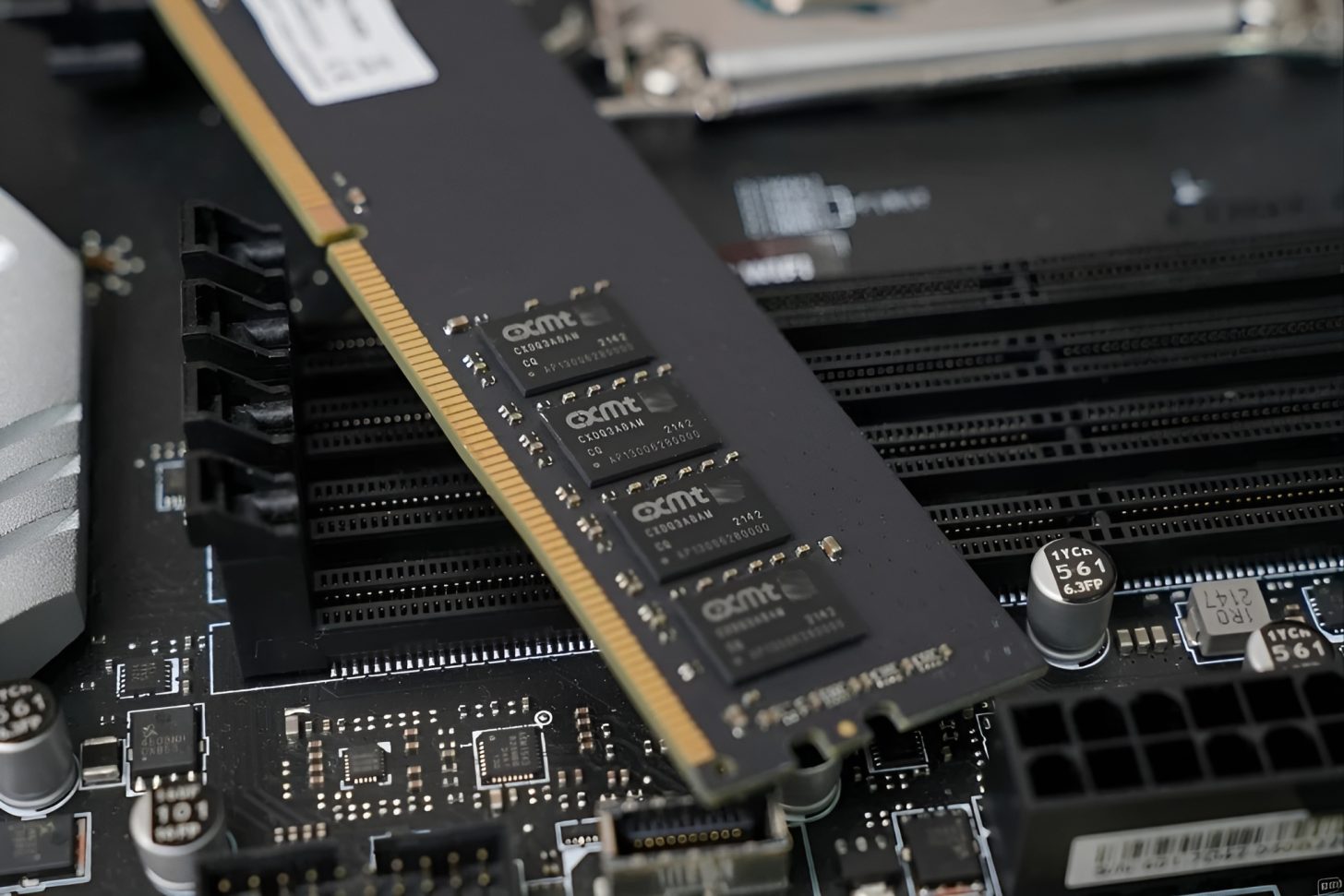
This isn’t just another product launch; it’s a signal flare for memory suppliers like Samsung and SK Hynix. For months, the narrative around memory has been one of oversupply and cyclical downturns. Yet, Nvidia’s independent CPU play injects a new variable, one that could very well re-ignite demand pressure on LPDDR, a segment already showing signs of strain due to its critical role in everything from smartphones and automotive systems to edge AI devices and, of course, sophisticated server infrastructure.
The Data-Driven Analyst Weighs In
Nvidia’s logic here appears straightforward, if a bit aggressive. By unbundling the Vera CPU, they’re not just aiming to capture more server market share; they’re strategically creating a distinct demand vector. Think of it this way: if Vera were just an integrated component, its LPDDR consumption would be a sunk cost within a larger Nvidia product. But as a standalone chip, its LPDDR requirements become a measurable, quantifiable demand driver on its own. This forces the market to account for it, and frankly, the market has been slow to adjust its LPDDR forecasts upwards based on such discrete, non-GPU-centric demand.
“The strategy aims to address a broader set of computing needs within the data center, moving beyond its traditional GPU dominance to offer a more complete solution.”
What this means for the memory giants is a potential reprieve from the persistent pricing headwinds. The current LPDDR market is tight. Why? Because manufacturers have been cautious, recalibrating production downwards in anticipation of a slower demand cycle. Now, Nvidia, a behemoth capable of influencing demand curves with a single announcement, is essentially saying, “Add us to your LPDDR calculus, and don’t be surprised if your inventory levels shrink faster than anticipated.”
Why Does This Matter for Developers and System Architects?
Beyond the immediate impact on memory manufacturers, Nvidia’s Vera CPU push has ripple effects for those designing and deploying next-generation systems. The emphasis on low-power DRAM isn’t accidental. As edge computing proliferates and the computational demands of AI at the “intelligent edge” intensify, power efficiency becomes paramount. Vera, designed to be power-efficient, relies on LPDDR to meet these stringent requirements. For developers, this means access to more capable, yet more power-conscious, processing units. For system architects, it’s an opportunity to build denser, more energy-efficient deployments, a critical consideration for sustainability and operational cost in large-scale environments.
It’s also worth noting that Nvidia’s ambition here is to challenge established x86 players. By offering a more integrated, and potentially more efficient, solution for certain workloads, they’re creating a compelling alternative. This competitive pressure is precisely what drives innovation across the board, forcing rivals to re-evaluate their own architectures and supply chain strategies. The memory market, often a bellwether for the broader semiconductor industry, will be the first to feel the direct impact.
A New Pressure Point on an Already Strained Chain
Nvidia isn’t just creating demand; it’s layering it onto a foundation that’s already showing cracks. The global semiconductor supply chain, despite showing signs of normalization in some segments, remains susceptible to shocks. Memory, in particular, has a long lead time for capacity expansion. A sudden surge in demand, especially for a specialized component like LPDDR used in high-performance, power-sensitive applications, can quickly lead to lead times stretching out and prices firming up. This isn’t the kind of ‘game-changing’ shift the industry loves to hype; it’s a grounded, tactical move that forces a re-evaluation of existing supply-demand models.
From where I sit, the market has been pricing in a degree of LPDDR softness for the next couple of quarters. Nvidia’s standalone Vera CPU is a direct counter-argument to that narrative. It’s a reminder that innovation isn’t linear and that market dynamics can pivot on strategic decisions from major players. Expect Samsung and SK Hynix to be watching this very closely, and perhaps, just perhaps, smiling a little more than they have been recently.
🧬 Related Insights
- Read more: Samsung Chip Strike Looms [2026]
- Read more: Huawei’s 122TB SSD: Sanctions Spark Innovation
Frequently Asked Questions
What is Nvidia’s Vera CPU? Nvidia’s Vera CPU is a central processing unit designed by Nvidia, now being offered as a standalone chip, distinct from their more prevalent GPU offerings, focusing on power efficiency for various computing tasks.
How will this affect the LPDDR market? Nvidia’s decision to sell Vera CPUs independently will create new demand for low-power DRAM (LPDDR), potentially tightening an already constrained supply chain and influencing pricing.
Is this a threat to Intel or AMD? By offering Vera as a standalone option, Nvidia is entering the CPU market with a focus on efficiency, potentially challenging established players like Intel and AMD in specific data center and edge computing segments.