Everyone expected the GPU price insanity to eventually cool off. It had to, right? Supply chains mend, demand shifts, the universe rights itself. For months, we’ve watched prices on graphics cards, driven by the nebulous “RAMpocalypse,” climb to absurd heights. Then, like a bad hangover, it lingered. But now, in Germany at least, there’s a noticeable exhale. The market, long choked by inflated costs, is finally showing signs of normalization.
The numbers are stark. GPU selling prices in Germany, which had shot up to a staggering 120% of September 2025 levels by February, have now dipped to a more manageable 112%. This isn’t just a statistical anomaly; it’s a tangible relief for anyone trying to upgrade their rig without selling a kidney. Some cards saw their prices inflate by over 50%, a frankly obscene figure. Others hovered in the 10-30% range. It was a brutal period.
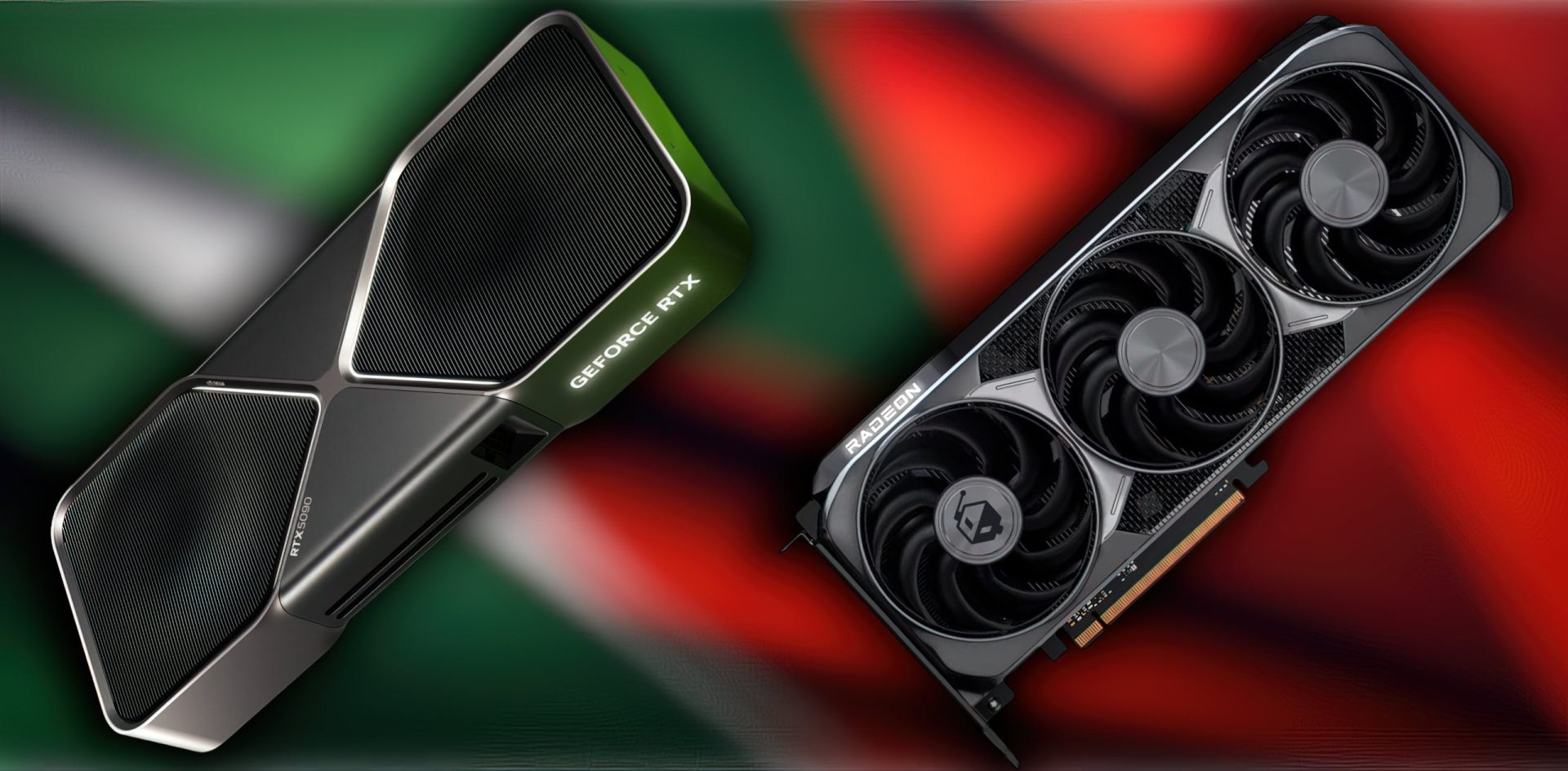
This recent drop, chronicled by 3D Center, marks the lowest average selling price this year, inching down from April and January’s figures. It’s a gradual easing, not a cliff dive, but it’s progress. And here’s the kicker: if you exclude the behemoth RTX 5090, the average price hike shrinks further to 109%. That particular card, frankly, has been an outlier, a cash cow for manufacturers and scalpers alike, consistently defying its MSRP.
Is This a Sign of Things to Come?
The mid-range and budget segments are also breathing easier. Cards like the RTX 5060 series saw modest increases—think 13-16% max—and have largely returned to September 2025 levels. Except, of course, for the RTX 5060 Ti 16GB. That one still commands a premium, a full 27% higher, a proof to demand outstripping supply. The 8GB variant, however, has swung the other way, dropping 7% below September 2025 prices. Same for the RTX 5060 8GB and the Radeon RX 9070 XT. They’re back to where they started.
Even AMD’s Radeon lineup, which wasn’t immune to the price hikes—some climbing as much as 33%—is seeing adjustments. The RX 9060 XT 16GB, a budget darling, still lingers at 18% above September 2025 prices. But the higher-end RTX 5070, 5070 Ti, and 5080 are all seeing price reductions. The sentiment among analysts? This downward trend is likely to persist. Lower demand is the likely culprit, a natural market correction after the artificial scarcity and panic buying.
The latest stats show that the GPU selling prices have dropped noticeably in Germany, which peaked to 120% on average when taking all the latest-gen GPUs into account.
So, what does this mean for the global market? Germany often acts as an early indicator. What happens there can, and often does, ripple outwards. The sustained pressure on GPU prices, driven by factors like cryptocurrency mining booms and global chip shortages—that whole “RAMpocalypse” narrative—appears to be losing its grip. It’s a welcome sign for PC builders, gamers, and anyone with a creative workflow that relies on serious graphical horsepower. This isn’t a cause for champagne, but it’s certainly a reason to stop hoarding your cash.
Why the Recent Price Drop is More Than Just Statistics
This isn’t just about the final price tag. It’s about the psychological impact of the last few years. The constant stress of trying to acquire essential hardware at a reasonable cost has been exhausting. Companies like NVIDIA and AMD have weathered supply chain storms, and now, as conditions improve, they’re recalibrating. We’re moving from a seller’s market back towards a buyer’s.
The question now is how long this reprieve will last. Will we see prices dip below September 2025 levels across the board? Or is this a temporary plateau before the next inevitable market swing? Given the recent cooling of cryptocurrency markets and the gradual easing of manufacturing bottlenecks, a sustained period of more sensible pricing seems plausible. It’s about time.
The RTX 5090, a beast of a card, continues to be an anomaly. Its sustained high price, even as other GPUs recede, highlights the persistent demand for top-tier performance, irrespective of cost. It’s a luxury item, and its pricing reflects that. But for the bulk of the market—the gamers building mid-range rigs or the professionals needing reliable workhorses—this price adjustment is the good news they’ve been desperately waiting for. It’s a sign that the fever is breaking, and sanity, at long last, might be returning to the GPU market.