A blinking “On Air” sign above a quiet studio in Silicon Valley felt more relevant than ever this morning. Outside, the perpetual churn of venture capital and product launches continues, a seemingly endless stream of innovation. Inside, however, the real power in the AI chip world is being quietly, and quite profitably, consolidated elsewhere.
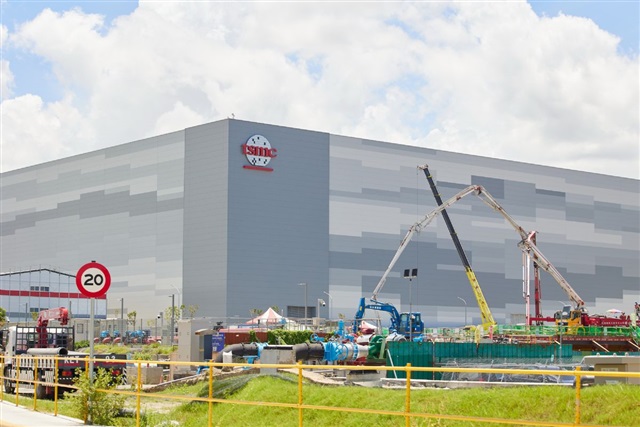
TSMC, the Taiwanese manufacturing titan, dropped its latest numbers, and guess what? Revenue for the first four months of 2026 shot up a cool 29.9% year-over-year. This isn’t some minor uptick. It’s a resounding declaration that while everyone else is busy talking about the next big thing in AI algorithms, the fundamental, and let’s be honest, incredibly lucrative, business of making the chips that power it all, is firmly in Asian hands.
Nobody’s arguing about the demand. AI is the shiny new object, the gold rush of our generation. And everyone wants a piece. But the folks getting the biggest pieces of that AI pie? It’s the foundries. Specifically, TSMC. Their capacity constraints are legendary, their technology is cutting-edge, and their customer list reads like a who’s who of every company desperate to get their AI hardware to market.
Who’s Actually Making the AI Money?
It’s a question that gets lost in the breathless pronouncements from product managers and CEO keynotes. They talk about AI’s potential, the democratization of intelligence, the transformative power. All fine and good. But let’s pull back the curtain. The real money, the foundational money, is in the silicon. TSMC isn’t just a manufacturer; they’re the gatekeepers. They decide who gets access to the most advanced manufacturing processes, the ones that make those powerful AI accelerators possible. And they’re charging a premium for it, a premium that their Q1 2026 numbers clearly show the market is willing to pay, and then some.
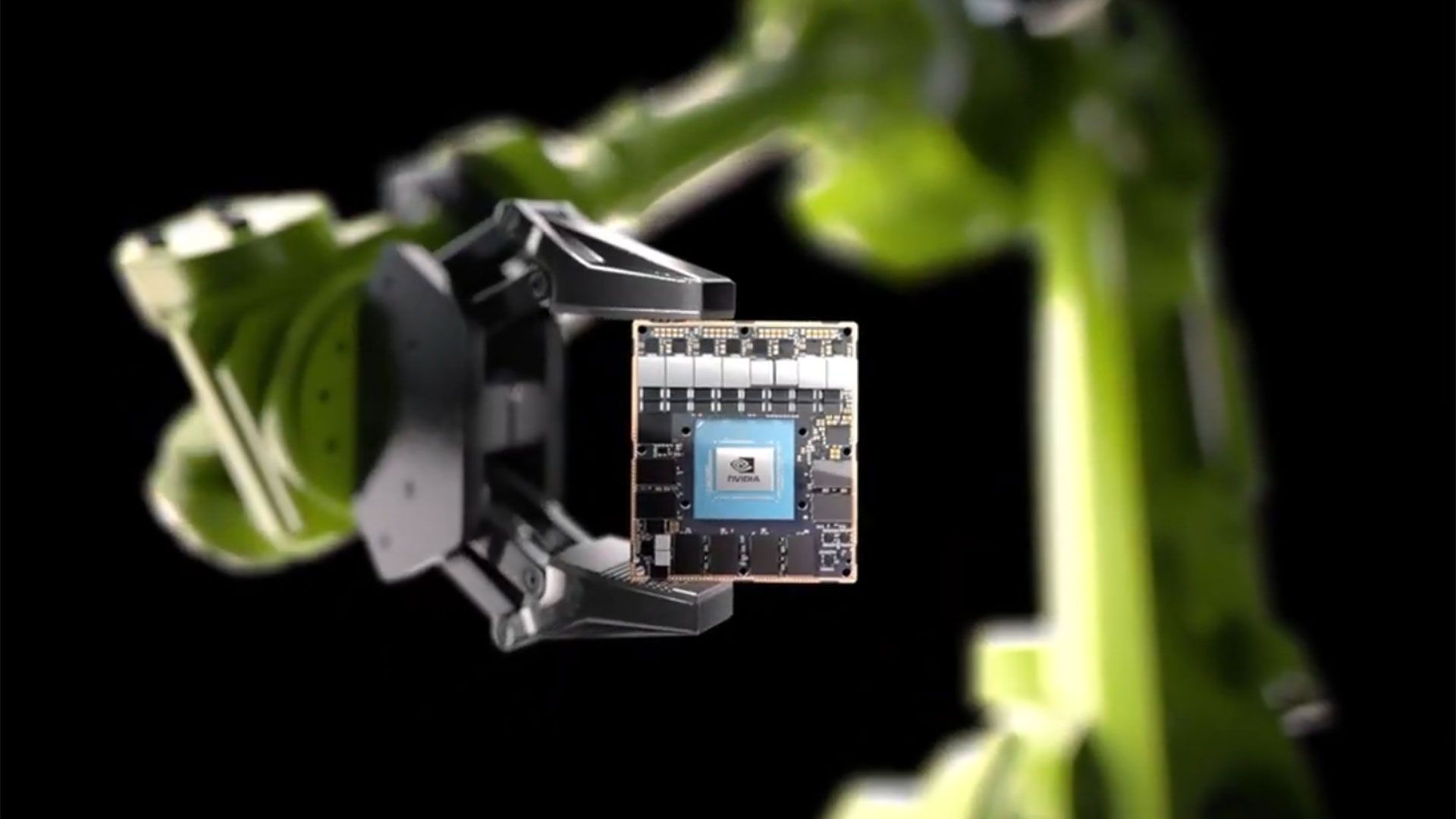
Think about it. NVIDIA designs the chips, Google, Meta, and the rest build the software and services. But TSMC? They make the dang things. And when demand outstrips supply by this margin, and the technology is this complex, the manufacturer holds all the cards. This isn’t just about economies of scale; it’s about an almost insurmountable technological moat built over decades.
TSMC’s performance highlights the ongoing consolidation of advanced chip manufacturing capabilities in Asia, which is critical for meeting the exponential growth in AI-driven demand. The company’s technological leadership and massive capital investment create significant barriers to entry.
This isn’t exactly a revelation to anyone paying attention. The folks in Phoenix or Texas talking about building new fabs are years behind the curve, playing catch-up in an arms race where the front runners have already lapped the track a few times. The geopolitical implications of this concentration are, frankly, enormous. For now, though, the numbers speak for themselves. TSMC is thriving, fueled by a demand for AI chips that shows no sign of slowing down.
Is This Just a Temporary Boom?
Predicting the future in tech is a fool’s errand, as I’ve learned over two decades of watching trends flare and fizzle. But here’s the thing about TSMC and advanced chip manufacturing: this feels different. It’s not a fad. It’s the plumbing of the digital age. Every AI model, every generative art project, every recommendation algorithm — it all needs advanced silicon. And for the foreseeable future, that means TSMC, and by extension, the sophisticated ecosystem of suppliers and talent concentrated in Asia.
We’re not just talking about smartphone chips anymore. We’re talking about the very backbone of artificial intelligence. The capital investment required to build and maintain these leading-edge foundries is astronomical, a hurdle that few companies outside of TSMC, Samsung, and perhaps a few state-backed entities, can realistically clear. The existing infrastructure, the decades of accumulated knowledge, the highly skilled workforce — these aren’t things you can replicate overnight. This isn’t like launching a new social media app; this is building the factories that make the future possible.
The revenue jump is more than just a financial report; it’s a geopolitical and technological statement. Asia, and specifically Taiwan, isn’t just participating in the AI revolution; it’s enabling it. And while Silicon Valley dreams up the next big AI breakthrough, it’s the quiet hum of TSMC’s fabrication plants that is truly powering the engine.
🧬 Related Insights
- Read more: Vertiv Acquires BMarko: 560K Sq Ft Boost for AI Data Centers [2026]
- Read more: Intel & SambaNova: The Quiet AI Hardware Shakeup
Frequently Asked Questions
What does TSMC actually do? TSMC, or Taiwan Semiconductor Manufacturing Company, is the world’s largest dedicated independent contract chip manufacturer. They don’t design their own branded chips; instead, they produce chips designed by other companies (fabless companies) like Apple, NVIDIA, and AMD.
Why is Asia so dominant in chip manufacturing? Asia, particularly Taiwan and South Korea, has built up decades of expertise, massive investment, and a highly skilled workforce in semiconductor manufacturing. This includes advanced foundries, a complex supply chain, and strong government support, creating significant barriers to entry for competitors elsewhere.
Will TSMC’s success lead to higher AI chip prices? While TSMC’s revenue growth indicates strong demand and their pricing power, whether it leads to higher end-product AI chip prices depends on many factors, including competitive pressures among chip designers and the overall market dynamics. However, the fundamental cost and complexity of advanced manufacturing are high, and tight capacity naturally supports higher prices.