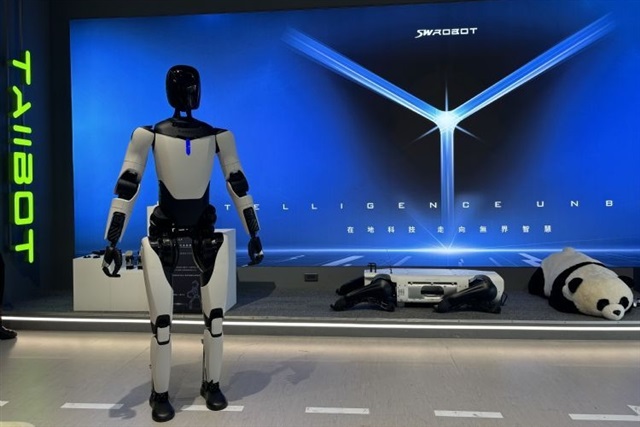
This isn’t just another partnership announcement buried in tech jargon; it’s a peek into the immediate future for anyone who’s watched a robot clumsily navigate a room or a drone struggle with complex aerial maneuvers. Swancor Holding and RobiChip Technology are joining forces, and what they’re doing behind closed doors is about to make AI-powered machines — from those adorable robot pups to sophisticated industrial bots — a whole lot smarter, faster, and more capable. They’re talking about advanced packaging and heterogeneous chip system integration. Sounds dry, right? But strip away the technical terms, and what you have is the key to unlocking the next level of intelligence and performance for the machines that are increasingly becoming part of our lives.
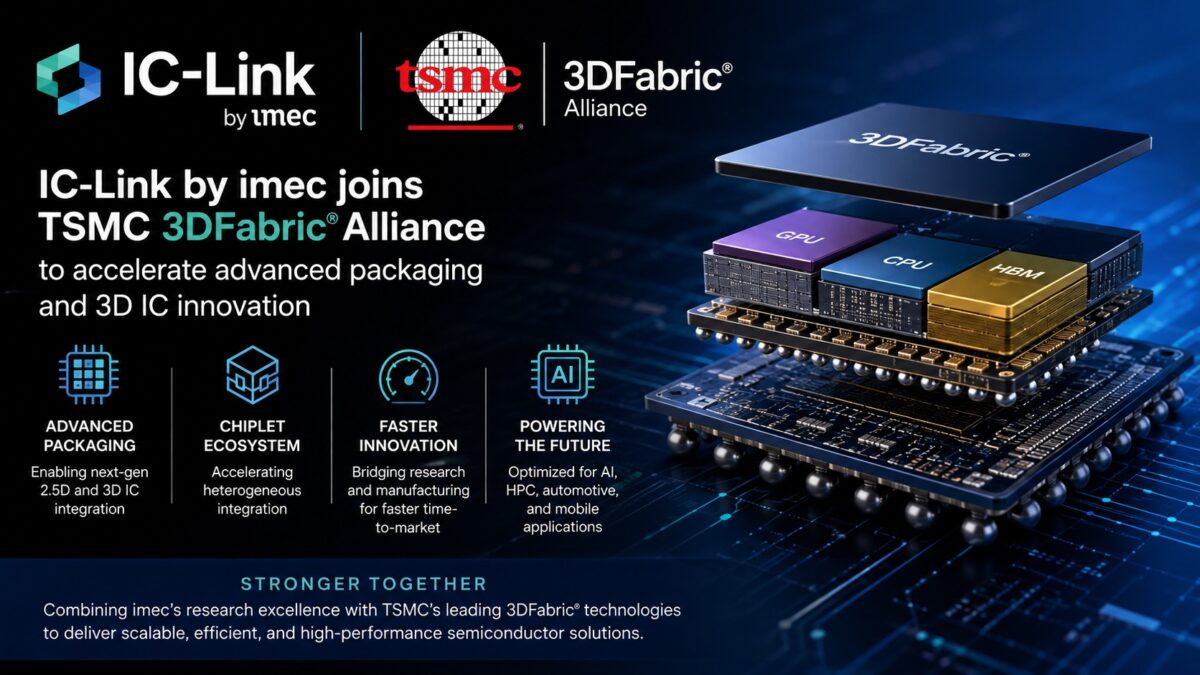
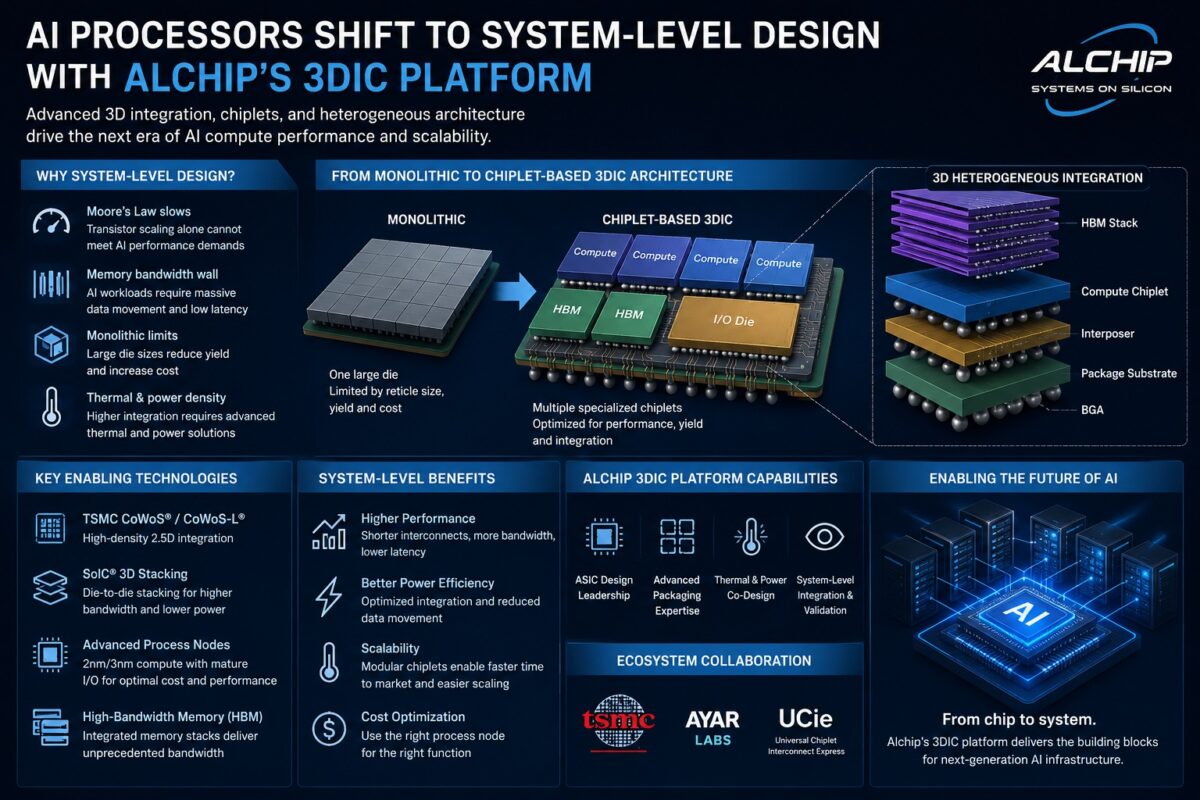
Think of a computer chip like a city. You’ve got different districts: the processing power downtown, the memory in the suburbs, the communication lines spanning the city. For years, these districts have been somewhat isolated, connected by roads that, while efficient, have their limits. Advanced packaging, in essence, is like rebuilding that city with hyper-efficient, multi-level transit systems, skybridges, and direct fiber optic lines connecting critical districts. It’s about packing more specialized processing power, memory, and sensors into incredibly tight spaces, and making them talk to each other at lightning speed. Heterogeneous integration is the architectural blueprint for this super-city, allowing different types of specialized chip districts to coexist and collaborate like never before within a single package. This isn’t just about making chips smaller; it’s about making them vastly more powerful and efficient.
Why does this matter for robots and drones? Because these machines are essentially mobile supercomputers that need to process immense amounts of data in real-time. They need to see, hear, think, and act — all while conserving precious battery life and fitting into tight physical constraints. Traditional chip designs often involve compromises: you might have great processing but sluggish memory, or excellent sensors but a battery drain you can’t afford. This partnership is about collapsing those compromises. By integrating different specialized chips — think AI accelerators, high-speed communication modules, and advanced sensor interfaces — into a single, optimized package, Swancor and RobiChip are essentially giving robots a brain and nervous system upgrade. It’s like upgrading from a dial-up modem to a 10-gigabit fiber connection, but for the artificial intelligence that powers everything.
This collaboration is more than just a technical handshake. It’s a clear signal that the AI platform shift, which we’ve been talking about for years, is now moving from the abstract to the tangible, right into the chassis of the machines that will inhabit our future. We’re not just seeing smarter software anymore; we’re seeing the hardware evolve to enable that software in ways that were previously science fiction.
The Brains Behind the Bots
Robots and drones, especially those powered by AI, are hungry beasts when it comes to computing power. They’re constantly taking in sensor data — visual, auditory, spatial — and running complex algorithms to make decisions, navigate environments, and perform tasks. Imagine trying to drive a car while simultaneously processing a live video feed, running navigation software, and chatting on the phone. That’s the kind of multi-tasking overload these machines face. The ability to co-package specialized processors for AI inference (the part that actually does the thinking), high-bandwidth memory (where the data is stored and accessed rapidly), and communication chips (to talk to other devices or the cloud) means these robots can operate with greater autonomy and intelligence, without needing a supercomputer tethered to them.
This move by Swancor, a player in advanced materials, and RobiChip, focused on chip integration, underscores a critical trend: the manufacturing and packaging of chips are becoming as important as the chip design itself. For the longest time, the narrative has been all about the silicon fab, the nanometer processes. But the real bottleneck, especially for complex systems like advanced robotics, is often how you wire all those specialized pieces of silicon together efficiently. This partnership is addressing that bottleneck head-on.
“We are excited to collaborate with RobiChip to bring our leading advanced packaging materials and solutions to the rapidly growing robotics and AI market. This synergy will enable the creation of more powerful, efficient, and compact electronic systems for next-generation robots and drones.”
This quote, boilerplate as it might sound, carries real weight. It’s not just about putting chips closer together; it’s about creating an entirely new class of electronic systems. It’s the difference between a clunky prototype and a sleek, functional product that can go mass-market. The materials Swancor brings are the connective tissue, the insulation, the thermal management that keeps these tightly packed systems from overheating and failing. RobiChip’s expertise is the art of placing and connecting these disparate components so they sing in harmony.
Is This Just Hype, Or a Real Leap?
The hype around AI has reached fever pitch, and it’s easy to dismiss every new development as more of the same. But this partnership feels different. It’s targeting a fundamental platform shift. We moved from mainframes to PCs, then to mobile. Now, we’re witnessing the birth of the ‘AI Native Machine’ — devices built from the ground up with AI processing at their core, not as an add-on. This isn’t just about making existing robots better; it’s about enabling entirely new kinds of robotic applications. Think surgical robots with real-time predictive analytics, autonomous drones capable of complex infrastructure inspection in harsh environments, or even household robots that can truly learn and adapt to your needs. The limitations have always been power, size, and cost. Advanced packaging is a direct assault on all three.
It’s a bit like comparing the early days of the automobile to today. Initially, cars were essentially horseless carriages, cobbled together with existing technology. Then came integrated manufacturing, specialized parts, and optimized designs. We’re at that inflection point for AI-powered machines, and advanced packaging is the new assembly line, the new engine block, the new integrated chassis. It’s the foundation upon which the next generation of intelligent machines will be built.
For the companies developing these robots and AI platforms, this means access to more powerful, more reliable, and potentially more affordable components. For consumers and businesses, it means the promise of robots and drones that are not just novelties, but truly useful, capable, and intelligent tools. The era of the truly intelligent machine is no longer a distant dream; it’s being assembled, quite literally, one advanced package at a time.
**
🧬 Related Insights
- Read more: Gigabyte Z890 Board: CQDIMM Support Arrives Early
- Read more: NVIDIA’s Slurm-Kubernetes Hack Powers 8,000-GPU AI Beasts
Frequently Asked Questions**
What does advanced packaging for chips mean? Advanced packaging is a method of assembling semiconductor chips that goes beyond traditional techniques. It involves stacking multiple chips or chiplets (smaller, specialized pieces of silicon) into a single package, connecting them with high-speed, short-distance interfaces, and integrating them with advanced materials for better performance, power efficiency, and reduced size.
Will this make robots less expensive? While the initial applications of advanced packaging often target high-performance, premium markets, the goal of these technologies is to improve efficiency and yield. Over time, as manufacturing scales and processes mature, it’s expected to lead to more cost-effective solutions for creating powerful AI-enabled robots and drones.
How does this impact AI development? This partnership directly fuels AI development by providing the necessary hardware infrastructure. By enabling more powerful and efficient AI processing within a compact form factor, it allows for more sophisticated AI algorithms to be deployed in real-world robotic applications, leading to faster iteration and innovation in AI models and capabilities.