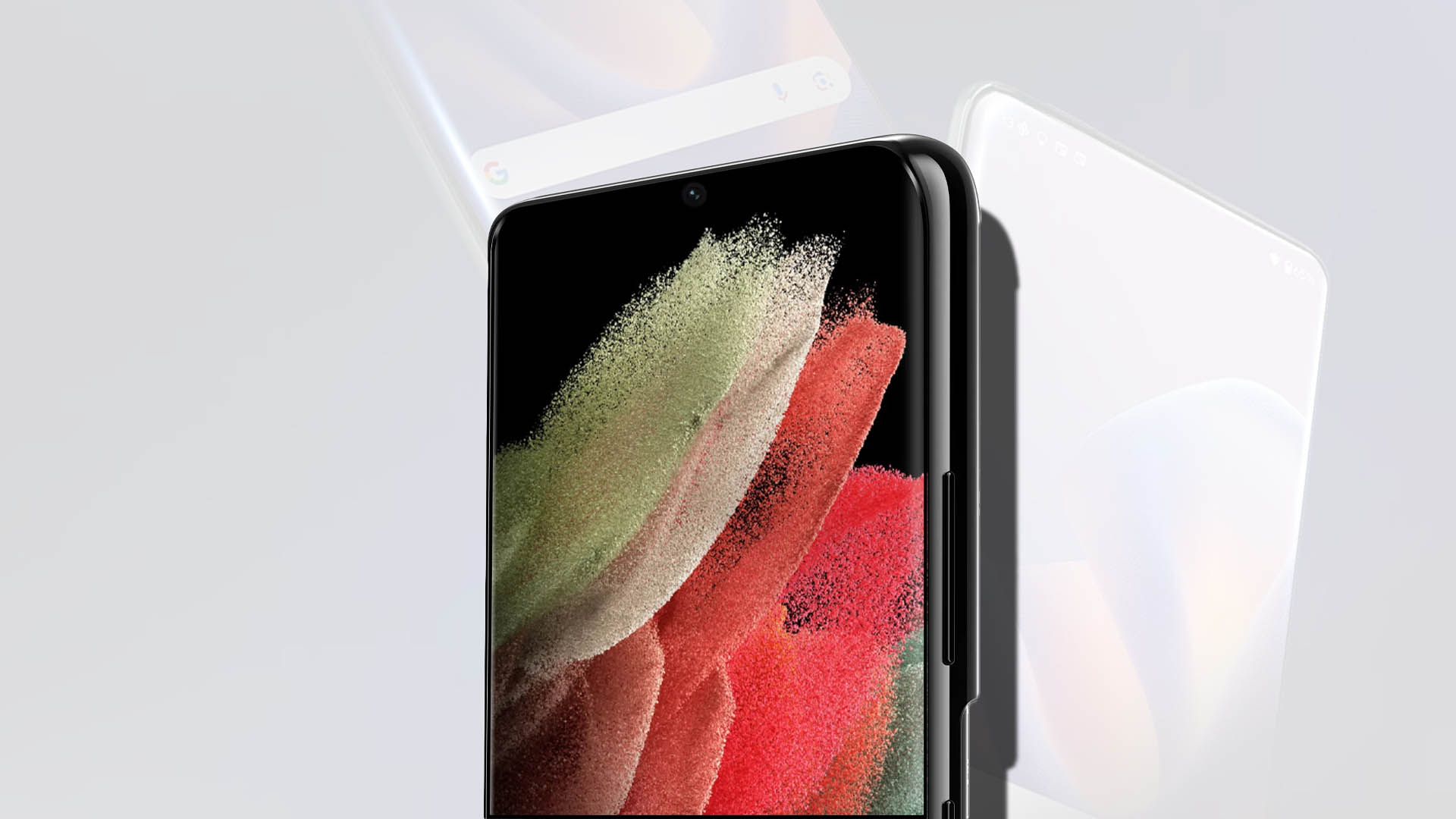
For the average consumer, the tech industry’s whispers often translate into tangible shifts in the devices they hold in their hands. Apple’s rumored quad-curved iPhone 20, slated for a 2027 debut, has generated considerable buzz. But here’s the thing: Samsung, a perennial rival and, ironically, a key display supplier for Apple, isn’t just watching. They’re building.
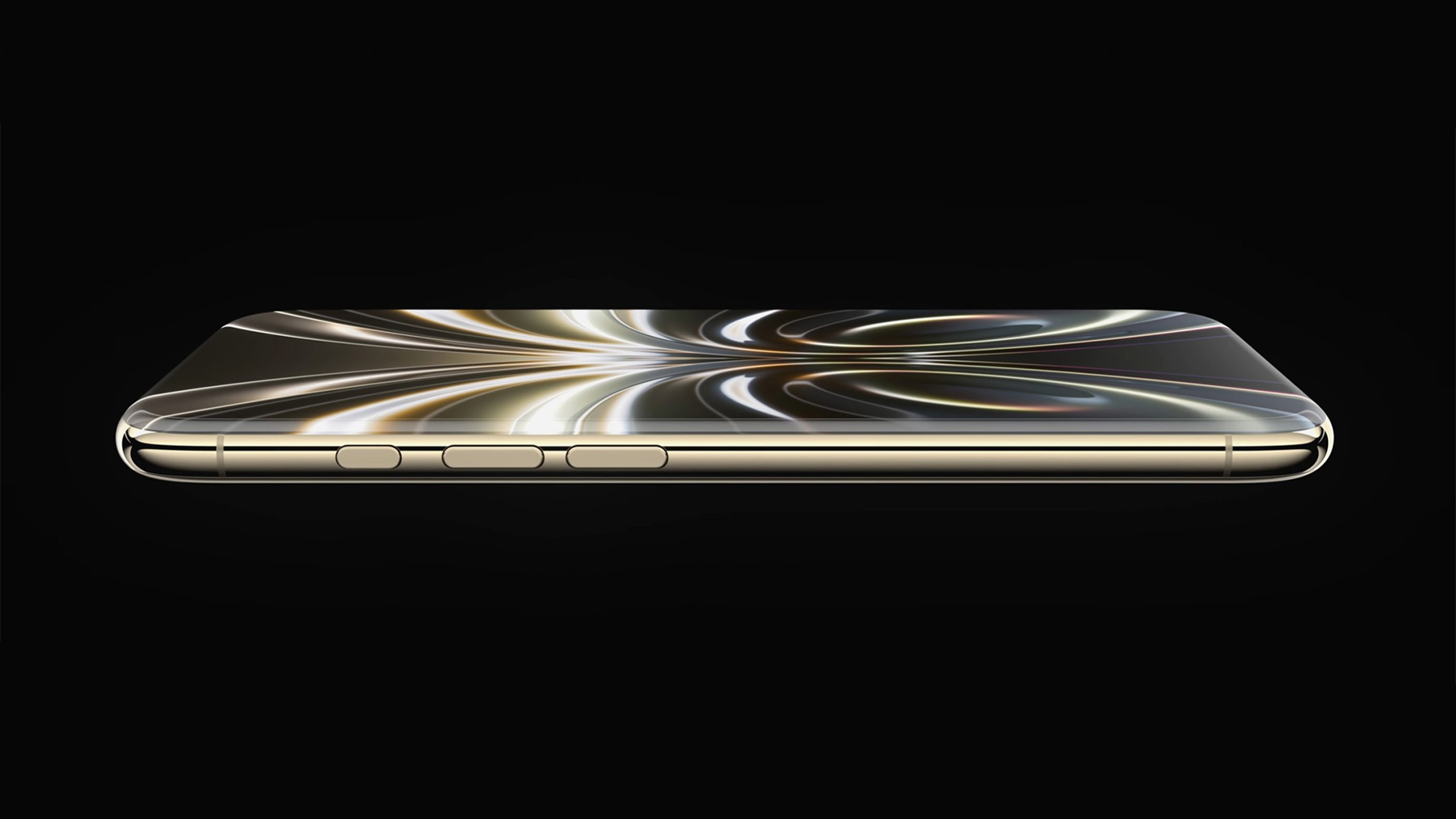
This isn’t about Apple’s next shiny object. It’s about a sophisticated dance of technological one-upmanship, driven by market share and the relentless pursuit of differentiation. Samsung’s reported development of a 3D curved display, with curvature on three sides and a flat fourth, aims squarely at that future iPhone. The implication? Our next premium smartphones might be sporting a lot more edge.
Is Samsung’s ‘3D Curved’ Display a Real Threat?
The underlying rumor, emerging from sources like @phonefuturist, suggests Samsung has been actively working on this 3D curved display technology since 2025. This isn’t a theoretical exercise; it’s a product in development, potentially destined for a Galaxy S flagship. The timing is key: it’s expected to land after Apple’s iPhone 20 launch, likely in early 2028. This staggered approach isn’t accidental. It allows Samsung to benefit from Apple’s pioneering (and customer-tested) design while avoiding direct accusations of blatant copying, a likely condition of their supplier role for the iPhone 20’s screen.
Samsung’s undisputed mastery in display technology positions them uniquely. They’re not just developing this for their own devices; they’re the only ones currently capable of manufacturing such advanced panels. This means the technology could eventually trickle down to Apple’s competitors in China, broadening the ripple effect of this development across the entire high-end smartphone market.
And what about software? The speculation about Samsung’s One UI mimicking Apple’s ‘Liquid Glass’ refraction effects with this new display hints at a synchronized evolution of hardware and software design. It’s a holistic approach, where the visual experience is as important as the physical form.
Given the manufacturer’s expertise in the display area, it’s currently the only one capable of making these displays, meaning its 3D curved technology may not just be applied to its future smartphones, but supplied to Apple’s Chinese rivals.
Why Does This Matter for Your Next Phone Purchase?
The most plausible scenario is that this cutting-edge 3D curved display will be reserved for the highest-tier models, likely the Galaxy S28 Ultra, while other Galaxy S variants will stick to more conventional designs. This tiered approach is a standard market strategy to justify premium pricing and cater to different customer segments. For consumers, it means a potential fork in the road for flagship smartphones: embrace the curves, or stick with the flatter, more familiar form factor. The choice will hinge on design preference, functional utility (whether the extra curvature offers real benefits or just aesthetic flair), and, of course, price.
This move underscores a broader trend: manufacturers are pushing the boundaries of device aesthetics. The battle for consumer attention is increasingly fought on the visual and tactile fronts. Beyond raw processing power and camera megapixels, the physical design of a smartphone is becoming a paramount differentiator. Samsung’s investment in this advanced display technology signals their intent to lead, not just follow, in this design race.
It’s also a stark reminder of the complex interdependencies in the tech supply chain. Samsung, Apple’s supplier, is simultaneously developing technology that could directly compete with Apple’s future product roadmap. This dynamic creates both opportunities and potential friction, but ultimately, it’s the consumer who stands to benefit from the ensuing innovation.
We’re looking at a future where phones are less like rectangles and more like sculpted objects. Whether this particular implementation by Samsung proves to be the winning formula remains to be seen, but their commitment to pushing display boundaries is undeniable. It’s a significant bet, and one worth watching as we approach 2028.
🧬 Related Insights
- Read more: ICP DAS: From Chip Controllers to Medical Plastic [2026 Strategy]
- Read more: BenQ Materials Ships CMP Rollers to Fabs – Taiwan’s Latest Semi Gamble?
Frequently Asked Questions
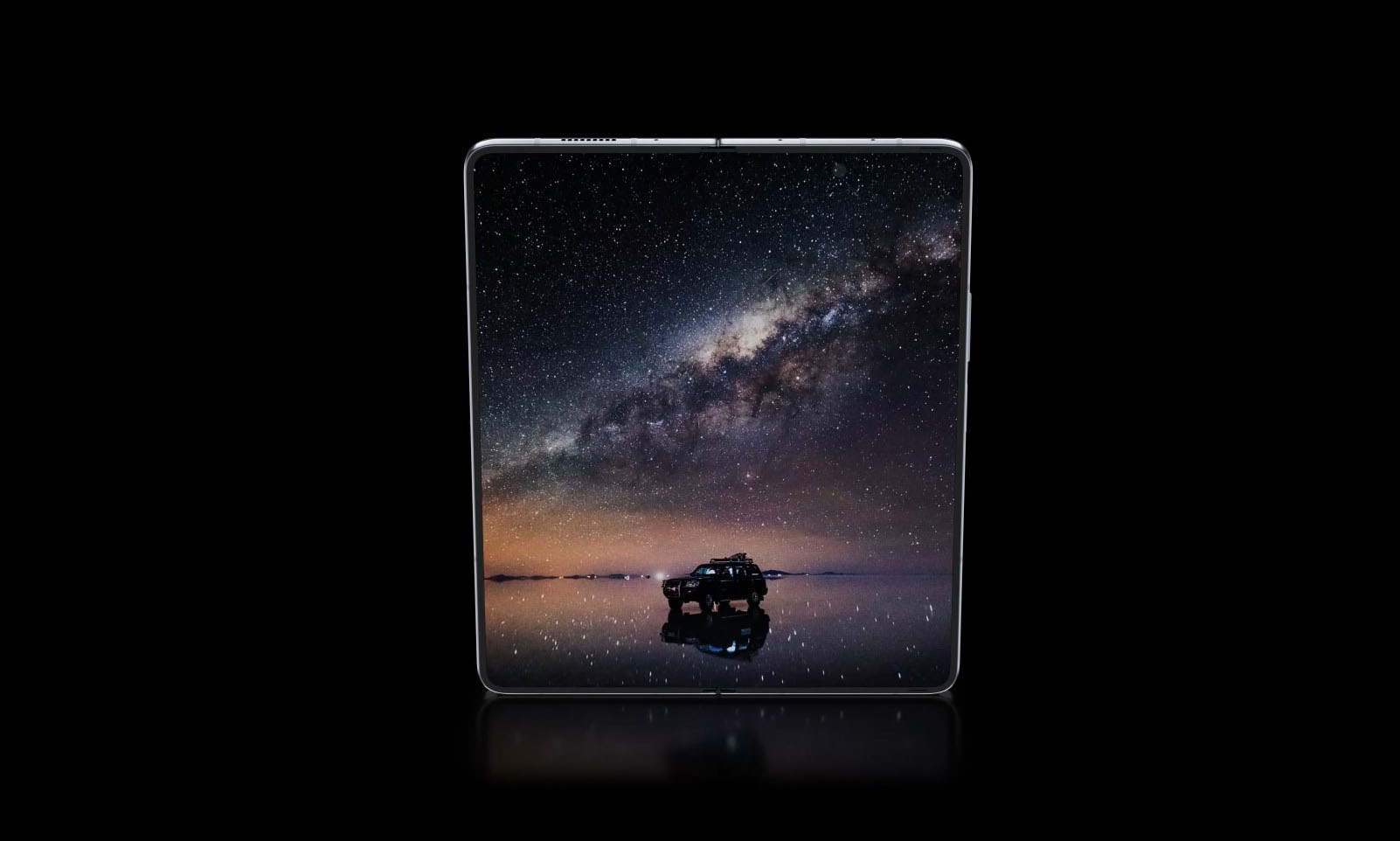
What is Samsung’s ‘3D curved display’ technology? Samsung is reportedly developing a new OLED display with curvature on three of its four sides, a more pronounced curvature than current smartphone displays.
When will Samsung’s 3D curved display be available? The technology is expected to debut in a Galaxy S flagship around early 2028, after Apple’s rumored iPhone 20 launch.
Will this curved display make phones easier to hold? While design elements like this can enhance ergonomics, the primary driver is often aesthetic and to offer more screen real estate without increasing the device’s footprint.