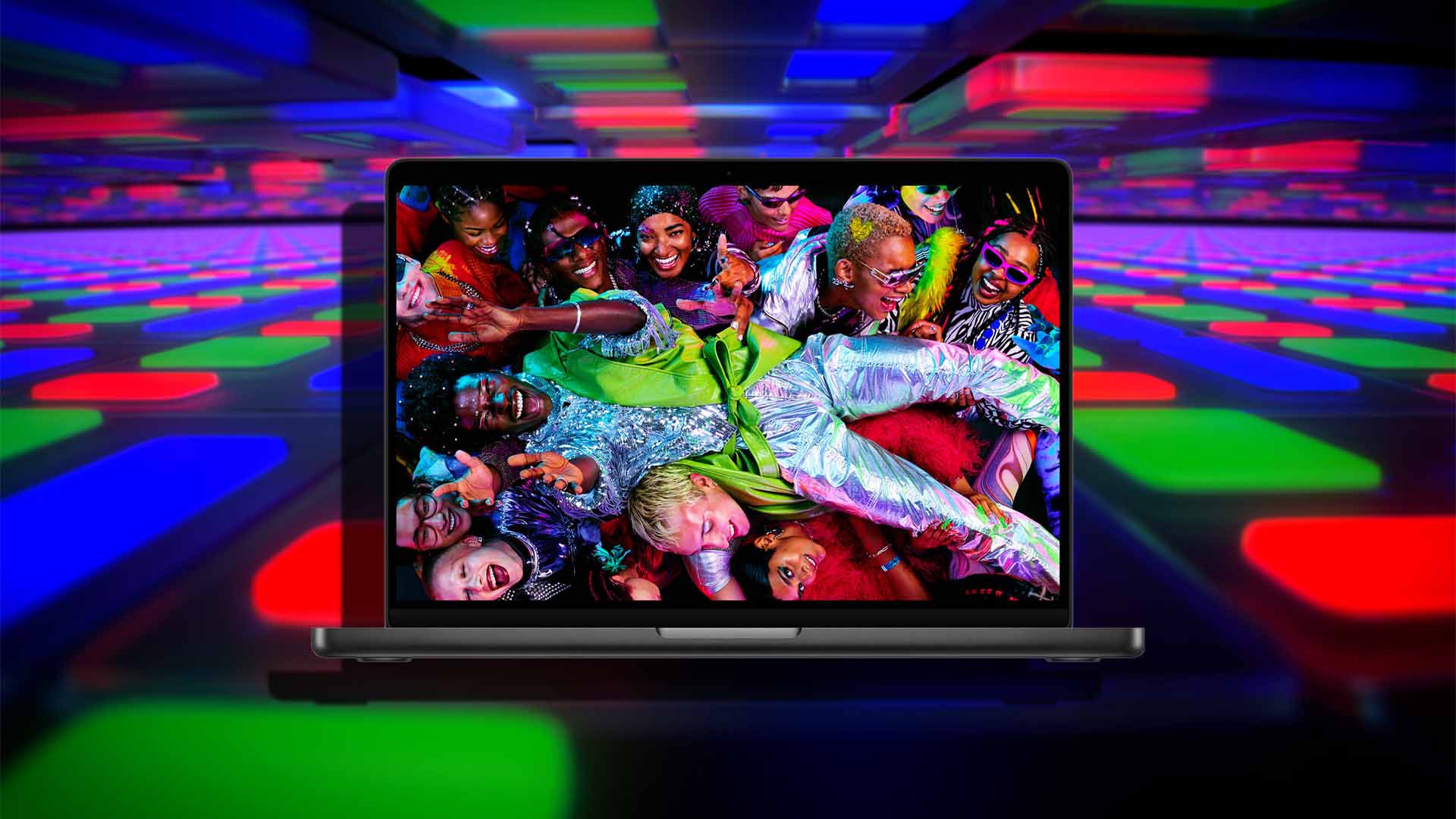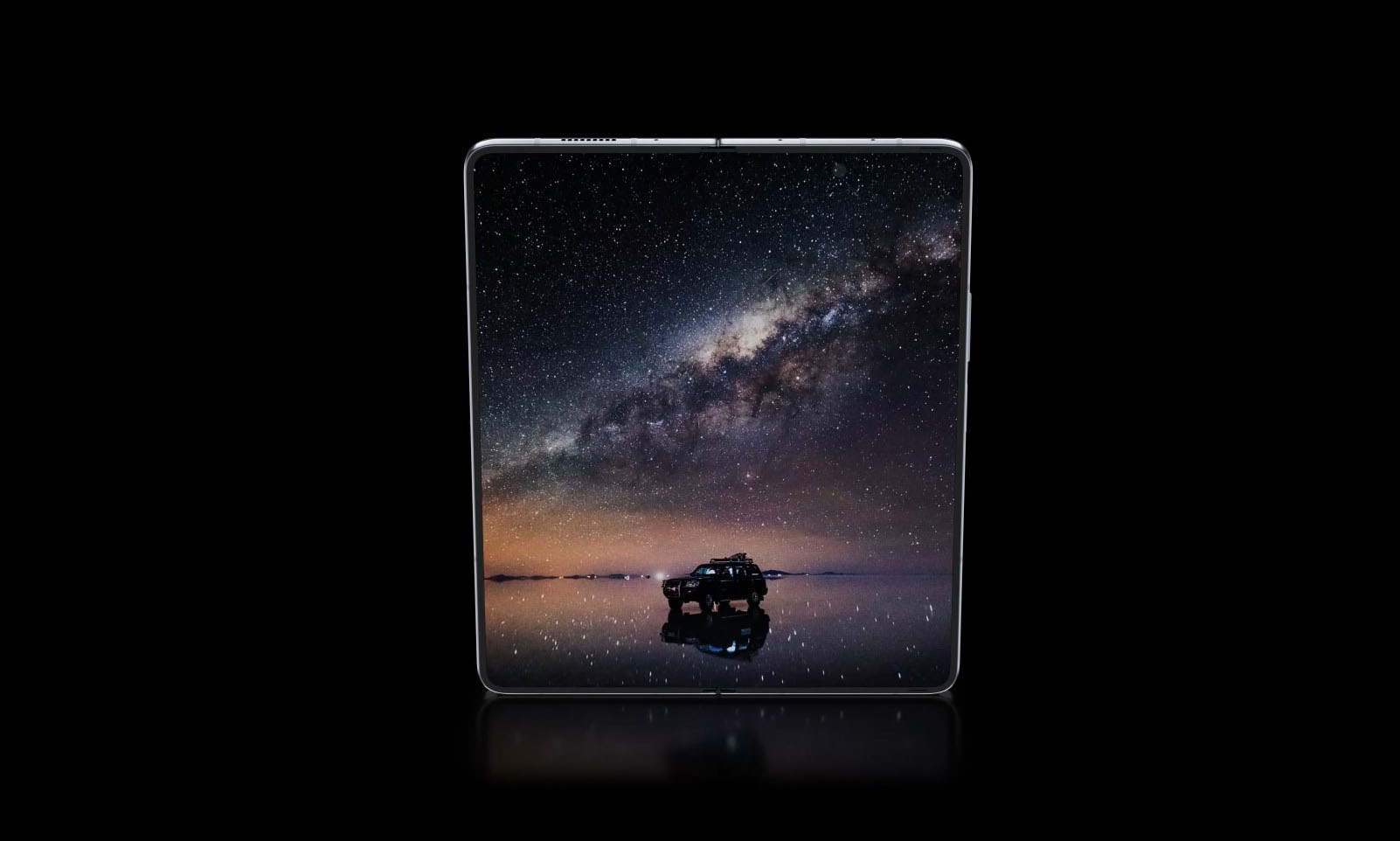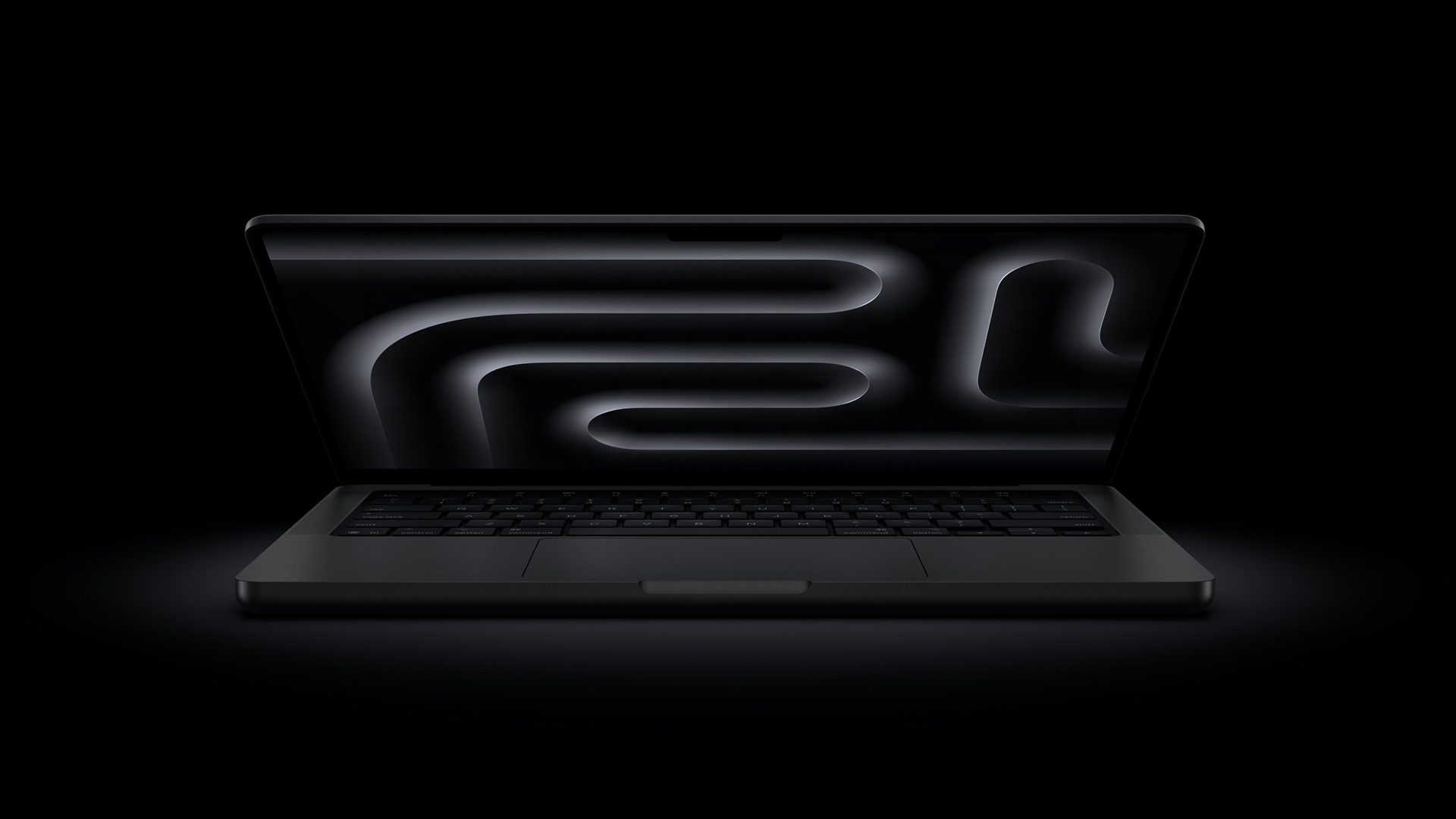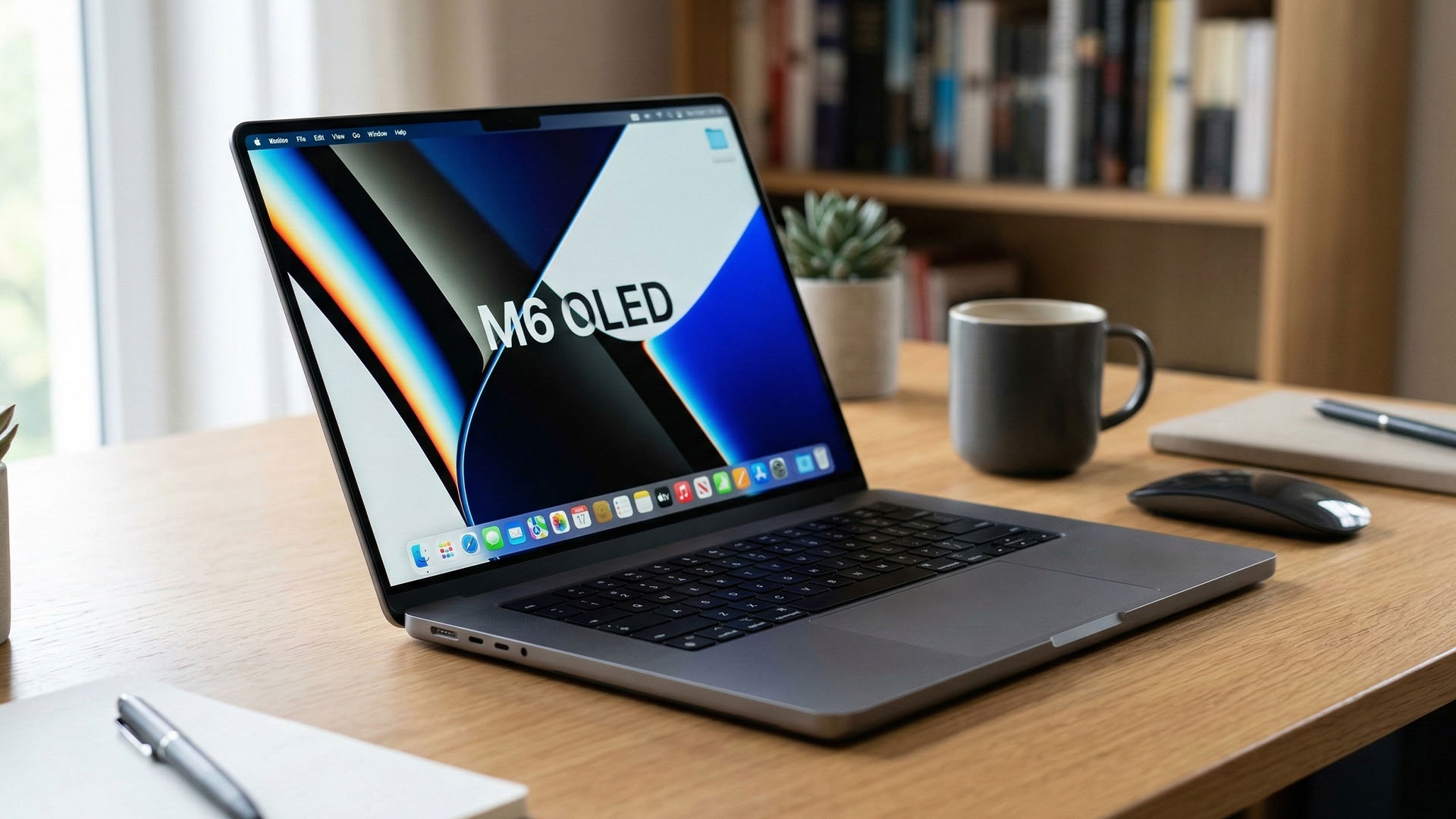
The soft glow of a laptop screen, illuminating a late-night work session, is about to get a whole lot more… private. Apple, a company that often sets the pace in premium device features, is apparently set to borrow a page directly from Samsung’s playbook, and sooner than anyone anticipated.
It’s not just about slapping an OLED panel into the next MacBook Pro; that much was already whispered about. The real intrigue, the kind that gets market analysts scribbling, is the rumored integration of Samsung’s Galaxy S26 Ultra-style Privacy Display technology. Originally projected for Apple’s ecosystem around 2029, new chatter suggests this feature could land on the M6 Pro and M6 Max MacBook Pro variants as early as this coming refresh.
What does this actually mean? For the uninitiated, Samsung’s Privacy Display is a clever bit of engineering. It works by manipulating the liquid crystal layer within the display, effectively narrowing the viewing angles. Think of it like a built-in physical privacy filter, but one that can be toggled on and off digitally. This means those nosy parkers in the coffee shop or the seatmate on a flight won’t be catching a glimpse of your sensitive spreadsheets or confidential emails.
This is a significant acceleration from the previously estimated timeline. Research firm Omdia, back in February 2026, had pegged 2029 as the year Apple might bring this capability to MacBooks. Now, a tipster—Schrödinger, a name that itself evokes a certain quantum uncertainty—is pointing to a much nearer arrival.
“When can we see these displays on consumer laptops? Well, from the projection, we can start seeing these privacy display panels on laptops soon, starting from the M6 MacBook and some Windows laptops.”
But here’s where the data-driven analyst in me raises an eyebrow. While the rumor mill is buzzing, it’s crucial to note that this privacy feature is expected to be exclusive to the higher-end M6 Pro and M6 Max models. The base M6 MacBook variant will reportedly stick with its mini-LED display, a perfectly capable but less cutting-edge technology. This segmentation isn’t surprising; Apple has always differentiated its Pro and Pro Max tiers with premium features, and a privacy display is certainly in that category.
Beyond the display, these new MacBook Pro models are reportedly packing some serious thermal upgrades, including a dedicated vapor chamber and revised cooling fan design. Some are even touting the moniker “MacBook Ultra” for these top-tier machines, a proof to the substantial internal engineering Apple seems to be undertaking. It’s a move that suggests they’re pushing performance boundaries, and cooling is a critical bottleneck.
Is This a Direct Copy or Smart Integration?
Here’s the thing: Apple rarely innovates in a vacuum. They are masters of observing the market, identifying burgeoning trends, and then refining them into a polished, integrated experience that feels uniquely Apple. While Samsung pioneered the direct implementation of a hardware-level privacy screen on a smartphone, Apple’s approach will likely focus on a more smoothly software integration and perhaps even enhanced performance options that go beyond Samsung’s current offering. It’s not just about replicating a feature; it’s about making it better, more intuitive, and more in line with the Apple ecosystem.
This move also speaks volumes about Apple’s strategy with OLED. The persistent rumors of OLED adoption across their laptop lines indicate a clear shift away from mini-LED for higher-end models, aligning them with the premium smartphone and tablet market. The privacy display is the cherry on top, an added value proposition that differentiates their OLED offering.
What’s the Market Impact?
For Samsung, it’s a validation of their display technology. Seeing a competitor like Apple adopt a feature they’ve developed can be a double-edged sword – a sign of success, but also a sign of increased competition in a segment they’ve been cultivating. For the broader laptop market, this could set a new standard for privacy-conscious users. Expect other manufacturers to follow suit, perhaps at a more staggered pace, but the precedent will be set. This isn’t just a speculative upgrade; it’s a market-moving one.
Privacy Display for laptops isn’t a novelty anymore; it’s becoming an expected feature in premium devices. Apple’s early adoption, even if it’s borrowing the concept, reinforces its commitment to offering a comprehensive, high-end user experience.
Why Does This Matter for Developers?
For developers building applications, particularly those dealing with sensitive user data or enterprise solutions, the prevalence of privacy displays on high-end laptops means an increased demand for strong security and data handling practices. While direct access to screen content is limited, it raises the bar for secure coding and testing. Furthermore, developers might eventually have APIs to use the privacy display functionality themselves, allowing for application-specific privacy modes. It’s a subtle but important shift in the hardware landscape that indirectly influences software development priorities.
🧬 Related Insights
- Read more: Witcher 3 Mod Adds DLSS 4.5, Tripling FPS Decade Later
- Read more: Metadata Gulps 20% of Supercomputing I/O—GPUs Starve Without New Storage
Frequently Asked Questions
What is Samsung’s Privacy Display technology? Samsung’s Privacy Display is a feature on certain devices that limits the viewing angle of the screen, making it difficult for people beside the user to see what’s on display.
Will the M6 MacBook Pro have an OLED screen? Yes, reports suggest that the M6 Pro and M6 Max MacBook Pro variants will feature OLED displays, while the base M6 model will retain a mini-LED screen.
Are there any other new features coming to the M6 MacBook Pro? Reports indicate significant thermal upgrades, including a vapor chamber and a redesigned cooling system, for the M6 Pro and M6 Max models.