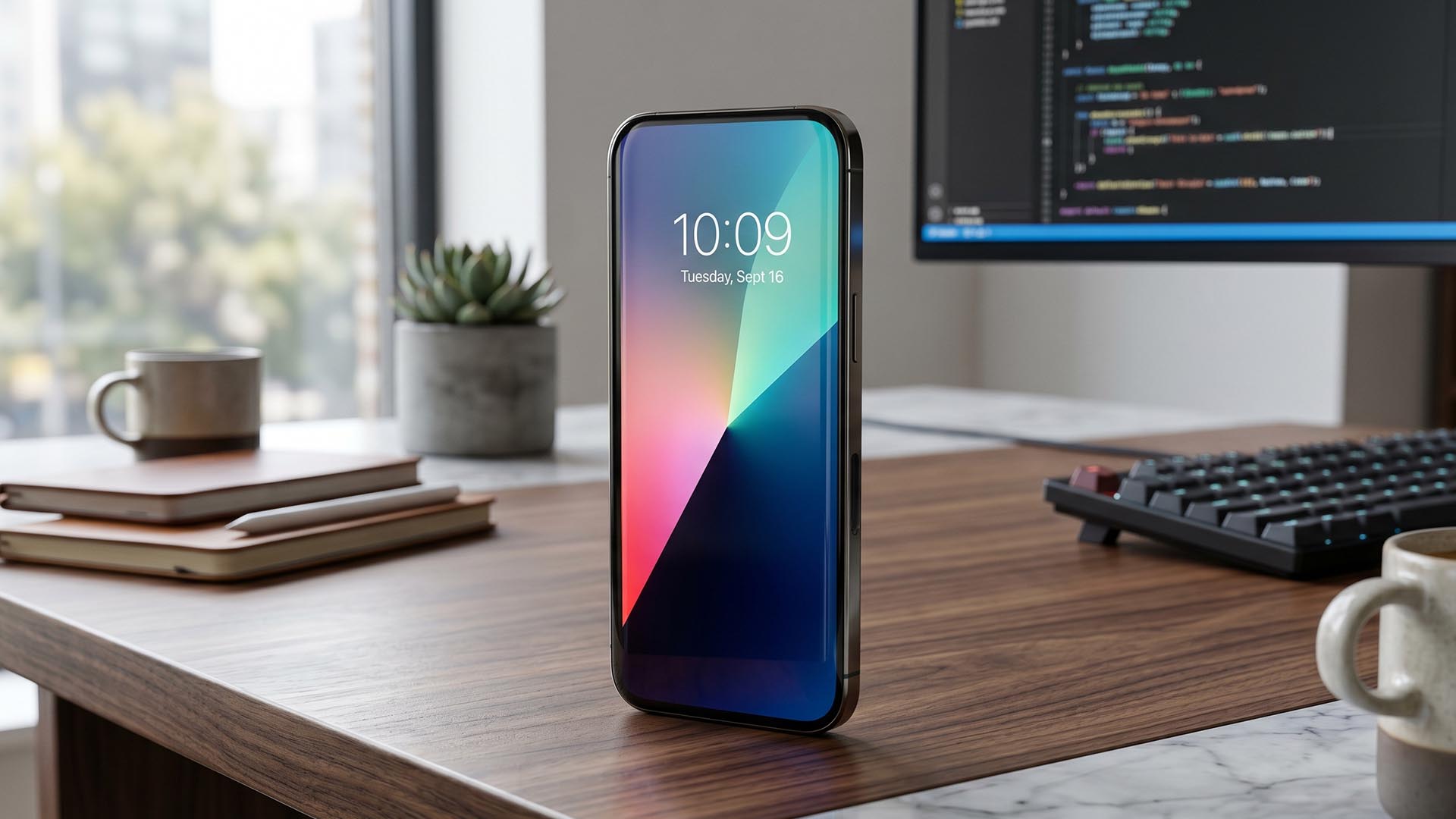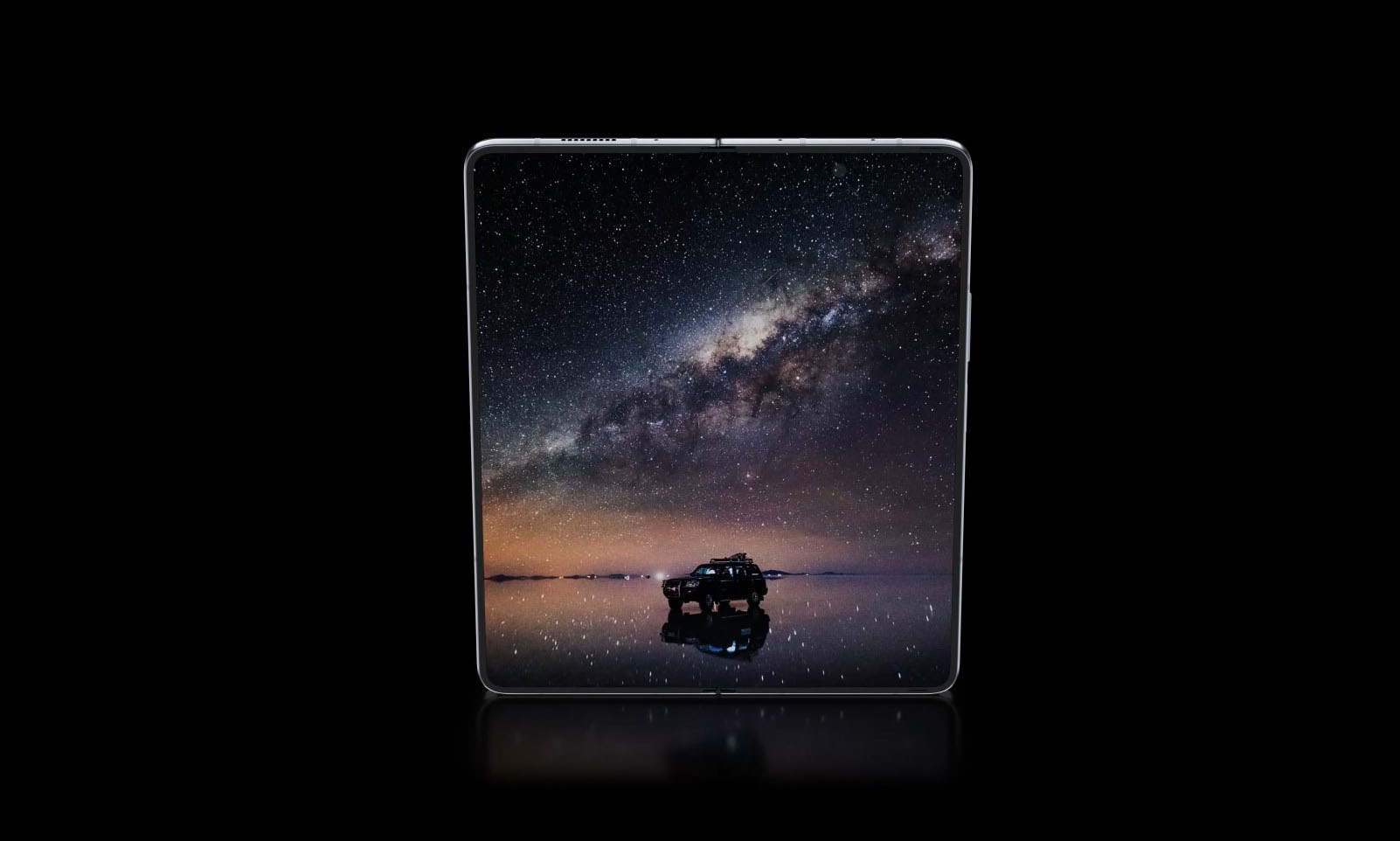
So, are we just supposed to pretend that Samsung’s Galaxy Z Fold 8 is going to be anything other than a warmed-over disappointment?
Look, I’ve been covering this valley for twenty years, and I’ve seen my fair share of shiny new gadgets rolled out with enough fanfare to drown out a marching band. But this? This feels different. It feels like resignation. Samsung, the company that basically invented the modern foldable smartphone category (or at least put it on the map for the masses), is apparently content to phone it in. With the iPhone Fold on the horizon, the battle for the future of flexible displays isn’t even a contest anymore; it’s a foregone conclusion. And honestly, that’s a bummer.
Is Samsung Really Compromising This Much?
The official word, and I use that term loosely because it’s filtered through tech blogs and whispers, is that the Galaxy Z Fold 8 is mostly just a spec bump. Yeah, it’ll have the latest Snapdragon chip – the Elite Gen 5, apparently. Big whoop. The rest of it? A veritable smorgasbord of cut corners. We’re talking about skipping the fancy S26 Ultra’s Privacy Display, no S Pen support (a staple for many of their premium devices), and – wait for it – virtually no improvement on that hideous screen crease. If this is what Samsung thinks is a flagship device in 2024, they’re living in a different reality than the rest of us. The article even points out the DRAM shortage as a contributing factor, forcing them to make trade-offs not just on the Fold but even on their base S27 model. It’s a clear sign that when a component crunch hits, the most expensive, experimental devices are the first ones to feel the pinch. And guess what? Samsung’s Foldables are definitely the most expensive, most experimental.
The iPhone Fold: A New Benchmark?
Here’s the thing about Apple: they don’t usually enter a market until they’re ready to dominate it. And from what’s being leaked, the iPhone Fold is shaping up to be less of an iteration and more of a revolution. Forget the crease; word on the street is Apple’s using some fancy liquid metal hinge technology that’s supposed to be a game-changer. Add to that some serious engineering on Ultra-Thin Glass (UTG) and an extra layer for scratch resistance – it sounds like they’re actually trying to solve the problems that have plagued foldables since day one. And a 5,800mAh battery? In an iPhone? That’s practically science fiction. If this isn’t the recipe for crushing the competition, I don’t know what is.
Weibo’s Digital Chat Station has also claimed that rivals will eventually adopt Apple’s liquid metal hinge because of its benefits.
This quote, if true, is telling. It suggests Apple isn’t just building a better phone; they’re setting a new industry standard. Samsung might have kicked off the foldable craze, but Apple is about to refine it to perfection, and then some.
So, What About Samsung’s “Wide Fold”?
There’s a glimmer of hope, I suppose. Samsung is reportedly working on something called a ‘Wide Fold,’ which sounds like it might adopt the book-like form factor that’s become popular among Chinese manufacturers. This could be Samsung’s last-ditch effort to compete. But even then, the success hinges entirely on whether they’re willing to put in the real engineering effort or just slap a new design on the same old compromises. If Samsung continues down this path of cutting corners on its premium devices, it’s no wonder analysts are predicting the iPhone Fold could snag nearly half of the U.S. market. That’s not just a loss; that’s a rout.
My unique insight here? This isn’t just about a single product cycle. This is about Samsung potentially ceding ground in a future market category that they themselves created. They’ve been the pioneers, the innovators, and now they’re looking like the company resting on its laurels. Twenty years in this business, and I’ve seen companies rise and fall based on their ability to adapt and innovate. Right now, Samsung looks more like the former than the latter. It’s a cautionary tale in the making, a stark reminder that even the pioneers can get left behind if they stop pushing the envelope.
What Does This Mean for the Future of Foldables?
If Samsung continues to churn out incremental updates on their foldables, essentially repackaging the same flawed design with slightly better internals, they risk alienating their early adopters and giving Apple a clear runway to capture the premium foldable market. The market has shown it’s willing to pay a premium for foldables, but that premium comes with the expectation of cutting-edge technology and refined user experiences, not a list of compromises. The lack of a S Pen, the persistent crease, and the absence of advanced display tech all point to a company that’s either overestimating customer loyalty or underestimating the competition.
🧬 Related Insights
- Read more: Squeezing Every Drop from AI GPUs: Kubernetes Partitioning Unleashes Hidden Throughput
- Read more: NVIDIA Chips Smuggled to China; Supermicro Execs Indicted
Frequently Asked Questions
What is the ‘Wide Fold’ concept from Samsung?
The ‘Wide Fold’ is a rumored upcoming foldable smartphone from Samsung that is expected to adopt a more traditional book-like folding design, similar to what some Chinese competitors offer.
Will the iPhone Fold have Face ID?
It’s rumored that the iPhone Fold will not feature Face ID due to technical challenges in fitting the necessary hardware into a slim chassis, though Apple is reportedly exploring alternative authentication methods.
Is Samsung truly struggling with component shortages?
Yes, reports suggest that Samsung, like many other tech giants, is facing challenges with component shortages, particularly DRAM, which is forcing them to make compromises on their device designs and material choices.