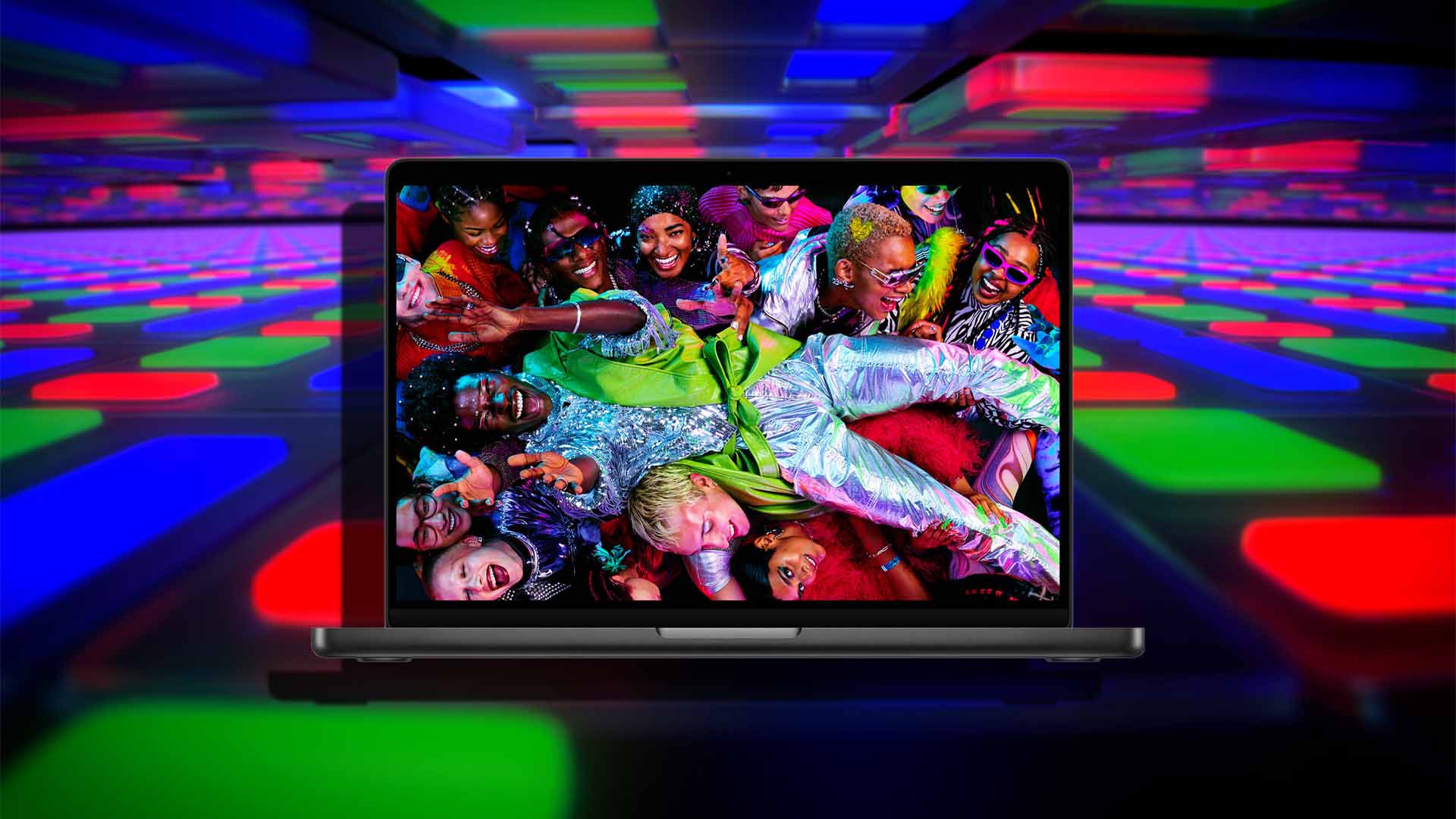
Have you ever considered how much of our digital lives are painted by the screens we stare at? It’s easy to get caught up in the processor cores or the terabytes of storage, but the window into that digital world — the display — is fundamentally changing, and Apple’s M6 MacBook Pro is poised to be the next canvas.
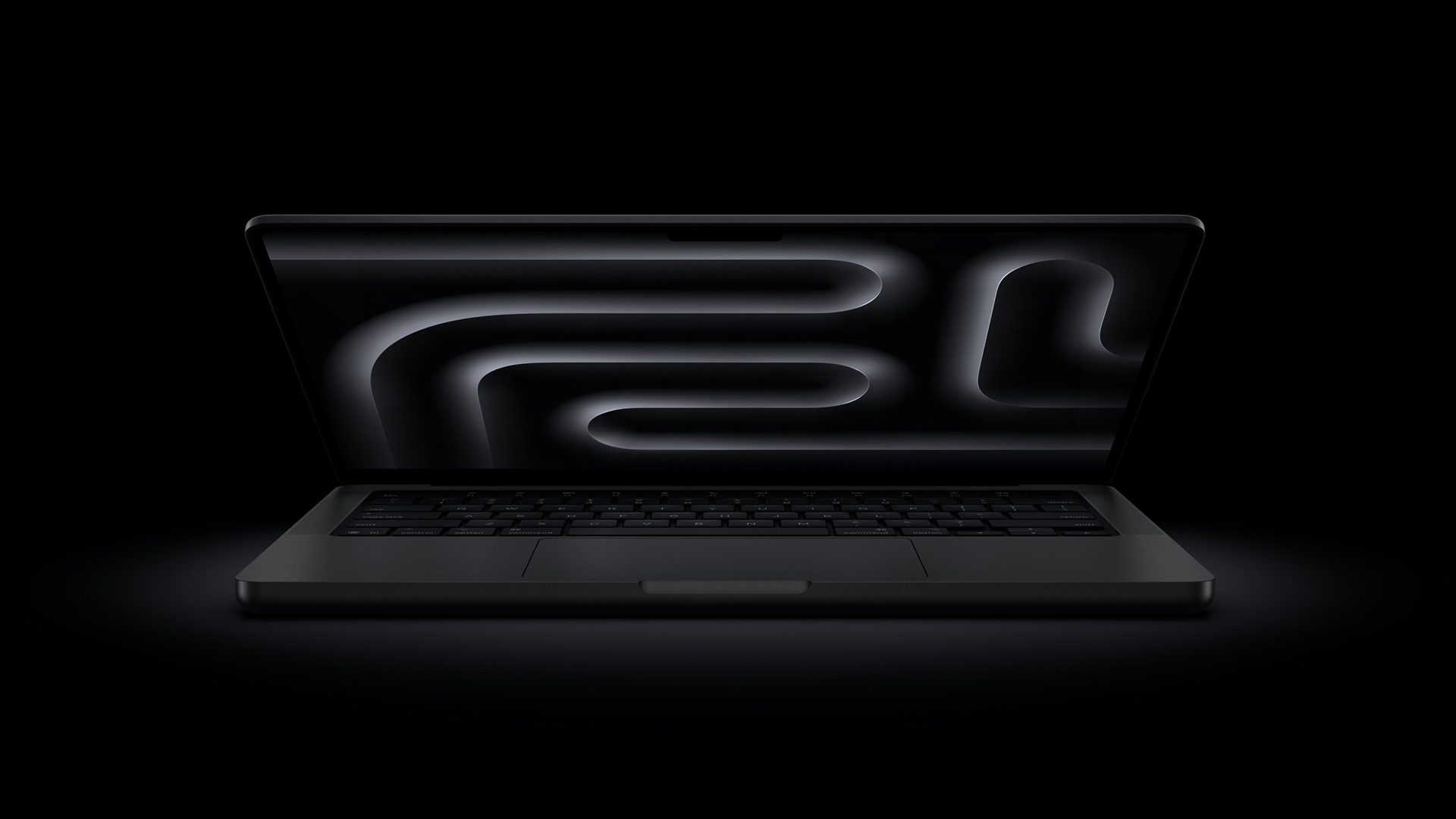
This isn’t just another spec bump, folks. We’re talking about a seismic shift, the kind that makes you re-evaluate everything you thought you knew about laptops. The M6 MacBook Pro is slated to sport OLED panels on its 14-inch and 16-inch models, a first for Apple in this product line. And the whispers from the supply chain? They’re not whispers anymore; they’re cheers. Apparently, Apple’s exclusive OLED supplier, Samsung, has hit a monumental milestone that means we’re likely to see a launch without a single production hitch.
A Display Milestone Worth Cheering For
Here’s the real kicker: Samsung, the sole provider for these high-end MacBook Pro OLEDs, has apparently blazed through its yield targets. We’re talking about smashing the 90 percent yield rate for their 8.6th-generation OLED tech. For anyone not knee-deep in manufacturing jargon, that means they’re producing incredibly high-quality panels with minimal defects. Think of it like a baker who suddenly masters a complex pastry recipe, producing perfect croissants every single time, rather than one burnt here, one flat there. This level of perfection, achieved in just over a month after hovering around 80 percent, is frankly astonishing.
In the cutthroat world of silicon, a 70 percent yield is often considered the golden ticket to mass production. But displays? They’re a different beast entirely, demanding a level of precision that makes 90 percent look like the finish line of a marathon. Samsung didn’t just cross it; they sprinted past it, and the implications for Apple are massive. Not only does this mean fewer duds and less waste for Samsung, but it also means Apple can breathe easy, knowing their supply chain is solid. This kind of stability is gold, especially when you’re introducing a brand-new display technology to a flagship product line.
The Race to Shine Brighter
Now, why the sudden urgency? You might recall whispers of BOE, another display giant, also vying for a piece of the OLED MacBook pie. It’s highly probable that Samsung, sensing the competition from its rivals who are eyeing ASUS and Acer, decided to go all-in on hitting this yield target sooner rather than later. They didn’t want to lose out on those lucrative Apple orders. And at their current capacity, they can churn out enough panels to outfit a significant portion of Apple’s initial M6 MacBook Pro shipments. This isn’t just about making screens; it’s about securing dominance in a burgeoning market, with Apple as the ultimate prize.
Samsung has surpassed 90 percent yields for its 8.6th-generation OLED technology, obtaining incredible stabilization to the extent where it can begin mass production of the panels for Apple’s M6 MacBook Pro series.
These new MacBooks are shaping up to be quite the upgrade. Rumor has it we’re looking at slimmer designs, maybe even some touch capabilities, and a decidedly less intrusive punch-hole cutout replacing the notch. Naturally, these premium features are expected to come with a premium price tag. But here’s the surprisingly human touch from Apple: they’re keeping the M5 Pro and M5 Max chips around for those who don’t want to shell out for the absolute bleeding edge. Bless their business-savvy hearts. However, these aesthetic and display upgrades appear to be exclusive to the M6 Pro and M6 Max models, leaving the base M6 MacBook Pro to soldier on without the OLED glow. A smart, if slightly exclusionary, move.
This OLED leap feels less like an iterative update and more like a fundamental platform shift for the MacBook line. It’s akin to when Apple first moved to Retina displays; it changed how we perceived digital content. We’re talking about deeper blacks, vibrant colors, and a visual experience that will make everything from coding to movie-watching feel more immersive and, frankly, more magical. It’s the kind of upgrade that doesn’t just look good on paper; it’s felt in every pixel.
Why Does This OLED Milestone Matter for the Average User?
For the vast majority of us, the processor specs might as well be hieroglyphics. But the screen? That’s where the magic happens. A better display means a more comfortable user experience, especially for those long hours spent staring at code or design mockups. We’re talking about reduced eye strain thanks to better contrast and brightness, richer visuals that pop, and potentially even better power efficiency. This milestone isn’t just a win for Samsung or Apple; it’s a win for our eyeballs. It means the tool we use to interact with our digital world is becoming more refined, more capable, and more beautiful. It’s the quiet evolution that powers the loudest innovations.
FAQ
What is the 8.6th-generation OLED technology?
This refers to Samsung’s latest iteration of OLED display technology, likely representing significant advancements in manufacturing processes, efficiency, and display quality compared to previous generations.
Will the base model M6 MacBook Pro also get an OLED screen?
According to current reports, the OLED display and other redesigns are expected to be exclusive to the M6 Pro and M6 Max MacBook Pro models, not the base M6 MacBook Pro.
Is OLED technology susceptible to burn-in on MacBooks?
While OLED technology can be susceptible to burn-in, manufacturers like Samsung and Apple employ various mitigation techniques to minimize this risk, and modern OLED panels are far more durable than early versions.
🧬 Related Insights
- Read more: GPU Renters Face Silicon Lottery
- Read more: AI’s ‘City Builder’ Moment: Revitalizing Regions with Tech?