The air in the Samsung cafeteria was thick with relief and, evidently, a healthy dose of bitter irony.
Samsung’s biggest union just voted to accept a deal that hands its semiconductor workers an average bonus of $340,000. That’s right, a cool quarter-million more than the average US salary, for some. And it all happened just before an 18-day strike was set to cripple the world’s largest memory chipmaker. Close call, huh? Almost as close as the divide now splitting the company cleaner than a wafer scribe.
Here’s the kicker: while the chip folks are practically swimming in stock and cash – think an extra 10.5% of operating profit in stock, plus 1.5% in cash, and a 6.2% wage hike – the folks building your fancy new QLEDs or Galaxy phones are looking at a measly $4,000. Apparently, innovation in memory chips pays a lot better than making sleek smartphones. Who knew?
A Windfall for Some, a Frown for Others
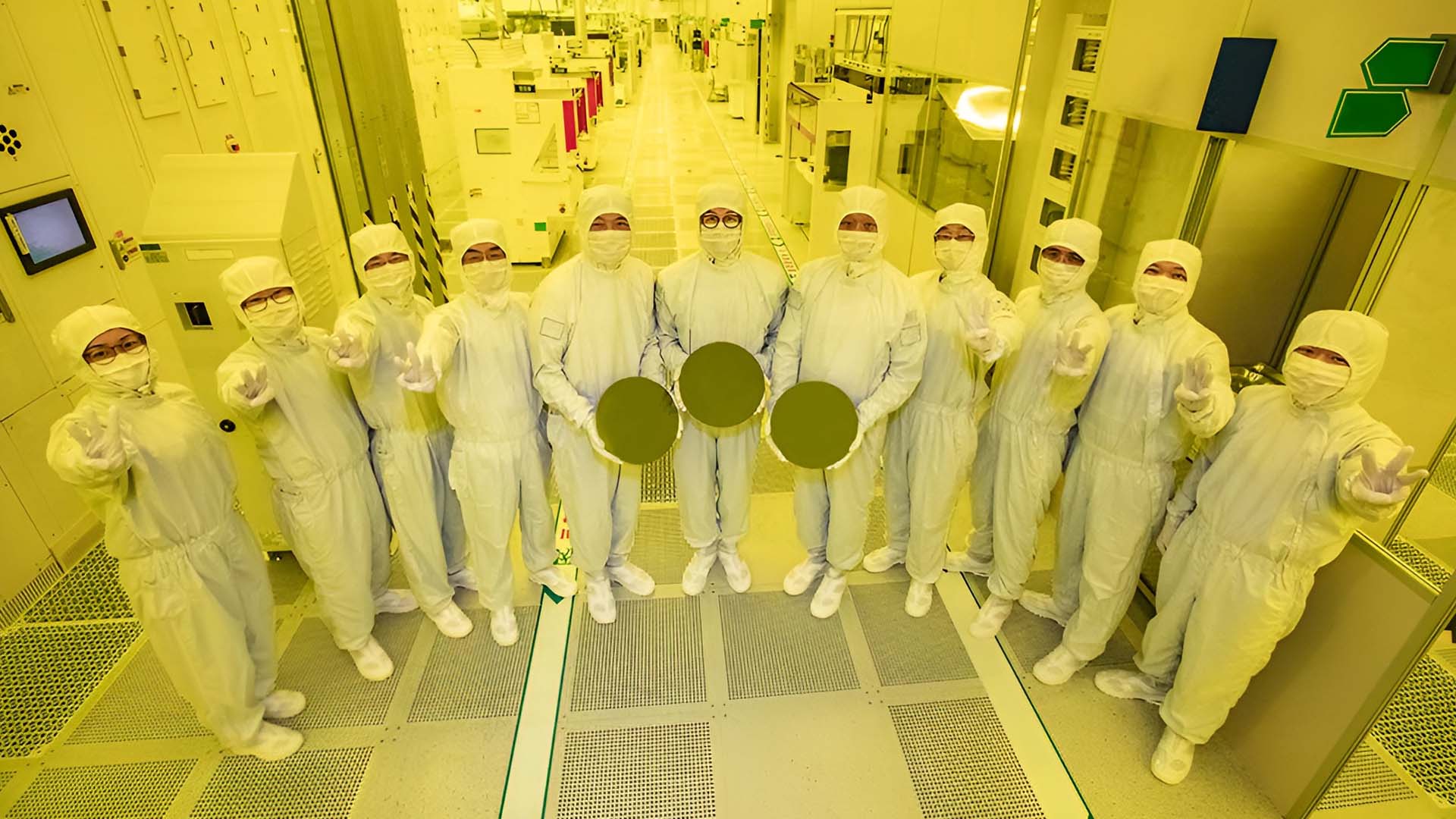
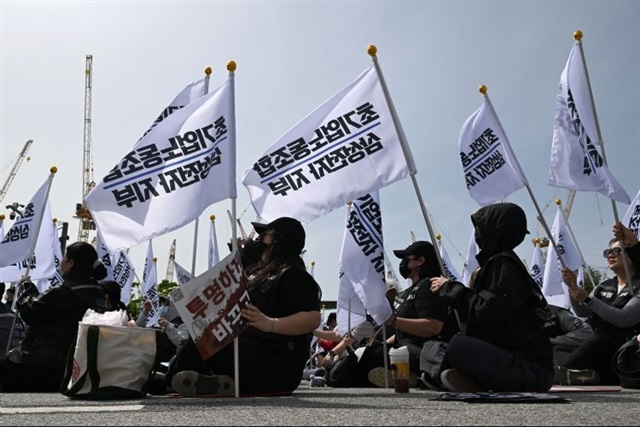
This whole song and dance started because, frankly, Samsung’s chip workers felt short-changed compared to their rivals at SK Hynix. When you’re producing the silicon brains for everything from AI servers to your fridge, you start to notice when the guys next door are getting twice the payday. And notice they did. Forty-thousand of them, to be exact, rallied in April. Night-shift fab output took a 58% nosedive. That’s not a polite protest; that’s a punch to the gut.
The deal, now ratified by about 74% of the semiconductor union, aims to smooth things over for ten years, provided the division keeps hitting “lofty” profit targets. Bloomberg’s crystal ball predicts a $26.6 billion bonus pool by 2026. Nice work if you can get it. Or, in this case, if you are it.
But the joy is far from universal. The smaller union, representing the non-chip staff, only saw about 21% of its members give the thumbs up. Ouch. That’s not just a disagreement; that’s a deep, festering wound.
The Fallout: Slowdowns and Stalled Projects
This isn’t just office gossip; it’s impacting production. Resentment has curdled into deliberate work slowdowns, seeping into Samsung’s foundry and Test & Package (TSP) divisions. Meetings are being nixed. Big projects are in limbo. And TSP? That’s the crucial back-end work that makes high-bandwidth memory — the stuff powering Nvidia’s next-gen AI accelerators — a reality. So, while Samsung’s memory division is celebrating a financial Super Bowl win, its ability to deliver on the bleeding edge of AI tech is suddenly looking like a game-time decision.
TM Roh, the head of Samsung’s DX division, tried to throw some olive branches via an internal memo. “I understand that the recent wage negotiation process and its outcome have left many of you feeling alienated, deprived, and perhaps disappointed or hurt by the company,” he wrote. Bless his heart. He promises to personally oversee and examine what needs to change. We’ll see if that translates into actual paychecks or just more internal memos.
A Historical Echo of Tech Division
Look, this isn’t exactly new territory for the tech industry. We’ve seen this play out before, albeit usually with less astronomical sums involved. Think of the old days, when a company might reward its star R&D team with lavish stock options while the assembly line workers got a pat on the back and a company picnic. The difference here is the sheer scale of the disparity and the fact that almost every employee in the memory division is set to cash in. It’s not a few star performers; it’s an entire department hitting the jackpot.
This also comes at a time when the memory market is booming. SK Hynix and Micron are both sporting market caps north of $1 trillion, right alongside Samsung. The demand for cutting-edge chips is insatiable. Samsung’s challenge now isn’t just producing enough silicon; it’s keeping its diverse workforce motivated and functional when one segment is financially euphoric and another feels utterly left behind. It’s a tightrope walk, and the safety net looks awfully thin.
Why Does This Matter for Samsung’s Future?
Samsung’s foundry business is crucial for its future, especially as it tries to chip away at TSMC’s dominance. The ability to reliably produce advanced chips for its own products and for clients like Nvidia is paramount. If internal friction leads to consistent delays and compromises in quality or output for critical components like HBM, it directly impacts its competitive edge. The current situation, where critical testing and packaging operations are reportedly suffering slowdowns, is a clear red flag. It suggests that the short-term relief for the semiconductor union might have just created a longer-term operational headache for the company.
What happens when the resentment festers? Will there be further demands? Will talented employees in the less-rewarded divisions start looking for greener pastures, where their contributions are more equitably recognized? Samsung needs to figure out how to bridge this divide, and fast. Otherwise, those record profits might start looking a lot less sustainable.
“I understand that the recent wage negotiation process and its outcome have left many of you feeling alienated, deprived, and perhaps disappointed or hurt by the company.”
That’s a corporate executive, folks. Talking about alienation and deprivation. It’s a bold strategy, Cotton, let’s see if it pays off.
🧬 Related Insights
- Read more: Broadcom’s 400G/Lane DSP: AI’s Bandwidth Savior or Just More Chip Hype?
- Read more: Intel’s Arc Pro GPUs Claw Back Ground in MLPerf v6.0 — Still Nvidia’s Shadow?
Frequently Asked Questions
What does the $340,000 bonus at Samsung cover?
This figure represents the average bonus for Samsung’s semiconductor workers, a package that includes stock and cash, plus a wage increase, aimed at resolving labor disputes.
Will this affect Samsung’s ability to produce AI chips?
Potentially. Resentment over the bonus disparity has led to work slowdowns in crucial divisions like Test & Package (TSP), which is essential for high-bandwidth memory production needed for AI accelerators.
Are all Samsung employees getting a big bonus?
No. The large bonuses are specifically for the semiconductor division. Other divisions, like smartphone and TV, are receiving significantly smaller payouts.