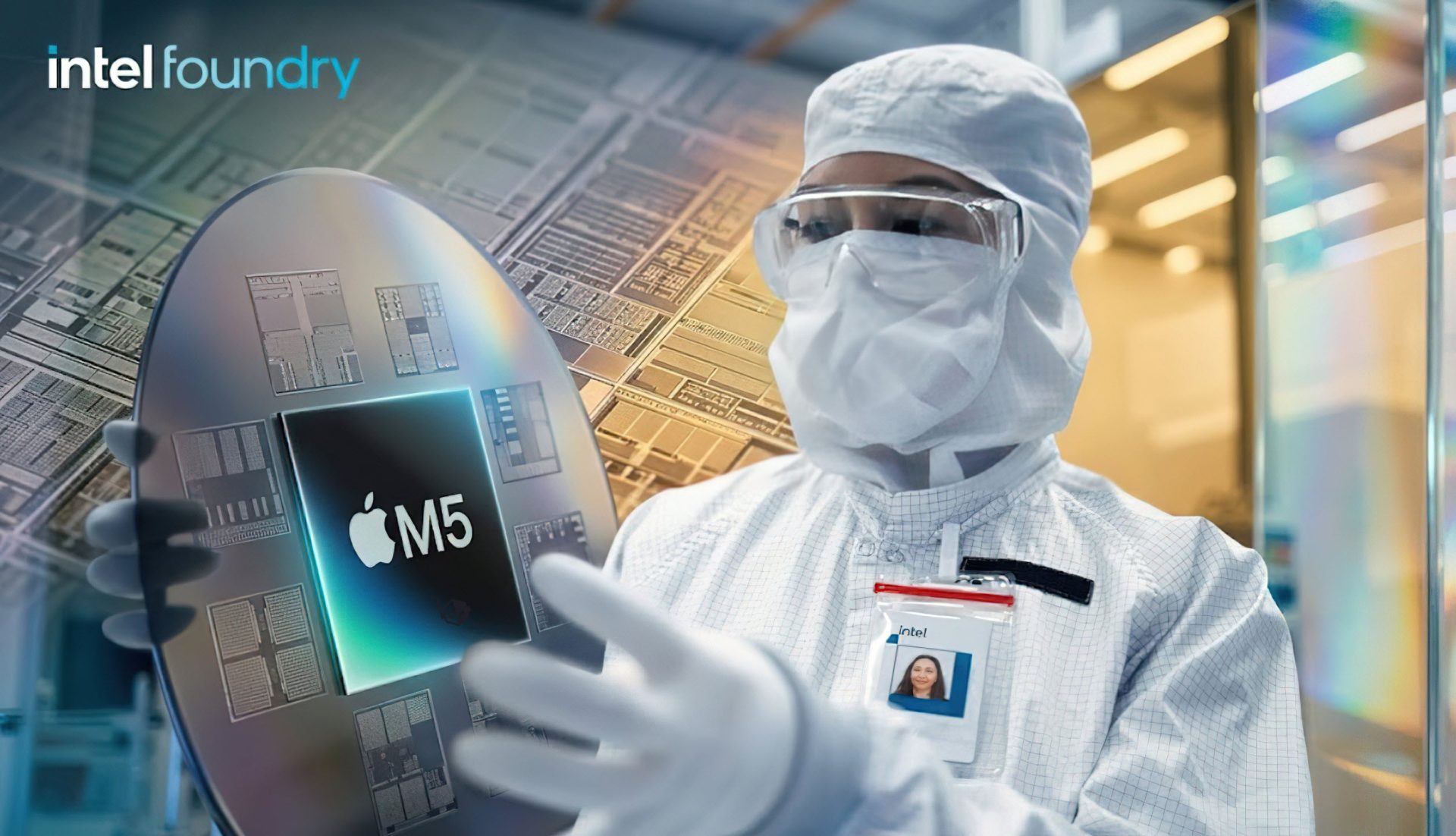
Intel’s preliminary manufacturing deal with Apple. That’s the headline. And it’s a doozy. For years, Samsung Foundry has been the go-to for chip giants desperate for advanced manufacturing capacity outside of TSMC. Apple, in particular, has been a massive customer, entrusting Samsung with some of its most critical silicon. Now, Intel is sniffing around, potentially snatching a piece of that lucrative pie.
This isn’t just about one deal. It’s about Intel regaining relevance. For a long time, the company was stuck playing catch-up in the foundry space, faltering on process nodes while TSMC and Samsung marched ahead. But Pat Gelsinger’s turnaround plan – IDM 2.0 – is starting to show teeth. Bringing Apple, a client known for its exacting standards and gargantuan order volumes, into the fold would be a colossal validation of that strategy.
What Does This Mean for Samsung?
Pressure. That’s what. Samsung has been enjoying a relatively cozy duopoly with TSMC for leading-edge manufacturing. Intel’s renewed foundry push, coupled with this potential Apple win, immediately injects a formidable competitor into the mix. Samsung’s argument for why you should use their foundry just got a whole lot more complicated when a company as picky as Apple is even considering alternatives.
“Intel’s reported preliminary agreement to manufacture some chips for Apple is putting new pressure on Samsung Electronics, as the US chipmaker gains momentum with major technology customers and leans on…”
That quote. It’s not exactly a ringing endorsement of Samsung’s current position, is it? It’s the polite industry-speak for ‘uh oh.’ Samsung’s foundry business has been a bright spot, a critical pillar in their diversification strategy. If Intel can land Apple, it signals that Intel can indeed compete at the highest levels of process technology, a place where Samsung was starting to feel quite comfortable.
Is Intel Back in the Foundry Game?
Intel’s foundry ambitions have been a rollercoaster. They’ve talked a big game before. But this time feels different. Gelsinger isn’t just talking; he’s actively courting customers and investing billions. Landing a design win as prestigious as Apple’s would provide the kind of revenue and, more importantly, the kind of technical validation that’s been elusive. It’s a signal flare to the rest of the industry: Intel is serious.
For Apple, this is also a fascinating move. Diversifying their manufacturing partners is a classic Apple play. Relying too heavily on any single supplier – even TSMC, and certainly Samsung – carries inherent risks. A preliminary deal with Intel suggests a desire to spread that risk, explore new technological avenues, and potentially even gain a bit more use in negotiations.
The Geopolitical Angle
And let’s not forget the politics of it all. The US government is desperately trying to onshore semiconductor manufacturing. Intel, being a US-based company, gets a lot of goodwill – and potentially subsidies and incentives – that companies based elsewhere simply don’t. If Intel can indeed ramp up production for a massive client like Apple on American soil, it’s a huge win for domestic chipmaking efforts. This deal, if it solidifies, isn’t just a business transaction; it’s a geopolitical statement.
Samsung’s response will be critical. Will they double down on process innovation? Offer more aggressive pricing? Or will they find themselves playing defense for the first time in a while on the foundry front?
This isn’t just about a few billion dollars in manufacturing revenue. It’s about the perception of technological leadership. It’s about the competitive landscape for the next decade. And right now, Intel is making noise, and Samsung is feeling the heat.
🧬 Related Insights
- Read more: Truck-Sized AI Data Centers: GPUs Delivered in Months, Not Years
- Read more: Synopsys Nails HBM4 Silicon Link-Up — But Who’s Cashing In First?
Frequently Asked Questions
What does ‘foundry’ mean in this context? A foundry is a specialized factory that manufactures semiconductor chips based on designs provided by other companies. Intel, Samsung, and TSMC are major foundries.
Why is Apple working with multiple chip manufacturers? Apple diversifies its supply chain to mitigate risks, secure competitive pricing, and access the latest manufacturing technologies from different partners.
Will this affect the price of iPhones? Potentially, in the long term. Increased competition among foundries could lead to better pricing, but Apple’s premium product strategy means any cost savings may not directly translate to lower consumer prices.